Ilex verticillata Berry Poppins� (Winterberry): A Complete Guide
I. ## What is Ilex verticillata Berry Poppins� (Winterberry)?
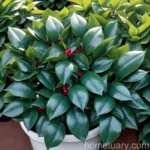
Ilex verticillata, commonly known as Winterberry, is a deciduous holly native to eastern North America, including the eastern United States and Canada. It belongs to the Aquifoliaceae family and is known for its vibrant red berries that adorn the winter landscape. The ‘Berry Poppins’ cultivar is a popular selection of this species, prized for its compact size, abundant fruit production, and versatility in garden settings.
II. ## Key Takeaways – Ilex verticillata Berry Poppins� (Winterberry)
- Scientific Name: Ilex verticillata
- Common Name: Winterberry
- Cultivar: Berry Poppins�
- Family: Aquifoliaceae
- Native Habitat: Eastern North America
- Notable Feature: Abundant red berries in winter
III. ## Culture
A. Uses
Ilex verticillata Berry Poppins� is widely used in landscaping and gardening for its ornamental value. The bright red berries add a pop of color to the winter landscape and attract birds, making it a popular choice for wildlife gardens. Additionally, the branches laden with berries are often used in winter floral arrangements and decorations, adding festive charm to holiday displays.
B. Water
Winterberry plants prefer consistently moist soil, especially in the first few years after planting. Proper watering is essential for the establishment and overall health of the plant, particularly during dry spells and hot summers. However, it is important to avoid waterlogged conditions, as excessive moisture can lead to root rot and other issues.
C. Sunlight
Ideally, Winterberry plants thrive in full sun to partial shade. While they can tolerate a range of light conditions, they tend to produce the most abundant and vibrant berries when grown in full sun. In partial shade, the plant may still flower and fruit, but the display of berries may be less prolific.
D. Fertilizer
To promote healthy growth and prolific fruiting, Winterberry plants benefit from an annual application of balanced fertilizer in early spring. A slow-release, granular fertilizer formulated for acid-loving plants can be applied around the base of the plant, following the manufacturer’s recommended rates.
E. Soil
Winterberry plants thrive in moist, acidic soils that are rich in organic matter. It is important to ensure good drainage, as they do not tolerate waterlogged conditions. Incorporating organic mulch around the base of the plant can help maintain soil moisture and promote a healthy root environment.
F. Pruning
Pruning is generally minimal for Winterberry plants, and it is primarily done for shaping, removing dead or damaged wood, and managing size. As the ‘Berry Poppins’ cultivar is known for its compact growth habit, occasional selective pruning can help maintain a tidy and attractive form. Winterberry plants can also be pruned after fruiting to enhance their appearance and encourage new growth.
G. Propagation
Winterberry plants can be propagated through softwood cuttings taken in early summer or hardwood cuttings taken in late winter. Softwood cuttings are typically taken from the current season’s growth, while hardwood cuttings are obtained from mature, dormant wood. Both methods can be successful with proper care and attention to moisture, temperature, and rooting hormone application.
H. Container Popularity
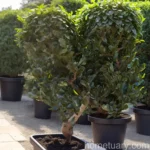
The compact nature and ornamental value of Ilex verticillata Berry Poppins� make it well-suited for container cultivation. It can be grown in large containers on patios, entryways, or outdoor living spaces, where the display of vibrant berries can be enjoyed up close.
IV. ## Common Diseases
A. Disease Diagnosis
While Winterberry plants are generally resistant to major diseases, they can occasionally be affected by fungal leaf spot diseases, such as holly leaf spot (caused by the pathogen Phyllosticta ilicicola). Symptoms include circular, brown spots on the leaves, which can lead to defoliation if the infection is severe. Proper sanitation, including the removal and disposal of infected leaves, and providing good air circulation can help manage and prevent fungal diseases.
V. ## Common Pests
No serious pest problems are typically associated with Ilex verticillata Berry Poppins�. However, occasional pest issues may include leaf miners and scale insects. Regular monitoring of the plant for signs of pest activity, such as distorted leaves, stippling, or the presence of insects, can help in early detection and management.
VI. ## Botanist’s Tips
To ensure the best performance and fruiting display from Winterberry plants:
- Choose Suitable Cultivars: Select cultivars known for their compact growth, abundant fruiting, and specific traits that suit your landscape or garden design.
- Provide Adequate Water: Especially during the establishment phase, Winterberry plants benefit from consistent watering to promote healthy root development.
- Promote Berry Production: To enhance berry production, consider planting multiple Winterberry individuals to facilitate cross-pollination and maximize fruit set.
VII. ## Fun Facts
- Winter Interest: The vibrant red berries of Winterberry plants persist through the winter months, providing a striking contrast against the backdrop of snow and adding a touch of seasonal festivity.
- Native American Use: Indigenous tribes historically used various parts of Winterberry plants for medicinal and practical purposes, including the use of the berries for dyeing and the bark for medicinal teas.
VIII. ## Links to External Resources
For further information on Ilex verticillata Berry Poppins� (Winterberry) and related topics, consider exploring the following resources:
In conclusion, Ilex verticillata Berry Poppins�, commonly known as Winterberry, is a valuable addition to garden landscapes, offering vibrant seasonal interest and wildlife appeal. With considerations for its culture, uses, and maintenance, this versatile plant can enhance the beauty of outdoor spaces and provide ecological benefits for years to come.