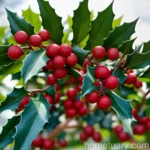
The Allure of Inkberry: Unraveling the Secrets of Ilex Glabra ‘Shamrock’
As plant enthusiasts, we are captivated by the charm and unique characteristics of various flora. They not only add aesthetic appeal to our surroundings but also play a crucial role in the ecosystem. Among the diverse array of plants dotting the natural landscape, the inkberry (Ilex glabra ‘Shamrock’) stands out as a mesmerizing evergreen shrub. In this comprehensive guide, we will delve deep into the enigma of inkberry, exploring its culture, uses, care, and much more.
What is inkberry (Ilex glabra ‘Shamrock’)?
Inkberry, scientifically known as Ilex glabra ‘Shamrock’, is a striking evergreen shrub that belongs to the holly family, Aquifoliaceae. This captivating plant is renowned for its lustrous dark green foliage, which remains vibrant throughout the year, serving as an excellent backdrop to other garden features. The ‘Shamrock’ variety, in particular, is esteemed for its compact and rounded form, making it a desirable choice for various landscaping and gardening applications.
Key Takeaways – Inkberry (Ilex glabra ‘Shamrock’)
Before we embark on our exploration of this alluring plant, let’s glance at the key takeaways that we will uncover in this guide:
- Culture: We will unravel the cultural requirements essential for the healthy growth and development of inkberry.
- Uses: Delve into the multifaceted applications of inkberry, ranging from ornamental landscaping to its role in wildlife habitats.
- Water: Understand the optimal watering practices to maintain the vigor and vitality of inkberry shrubs.
- Sunlight: Explore the sunlight requirements and the impact of exposure on the growth of inkberry.
- Fertilizer: Delve into the suitable fertilization regimen to support robust growth and foliage development.
- Soil: Uncover the ideal soil conditions and pH levels crucial for the optimal performance of inkberry.
- Pruning: Gain insights into the art of pruning inkberry, enhancing its aesthetic appeal and health.
- Propagation: Explore the various methods of propagating inkberry, ensuring the expansion of its presence in diverse landscapes.
- Container Popularity: Understand the rising popularity of inkberry in container gardening and its role as an ornamental addition.
- Container: Discover the best practices for growing inkberry in containers, harnessing its ornamental value in confined spaces.
- Common Diseases: Identify the prevalent diseases affecting inkberry and the appropriate measures for diagnosis and management.
- Disease Diagnosis: Unravel the signs of distress and diseases in inkberry, facilitating timely intervention.
- Common Pests: Understand the common pests that pose a threat to inkberry and strategies for pest management.
- Botanist’s Tips: Gain valuable insights and tips from the perspective of a seasoned botanist, enriching our understanding of inkberry care.
- Fun Facts: Unearth intriguing and captivating facts about inkberry, enriching our appreciation for this fascinating plant.
- Links to External Resources: Gain access to additional resources for further exploration and learning about inkberry and related topics.
Now, let’s embark on a journey to unravel the mysteries and beauty of inkberry, discovering its role in the natural world and how to care for it in our own gardens and landscapes.
Culture: Nurturing the Growth of Inkberry
Cultural practices play a pivotal role in the thriving of inkberry, facilitating its lush foliage, robust growth, and overall vigor. By understanding and adhering to the cultural requirements of inkberry, we can ensure its sustained beauty and presence in our environments.
Water
Appropriate watering is essential for the well-being of inkberry. While it exhibits some tolerance to drought conditions, consistent moisture is crucial, especially during its establishment phase. Here are some key considerations for watering inkberry:
- Establishment Phase: Newly planted inkberry shrubs should receive regular watering to aid in root establishment. A thorough watering at least once a week is typically recommended, ensuring that the soil is moist but not waterlogged.
- Mature Plants: Once established, inkberry plants showcase resilience to moderate drought conditions. However, during prolonged dry spells, supplemental watering can aid in sustaining their vigor and foliage quality.
- Soil Moisture: It’s important to monitor the soil moisture levels, particularly during hot and dry periods. Adequate mulching around the base of the shrub helps in retaining soil moisture.
Sunlight
Inkberry thrives in partial to full sun conditions, displaying its best growth and foliage quality when provided with ample sunlight. Here’s a breakdown of its sunlight requirements and the impact of exposure on its performance:
- Partial Sun: Inkberry can flourish in partial sun conditions, where it receives approximately 4 to 6 hours of direct sunlight each day. This enables it to achieve a balanced growth pattern and maintain its vibrant foliage.
- Full Sun: While partial sun suffices for inkberry’s growth, it also demonstrates a remarkable tolerance for full sun exposure. In such conditions, it develops a dense and appealing growth habit, enhancing its ornamental value.
- Shade Tolerance: Despite its preference for sun, inkberry exhibits considerable tolerance to shaded environments, making it adaptable to various landscapes and gardening settings.
Fertilizer
Fertilization plays a pivotal role in enhancing the growth, foliage quality, and overall health of inkberry. By providing the appropriate nutrients, we can ensure that it attains its full potential in terms of lush foliage and vigor. Here are some key points to consider regarding fertilizer application:
- Application Timing: Fertilization is typically carried out in early spring, just before the onset of the growing season. This allows the shrub to access the essential nutrients for robust growth.
- Balanced Formulation: A balanced, slow-release fertilizer formulated for acid-loving plants is ideal for inkberry. It should contain a blend of nitrogen, phosphorus, and potassium, along with micronutrients essential for its well-being.
- Application Rate: Following the manufacturer’s guidelines, the fertilizer should be applied evenly around the drip line of the shrub, ensuring that it is incorporated into the soil. Watering the area after application aids in the efficient uptake of nutrients by the roots.
Soil
The soil composition and pH level directly impact the growth and performance of inkberry. Understanding and optimizing the soil conditions are essential for nurturing healthy inkberry plants. Here’s a closer look at the soil requirements for inkberry:
- Acidic Soil: Inkberry thrives in acidic soil, with an optimal pH range between 4.5 to 6.0. Acidic conditions enable it to efficiently access essential nutrients from the soil, promoting robust growth and foliage development.
- Organic Matter: Incorporating organic matter such as compost or well-rotted manure when planting inkberry provides a favorable soil environment. It enhances soil structure, moisture retention, and nutrient availability for the shrub.
- Drainage: Well-drained soil is crucial for inkberry, as it dislikes waterlogged conditions. Amending heavy clay soils with organic matter aids in improving drainage and creating a conducive root environment.
Pruning: Sculpting Inkberry for Aesthetic Appeal
Pruning is an art that not only enhances the visual appeal of plants but also contributes to their overall health and vigor. Inkberry benefits from regular pruning, helping it maintain a compact form and lush foliage. Here’s an overview of the key aspects to consider when pruning inkberry:
- Timing: Pruning tasks are typically carried out in late winter to early spring, before the onset of new growth. This timing facilitates the regeneration of foliage and minimizes the impact on flowering, as inkberry produces inconspicuous white flowers.
- Maintenance Pruning: Regular maintenance pruning is beneficial for inkberry, as it controls the size and shape of the shrub. It involves the selective removal of wayward or overgrown branches, facilitating a neat and compact growth habit.
- Renewal Pruning: Periodic renewal pruning can rejuvenate older inkberry shrubs, invigorating their growth and enhancing their ornamental value. This involves the strategic removal of older stems to stimulate fresh growth from the base of the plant.
Propagation: Expanding the Realm of Inkberry
The propagation of inkberry enables us to expand its presence in diverse landscapes and foster new generations of these captivating shrubs. From seeds to stem cuttings, inkberry offers multiple avenues for propagation, each with its unique advantages and considerations. Here’s an insight into the various methods of propagating inkberry:
- Seed Propagation: While inkberry can be propagated from seeds, it’s important to note that this method requires patience and time. Seeds are collected from ripe berries and sown in a suitable propagation medium. The resulting seedlings require careful nurturing before they attain transplant-ready size.
- Stem Cuttings: Propagation via stem cuttings is a popular and efficient method for propagating inkberry. During late spring or early summer, semi-hardwood cuttings are taken from healthy, disease-free inkberry plants. They are then planted in a suitable rooting medium, where they develop roots and eventually form new plants.
- Division: Inkberry plants with multiple stems and a well-established root system can be propagated through division. This method involves carefully separating the plant into smaller sections, each with its roots and stems. The divided sections are then transplanted and nurtured in suitable growing conditions.
Container Popularity: Embracing Inkberry in Containers
Inkberry’s allure extends into the realm of container gardening, where it serves as an enchanting ornamental addition, enhancing patios, porches, and small outdoor spaces. Its compact form and lustrous foliage make it a sought-after choice for container cultivation. Here are the key points to consider when growing inkberry in containers:
- Container Selection: Choosing a suitable container is crucial for the successful growth of inkberry. A spacious, sturdy container with adequate drainage holes is essential to provide ample room for root development and ensure proper water drainage.
- Potting Mix: A well-draining, acidic potting mix formulated for acid-loving plants is ideal for growing inkberry in containers. It should offer good aeration and moisture retention, supporting the health and growth of the shrub.
- Watering: Container-grown inkberry requires vigilant watering, particularly during hot and dry periods. The soil should be kept consistently moist but not waterlogged, offering the right balance to sustain the shrub’s vigor and aesthetics.
Common Diseases: Safeguarding Inkberry’s Health
While inkberry exhibits considerable resilience, it is susceptible to certain diseases that can affect its growth and vigor. Awareness of these common diseases, their diagnosis, and management measures is vital for preserving the health of inkberry. Here are some prevalent diseases that may affect inkberry:
- Phytophthora Root Rot: This soil-borne disease can pose a threat to inkberry, causing root rot and eventual decline. Symptoms include yellowing foliage, wilting, and stunted growth. Improving soil drainage and avoiding waterlogged conditions can aid in preventing this disease.
- Leaf Spot: Various fungal pathogens can cause leaf spot in inkberry, leading to the development of dark, necrotic spots on the foliage. Pruning to improve air circulation and applying fungicidal sprays during the early stages of infestation can help manage this disease.
- Powdery Mildew: Powdery mildew can affect the foliage of inkberry, leading to the development of a powdery, white coating on the leaves. Adequate air circulation and the application of fungicidal sprays can aid in managing this fungal disease.
Disease Diagnosis: Recognizing Signs of Distress
Early diagnosis of diseases and signs of distress is imperative for initiating timely intervention and preserving the health of inkberry. Here are some key symptoms and signs that may indicate potential issues affecting inkberry:
- Foliage Discoloration: Yellowing or browning of the foliage, especially in a blotchy pattern, can signal underlying issues such as nutrient deficiencies or diseases.
- Stunted Growth: Reduced growth, particularly in comparison to the plant’s usual vigor, may indicate stress or pathogenic factors affecting the shrub.
- Wilting and Drooping: Persistent wilting and drooping of the foliage, even when the soil moisture is adequate, may signify root-related issues or diseases.
Common Pests: Guarding Against Intruders
In addition to diseases, inkberry may encounter various pests that can compromise its well-being. Vigilance and prompt intervention are essential for managing common pests that pose a threat to inkberry. Here are some pests to be mindful of:
- Scale Insects: These small, immobile pests can infest inkberry, appearing as waxy, shell-like protrusions on the stems and foliage. Insecticidal soaps or horticultural oils are effective for managing scale infestations.
- Spider Mites: These tiny pests can cause stippling and discoloration on the foliage of inkberry. Regular monitoring and the application of insecticidal sprays can help in controlling spider mite populations.
- Caterpillars: Certain caterpillar species may feed on the foliage of inkberry, leading to defoliation and compromised aesthetics. Bacillus thuringiensis (Bt) products offer an effective, environmentally friendly solution for managing caterpillar infestations.
Botanist’s Tips: Expert Insights for Inkberry Care
Seeking advice and insights from experienced botanists can enrich our understanding of inkberry care and cultivation. Here are some valuable tips and perspectives from seasoned botanists, offering in-depth knowledge and recommendations for nurturing inkberry:
- Seasonal Care: Pay attention to the changing seasons and their impact on inkberry care. Adjust watering, pruning, and fertilization practices to align with the needs of the shrub during different seasons.
- Companion Planting: Consider incorporating companion plants that complement the growth habits and aesthetic qualities of inkberry. Selecting compatible species can enhance the overall appeal of the landscape and foster a harmonious plant community.
- Wildlife Habitat: Embrace the role of inkberry as a wildlife-friendly plant. Its berries serve as a valuable food source for birds, contributing to the creation of vibrant and ecologically rich landscapes.
Fun Facts: Unraveling the Enigma of Inkberry
Behind the allure and elegance of inkberry lie fascinating and captivating facts that enhance our appreciation of this remarkable plant. Let’s delve into some intriguing fun facts about inkberry:
- Wildlife Magnet: Inkberry serves as a veritable wildlife magnet, attracting birds with its abundant berries. Its role in supporting avian populations underscores its ecological significance.
- Deer-resistant: Despite its delectable berries, inkberry exhibits considerable resistance to deer browsing. This makes it a valuable addition for landscapes prone to deer intrusion.
- Seasonal Interest: Beyond its striking evergreen foliage, inkberry offers notable seasonal interest, with its prolific berry production and potential for fall foliage display.
- Architectural Appeal: Its dense growth habit and lustrous foliage lend inkberry a strong architectural presence, making it ideal for hedges, borders, and foundation planting.
Links to External Resources
For further exploration and an in-depth understanding of inkberry and related topics, the following external resources offer valuable insights and information:
- American Holly Society: Explore a wealth of resources and information about holly species, including Ilex glabra, through the American Holly Society.
- USDA Plants Database: Access valuable botanical information, distribution maps, and plant profiles for Ilex glabra and other native species through the USDA Plants Database.
- The Morton Arboretum: The Morton Arboretum provides comprehensive resources on tree and shrub species, offering insights into the cultivation and care of inkberry and related plants.
As we conclude our exploration of inkberry, we have unraveled the intricate tapestry of its culture, uses, care, and enriching attributes. This captivating evergreen shrub, with its resplendent foliage and ecological contributions, stands as a cherished addition to diverse landscapes and a testament to the enchanting beauty of the natural world. Whether as an ornamental centerpiece, a vital component of wildlife habitats, or an elegant container plant, inkberry leaves an indelible impression, drawing admiration and fascination from all who encounter it.
The allure of inkberry endures, weaving a tale of resilience, elegance, and the enduring splendor of nature.

Inkberry (Ilex glabra ‘Shamrock’)
As we continue to nurture and cherish inkberry in our gardens, let us celebrate its presence and the myriad wonders it brings to our natural spaces. Its enduring allure reminds us of the remarkable beauty and resilience of plant life, enriching our lives and the world around us.