Ilex verticillata Berry Heavy� (Winterberry): A Comprehensive Guide
Plants are incredibly diverse and fascinating organisms that play a crucial role in ecosystems all around the world. They come in various shapes, sizes, and colors, and each has its own unique set of characteristics. In this comprehensive guide, we’ll delve into the world of Ilex verticillata Berry Heavy�, commonly known as Winterberry, and explore its culture, uses, care requirements, and much more. Let’s embark on an exciting journey to uncover the secrets of this stunning plant.
What is Ilex verticillata Berry Heavy� (Winterberry)?
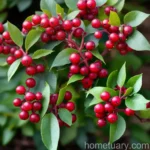
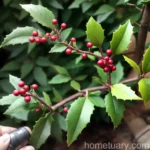
Ilex verticillata Berry Heavy�, also known as Winterberry, is a deciduous holly that belongs to the Aquifoliaceae family. This shrub is native to eastern North America and is known for its vibrant red berries, which make it a popular choice for landscapes and gardens, especially during the winter months. It is a diverse and adaptable plant that thrives in various environmental conditions, making it a valuable addition to any garden or natural setting.
Key Takeaways: Ilex verticillata Berry Heavy� (Winterberry)
Before diving into the specific details of Winterberry’s care and cultivation, let’s explore some key takeaways that will help you understand and appreciate this remarkable plant.
-
Winterberry Shrub: Ilex verticillata Berry Heavy� is a type of winterberry shrub that produces an abundance of bright red berries, adding a splash of color to the winter landscape.
-
Cultivar and Variety: It is a specific cultivar and variety of Ilex verticillata, distinguished by its prolific berry production and robust growth habit.
-
Landscape Plant: Winterberry is commonly used as a landscape plant, thanks to its ornamental berries and attractive foliage.
-
Adaptability: It is known for its ability to thrive in various soil types and moisture conditions, making it a resilient and adaptable plant.
-
Fruit Production: The berries of Ilex verticillata Berry Heavy� are a valuable food source for birds during the winter months, contributing to the ecological significance of the plant.
Now that we have an overview of Winterberry, let’s delve deeper into its culture, uses, and care requirements to understand how to nurture this stunning shrub.
Culture
Understanding the cultural requirements of Ilex verticillata Berry Heavy� is essential for ensuring its optimal growth and development. From water and sunlight to soil and fertilization, each aspect of its culture contributes to the overall health and vitality of the plant.
Water
Proper watering is crucial for the health and vitality of Ilex verticillata Berry Heavy�. While it is a relatively adaptable plant when it comes to moisture, consistent watering is essential, especially during its establishment phase. Here are some key points to consider regarding water requirements:
-
Establishment Phase: During the first year after planting, Winterberry should be watered regularly to facilitate root establishment. Adequate moisture is necessary to support healthy growth and the development of a strong root system.
-
Moisture Tolerance: Once established, Winterberry demonstrates good tolerance to both wet and well-drained soils. It can withstand periodic inundation and is well-suited to rain gardens or areas with seasonal water fluctuation.
-
Drought Tolerance: While Winterberry can tolerate occasional dry spells, prolonged drought conditions can stress the plant and hinder berry production. Supplemental watering during extended dry periods will benefit the shrub, particularly in hot climates.
Sunlight
Sunlight plays a crucial role in the growth and fruiting of Ilex verticillata Berry Heavy�. As a deciduous holly, it requires adequate sunlight to thrive and produce an abundance of vibrant berries. Here are some key considerations related to sunlight requirements:
-
Full Sun: Winterberry performs best when grown in full sun, receiving at least 6 to 8 hours of direct sunlight per day. Adequate sun exposure promotes robust growth, abundant flowering, and an impressive berry display.
-
Partial Shade: While Winterberry can tolerate partial shade, especially in hot climates, its berry production and overall vigor may be reduced in shaded conditions. When planting in areas with partial shade, aim to provide a minimum of 4 hours of direct sunlight daily.
-
Sunlight and Fruiting: Proper sunlight exposure is essential for the development of Winterberry’s iconic red berries. Insufficient sunlight may result in sparse berry production and diminished ornamental value.
Fertilizer
Proper fertilization can enhance the growth and performance of Ilex verticillata Berry Heavy�, ensuring that it remains vigorous and capable of producing an abundance of vibrant berries. Here’s what you need to know about fertilizing Winterberry:
-
Soil Testing: Before applying fertilizer, conduct a soil test to determine the nutrient levels and pH of the planting site. This information will guide you in making informed decisions regarding fertilizer selection and application rates.
-
Balanced Fertilizer: Use a balanced, slow-release fertilizer formulated for acid-loving plants, such as rhododendrons and azaleas. Apply the fertilizer in early spring before new growth emerges, following the recommended rates provided on the product label.
-
Organic Amendments: Incorporating organic matter, such as well-aged compost or leaf mold, into the soil during planting can provide valuable nutrients and improve soil structure, promoting healthy growth and berry production.
-
Avoid Excessive Nitrogen: While Winterberry benefits from periodic fertilization, it is important to avoid excessive nitrogen, which can stimulate excessive vegetative growth at the expense of flowering and berry production.
Soil
Ilex verticillata Berry Heavy� thrives in moist, well-drained soil, with a preference for acidic conditions. Understanding its soil requirements is essential for creating an optimal growing environment for Winterberry. Here are some soil-related considerations to keep in mind:
-
Acidic Soil: Winterberry prefers acidic soils with a pH range of 4.5 to 6.5. Test the soil acidity before planting and amend it with elemental sulfur or acidic organic matter, if necessary, to lower the pH to the desired range.
-
Moisture Retention: While the soil should be well-drained, it is important to ensure that it retains sufficient moisture, especially during the establishment phase. Organic matter, such as peat moss or compost, can improve soil moisture retention and provide essential nutrients.
-
Soil Amendments: Incorporating organic amendments into the soil can enhance its fertility and structure, creating an optimal growing medium for Winterberry. Mulching with organic materials can also help maintain soil moisture and suppress weed growth.
-
Container Planting: When growing Winterberry in containers, select a well-draining potting mix designed for acid-loving plants, and ensure that the container has drainage holes to prevent waterlogging.
Pruning
Pruning plays a significant role in shaping the growth habit of Ilex verticillata Berry Heavy� and promoting healthy, vigorous growth. Proper pruning can also enhance the plant’s aesthetic appeal and manage its size. Here are some key points to consider when pruning Winterberry:
-
Timing: Prune Winterberry in late winter or early spring before new growth emerges. This timing allows you to assess the plant’s structure and remove any damaged or crossing branches effectively.
-
Thinning and Shaping: Thin out congested growth and shape the shrub to maintain an open, well-aerated canopy. This practice allows for better light penetration and air circulation, promoting overall plant health.
-
Berry Production: As Winterberry produces berries on female plants, pruning should be conducted judiciously to avoid removing flower buds or potential fruiting branches. When pruning, be mindful of preserving next season’s berry-bearing wood.
-
Renewal Pruning: Periodic renewal pruning, which involves the removal of older, unproductive stems at ground level, can rejuvenate the shrub and stimulate the growth of new, fruiting wood.
Propagation
Propagation allows gardeners to multiply their favorite Ilex verticillata Berry Heavy� plants, whether for personal enjoyment or commercial purposes. Understanding the different propagation methods is valuable for those interested in expanding their Winterberry collection. Here are some common propagation methods for Winterberry:
-
Seed Propagation: Winterberry can be propagated from seeds, although this method often requires stratification to break seed dormancy. Collect ripe berries in the fall, remove the pulp, and sow the seeds in a prepared seed bed for natural stratification over the winter months.
-
Softwood Cuttings: Propagating Winterberry from softwood cuttings offers a reliable method for producing genetically identical plants. Take 4- to 6-inch (10- to 15-cm) cuttings from actively growing shoots in late spring or early summer, treat them with rooting hormone, and root them in a well-draining propagation medium.
-
Division: Mature Winterberry plants can be divided in early spring, before the onset of new growth, to create new plants. Carefully dig up the root ball, and using a sharp, clean tool, divide it into sections, ensuring that each division has a good portion of roots and shoots.
-
Grafting: Grafting is another method used to propagate specific cultivars of Winterberry onto rootstocks, allowing for the production of plants with desirable characteristics. Whip or cleft grafting can be employed to join a scion of the desired variety onto a suitable rootstock.
Container Planting
Growing Ilex verticillata Berry Heavy� in containers can be a practical and rewarding option for individuals with limited outdoor space or those looking to create striking seasonal displays. When planting Winterberry in containers, consider the following points:
-
Container Selection: Choose a large container with drainage holes, as Winterberry has an extensive root system and requires ample space for growth. Select a high-quality potting mix designed for acid-loving plants to ensure optimal drainage and fertility.
-
Watering and Fertilization: Container-grown Winterberry may require more frequent watering, especially during hot and dry periods. Fertilize the plant with a balanced, slow-release fertilizer formulated for acid-loving plants in early spring and mid-summer, following the recommended rates.
-
Winter Protection: In regions with harsh winter conditions, consider providing winter protection for container-grown Winterberry. Shielding the container or relocating it to a sheltered area can help mitigate the effects of freezing temperatures and drying winter winds.
-
Re-potting: Periodically re-pot Winterberry to refresh the growing medium and provide additional space for root growth. A larger container may be necessary as the plant matures to accommodate its expanding root system.
Now that we’ve explored the cultural aspects of Ilex verticillata Berry Heavy�, let’s delve into its uses, focusing on its ornamental value, ecological significance, and practical applications.
Uses
Winterberry, with its captivating berries and elegant foliage, serves a variety of practical and ornamental purposes. From landscape design to wildlife support, this versatile plant contributes to both aesthetic and ecological landscapes.
-
Ornamental Value: Ilex verticillata Berry Heavy� is prized for its striking red berries, which persist on the bare branches throughout the winter months. It serves as a focal point in winter gardens and landscapes, adding a pop of color when many other plants are dormant.
-
Cut Branches: The vibrant branches of Winterberry are popular for use in floral arrangements and decorations, particularly during the holiday season. The bright red berries and glossy green foliage add a festive touch to wreaths, centerpieces, and other decorative displays.
-
Wildlife Habitat: The berries of Winterberry provide a vital food source for birds, especially during the winter when natural food supplies are scarce. Planting Winterberry in wildlife-friendly gardens or natural areas can help support bird populations by providing nourishment and shelter.
-
Erosion Control: With its dense, fibrous root system and tolerance for moist soils, Winterberry can be utilized for erosion control along stream banks, pond edges, and other areas prone to soil erosion. Its resilience and adaptability make it a valuable asset in conservation and restoration projects.
-
Seasonal Interest: In addition to its winter appeal, Winterberry offers seasonal interest throughout the year. Its glossy green foliage and white spring blossoms contribute to the visual appeal of the plant in spring and summer, further enhancing its ornamental value.
-
Pollinator Support: The flowers of Winterberry attract pollinators such as bees and butterflies, contributing to the ecological diversity and vitality of the landscape. By providing a nectar source for pollinators, Winterberry plays a role in supporting local ecosystems.
As we’ve explored the various uses of Ilex verticillata Berry Heavy�, it’s evident that this plant offers a multitude of benefits, from aesthetic enhancement to ecological support. Next, we’ll delve into the diagnostic aspects of common diseases, pests, and their management to ensure the optimal health of Winterberry plants.
Common Diseases
Like any plant, Ilex verticillata Berry Heavy� is susceptible to certain diseases that can affect its vigor and appearance. Understanding the symptoms, causes, and management strategies for common diseases is essential for maintaining the health and resilience of Winterberry.
Disease Diagnosis
Leaf Spot (Genus: Pseudomonas and other pathogens): Leaf spot diseases, caused by various fungal and bacterial pathogens, can manifest as dark spots or lesions on the foliage of Winterberry. These spots may vary in size and color, often appearing as brown or black lesions with irregular margins. Leaf spot can lead to premature leaf drop and affect the overall aesthetic appeal of the plant.
Powdery Mildew (Genus: Erysiphales): Powdery mildew, characterized by a white, powdery growth on leaves and stems, can affect Winterberry, particularly in conditions of high humidity and poor air circulation. Infected foliage may become distorted, and severe cases can lead to reduced vigor and stunted growth.
Anthracnose (Genus: Colletotrichum and other pathogens): Anthracnose diseases can cause various symptoms on Winterberry, including leaf blight, stem cankers, and fruit rot. Infected tissues may show dark, sunken lesions, and in severe cases, defoliation and dieback can occur.
Disease Management
-
Cultural Practices: Good cultural practices, such as proper watering, adequate sunlight, and appropriate spacing between plants, can promote vigor and enhance Winterberry’s ability to resist disease. Avoid overhead watering, which can create moist conditions favoring disease development.
-
Pruning: Practice regular pruning to remove and discard infected plant materials, promoting air circulation and reducing the spread of diseases such as powdery mildew and leaf spot.
-
Fungicide Applications: In severe cases of fungal diseases, fungicides labeled for use on ornamental plants can be applied according to the manufacturer’s instructions. Consult local extension services or certified professionals for specific recommendations on fungicide selection and use.
-
Site Selection: When planting new specimens, choose a site with good air circulation and avoid locations prone to prolonged leaf wetness, which can contribute to the development of fungal diseases.
By being vigilant and implementing appropriate management strategies, gardeners can maintain the health and vitality of Ilex verticillata Berry Heavy�, ensuring that it remains an attractive and resilient addition to the landscape.
Common Pests
In addition to diseases, certain pests can pose challenges to the well-being of Ilex verticillata Berry Heavy�. Understanding the signs of pest infestations, as well as management techniques, is crucial for preventing and mitigating pest-related issues.
Pest Identification
Aphids (Family: Aphididae): Aphids are small, soft-bodied insects that feed on plant sap, often congregating on the undersides of leaves. Infestations can lead to distorted growth, yellowing of foliage, and the secretion of sticky honeydew.
Scale Insects (Superfamily: Coccoidea): Scale insects can be found on the stems and leaves of Winterberry, appearing as small, immobile bumps. Severe infestations can lead to weakened growth, yellowing of foliage, and the development of sooty mold on honeydew excretions.
Spider Mites (Family: Tetranychidae): Spider mites are tiny arachnids that feed on plant sap, causing stippling, discoloration, and the development of fine webbing on the foliage. Infestations can lead to reduced vigor and increased susceptibility to environmental stress.
Pest Management
-
Natural Predators: Encourage the presence of natural predators, such as ladybugs and lacewings, which feed on aphids and other soft-bodied pests. By supporting beneficial insects, gardeners can establish a natural ecological balance within the landscape.
-
Horticultural Oils: Horticultural oils can be applied as a non-toxic method to smother and suffocate pests such as scale insects and spider mites. Ensure thorough coverage of the affected plant parts, following the product label instructions.
-
Water Spray: Regularly spraying the foliage with a strong stream of water can help dislodge and reduce aphid and mite populations. This physical removal method can be effective, particularly in the early stages of an infestation.
-
Pest Monitoring: Regularly inspect Winterberry for signs of pest activity, such as distorted growth, stippling, or the presence of sticky honeydew. Early detection allows for timely intervention and prevents pest populations from reaching damaging levels.
By actively monitoring for pests and implementing appropriate control measures, gardeners can protect the health and appearance of their Ilex verticillata Berry Heavy� plants, ensuring that they remain free from pest-related issues.
Botanist’s Tips
As a plant scientist, I am excited to share some valuable tips for growing and caring for Ilex verticillata Berry Heavy� based on scientific research and practical experience. These tips are designed to help enthusiasts and gardeners achieve success in cultivating this beautiful and resilient plant.
-
Companion Planting: When selecting companion plants for Winterberry, consider associating it with other native species that provide complementary benefits for wildlife and aesthetics. Native grasses, such as Panicum virgatum (switchgrass), and perennial wildflowers, such as Echinacea purpurea (purple coneflower), can create a diverse and ecologically beneficial planting scheme.
-
Bird-Friendly Landscaping: Incorporate Winterberry into bird-friendly landscapes by providing additional habitat features, such as bird feeders, bird baths, and sheltering vegetation. By creating a hospitable environment, you can attract and support diverse bird species while also enjoying the vibrant display of Winterberry.
-
Seasonal Variation: Embrace the seasonal variation of Winterberry by using it as a focal point in winter gardens and incorporating it into seasonal displays. When planning the landscape, consider the visual impact of Winterberry against a backdrop of evergreen foliage or snow, creating a picturesque winter scene.
-
Maintenance Pruning: Regular maintenance pruning, such as the removal of dead or damaged wood and the thinning of congested growth, helps promote the health and vitality of Winterberry. Periodic pruning also allows for the removal of older, unproductive stems, encouraging the growth of vigorous, fruiting wood.
-
Ecological Benefits: Recognize the ecological significance of Winterberry as a food source for birds and as a contributor to biodiversity. By valuing and promoting the ecological benefits of Winterberry, gardeners can enhance the sustainability and functionality of their landscapes.
Fun Facts
Explore some fascinating and delightful facts about Ilex verticillata Berry Heavy� (Winterberry) that showcase the plant’s unique characteristics and cultural significance.
- Cultural Traditions: In some indigenous cultures, the berries of