Ilex Verticillata (Winterberry)
Welcome to the world of Ilex verticillata, more commonly known as Winterberry. This vibrant and versatile shrub is a favorite among plant enthusiasts for.
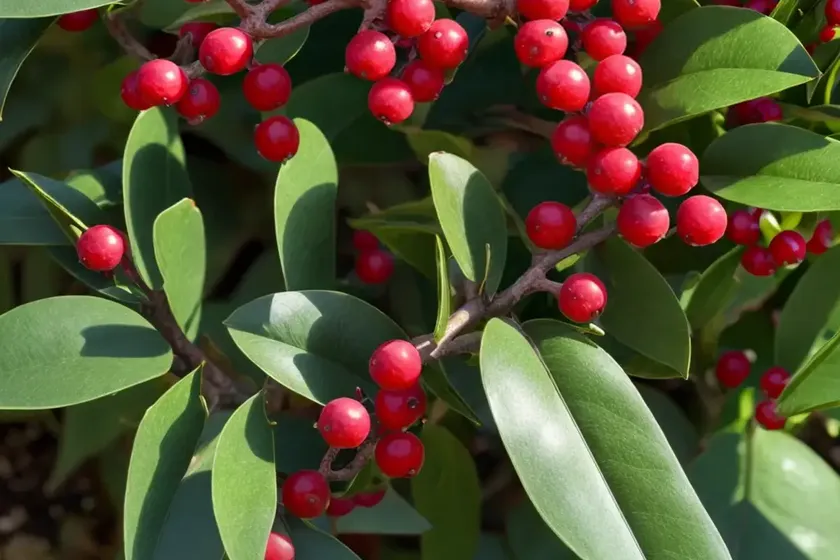
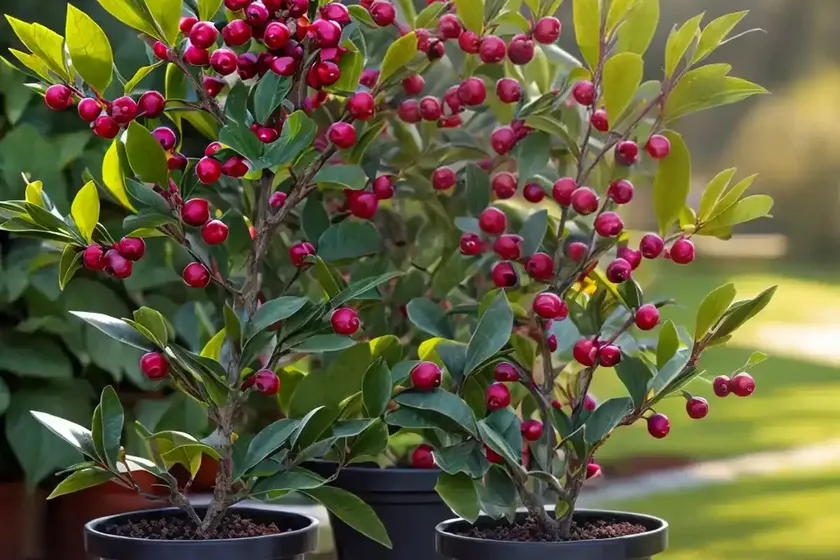
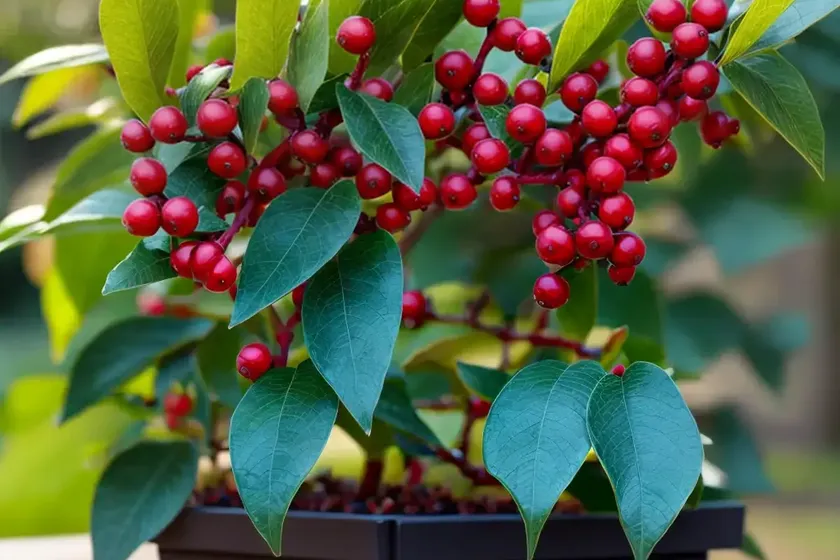
Welcome to the world of Ilex verticillata, more commonly known as Winterberry. This vibrant and versatile shrub is a favorite among plant enthusiasts for its dazzling display of bright red berries during the winter months. In this comprehensive guide, we will delve into the various aspects of Winterberry, from its cultural requirements and uses to its propagation and common pests. Whether you are a seasoned gardener or a beginner looking to enhance your green thumb, the following information will equip you with the knowledge needed to cultivate and appreciate the beauty of Ilex verticillata.
What is Ilex verticillata (Winterberry)?
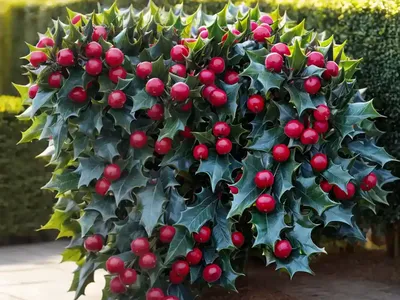
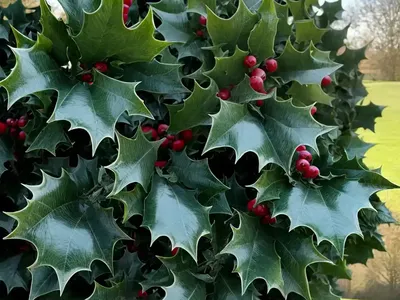
Ilex verticillata, a member of the holly family, is a deciduous holly native to eastern North America. It is valued for its vibrant display of berries, which adorn the bare branches in the winter, adding a burst of color to the frosty landscape. The lustrous red berries persist through the cold season, making Winterberry a sought-after plant for winter interest and holiday decorations.
With a diverse range of cultivars and varieties available, Winterberry offers options that cater to different landscape designs and gardening preferences. Whether used as a standalone ornamental shrub or incorporated into mixed borders, its visual appeal and ecological benefits make it a popular choice for both residential and commercial landscapes.
Key Takeaways – Ilex verticillata (Winterberry)
Culture
- Hardiness: Winterberry is known for its exceptional cold hardiness and can thrive in USDA hardiness zones 3 to 9, making it suitable for a wide geographic area.
- Mature Size: It typically reaches a height and spread of 6 to 15 feet, depending on the variety and environmental conditions.
- Berries: The vibrant red berries are produced on female plants, and a male pollinator is required for fruit set.
- Deciduous: Winterberry is a deciduous shrub, shedding its leaves in the fall and showcasing its berries throughout the winter months.
Uses
- Ornamental: It is primarily grown for its ornamental value, particularly during the winter season when the berries steal the show.
- Wildlife Attraction: The berries serve as a vital food source for birds during the winter, making it a valuable plant for supporting local wildlife.
- Cut Branches: The cut branches with berries are often used in floral arrangements and holiday decorations, adding a festive touch to indoor spaces.
Water
- Established Plants: Once established, Winterberry is generally tolerant of drought conditions, but regular watering is essential, especially during prolonged dry spells.
Sunlight
- Full Sun to Partial Shade: Winterberry thrives in full sun to partial shade conditions, with a preference for at least 6 hours of direct sunlight per day for optimal berry production.
Fertilizer
- Minimal Fertilization: Winterberry typically does not require heavy fertilization, especially if planted in nutrient-rich soil. A balanced fertilizer may be applied in early spring if the plant shows signs of nutrient deficiency.
Soil
- Moist, Acidic Soil: Winterberry prefers moist, well-drained, acidic soil, with a pH range of 4.5 to 6.5. Amending the soil with organic matter can improve its texture and drainage.
Pruning
- Pruning Schedule: Prune Winterberry in late winter or early spring before new growth emerges. Selective pruning can help maintain the desired shape and size while promoting vigorous new growth and berry production.
Propagation
- Propagation Methods: Winterberry can be propagated through seeds, stem cuttings, or division. Each method has its advantages and best practices for success.
Container Popularity
- Container Gardening: Many Winterberry varieties are well-suited to container gardening, allowing them to be showcased on patios, decks, and balconies for winter interest and a splash of color.
Common Diseases
- Leaf Spot: Some varieties of Winterberry may be susceptible to leaf spot diseases, which can be managed through cultural practices and, if necessary, fungicidal treatments.
Disease Diagnosis
- Visual Inspection: Careful examination of the foliage, stems, and berries can help diagnose potential diseases or infections. Prompt action is crucial to mitigate the spread and impact on the plant’s health.
Common Pests
- Scale Insects: Certain species of scale insects may pose a threat to Winterberry, particularly when it is stressed or growing in suboptimal conditions. Regular monitoring and integrated pest management strategies are key to controlling these pests.
Botanist’s Tips
- Planting Companions: Pair Winterberry with evergreen plants, such as conifers and broadleaf evergreens, to create a striking contrast and ensure visual interest throughout the year.
Fun Facts
- Native Beauty: Winterberry is cherished for its status as a native plant, contributing to the ecological integrity of local ecosystems and supporting native wildlife populations.
- Winter Interest: Unlike many plants that fade into dormancy during the winter, Winterberry shines brightly with its colorful berries, adding a touch of vibrancy to the winter landscape.
Links to External Resources
For more information on Winterberry care, cultivation, and landscape applications, consider exploring the following resources:
– The American Holly Society
– United States Department of Agriculture – Plants Database
– The Native Plant Trust
– The Morton Arboretum – Ilex verticillata
As a plant scientist and enthusiast, I encourage you to consider integrating Ilex verticillata into your landscape for its exceptional winter appeal and ecological benefits. Whether you are drawn to its festive foliage, wildlife support, or native plant status, Winterberry has something to offer for every season. With the right care and attention, this stunning shrub can transform your winter garden into a vibrant and captivating masterpiece. Happy gardening!
In this guide, we have explored the dynamic world of Ilex verticillata, shedding light on its cultural requirements, uses, propagation methods, potential challenges, and botanical insights. As a plant scientist, it is evident that the allure of Winterberry extends far beyond its striking red berries, encompassing ecological significance, landscape versatility, and horticultural interest. By applying the knowledge and tips provided in this guide, you can embark on a journey to cultivate, appreciate, and celebrate the seasonal beauty of Ilex verticillata in your own garden or landscape.