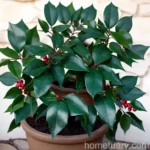
Ilex verticillata Berry Heavy Gold (Winterberry): A Complete Guide
Ilex verticillata Berry Heavy Gold, also known as Winterberry, is a stunning deciduous holly shrub that adds vibrancy to winter landscapes. Its golden-yellow berries persist throughout the winter, making it a favorite among gardeners and landscapers. In this comprehensive guide, we will delve into the culture, uses, propagation, and maintenance of Ilex verticillata Berry Heavy Gold.
What is Ilex verticillata Berry Heavy Gold?
Ilex verticillata Berry Heavy Gold, commonly known as Winterberry, is a native plant to eastern North America. It belongs to the family Aquifoliaceae and is a dioecious shrub, which means it has separate male and female plants. This plant is treasured for its bright, persistent berries, which emerge in the fall and remain throughout the winter, providing a brilliant pop of color against the backdrop of snow.
Ilex verticillata Berry Heavy Gold is a slow-growing, multi-stemmed deciduous shrub that typically reaches a height and spread of 5 to 8 feet. It is known for its excellent branching and rich golden-yellow berries that appear in abundance. This cultivar is prized for its tolerance to wet soils, making it an excellent choice for rain gardens and areas with poor drainage.
In the following sections, we will explore the cultivation and care of Ilex verticillata Berry Heavy Gold, elucidating its water, sunlight, fertilizer, soil, pruning, propagation, and container requirements. Furthermore, we will delve into the prevalent diseases and pests that affect this shrub, along with a botanist’s tips and fun facts about this remarkable winter plant.
Key Takeaways – Ilex verticillata Berry Heavy Gold
Before we move forward, here are some key takeaways about Ilex verticillata Berry Heavy Gold:
- Winterberry shrub with persistent golden-yellow berries during winter
- Dioecious in nature, with separate male and female plants
- Slow-growing, multi-stemmed deciduous shrub reaching a height and spread of 5 to 8 feet
- Tolerant of wet soils, suitable for rain gardens and areas with poor drainage
- Adds vibrancy and color to winter landscapes
- Prized by gardeners and landscapers for its ornamental appeal during the winter months
Now, let’s delve into the various aspects of the culture and maintenance of Ilex verticillata Berry Heavy Gold.
Culture
Water
Ilex verticillata Berry Heavy Gold thrives in moist, well-drained soils. Adequate moisture is essential, especially during the establishment phase. Once established, it is relatively drought tolerant but performs best when provided with consistent moisture. In hot and dry climates, regular watering is crucial to ensure the shrub’s health and vitality.
Sunlight
This winterberry shrub prefers full sun to partial shade. While it can tolerate some shade, providing it with full sun exposure will result in the most abundant display of berries. When planted in partial shade, the berry production may be slightly reduced, but the shrub will still exhibit a remarkable ornamental appeal during the winter.
Fertilizer
Ilex verticillata Berry Heavy Gold generally does not require frequent fertilization if planted in nutrient-rich soils. However, if the soil is deficient in nutrients, a slow-release balanced fertilizer can be applied in spring to support healthy growth and berry production. It is important to follow the manufacturer’s recommendations and avoid over-fertilization, which can lead to excessive vegetative growth at the expense of berry production.
Soil
The ideal soil for Ilex verticillata Berry Heavy Gold is moist, acidic, and well-drained. It thrives in organically rich soils that retain moisture without becoming waterlogged. Additionally, this shrub demonstrates a remarkable tolerance for wet soils, making it suitable for planting in low-lying areas, near ponds, or in rain gardens.
Pruning
Proper pruning is essential for maintaining the shape, health, and berry production of Ilex verticillata Berry Heavy Gold. Pruning should ideally be carried out in late winter to early spring before new growth emerges. It is recommended to remove any dead, damaged, or diseased branches, as well as any crossing or crowded branches to improve air circulation within the canopy.
When pruning to enhance berry production, it is important to remember that only female plants produce berries. To ensure an abundant berry display, it is beneficial to plant at least one male Winterberry shrub in close proximity to the female plants for pollination. The ratio of male to female plants can vary depending on the specific cultivars and the desired berry yield.
Propagation
Ilex verticillata Berry Heavy Gold can be propagated through various methods, including seed propagation, softwood cuttings, and hardwood cuttings. Here are some guidelines for each propagation method:
-
Seed Propagation: Collect ripe berries in the fall and extract the seeds. Stratify the seeds by storing them in a moist, cold environment for a few months to mimic natural winter conditions. Once stratification is complete, sow the seeds in a well-draining growing medium and provide adequate moisture and indirect sunlight. Germination typically occurs within several weeks to a few months.
-
Softwood Cuttings: Softwood cuttings can be taken from the current season’s growth in late spring to early summer. Choose healthy, non-flowering stems and cut them to a length of 4 to 6 inches. Remove the lower leaves, dip the cut end in a rooting hormone, and plant the cutting in a well-draining rooting medium. Keep the medium consistently moist and provide bottom heat, if possible, to facilitate root development.
-
Hardwood Cuttings: Hardwood cuttings are best taken in late winter when the shrub is dormant. Select healthy, mature stems and cut them into 6 to 8-inch sections. Dip the cut end in rooting hormone, and insert the cuttings into a well-draining medium. Keep the medium moist and place the cuttings in a protected area with indirect light. Rooting typically occurs within a few months, and the cuttings can be transplanted once they have established a robust root system.
Container Popularity
Ilex verticillata Berry Heavy Gold is well-suited for container cultivation, allowing it to be showcased on patios, decks, and other outdoor living spaces. Its compact size, ornamental berries, and tolerance for moist soils make it an excellent choice for container gardening. When growing Winterberry in containers, it is essential to select a large container with adequate drainage holes and use a high-quality potting mix that provides sufficient aeration and moisture retention.
Container Common Diseases
While Ilex verticillata Berry Heavy Gold is relatively resilient to diseases, there are a few common issues that may affect the shrub when grown in containers. These include:
-
Root Rot: Overly wet soil conditions in containers can lead to root rot, caused by fungal pathogens. To prevent root rot, ensure proper drainage in the container and avoid overwatering.
-
Powdery Mildew: In humid and poorly ventilated environments, the foliage of Winterberry may be susceptible to powdery mildew, resulting in a white powdery coating on the leaves. To mitigate powdery mildew, provide adequate spacing between the plants to enhance air circulation and avoid overhead watering.
-
Leaf Spot: Fungal leaf spot diseases can occur in containers if the foliage remains wet for prolonged periods. To reduce the risk of leaf spot, water the plant at the base to keep the foliage dry and promote good air circulation around the shrub.
Disease Diagnosis
Diagnosing diseases in Ilex verticillata Berry Heavy Gold involves careful observation of the plant’s foliage, stems, and overall growth. Common symptoms of diseases include abnormal leaf discoloration, wilting, leaf spots, powdery coatings, or unusual growth patterns. It is important to promptly address any signs of disease by implementing appropriate cultural practices, such as adjusting watering schedules, improving air circulation, and maintaining proper plant hygiene.
In severe cases where the shrub is affected by a persistent disease, it may be necessary to apply targeted fungicidal treatments to mitigate the spread of the disease. Selecting disease-resistant cultivars and providing optimal growing conditions can significantly reduce the incidence of diseases in Ilex verticillata Berry Heavy Gold.
Common Pests
Ilex verticillata Berry Heavy Gold is generally resistant to most pests, but it may occasionally encounter pest issues, such as:
-
Aphids: These small, pear-shaped insects can cluster on the undersides of the foliage and excrete honeydew, leading to sooty mold growth. Aphids can be dislodged with a strong stream of water or controlled with insecticidal soaps or horticultural oils.
-
Scale Insects: Scale insects may attach themselves to the stems or leaves of the shrub and feed on the plant’s sap, resulting in weakened growth. Depending on the severity of the infestation, scale insects can be physically removed from the plant or controlled with horticultural oils.
-
Spider Mites: Spider mites are tiny arachnids that feed on the plant’s sap, causing stippling and discoloration of the foliage. Regularly misting the foliage and maintaining adequate humidity levels can help deter spider mite infestations.
Botanist’s Tips
For optimal growth and berry production of Ilex verticillata Berry Heavy Gold, consider the following botanist’s tips:
-
Planting Considerations: When selecting a location for planting Winterberry, choose an area with well-draining, acidic soil and adequate sunlight to promote robust growth and prolific berry production.
-
Pollination Assistance: Due to the dioecious nature of Ilex verticillata Berry Heavy Gold, ensure the presence of at least one male plant in close proximity to the female plants to facilitate effective pollination and abundant berry formation.
-
Pruning Guidelines: Prune the shrub in late winter or early spring to remove dead or damaged branches, enhance air circulation, and promote strong, healthy growth. Consider planting multiple cultivars to extend the berry display period.
-
Container Care: When growing Winterberry in containers, select a spacious container with proper drainage and use a high-quality potting mix to provide essential nutrients and moisture for the shrub.
-
Disease Prevention: Monitor the shrub regularly for signs of diseases and pests, and promptly address any issues to maintain the health and vigor of the plant. Adopting proactive disease prevention measures, such as ensuring proper air circulation and avoiding overwatering, can help minimize disease incidence.
Fun Facts
-
American Holly: Ilex verticillata Berry Heavy Gold belongs to the same genus as the American Holly (Ilex opaca) and shares similar characteristics with its evergreen relative. Both plants are known for their distinctive red berries, which play a vital role in providing food for wildlife during the winter months.
-
Wildlife Habitat: Winterberry shrubs serve as essential food sources for birds and other wildlife, offering nourishment and contributing to the biodiversity of natural habitats. The bright berries are a valuable source of nutrition for various bird species, including robins, bluebirds, and cedar waxwings.
-
Holiday Decor: In addition to its ecological significance, the vibrant berries of Ilex verticillata Berry Heavy Gold are often used in holiday decorations, adding a festive touch to wreaths, centerpieces, and floral arrangements during the winter season.
-
Historical Uses: Native American tribes utilized various parts of the Ilex verticillata plant, including the bark and leaves, for medicinal purposes. The berries were employed as a source of red dye for textiles and decorative items.
Links to External Resources
For additional information about Ilex verticillata Berry Heavy Gold, Winterberry plants, and related topics, explore the following external resources:
- The American Holly: A Comprehensive Guide
- Native Plants for Wildlife Habitat and Conservation Landscaping
- Winter Landscaping with Ornamental Shrubs
- Gardening in Containers: Tips for Success
In conclusion, Ilex verticillata Berry Heavy Gold, or Winterberry, is a remarkable shrub that adds beauty and color to winter landscapes with its luminous golden-yellow berries. By understanding its culture, maintenance requirements, propagation methods, and ecological significance, gardeners and nature enthusiasts can appreciate the unique charm and ecological value of this native plant. Whether planted in gardens, naturalized landscapes, or containers, Winterberry contributes to the vitality of the natural world and brings joy to those who admire its vibrant display during the winter season.