Iris Tenax (Toughleaf Iris)
Plants are a fascinating aspect of the natural world, with an endless array of species that exhibit unique characteristics and serve various purposes..
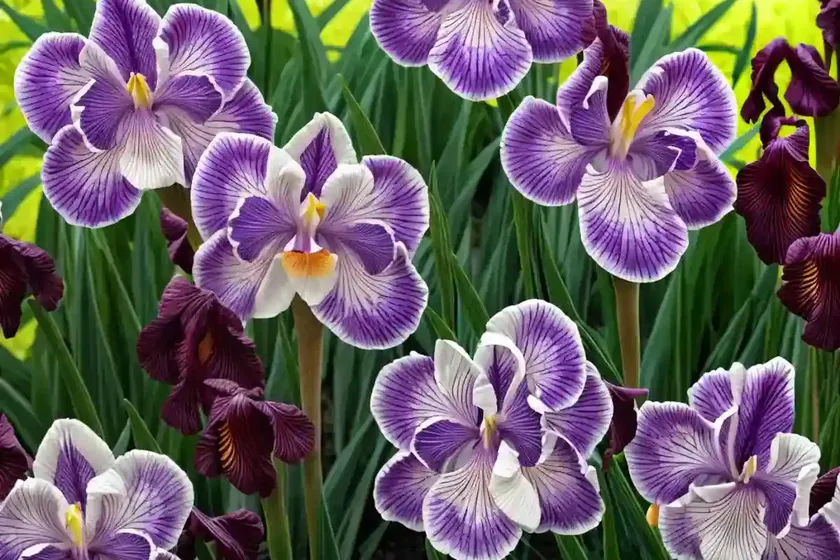
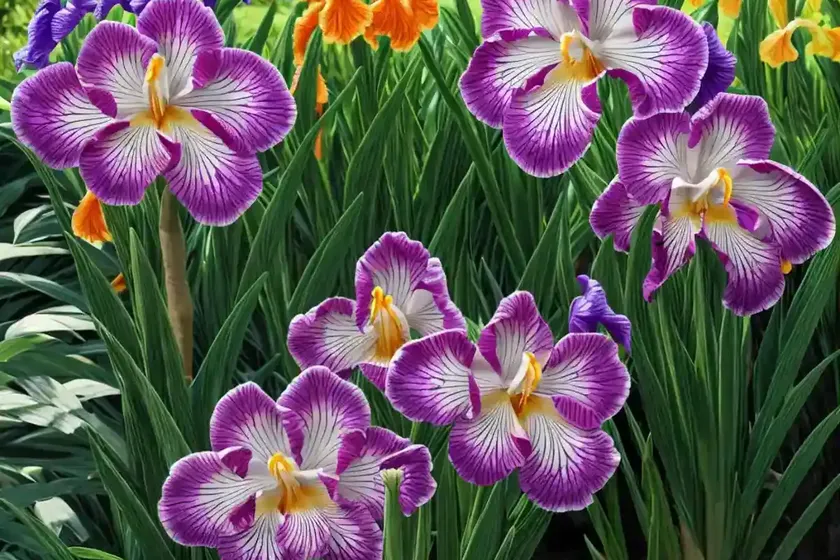
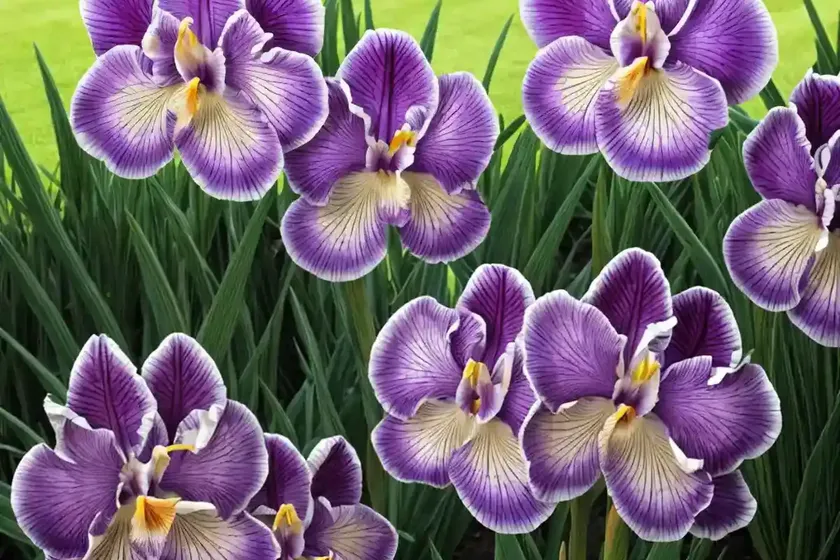
Plants are a fascinating aspect of the natural world, with an endless array of species that exhibit unique characteristics and serve various purposes. Among these diverse botanical wonders is the Iris tenax, commonly known as the Toughleaf Iris. In this comprehensive guide, we will delve into the intriguing world of Iris tenax – its characteristics, cultivation, maintenance, and much more.
What is Iris tenax (Toughleaf Iris)?
Iris tenax is a resilient and visually captivating perennial plant species that belongs to the Iridaceae family. Native to western North America, particularly the coastal regions of Oregon and northern California, this plant thrives in a range of habitats, including coniferous forests, meadows, and even coastal cliffs. The Toughleaf Iris is renowned for its slender, sword-like leaves and stunning flowers, making it a favorite among gardeners and horticulturists. Its adaptability to various environmental conditions and its aesthetic appeal have contributed to its popularity in horticultural and landscaping endeavors.
Key Takeaways – Iris tenax (Toughleaf Iris)
Before delving into the specifics of growing and caring for Iris tenax, let’s explore some key takeaways about this remarkable plant species:
- Scientific Name: Iris tenax
- Common Name: Toughleaf Iris
- Family: Iridaceae
- Origin: Western North America (Oregon, northern California)
- Habitat: Coniferous forests, meadows, coastal cliffs
- Notable Features: Slender, sword-like leaves; striking flowers
- Growth Type: Perennial
Now that we have a brief understanding of the Toughleaf Iris, let’s dive into the intricacies of cultivating and nurturing this captivating plant.
Culture
Understanding the cultural requirements of Iris tenax is essential for its successful growth and development. From soil preferences to water requirements, each aspect plays a crucial role in ensuring the plant’s health and vitality.
Uses
The Toughleaf Iris serves various purposes, both in natural environments and cultivated landscapes. Some of its primary uses include:
- Ornamental Purposes: Iris tenax’s striking flowers and distinctive foliage make it a popular choice for ornamental gardening and landscaping.
- Habitat Enhancement: In its natural habitat, Iris tenax contributes to the biodiversity of ecosystems, serving as a vital component of native flora.
Water
Proper watering is essential for the health and vigor of Iris tenax. Understanding the plant’s water requirements is crucial for maintaining optimal growth and flowering.
Iris tenax Water Requirements:
– Established Plants: Once established, Iris tenax demonstrates a good level of drought tolerance. However, regular watering is essential during prolonged dry spells, particularly in warmer climates.
– Young Plants: Newly planted Iris tenax specimens benefit from more frequent watering to aid in their establishment.
Sunlight
Sunlight plays a pivotal role in the growth and flowering of Iris tenax. Understanding its sunlight needs is essential for ensuring robust and vibrant plants.
Iris tenax Sunlight Needs:
– Full Sun: Iris tenax thrives in full sun to partial shade. Providing adequate sunlight is crucial for promoting healthy flowering and foliage development.
– Shade Tolerance: While the Toughleaf Iris prefers ample sunlight, it exhibits a degree of tolerance to partial shade, making it adaptable to a variety of garden settings.
Soil
The soil composition significantly affects the growth and overall health of Iris tenax. Understanding the plant’s soil preferences is crucial for providing an optimal growing environment.
Iris tenax Soil Preferences:
– Well-Drained Soil: Iris tenax thrives in well-drained soil, and it is essential to avoid waterlogged conditions to prevent root rot and other issues.
– Organic Matter: Incorporating organic matter into the soil, such as compost or well-rotted manure, can enhance its fertility and structure, benefiting the growth of Iris tenax.
Fertilizer
Proper fertilization can bolster the growth and flowering of Iris tenax, ensuring healthy and vigorous plants.
Iris tenax Fertilization:
– Balanced Fertilizer: Applying a balanced, all-purpose fertilizer in spring can provide the necessary nutrients for promoting robust growth and blooming.
– Frequency: Fertilizing Iris tenax once in the early spring, when new growth begins, is generally sufficient to support its development.
Pruning
Pruning plays a crucial role in maintaining the health and aesthetic appeal of Iris tenax. Proper pruning practices can help manage the plant’s growth and enhance its appearance.
Iris tenax Pruning Techniques:
– Deadheading: Removing spent flowers can promote continuous blooming and prevent the formation of seeds, redirecting the plant’s energy towards vegetative growth.
– Trimming: Trimming back any damaged or withered foliage can help maintain the plant’s tidy appearance and encourage new growth.
Propagation
Propagation methods enable the expansion of Iris tenax populations, allowing for the cultivation of new plants from existing specimens.
Iris tenax Propagation:
– Division: Dividing established clumps of Iris tenax in early spring can be an effective method of propagation, yielding new plants that can be transplanted to desired locations.
– Seeds: Propagating Iris tenax from seeds is also possible, although it requires patience as the germination process may take time.
Container Popularity
The Toughleaf Iris is well-suited for cultivation in containers, adding a splash of color and elegance to various indoor and outdoor settings.
Container Cultivation: Iris tenax can thrive in containers, allowing gardeners to appreciate its beauty on patios, balconies, and other confined spaces. Choosing a suitable potting mix and ensuring proper drainage are essential for successful container cultivation.
Common Diseases
Like any plant, Iris tenax is susceptible to certain diseases that can affect its health and vitality. Understanding these common diseases and their diagnosis is crucial for effective management.
Disease Diagnosis
It is essential to be vigilant for signs of potential diseases that may affect Iris tenax. Some common diseases include:
- Bacterial Soft Rot: This disease may manifest as rotting or wilting of the plant’s foliage and can be diagnosed through visual inspection and noting any foul odors emanating from affected areas.
- Leaf Spot: Characterized by the appearance of spots or lesions on the leaves, leaf spot diseases can be identified through careful observation of the foliage.
Common Pests
Pest infestations can pose a threat to the health and vitality of Iris tenax. Identifying common pests and implementing appropriate control measures is crucial for protecting the plants.
Common Pests:
– Aphids: These small, sap-sucking insects can congregate on the tender shoots and leaves of Iris tenax, potentially causing damage to the plant.
– Thrips: Infestations of thrips may lead to distorted or discolored foliage, necessitating prompt intervention to prevent significant damage.
Botanist’s Tips
Here are some valuable tips for cultivating and caring for Iris tenax, gleaned from the insights of experienced botanists and horticulturists:
- Selecting a Suitable Site: Choose a well-drained location with ample sunlight for planting Iris tenax, ensuring optimal growing conditions for the plant.
- Mulching: Applying a layer of organic mulch around the base of the plant can help conserve moisture and suppress weed growth, benefiting the overall health of Iris tenax.
Fun Facts
Let’s explore some fascinating and lesser-known facts about Iris tenax:
- The species name “tenax” is derived from the Latin word for “tough” or “tenacious,” which aptly describes the plant’s resilient nature.
- Indigenous communities have historically utilized Iris tenax for various purposes, including the weaving of its strong, durable leaves to create baskets and other items.
Links to External Resources
To further expand your knowledge and appreciation of Iris tenax, consider exploring the following external resources:
In conclusion, Iris tenax, or the Toughleaf Iris, stands as a captivating and resilient plant species that enriches both natural ecosystems and cultivated landscapes. Its striking appearance, coupled with its adaptability and cultural significance, makes it a noteworthy addition to any garden or natural habitat.
By delving into the intricacies of Iris tenax cultivation, we can gain a deeper understanding of this remarkable plant species, enabling us to cultivate and appreciate it to its fullest potential. Whether you are a seasoned gardener or a novice enthusiast, the allure of the Toughleaf Iris is sure to captivate and inspire a deeper appreciation for the botanical wonders that grace our world.
I hope you enjoyed this comprehensive guide to Iris tenax and gleaned valuable insights into its cultivation and care. Here’s to the enduring beauty and resilience of the Toughleaf Iris – a botanical treasure that continues to enchant and enrich our natural landscapes.


