Hymenocallis x festalis ‘Zwanenburg’ (Peruvian Daffodil): A Comprehensive Guide
Hymenocallis x festalis ‘Zwanenburg’, commonly known as the Peruvian Daffodil, is a stunning flowering plant that belongs to the Amaryllidaceae family. This plant is renowned for its elegant and fragrant white blooms, making it a popular choice for gardens, landscapes, and even indoor spaces.
In this comprehensive guide, we will delve into the various aspects of caring for and cultivating Hymenocallis x festalis ‘Zwanenburg’. From its cultural requirements and preferred growing conditions to its uses in landscaping and essential maintenance practices, we will cover it all. Furthermore, we will explore the plant’s unique characteristics, potential issues, and practical tips for ensuring its healthy growth. So, whether you are a seasoned gardener or just beginning your journey with plants, this guide will equip you with the knowledge and insight needed to nurture and appreciate the beauty of the Peruvian Daffodil.
What is Hymenocallis x festalis ‘Zwanenburg’ (Peruvian Daffodil)?
Before we dive into the specifics of caring for the Peruvian Daffodil, let’s take a moment to understand this remarkable plant at a fundamental level. Hymenocallis x festalis ‘Zwanenburg’ is a hybrid plant that combines the best traits of its parent species from the Hymenocallis genus. This genus comprises numerous species that are commonly referred to as “spider lilies” due to their characteristic floral structure.
Key Takeaways – Hymenocallis x festalis ‘Zwanenburg’ (Peruvian Daffodil)
To provide a comprehensive understanding of the Peruvian Daffodil, here are the key takeaways pertaining to its care, cultivation, and unique attributes:
- Plant Name: Hymenocallis x festalis ‘Zwanenburg’ (Peruvian Daffodil)
- Cultural Uses: Landscaping, indoor decor, and cut flowers
- Water: Moderate watering, avoiding waterlogging
- Sunlight: Partial to full sunlight, shelter from intense midday sun
- Fertilizer: Balanced fertilizer during the growing season
- Soil: Well-draining, nutrient-rich soil
- Pruning: Removal of spent blooms, dead foliage, and offsets
- Propagation: Division of bulbs in early spring
- Container Popularity: Well-suited for containers and potting
- Common Diseases: Rot and fungal infections
- Common Pests: Aphids, spider mites, and bulb mites
- Fun Facts: Intriguing folklore and symbolism
Culture
Understanding the cultural requirements of Hymenocallis x festalis ‘Zwanenburg’ is essential for creating an environment that fosters its healthy growth and abundant flowering. From its historical uses to its modern-day applications, the Peruvian Daffodil holds cultural significance and practical value.
Uses
The Peruvian Daffodil is esteemed for its versatile uses, making it a sought-after addition to gardens and indoor spaces. Its primary uses include:
- Landscaping: As a perennial flowering plant, the Peruvian Daffodil adds elegance and fragrance to garden beds, borders, and mixed plantings.
- Indoor Decor: The striking white blooms of Hymenocallis x festalis ‘Zwanenburg’ make it a captivating choice for indoor arrangements, providing a touch of natural beauty to living spaces.
- Cut Flowers: The long-lasting blooms of the Peruvian Daffodil make it an ideal candidate for cut flower arrangements and floral displays, serving as a graceful centerpiece or accent.
These diverse applications showcase the plant’s adaptability and aesthetic appeal, reflecting its significance in horticultural and decorative contexts.
Water
A crucial aspect of caring for Hymenocallis x festalis ‘Zwanenburg’ is managing its water requirements. While this plant appreciates consistent moisture, it is susceptible to issues stemming from excessive water retention.
Watering Requirements
- Moderation: Providing moderate, consistent moisture is key to supporting the growth and blooming of the Peruvian Daffodil.
- Avoiding Waterlogging: Ensuring well-draining soil and preventing waterlogging is essential to prevent root rot and other water-related issues.
By striking a balance between adequate hydration and drainage, you can promote the plant’s overall health and vigor, allowing it to thrive in its environment.
Sunlight
The Peruvian Daffodil’s sunlight requirements play a pivotal role in its overall well-being, influencing its growth, blooming, and resilience to environmental stressors.
Sunlight Needs
- Partial to Full Sunlight: Hymenocallis x festalis ‘Zwanenburg’ thrives in locations with partial to full sunlight, where it can receive direct or dappled sunlight for a significant portion of the day.
- Shelter from Intense Midday Sun: Providing protection from intense midday sun, especially in regions with hot summer climates, can prevent sunscald and excessive heat stress on the plant.
Understanding and accommodating the plant’s sunlight preferences is instrumental in optimizing its performance and ensuring its longevity in the garden or landscape.
Fertilizer
Fertilization is a fundamental component of plant care, especially for flowering species like Hymenocallis x festalis ‘Zwanenburg’. By supplying essential nutrients, you can bolster the plant’s growth and floral production, enhancing its overall appeal.
Fertilizing Tips
- Balanced Fertilizer: Applying a balanced, slow-release fertilizer during the growing season can provide the necessary nutrients for robust growth and prolific flowering.
- Avoiding Excess Nitrogen: Restricting high-nitrogen fertilizers can prevent excessive foliage growth at the expense of blooming, promoting a more balanced and sustainable development.
Implementing a well-considered fertilization regimen can contribute to the Peruvian Daffodil’s vitality and flowering abundance, enriching its visual impact in the garden or landscape.
Soil
The quality and composition of the soil directly influence the plant’s ability to establish itself, access essential nutrients, and withstand environmental pressures. Understanding the soil conditions preferred by Hymenocallis x festalis ‘Zwanenburg’ is integral to its successful cultivation.
Soil Conditions
- Well-Draining Soil: Ensuring well-draining soil is imperative to prevent waterlogging and root rot, preserving the health and vigor of the Peruvian Daffodil.
- Nutrient-Rich Soil: Providing nutrient-rich soil promotes robust growth, vigorous flowering, and overall plant resilience, fostering a thriving and attractive specimen.
By addressing the plant’s soil preferences, you can create an optimal foundation for its development, positioning it for long-term success and visual splendor.
Pruning
Pruning is an essential maintenance practice for Hymenocallis x festalis ‘Zwanenburg’, enabling you to manage its appearance, health, and propagation potential effectively.
Pruning Techniques
- Removal of Spent Blooms: Deadheading spent blooms promotes a tidy appearance and redirects the plant’s energy towards future growth and flowering, extending the blooming season.
- Trimming Dead Foliage: Pruning away dead or yellowing foliage enhances the plant’s aesthetic appeal and prevents disease and pest issues associated with decaying plant material.
- Management of Offsets: Removing and replanting offsets (bulbils) from mature plants can facilitate propagation and control the plant’s spread, allowing for strategic growth management.
By incorporating prudent pruning practices into your care routine, you can optimize the Peruvian Daffodil’s visual impact, vitality, and reproductive potential, fostering its sustained excellence in the garden or landscape.
Propagation
The propagation of Hymenocallis x festalis ‘Zwanenburg’ offers an exciting opportunity to expand your plant collection or share the beauty of this species with fellow gardening enthusiasts. Understanding the process and best practices for propagation is vital for successful reproduction and establishment of new plants.
Propagation Methods
- Division of Bulbs: Dividing mature bulbs in early spring allows you to create new plantings, share the plant with others, or rejuvenate overcrowded clumps, promoting vigorous growth and flowering.
- Offset Removal: Separating offsets (bulbils) from the parent plant enables you to propagate genetically identical specimens, fostering continuity and uniformity in the plant population.
Exploring and mastering these propagation techniques can enrich your gardening experience and contribute to the preservation and proliferation of the Peruvian Daffodil, securing its presence and legacy in your horticultural endeavors.
Container Popularity
The Peruvian Daffodil’s suitability for container gardening makes it an appealing choice for individuals with limited outdoor space or a preference for versatile and manageable plantings.
Container Gardening Benefits
- Space Efficiency: Cultivating Hymenocallis x festalis ‘Zwanenburg’ in containers allows you to maximize space utilization and create captivating displays in various indoor and outdoor settings.
- Portability: Container-grown Peruvian Daffodils offer the flexibility to experiment with placement, arrangement, and design, facilitating dynamic and adaptable compositions.
- Cultural Control: In containers, you can fine-tune the growing environment, addressing specific soil, drainage, and light preferences to optimize the plant’s performance and aesthetic impact.
Embracing container gardening with the Peruvian Daffodil opens up an array of creative possibilities and practical advantages, empowering you to curate visually stunning and sustainable plant arrangements.
Common Diseases
Protecting Hymenocallis x festalis ‘Zwanenburg’ from detrimental diseases is pivotal for maintaining its health and vigor, safeguarding its capacity to thrive and bloom abundantly.
Disease Prevention
- Rot Prevention: Preventing waterlogged conditions and ensuring adequate air circulation can mitigate the risk of bulb and root rot, preserving the plant’s vitality and longevity.
- Fungal Infection Avoidance: Implementing proper watering practices and promoting soil drainage can reduce the likelihood of fungal diseases, safeguarding the plant from unsightly and damaging infections.
Vigilant disease prevention measures can fortify the Peruvian Daffodil’s resilience, allowing it to grace your garden or landscape with its enchanting blooms and enduring splendor.
Disease Diagnosis
Recognizing and addressing potential diseases affecting Hymenocallis x festalis ‘Zwanenburg’ is an indispensable aspect of proactive plant care, enabling you to intervene effectively and minimize damage.
Symptom Identification
- Yellowing and Wilting: These signs may indicate overwatering or poorly drained soil, signaling the need for adjustment to prevent root rot and related issues.
- Spots or Lesions: The presence of discolored spots or lesions on foliage may point to fungal infections, prompting prompt action to mitigate the spread and impact on the plant.
- Stunted Growth: Lack of vigor and stunted growth can signal underlying health issues, requiring thorough assessment and remediation measures to restore the plant’s vitality.
By promptly identifying and diagnosing potential diseases, you can implement targeted solutions and preventive strategies, safeguarding the Peruvian Daffodil’s well-being and floral majesty.
Common Pests
Pest management forms an integral part of caring for Hymenocallis x festalis ‘Zwanenburg’, as the plant may attract various pests that can compromise its growth and aesthetics if left unaddressed.
Pest Control
- Aphid Management: Regular inspection and controlled application of insecticidal soaps can limit aphid infestations, protecting the plant from sap depletion and deformities.
- Spider Mite Mitigation: Consistent monitoring and periodic spraying of water can deter spider mites, preventing webbing and damage to foliage and blooms.
- Bulb Mite Prevention: Exercising preventive measures, such as inspecting bulbs before planting and using clean, sterilized soil, can curb bulb mite infestations and their detrimental effects on the plant.
By instituting vigilant pest control measures and proactive monitoring, you can shield the Peruvian Daffodil from the adverse impacts of persistent pests, preserving its allure and unblemished condition.
Botanist’s Tips
Drawing from botanical expertise and practical insights, here are valuable tips for nurturing and appreciating Hymenocallis x festalis ‘Zwanenburg’ in your botanical pursuits:
- Adequate Air Circulation: Ensuring sufficient air movement around the plant can minimize the risk of fungal diseases and enhance overall plant resilience.
- Overwintering Precautions: In regions with cold winters, providing protective cover or relocating container plants indoors can shield them from frost damage and temperature extremes.
- Soil Monitoring: Regularly assessing soil moisture and drainage, particularly after heavy rainfall or irrigation, can help prevent water-related issues and foster optimal root health.
- Regular Observation: Observing the plant for changes in growth, blooming patterns, and foliage condition enables you to proactively address emerging issues and optimize care practices.
Incorporating these botanical tips into your care regimen can elevate your stewardship of the Peruvian Daffodil, enriching your horticultural experiences and promoting the plant’s enduring allure and vitality.
Fun Facts
Delving into the fascinating lore and distinctive traits of Hymenocallis x festalis ‘Zwanenburg’ offers a glimpse into the plant’s captivating allure and historical significance:
- Folklore and Symbolism: The Peruvian Daffodil has been associated with diverse cultural meanings, symbolizing purity, renewal, and anticipation of new beginnings in various traditions and societies.
- Pollinator Attractor: The fragrant blooms of the Peruvian Daffodil entice pollinators such as bees and butterflies, enriching the plant’s ecological role and enhancing garden biodiversity.
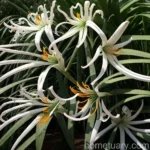
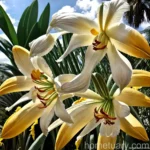
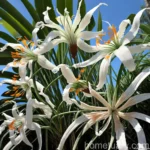
- Unique Characteristics: With its elongated, delicately fringed petals and elegant posture, the Peruvian Daffodil showcases unique floral characteristics that set it apart as a captivating and distinctive species.
Exploring the plant’s intriguing folklore and distinctive attributes adds depth and appreciation to its presence in your garden or landscape, enriching your connection with nature and cultural horticultural heritage.
Links to External Resources
For additional insights, resources, and community engagement related to Hymenocallis x festalis ‘Zwanenburg’ and horticulture in general, consider referencing the following external sources:
- Royal Horticultural Society – Plant Selector
- National Gardening Association – Hymenocallis Information
- American Society for the Prevention of Cruelty to Flowers – Hymenocallis Cultivation
- The Spruce – Peruvian Daffodil Growing Guide
- PlantNative – Hymenocallis Plant Profile
These reputable sources offer valuable information, guidance, and networking opportunities that can enhance your understanding and appreciation of the Peruvian Daffodil and its place in the world of horticulture.
In conclusion, through insightful exploration and dedicated care, Hymenocallis x festalis ‘Zwanenburg’ (Peruvian Daffodil) emerges as a captivating and resilient plant that holds boundless potential for enriching your botanical pursuits and natural surroundings. By embracing the principles and practices outlined in this comprehensive guide, you can cultivate and cherish the enduring beauty, vitality, and allure of this remarkable flowering species, fostering a harmonious and enchanting connection with nature and horticultural traditions.
By adhering to the principles of plant biology and horticulture, we not only understand how to best care for plants but also gain a deeper appreciation for the intricate and interconnected ecosystems that rely on plant life. I hope this guide serves to illuminate the beauty and significance of Hymenocallis x festalis ‘Zwanenburg’, providing you with the knowledge and enthusiasm to cultivate and nurture this remarkable species.