Hydrangea Quercifolia ‘Ruby Slippers’ (Oak Leaf Hydrangea)
In the realm of gardening and horticulture, the Hydrangea quercifolia ‘Ruby Slippers’ stands out as a distinct and exquisite flowering shrub. Known for its.
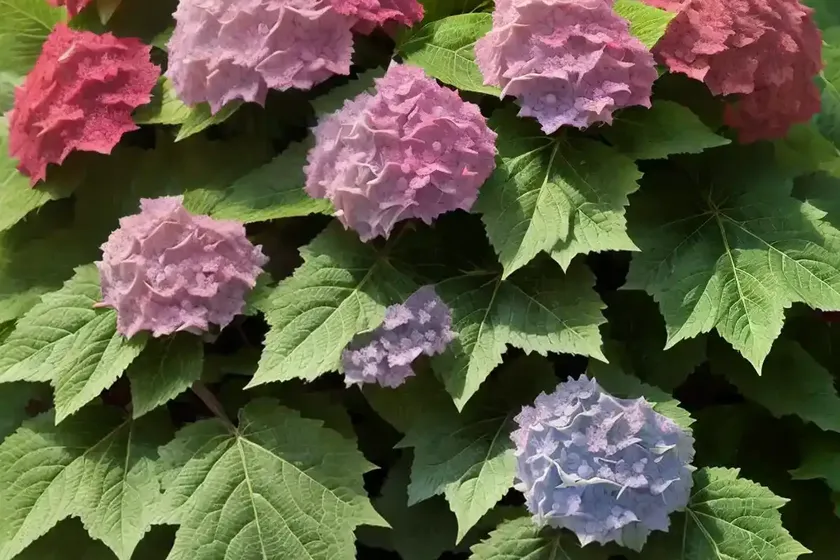
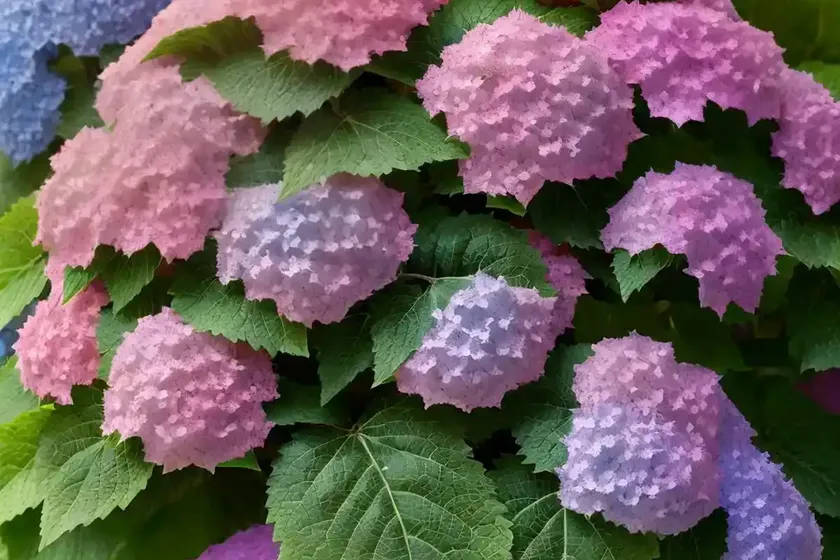
In the realm of gardening and horticulture, the Hydrangea quercifolia ‘Ruby Slippers’ stands out as a distinct and exquisite flowering shrub. Known for its oak-like leaves and stunning ruby red flowers, this plant brings a touch of elegance and natural beauty to diverse landscapes. As a plant scientist with a passion for exploring the intricacies of botanical wonders, I am thrilled to delve into the realm of Oak Leaf Hydrangea, focusing on the coveted ‘Ruby Slippers’ variety. Throughout this comprehensive guide, we will unravel the secrets of nurturing, caring for, and maximizing the potential of this captivating plant.
What is Hydrangea quercifolia ‘Ruby Slippers’?
The Hydrangea quercifolia, commonly known as the Oak Leaf Hydrangea, encompasses several cultivars that have garnered attention for their striking appearance and versatile nature. Among these, the ‘Ruby Slippers’ variety has emerged as a top choice for many garden enthusiasts. Originating from the Southeastern United States, this deciduous shrub belongs to the Hydrangeaceae family and is cherished for its distinctive oak-shaped foliage and cone-shaped flower clusters.
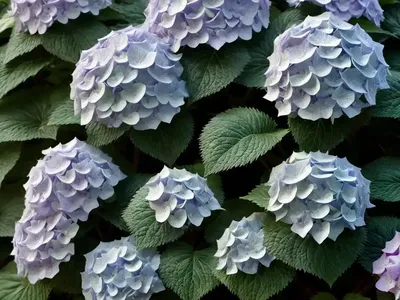
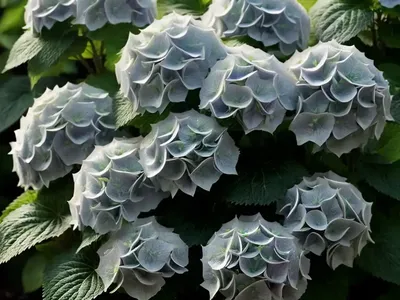
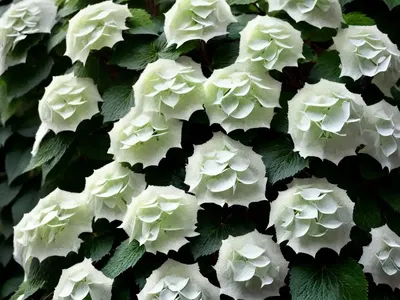
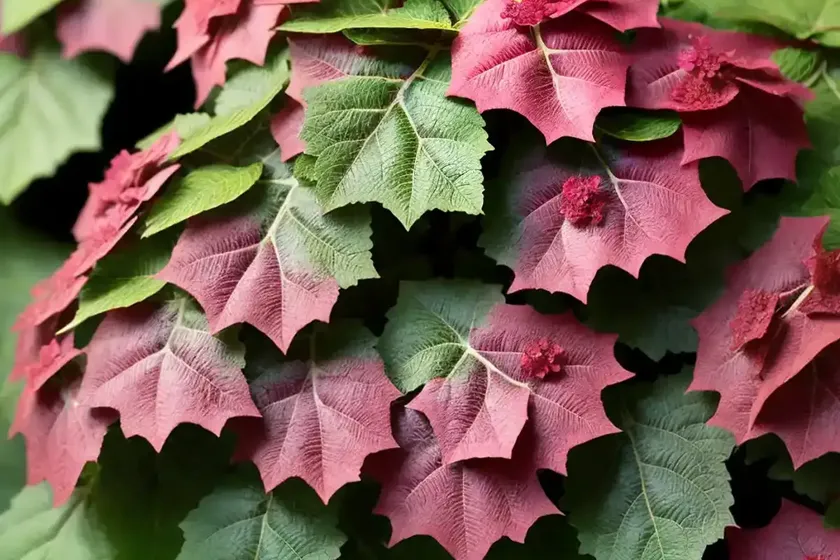
The ‘Ruby Slippers’ Oak Leaf Hydrangea is renowned for its compact size, making it a perfect fit for gardens of various scales. Its foliage undergoes mesmerizing transformations through the seasons, starting with vibrant green leaves that evolve into rich bronze tones in the fall. However, the main attraction of this cultivar is undoubtedly its stunning flowers. The blooms emerge as creamy white florets, gradually transitioning to a resplendent ruby red hue, thereby enhancing the allure of any garden or landscape where it is planted.
Key Takeaways – Hydrangea quercifolia ‘Ruby Slippers’
Before we embark on the journey of understanding how to care for and cultivate the Hydrangea quercifolia ‘Ruby Slippers’, let’s summarize its key highlights:
– Compact and versatile deciduous shrub
– Distinctive oak-shaped foliage
– Cone-shaped flower clusters that transform from creamy white to ruby red
– Add a touch of elegance to gardens and landscapes
– Adaptable to various environmental conditions
Culture
Understanding the cultural requirements of the Hydrangea quercifolia ‘Ruby Slippers’ is crucial for ensuring its optimal growth and development. This encompasses aspects such as the plant’s ideal habitat, climate preferences, and overall cultural conditions that contribute to its well-being.
Habitat and Climate
The Oak Leaf Hydrangea, including the ‘Ruby Slippers’ variety, thrives in environments that mimic its native habitat. It is predominantly found in the woodlands and forests of the Southeastern United States, where it benefits from partial shade and moist, well-drained soils. When cultivating this shrub, it is essential to consider these natural inclinations and strive to create comparable conditions.
In terms of climate, the ‘Ruby Slippers’ variety is generally well-suited to temperate and subtropical climates. While it can tolerate a degree of cold, adequate protection from harsh winter conditions should be provided, especially in regions prone to severe frosts or prolonged freezing temperatures. Additionally, it is essential to consider the plant’s summer requirements, as it may benefit from some relief during exceptionally hot periods.
Pruning
Pruning plays a significant role in shaping the growth and appearance of the Hydrangea quercifolia ‘Ruby Slippers’. This practice not only helps to maintain a desirable form but also contributes to the plant’s overall health and vigor. Pruning should be carried out thoughtfully, taking into account the shrub’s growth patterns and the desired aesthetic and structural outcomes.
By conducting selective pruning in the late winter or early spring, you can remove any dead or damaged wood and encourage the emergence of new growth. Additionally, it is crucial to monitor the plant’s growth and adjust pruning practices accordingly to maintain its compact size and promote flowering.
Uses
The ‘Ruby Slippers’ Oak Leaf Hydrangea offers a myriad of uses and benefits, making it a prized addition to garden landscapes and horticultural projects. Understanding the various applications and advantages of this plant is essential for harnessing its full potential and incorporating it effectively into diverse settings.
Ornamental Value
One of the primary uses of the Hydrangea quercifolia ‘Ruby Slippers’ lies in its ornamental appeal. The vibrant, ruby red flowers that adorn the shrub are guaranteed to captivate and enchant all who behold them. Whether incorporated into mixed borders, woodland gardens, or used as standalone specimens, this variety adds a touch of sophistication and allure to any outdoor space.
Landscaping and Design
When it comes to landscaping and garden design, the ‘Ruby Slippers’ Oak Leaf Hydrangea emerges as a versatile and valuable asset. Its compact size and attractive foliage and blooms make it an ideal candidate for a range of design applications, from accentuating focal points and creating visual interest to enhancing the overall aesthetic of a landscape.
Habitat Restoration
Beyond the realm of cultivated gardens, the Hydrangea quercifolia ‘Ruby Slippers’ can also contribute to habitat restoration and ecological projects. Its native origins and adaptability to woodland environments make it a suitable candidate for initiatives aimed at enhancing biodiversity and re-establishing native plant communities.
Water
Proper watering practices are fundamental to the well-being of the Hydrangea quercifolia ‘Ruby Slippers’. Understanding the plant’s water requirements and implementing appropriate watering routines are essential for promoting healthy growth and vibrant blooming.
Watering Needs
Being native to woodland areas with moist soils, the ‘Ruby Slippers’ Oak Leaf Hydrangea exhibits a preference for consistent moisture. While it is crucial to avoid waterlogging or overly saturated conditions, the plant thrives when provided with regular, moderate watering. During dry spells or periods of inadequate rainfall, it is especially important to ensure that the shrub receives sufficient hydration to prevent stress and maintain its vitality.
Drought Tolerance
Although the ‘Ruby Slippers’ Hydrangea benefits from consistent moisture, it possesses a degree of drought tolerance once established. This resilience is an advantageous trait, particularly in regions characterized by sporadic droughts or limited water availability. However, it is still advisable to monitor the plant closely during dry periods and provide supplementary watering if necessary to support its overall well-being.
Sunlight
Appropriate sunlight exposure is a critical factor in the successful cultivation of the Hydrangea quercifolia ‘Ruby Slippers’. Understanding the plant’s sunlight requirements and choosing suitable planting locations based on these parameters are integral to its growth and overall performance.
Sun Requirements
The ‘Ruby Slippers’ Oak Leaf Hydrangea thrives in partial shade to full sun conditions. In its native habitat, it is often found growing beneath the canopies of trees, benefiting from dappled sunlight and some degree of shade. When selecting a site for planting, it is important to ensure that the shrub receives adequate sunlight while being shielded from the harsh, direct rays of the midday sun.
Shade Tolerance
In addition to its preference for partial shade, the ‘Ruby Slippers’ variety also displays tolerance for shaded environments. This attribute enhances its versatility and allows for successful cultivation in areas with varying light conditions, including woodland settings and shaded garden beds.
Soil
The soil in which the Hydrangea quercifolia ‘Ruby Slippers’ is planted plays a pivotal role in determining the plant’s overall health and development. Understanding the ideal soil characteristics and implementing suitable soil management practices are essential for nurturing thriving specimens.
Soil Type
A well-drained, humus-rich soil serves as an optimal growing medium for the ‘Ruby Slippers’ Oak Leaf Hydrangea. The plant thrives in soils with good moisture retention capabilities, ensuring that it receives consistent access to water without the risk of waterlogged conditions. Additionally, incorporating organic matter into the soil can enhance its fertility and structure, providing an ideal foundation for the shrub’s growth.
pH Preferences
The ‘Ruby Slippers’ Hydrangea exhibits a preference for slightly acidic to neutral soil pH. A pH range of 5.5 to 6.5 is generally conducive to its growth and flowering, facilitating the efficient uptake of essential nutrients and supporting overall physiological functions. Conducting soil tests and adjusting pH levels as needed is recommended to create an optimal growing environment for the plant.
Fertilizer
Supplemental fertilization is often beneficial in promoting the robust growth and blooming of the Hydrangea quercifolia ‘Ruby Slippers’. Understanding the plant’s fertilizer requirements and implementing appropriate feeding schedules are key components of its care regimen.
Fertilizer Composition
When selecting fertilizers for the ‘Ruby Slippers’ Oak Leaf Hydrangea, it is advisable to opt for a balanced, slow-release formulation. A fertilizer with balanced NPK (nitrogen, phosphorus, and potassium) ratios, accompanied by essential micronutrients, can provide comprehensive nourishment to the plant, supporting foliage development and flower production.
Application Timing
Fertilizer application should be timed strategically to coincide with the plant’s growth stages. Early spring, before the onset of blooming, serves as an opportune period for initiating fertilization. This timing allows the nutrients to bolster the shrub’s growth and facilitate the formation of healthy buds, setting the stage for prolific flowering during the subsequent season.
Prudent Application
Exercise caution when applying fertilizers to the ‘Ruby Slippers’ Hydrangea, as excessive or improper feeding can lead to detrimental outcomes. Following recommended dosage rates, avoiding direct contact of the fertilizer with the plant’s foliage, and ensuring thorough watering after application are essential practices to safeguard the plant’s well-being.
Pruning
Pruning is an essential aspect of the care and maintenance of the Hydrangea quercifolia ‘Ruby Slippers’. By adopting proper pruning techniques, you can shape the plant, promote flowering, and rejuvenate its growth, contributing to its overall vigor and aesthetic appeal.
Timing
Timing plays a crucial role in the pruning of the ‘Ruby Slippers’ Oak Leaf Hydrangea. Conducting pruning activities during the late winter or early spring, before the commencement of new growth, is advisable. This timing allows for the removal of any winter damage or dead wood, as well as the shaping of the plant in preparation for the upcoming growing season.
Selective Pruning
Selective pruning is particularly important for the ‘Ruby Slippers’ variety, as it helps to maintain its compact form and encourage prolific blooming. Gently removing spent flower heads and conducting targeted cuts to shape the shrub can enhance its appearance and promote the development of new growth and flower buds for the following year.
Propagation
The propagation of the Hydrangea quercifolia ‘Ruby Slippers’ offers plant enthusiasts the opportunity to expand their collection of these captivating shrubs. Understanding the various propagation methods and implementing suitable techniques are essential for successful reproduction and the establishment of new plants.
Propagation Methods
The ‘Ruby Slippers’ Oak Leaf Hydrangea can be propagated through several techniques, including:
– Softwood Cuttings: Extracting softwood cuttings from the plant during the active growing season and rooting them under controlled conditions.
– Division: Dividing mature plants into smaller sections, each containing viable roots and shoots, to create new individual specimens.
– Layering: Encouraging the development of roots on a lower branch or stem while it is still attached to the parent plant, eventually separating the rooted section for independent growth.
Considerations
When propagating the ‘Ruby Slippers’ Hydrangea, it is essential to ensure the use of healthy, disease-free plant material and provide optimal environmental conditions for root development. Maintaining appropriate humidity levels, establishing well-drained rooting media, and monitoring the progress of propagated sections are critical factors in achieving successful propagation outcomes.
Container Popularity
The ‘Ruby Slippers’ Oak Leaf Hydrangea’s compact size and ornamental appeal make it a desirable choice for container gardening. Cultivating this variety in containers offers numerous advantages, allowing for greater flexibility in placement and the creation of stunning focal points in outdoor spaces.
Suitable Containers
When selecting containers for the ‘Ruby Slippers’ Hydrangea, prioritize options that provide ample space for root development while offering good drainage capabilities. Materials such as terracotta, fiberglass, or wood may be considered for their aesthetic appeal and insulating properties, helping to protect the plant’s roots from temperature fluctuations.
Container Considerations
Proper container selection is essential, ensuring that the ‘Ruby Slippers’ Hydrangea receives sufficient room for growth and that its environmental requirements are met. Additionally, regular monitoring of moisture levels, appropriate watering, and occasional fertilization are crucial to support the plant’s well-being when grown in containers.
Common Diseases
Despite its hardy nature, the Hydrangea quercifolia ‘Ruby Slippers’ may be susceptible to certain diseases that can impact its health and vitality. Understanding these potential afflictions and implementing preventative measures is essential for safeguarding the plant’s well-being.
Leaf Spot Diseases
Various fungal pathogens can cause leaf spot diseases in the ‘Ruby Slippers’ Oak Leaf Hydrangea, leading to the development of unsightly spots on the foliage. These conditions are often favored by damp, humid environments and can be addressed through good cultural practices, including promoting adequate air circulation and avoiding overhead watering.
Powdery Mildew
Powdery mildew, characterized by a white, powdery coating on the leaves, stems, and flowers, can affect the ‘Ruby Slippers’ variety, particularly in conditions of high humidity and poor air circulation. Maintaining proper spacing between plants, providing suitable air flow, and employing preventative fungicidal treatments can help mitigate the impact of this disease.
Root Rots
Excessive soil moisture or poorly drained growing conditions can predispose the ‘Ruby Slippers’ Hydrangea to root rot diseases caused by fungal pathogens. Ensuring well-drained soils, avoiding waterlogging, and refraining from overwatering can help prevent the onset of these detrimental conditions.
Disease Diagnosis
Diagnosing and addressing diseases affecting the Hydrangea quercifolia ‘Ruby Slippers’ requires keen observation, prompt identification of symptoms, and appropriate intervention. By becoming adept at recognizing signs of potential diseases, you can take proactive measures to protect the plant and mitigate the impact of these ailments.
Symptom Recognition
Familiarize yourself with the common symptoms associated with prevalent diseases that can affect the ‘Ruby Slippers’ Hydrangea. These may include spotted or discolored foliage, powdery coatings on plant surfaces, wilting, and unusual changes in growth patterns. Regular monitoring of the plant can aid in early detection of any anomalies.
Diagnostic Resources
In situations where disease diagnosis is challenging, seek assistance from diagnostic laboratories, horticultural experts, or plant health professionals. Utilizing diagnostic services can help accurately identify the underlying cause of plant health issues and guide the implementation of targeted remedies.
Common Pests
Despite its resilience, the Hydrangea quercifolia ‘Ruby Slippers’ may encounter pest pressures that necessitate vigilant monitoring and proactive management. Understanding the common pests that can impact the plant and adopting suitable control measures are essential for preserving its health and vitality.
Aphids
Aphids, small sap-sucking insects, can infest the ‘Ruby Slippers’ Oak Leaf Hydrangea, causing damage to foliage and potentially transmitting plant diseases. Implementing natural predators, such as ladybugs or lacewings, and using insecticidal soaps can help manage aphid populations and prevent widespread infestations.
Spider Mites
Spider mites, minuscule arachnids that feed on plant juices, can pose a threat to the ‘Ruby Slippers’ variety, particularly in environments with low humidity. Regularly inspecting the plant for signs of spider mite activity, promoting adequate humidity, and employing miticidal treatments as necessary can assist in controlling these pests.
Scale Insects
Scale insects, characterized by their armored or soft bodies, may affect the ‘Ruby Slippers’ Hydrangea, feeding on plant fluids and potentially causing damage to its overall health. Implementing horticultural oils or insecticidal treatments can aid in managing scale insect populations and protecting the plant from their detrimental effects.
Botanist’s Tips
As a seasoned botanist with a passion for nurturing plants and unlocking their potential, I have amassed a wealth of insights and tips for cultivating and caring for the Hydrangea quercifolia ‘Ruby Slippers’. These recommendations draw upon years of experience and a deep understanding of the plant’s needs and behaviors.
Tip 1: Embrace Seasonal Transformations
Appreciate the ‘Ruby Slippers’ Oak Leaf Hydrangea’s remarkable capacity for seasonal transformations. Witness the lush green foliage evolve into warm, bronze hues in the fall and delight in the gradual transition of pristine white blooms to vibrant ruby red shades. Embracing and celebrating these natural changes enhances the allure and charm of the plant throughout the year.
Tip 2: Thoughtful Pruning Enhances Beauty
Engage in thoughtful pruning practices to maintain the ‘Ruby Slippers’ Hydrangea’s aesthetic appeal and promote healthy growth. By selectively removing spent blooms and shaping the shrub with precision, you can stimulate the development of new buds and ensure that the plant maintains an attractive form, contributing to its visual impact.
Tip 3: Harmonize with Complementary Plants
Explore the diverse array of companion plants that harmonize seamlessly with the ‘Ruby Slippers’ Oak Leaf Hydrangea. Tailor your garden landscape by selecting foliage, textures, and colors that complement and accentuate the shrub, creating captivating combinations that elevate the overall visual composition of your outdoor space.
Tip 4: Nourish for Flourishing Blooms
Nourish the ‘Ruby Slippers’ Hydrangea with balanced fertilization to support vigorous growth and abundant blooming. Select fertilizers with the appropriate nutrient composition and apply them judiciously to enhance the plant’s vitality, ultimately yielding a profusion of captivating flowers that enchant and inspire.
Tip 5: Emulate Woodland Conditions
Recreate the favorable conditions of the ‘Ruby Slippers’ Hydrangea’s native woodland habitat. Strive to provide partial shade, well-drained yet moisture-retentive soils, and a nurturing environment that mirrors the plant’s natural surroundings, fostering its resilience and ensuring its long-term prosperity.
Fun Facts
Uncover fascinating and intriguing tidbits about the Hydrangea quercifolia ‘Ruby Slippers’ that add depth to your appreciation of this captivating shrub. These fun facts provide insight into the plant’s unique characteristics and allure, enriching your experience of cultivating and admiring it.
Fact 1: Wildlife Attraction
The ‘Ruby Slippers’ Oak Leaf Hydrangea has an innate ability to attract and support diverse wildlife, including pollinators and beneficial insects. Its blossoms serve as valuable nectar sources, contributing to the ecological vitality of its surroundings and enlivening garden spaces with vibrant, bustling activity.
Fact 2: Seasonal Transitions
In addition to its stunning appearance, the ‘Ruby Slippers’ variety undergoes remarkable seasonal transitions, with its foliage and blooms evolving in captivating ways throughout the year. The plant’s capacity for change and renewal embodies the beauty of natural rhythms and enriches the landscape with dynamic displays of color and texture.
Fact 3: Native Heritage
As a native of the Southeastern United States, the ‘Ruby Slippers’ Hydrangea proudly