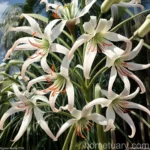
Hymenocallis littoralis (Beach Spider Lily) – A Plant Scientist’s Guide
What is Hymenocallis littoralis?
Hymenocallis littoralis, also known as the Beach Spider Lily or the Spider Lily, is a beautiful perennial bulbous plant belonging to the Amaryllidaceae family. This spectacular flowering plant is native to the coastal regions of the Southern United States, the Caribbean, and parts of South America. Its striking appearance, fragrant blossoms, and adaptability make it a favorite among gardeners and landscape enthusiasts.
The Beach Spider Lily is prized for its stunning white flowers, long, strap-shaped leaves, and its ability to thrive in coastal and tropical environments. Its elegant and distinctive appearance makes it an excellent choice for ornamental gardens, coastal landscapes, and even as an indoor plant in suitable climates.
Let’s explore the culture, uses, care, and maintenance of the Hymenocallis littoralis, including its specific requirements for water, sunlight, fertilizer, soil, pruning, propagation, and potential pests and diseases. Additionally, we will delve into the botanist’s tips, fun facts, and provide links to external resources for further information on this captivating plant species.
Key Takeaways – Hymenocallis littoralis (Beach Spider Lily)
Before diving into the specifics of Beach Spider Lily care, let’s outline the key takeaways for this stunning plant:
- Botanical Name: Hymenocallis littoralis
- Common Names: Beach Spider Lily, Spider Lily
- Plant Type: Perennial bulbous plant
- Native Habitat: Coastal regions of the Southern United States, the Caribbean, and South America
- Characteristics: Striking white flowers, long strap-shaped leaves
- Culture: Excellent for ornamental gardens, coastal landscapes, and indoor cultivation in suitable climates
- Fragrance: Fragrant blossoms
- Adaptability: Thrives in coastal and tropical environments
- Special Feature: Elegant and distinctive appearance
- Special Uses: Landscape design, ornamental gardening
This overview provides a glimpse into the fascinating attributes and potential uses of the Beach Spider Lily. Now, let’s delve into the specific care requirements and characteristics of this captivating plant species.
Culture
Uses
The Beach Spider Lily, with its elegant and distinct features, serves a variety of purposes, from enhancing gardens and landscapes to adding a touch of elegance to indoor spaces. Its notable uses include:
- Ornamental Plant: The stunning white flowers and long, strap-shaped leaves make the Beach Spider Lily an excellent addition to ornamental gardens and landscapes.
- Coastal Landscapes: Due to its ability to thrive in coastal regions, it is often used in coastal landscaping to add a touch of natural beauty.
- Indoor Cultivation: In suitable climates, the Beach Spider Lily can be cultivated indoors, adding a touch of tropical charm to interior spaces.
- Fragrant Gardens: The flowers of the Beach Spider Lily emit a sweet fragrance, making it a desirable addition to fragrant gardens and outdoor spaces.
Understanding the various uses of the Beach Spider Lily allows for its optimal integration into different settings, whether in the garden, by the coast, or within indoor spaces.
Water
Proper watering is crucial for the health and vitality of the Hymenocallis littoralis. Here are essential watering tips to ensure the well-being of the Beach Spider Lily:
- Moist, Well-Drained Soil: It thrives in soil that is consistently moist but well-drained. Ensure that the soil does not become waterlogged, as this can lead to root rot.
- Watering Frequency: During the growing season, water the plant regularly to maintain soil moisture. In hot and dry climates, more frequent watering may be necessary, while in cooler periods, it can be reduced.
- Rainfall Consideration: In regions with regular rainfall, occasional irrigation might be sufficient, while in drier climates, manual watering may be required to supplement natural rainfall.
- Avoid Overwatering: While the Beach Spider Lily enjoys moist soil, overwatering can be detrimental. Be attentive to signs of waterlogging and adjust watering accordingly.
Maintaining an appropriate watering regimen is fundamental to the successful cultivation of the Beach Spider Lily. By providing the right balance of moisture, the plant can flourish and showcase its spectacular blooms.
Sunlight
The Beach Spider Lily thrives in environments with ample sunlight, although it also appreciates some degree of shade. Here are crucial sunlight considerations for this plant:
- Sunlight Exposure: It thrives in partial to full sunlight, generally requiring at least 6 hours of direct sunlight per day for optimal growth and flowering.
- Shade Tolerance: While it appreciates sunlight, the Beach Spider Lily can tolerate partial shade, particularly in regions with intense heat or during the hottest part of the day.
- Coastal Conditions: In coastal landscapes, it can benefit from exposure to moderate sunlight, especially in locations where direct sunlight can be intense or harsh.
Understanding the sunlight requirements of the Beach Spider Lily is essential for positioning it within gardens, landscapes, and indoor settings to ensure it receives adequate light for healthy growth and floral display.
Fertilizer
Fertilization plays a key role in the nourishment and overall health of the Beach Spider Lily. Here are essential fertilizer guidelines for promoting its growth and vitality:
- Balanced Fertilizer: Use a balanced, all-purpose fertilizer to provide essential nutrients for the plant’s overall development. Look for a fertilizer with a balanced NPK ratio to support healthy foliage and flowering.
- Application Frequency: Apply fertilizer during the growing season, typically in spring and summer. Avoid over-fertilizing, as excessive nutrients can be detrimental to the plant’s health.
- Organic Options: Consider organic fertilizers to support sustainable and environmentally friendly cultivation practices. Organic options can promote soil health and microbial activity.
- Soil Testing: Periodically conduct soil tests to assess nutrient levels and make informed decisions about the type and quantity of fertilizer required for optimal growth.
By providing appropriate nourishment through regular fertilization, the Beach Spider Lily can thrive and produce its characteristic beautiful blooms, enhancing the aesthetic appeal of its surroundings.
Soil
The soil requirements of the Beach Spider Lily are integral to its overall health and vitality. Understanding the ideal soil composition is crucial for its successful cultivation. Here are key considerations:
- Well-Drained Soil: It prefers well-drained, fertile soil that allows excess water to escape readily. Soil with good drainage helps prevent waterlogging and the associated risk of root rot.
- Organic Matter: Incorporating organic matter, such as compost or well-rotted manure, into the soil can enhance its fertility and structure, promoting healthy root development and nutrient uptake.
- pH Level: The ideal soil pH range for the Beach Spider Lily is slightly acidic to neutral, typically between 6.0 and 7.0. Conducting a soil pH test can provide valuable insights into the soil’s acidity or alkalinity and guide necessary adjustments.
- Soil Amendment: In regions with heavy or compacted soil, consider incorporating sand or perlite to improve soil aeration and drainage, creating a more conducive environment for the plant’s root system.
By attending to the specific soil requirements of the Beach Spider Lily, gardeners can create an optimal growing environment that supports robust growth and abundant flowering.
Pruning
Pruning is an essential aspect of Beach Spider Lily maintenance, contributing to its overall health, appearance, and flowering capability. Here are fundamental pruning guidelines for this plant:
- Deadheading: Remove spent flowers by deadheading to encourage continued blooming and maintain a tidy appearance. Deadheading prevents the plant from expending energy on seed production, directing its resources toward producing new blooms.
- Foliage Management: As the strap-shaped leaves of the Beach Spider Lily can become abundant, particularly after flowering, periodic removal of older, yellowing leaves can promote air circulation and maintain the plant’s aesthetic appeal.
- Timing: Prune the plant after the flowering season, typically in late summer or early fall, to remove spent foliage and prepare it for the following growing season.
- Sanitization: Use clean, sharp pruning tools to prevent the spread of diseases and ensure precise, clean cuts that support the plant’s recovery and regrowth.
By incorporating regular pruning practices, gardeners can promote the health and visual appeal of the Beach Spider Lily, encouraging continuous flowering and contributing to its overall vigor.
Propagation
The propagation of the Hymenocallis littoralis allows for the expansion of its presence in gardens, landscapes, and indoor settings. Here are the key methods for propagating the Beach Spider Lily:
- Division: Propagate the Beach Spider Lily through division, which involves separating bulb offsets or dividing established clumps during the plant’s dormant season. Each division should contain a portion of the bulb and a healthy section of the roots, ensuring its ability to develop into a new plant.
- Planting Depth: When propagating through division, plant the separated bulbs at a depth that allows for proper establishment and future growth. Adequate soil coverage and moist conditions can support successful propagation.
- Container Propagation: Propagate the Beach Spider Lily in containers by planting mature bulbs or divisions in well-draining potting mix. Place the containers in an environment that provides suitable conditions for the bulbs to develop and produce new growth.
- Propagation Timing: Carry out propagation activities during the plant’s natural dormant phase. This allows the divided bulbs or propagated sections to acclimate to their new environment and prepare for the upcoming growing season.
By employing effective propagation techniques, enthusiasts can expand their collection of Beach Spider Lilies and share the beauty of this remarkable plant with others.
Container Popularity
The Beach Spider Lily’s striking appearance and adaptability make it a popular choice for container gardening. Whether grown on patios, balconies, or in indoor settings, the plant’s elegance and fragrance can be enjoyed in containers. Here are insights into the popularity of the Beach Spider Lily in container gardening:
- Versatile Aesthetics: The graceful white flowers and long, strap-shaped leaves of the Beach Spider Lily make it an eye-catching addition to container gardens, providing a touch of elegance and charm.
- Space Utilization: The compact nature of container-grown Beach Spider Lilies allows for the efficient use of space, making them suitable for small gardens, urban environments, and interior spaces.
- Outdoor and Indoor Cultivation: Beach Spider Lilies can be cultivated in both outdoor and indoor containers, enabling enthusiasts to enjoy their beauty and fragrance regardless of available garden space.
- Seasonal Flexibility: Containers offer the advantage of mobility, allowing gardeners to move the plants to different locations based on sunlight, temperature, and seasonal requirements, ensuring optimal growing conditions.
The growing popularity of container gardening highlights the versatility and appeal of the Beach Spider Lily, providing opportunities to incorporate this captivating plant into diverse settings.
Common Diseases
While the Beach Spider Lily is generally resilient, it can be susceptible to certain diseases and health issues. Understanding the common diseases and potential diagnosis methods is essential for proactive plant care. Here are insights into the common diseases that may affect the Hymenocallis littoralis:
- Leaf Spot: Characterized by the appearance of dark, water-soaked spots on the foliage, leaf spot can be caused by various fungal pathogens. To manage leaf spot, remove and dispose of affected leaves, ensure proper air circulation, and consider appropriate fungicidal treatments if necessary.
- Gray Mold: Gray mold, caused by the fungus Botrytis cinerea, may lead to the development of fuzzy gray growth on the leaves and flowers of the Beach Spider Lily. Practice good sanitation and remove affected plant parts to prevent the spread of the disease. Provide adequate airflow and avoid overhead watering to minimize the risk of gray mold.
- Root Rot: Excessive moisture or waterlogged soil can lead to root rot, endangering the health of the plant. To address root rot, assess the soil drainage and reduce watering to allow the soil to dry out appropriately. Replanting in well-drained soil and adjusting the watering schedule can help prevent and address root rot.
Understanding the symptoms and management strategies for common diseases enables gardeners to identify and address potential issues promptly, preserving the health and vigor of the Beach Spider Lily.
Disease Diagnosis
Accurately diagnosing plant diseases is crucial for effective management and treatment. Here are key steps for diagnosing potential diseases affecting the Beach Spider Lily:
- Symptom Identification: Thoroughly inspect the plant for any visual abnormalities, including spots, discoloration, unusual growth, or signs of decay. Note any changes in foliage, flowers, or overall vitality.
- Environmental Assessment: Consider environmental factors such as moisture levels, sunlight exposure, and soil conditions. Evaluate potential stressors or conditions that may contribute to the development of diseases.
- Consultation and Resources: Seek guidance from local horticultural specialists, extension services, or plant pathology resources for expert advice and diagnostic assistance. Submit plant samples or images for professional evaluation if necessary.
- Treatment Planning: Based on the identified disease and its severity, develop a targeted treatment plan that addresses the specific pathogen or condition while promoting the plant’s recovery and future health.
By engaging in thorough disease diagnosis practices, gardeners can effectively manage potential disease issues and support the optimal growth and well-being of the Beach Spider Lily.
Common Pests
In addition to diseases, the Beach Spider Lily may encounter certain pests that can affect its health and appearance. Identifying common pests and implementing appropriate pest control measures is crucial for ensuring the plant’s vitality. Here are insights into common pests that may affect the Hymenocallis littoralis:
- Spider Mites: These tiny arachnids can infest the Beach Spider Lily, causing stippling, webbing, and overall decline in plant health. Control spider mites by employing natural predators, such as ladybugs, or using insecticidal soaps if necessary.
- Aphids: Aphids, small sap-sucking insects, may congregate on the foliage and stems of the Beach Spider Lily, leading to yellowing and distortion of plant tissues. Manage aphids through physical removal, insecticidal sprays, or the introduction of beneficial insects to control populations.
- Scale Insects: Scale insects can attach themselves to the Beach Spider Lily, feeding on its sap and weakening the plant. Prune and dispose of heavily infested plant sections, and consider horticultural oils or insecticidal treatments to address scale infestations.
Encountering potential pest issues underscores the importance of vigilant monitoring and proactive pest control measures to safeguard the well-being of the Beach Spider Lily.
Botanist’s Tips
As a valuable resource for botanists and plant enthusiasts, here are a few expert tips for cultivating and caring for Hymenocallis littoralis:
- Coastal Considerations: In coastal environments, the Beach Spider Lily can benefit from a light layer of mulch to help retain soil moisture and protect the bulbs from extreme temperature fluctuations.
- Overwintering Precautions: In regions with colder winters, consider providing winter protection for the plant, particularly if it is grown in containers outdoors. Mulching around the base of the plants can help insulate the bulbs.
- Seasonal Maintenance: Regularly inspect the Beach Spider Lily for signs of pests, diseases, and declining foliage. Address any issues promptly to promote overall plant health.
- Fertilization Timing: Apply fertilizer at the onset of the growing season and after the plant has finished flowering to support vigorous growth and future blooming.
Incorporating these botanist’s tips into the care routine for the Beach Spider Lily can enhance its resilience, vitality, and overall performance in various cultivation settings.
Fun Facts
- The Beach Spider Lily’s botanical name, Hymenocallis, is derived from Greek, with “hymen” meaning membrane and “kallos” meaning beauty, referring to the membrane-like floral segments of the plant’s blossoms.
- Certain species of Hymenocallis littoralis are known for their nocturnal fragrance, emitting a delightful scent during the evening and nighttime hours, attracting pollinating insects and adding an enchanting ambiance to outdoor spaces.
- Some cultures ascribe symbolic meanings to the Beach Spider Lily, associating it with purity, renewal, and resilience, making it a meaningful addition to ceremonial and commemorative gardens.
These captivating fun facts add depth and intrigue to the story of the Beach Spider Lily, offering a glimpse into its fascinating characteristics and cultural significance.
Links to External Resources
For further exploration of Hymenocallis littoralis, Beach Spider Lily care, and related topics, the following external resources provide valuable information, insights, and guidance:
- American Society for Horticultural Science (ASHS)
- Royal Horticultural Society (RHS)
- University of Florida – IFAS Extension
- United States Department of Agriculture (USDA)
- Botanical Gardens and Arboreta
These reputable organizations and platforms offer a wealth of knowledge, research, and educational materials to support the understanding and cultivation of the Beach Spider Lily and related botanical subjects.
In conclusion, Hymenocallis littoralis, the Beach Spider Lily, stands as a captivating ornamental plant with a rich botanical heritage and special cultural significance. Its striking appearance, fragrant blossoms, and adaptability to various environments make it a cherished addition to gardens, landscapes, and indoor settings. By recognizing and addressing its specific water, sunlight, fertilizer, soil, pruning, propagation, and potential pest and disease management needs, enthusiasts can foster the optimal growth, health, and floral display of this exceptional plant species. With an understanding of its culture, uses, and botanical nuances, the Beach Spider Lily continues to enthrall plant lovers and contribute to the beauty of diverse horticultural settings.
The insights presented in this guide aim to provide a comprehensive resource for anyone seeking to cultivate, care for, and appreciate the remarkable attributes of the Beach Spider Lily. May the elegance and allure of Hymenocallis littoralis continue to enrich gardens, landscapes, and botanical collections, captivating the senses and inspiring a deeper appreciation for the natural world.