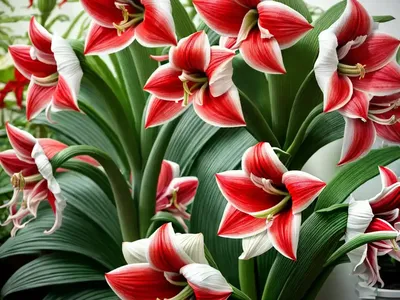
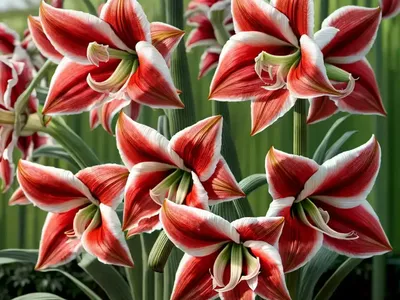
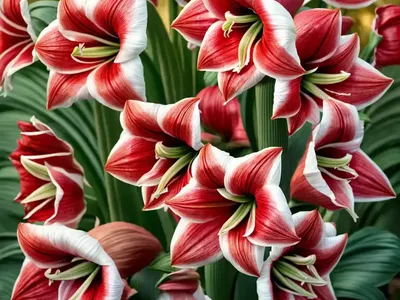
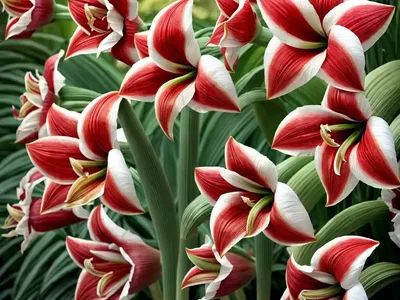
Amaryllis ‘Rilona’ (Hippeastrum)
Amaryllis ‘Rilona’ (Hippeastrum) is a stunning flowering plant known for its elegant blooms and ease of care. With proper attention to its cultural.
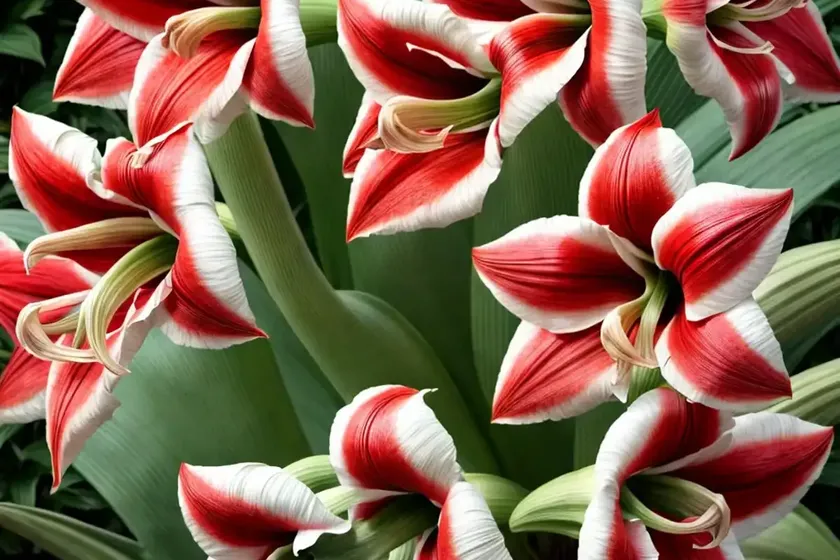
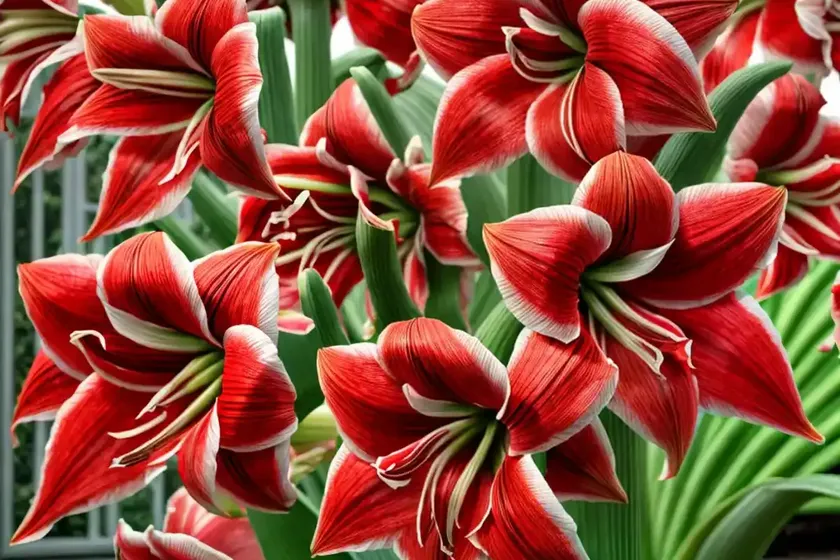
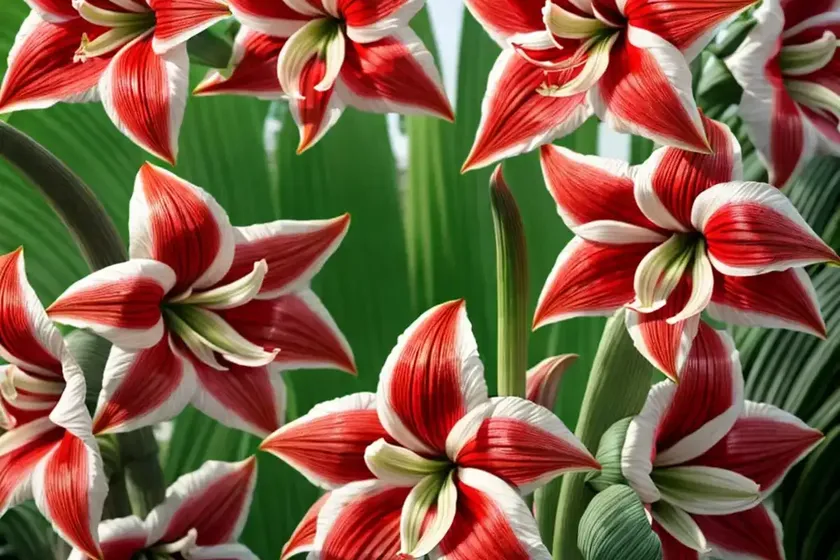
Amaryllis ‘Rilona’ (Hippeastrum) is a stunning flowering plant known for its elegant blooms and ease of care. With proper attention to its cultural requirements, this plant can thrive both indoors and outdoors, adding a touch of natural beauty to any space. In this comprehensive guide, we will delve into the various aspects of caring for Amaryllis ‘Rilona’, from its cultural needs to common diseases and propagation methods. By the end of this guide, you will be equipped with the knowledge and skills to cultivate healthy and vibrant Amaryllis ‘Rilona’ plants.
What is Amaryllis ‘Rilona’ (Hippeastrum)?
Amaryllis ‘Rilona’ is a member of the Hippeastrum genus, which is characterized by its large, showy flowers that bloom atop tall, sturdy stems. This plant is indigenous to South America, particularly regions of Brazil and Peru. It is a popular choice among gardeners and plant enthusiasts due to its striking appearance and relatively low-maintenance nature.
Key Takeaways – Amaryllis ‘Rilona’ (Hippeastrum)
Before we delve into the specifics of caring for Amaryllis ‘Rilona’, let’s highlight some key takeaways that will guide our exploration.
- Amaryllis ‘Rilona’ Care: Understanding the cultural requirements of Amaryllis ‘Rilona’ is crucial for its successful cultivation.
- Growing Amaryllis ‘Rilona:‘ The process of nurturing Amaryllis ‘Rilona’ from bulb to blooming plant.
- Amaryllis ‘Rilona’ Plant Profile: Exploring the unique characteristics and features of the Amaryllis ‘Rilona’ plant.
- Hippeastrum ‘Rilona’ Care Tips: Expert recommendations and insights for maintaining a healthy Amaryllis ‘Rilona’.
- Amaryllis ‘Rilona’ Varieties: Understanding the different varieties and cultivars of Amaryllis ‘Rilona’.
- Hippeastrum ‘Rilona’ Bulb Planting: Proper techniques for planting Amaryllis ‘Rilona’ bulbs to ensure successful growth and flowering.
Now, let’s delve into the specific cultural requirements of Amaryllis ‘Rilona’, which include its water, sunlight, fertilizer, soil, pruning, and propagation needs.
Culture
Water
Proper watering is essential for the health and vitality of Amaryllis ‘Rilona’. Understanding the plant’s water needs throughout its growth stages is crucial for preventing issues such as root rot or dehydration. Here are some key points to consider when watering Amaryllis ‘Rilona’:
- During Active Growth: Amaryllis ‘Rilona’ requires regular watering when it is actively growing and blooming. Ensure that the soil is evenly moist but not waterlogged. Allow the top layer of the soil to dry out slightly between waterings to prevent excess moisture.
- Dormancy Period: After the blooming period, Amaryllis ‘Rilona’ enters a dormancy phase. During this time, reduce watering gradually and allow the soil to dry out more between waterings. However, ensure that the bulb does not completely dry out, as this can compromise its health.
Sunlight
Amaryllis ‘Rilona’ thrives in bright, indirect light. When positioning the plant, consider the following sunlight preferences:
- Indoor Placement: Place Amaryllis ‘Rilona’ near a window that receives bright, indirect sunlight. Avoid exposing it to direct sunlight, especially during the hottest part of the day, as this can scorch the leaves.
- Outdoor Considerations: When grown outdoors, choose a location that offers partial shade, particularly during the intense midday sun.
Fertilizer
Providing appropriate nutrients through fertilization supports the healthy growth and flowering of Amaryllis ‘Rilona’. Consider the following when fertilizing this plant:
- Fertilizer Type: Use a balanced, water-soluble fertilizer formulated for flowering plants. A fertilizer with an NPK ratio of 10-10-10 or similar is suitable for Amaryllis ‘Rilona’.
- Application Frequency: During the active growth phase, apply fertilizer every 2-4 weeks to support the development of strong stems and vibrant blooms. Reduce or discontinue fertilization during the dormancy period.
Soil
The right soil composition is vital for the proper growth and development of Amaryllis ‘Rilona’. Consider the following soil preferences for this plant:
- Well-Draining Medium: Amaryllis ‘Rilona’ thrives in a well-draining potting mix that allows excess water to escape readily. A mix formulated for flowering bulbs or a standard potting mix amended with perlite or sand is ideal.
- Acidic to Neutral pH: The soil should have a slightly acidic to neutral pH range, typically between 6.0 and 7.0. Monitor the pH of the soil to ensure it remains within the suitable range for Amaryllis ‘Rilona’.
Pruning
Regular pruning helps maintain the health and aesthetic appeal of Amaryllis ‘Rilona’. Consider the following pruning techniques for this plant:
- Faded Flowers: Promptly remove faded or spent flowers to encourage the plant to direct its energy towards new growth and blooming.
- Yellowing Leaves: Trim yellowing or withering leaves close to the base of the plant to promote a tidy appearance and prevent the spread of disease.
- Dormancy Pruning: During the dormancy period, trim the foliage down to a few inches above the bulb once it begins to yellow and wither. This prepares the plant for its resting phase.
Propagation
Propagation of Amaryllis ‘Rilona’ offers the opportunity to expand your plant collection or share the beauty of this flower with others. Consider the following propagation methods:
- Offspring Bulblets: Amaryllis ‘Rilona’ produces bulblets, or small offshoot bulbs, alongside the main bulb. These bulblets can be carefully detached and planted individually to grow into mature plants.
- Seed Propagation: While less common, Amaryllis ‘Rilona’ can be grown from seeds. Keep in mind that seeds may not produce plants identical to the parent and may take several years to reach maturity and blooming.
Container Popularity
Amaryllis ‘Rilona’ is a highly popular choice for container gardening due to its stunning blooms and relatively compact size. When grown in containers, it can be placed indoors or on outdoor patios, providing a vibrant focal point in any space. Consider the following aspects when growing Amaryllis ‘Rilona’ in containers:
- Container Size: Choose a container that provides ample room for the bulb and allows for sufficient soil volume. Amaryllis ‘Rilona’ bulbs prefer to be slightly crowded in their containers, so opt for a pot that is approximately 1-2 inches wider than the diameter of the bulb.
- Drainage Holes: Ensure that the container has drainage holes to prevent water from accumulating at the bottom, which can lead to waterlogged soil and root rot.
- Indoor Display: Select decorative containers that complement the vibrant colors of the Amaryllis ‘Rilona’ blooms, enhancing the visual appeal of the plant.
Common Diseases
Amaryllis ‘Rilona’ is generally resilient to diseases; however, certain issues may arise under unfavorable growing conditions. Understanding common diseases and their prevention is essential for maintaining the health of this plant. Consider the following common diseases and preventative measures:
Disease Diagnosis
- Botrytis Blight: This fungal disease presents as grayish mold on the flowers and leaves, often caused by excessive moisture and poor air circulation. To prevent botrytis blight, ensure proper ventilation and avoid overhead watering.
- Leaf Scorch: Leaf scorch may occur when Amaryllis ‘Rilona’ is exposed to direct, intense sunlight. Protect the plant from harsh sun rays, particularly during the hottest part of the day, to prevent leaf scorch.
Common Pests
While generally resistant to pests, Amaryllis ‘Rilona’ may occasionally attract certain insects. Being vigilant about pest infestations and addressing them promptly is crucial for the plant’s health. Consider the following common pests and control measures:
Botanist’s Tips
- Aphids: These small, pear-shaped insects may infest Amaryllis ‘Rilona’ and feed on its sap, causing distorted growth and yellowing of leaves. Use a strong stream of water to dislodge aphids from the plant, or apply insecticidal soap for severe infestations.
- Spider Mites: These tiny arachnids may appear as fine webbing on the plant and cause stippled, discolored leaves. Rinse the plant with water and apply neem oil or insecticidal soap to control spider mite infestations.
Fun Facts
- Amaryllis ‘Rilona’ belongs to the Amaryllidaceae family, which includes other popular ornamental plants such as daffodils and snowdrops.
- The name “Amaryllis” is derived from a pastoral character in ancient Greek literature, often associated with pastoral song and beauty.
- Amaryllis ‘Rilona’ bulbs are often forced to bloom indoors during the winter months, providing a burst of color and vitality during the colder season.
Now that we have explored the various aspects of Amaryllis ‘Rilona’ care and cultivation, let’s consider some external resources and further reading for plant enthusiasts and those looking to expand their knowledge of this exquisite flowering plant.
Links to External Resources
In conclusion, Amaryllis ‘Rilona’ (Hippeastrum) is a breathtaking flowering plant that is relatively easy to care for, making it an ideal choice for both novice and seasoned gardeners. By understanding and providing for its cultural needs, such as water, sunlight, fertilizer, soil, and pruning, you can enjoy the vibrant blooms and elegant foliage of this remarkable plant. Whether grown indoors or outdoors, Amaryllis ‘Rilona’ adds a touch of natural beauty to any environment and is sure to captivate admirers with its stunning floral display. Now armed with the knowledge from this comprehensive guide, you are ready to nurture and enjoy the beauty of Amaryllis ‘Rilona’ in your own home or garden.
Remember to keep exploring and learning, and your journey with Amaryllis ‘Rilona’ will continue to flourish and inspire.
Happy gardening!