Hyacinthus Orientalis ‘Woodstock’ (Dutch Hyacinth)
Hyacinthus orientalis ‘Woodstock’, commonly known as Dutch Hyacinth, is a beautiful and fragrant spring-flowering bulb that belongs to the family.
Introduction
Hyacinthus orientalis ‘Woodstock’, commonly known as Dutch Hyacinth, is a beautiful and fragrant spring-flowering bulb that belongs to the family Asparagaceae. This popular cultivar is cherished for its stunning and vibrant blooms, making it a must-have addition to any garden or landscape.
In this comprehensive guide, we will delve into the fascinating world of Hyacinthus orientalis ‘Woodstock’, exploring its cultural requirements, uses, care tips, common diseases, pests, and much more. Whether you are a seasoned plant enthusiast or a beginner gardener, this article will provide you with valuable insights into the world of Dutch Hyacinth and equip you with the knowledge needed to cultivate and enjoy these delightful plants.
What is Hyacinthus orientalis ‘Woodstock’ (Dutch Hyacinth)?
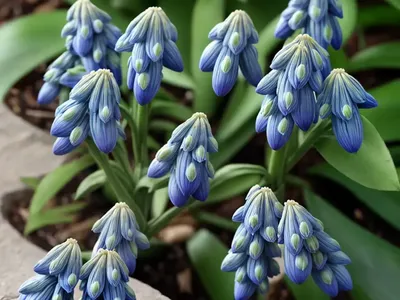
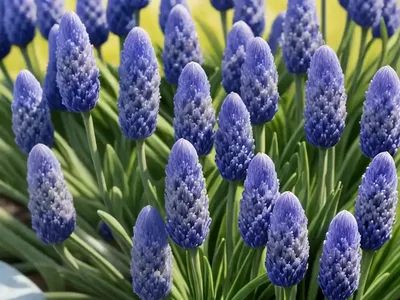
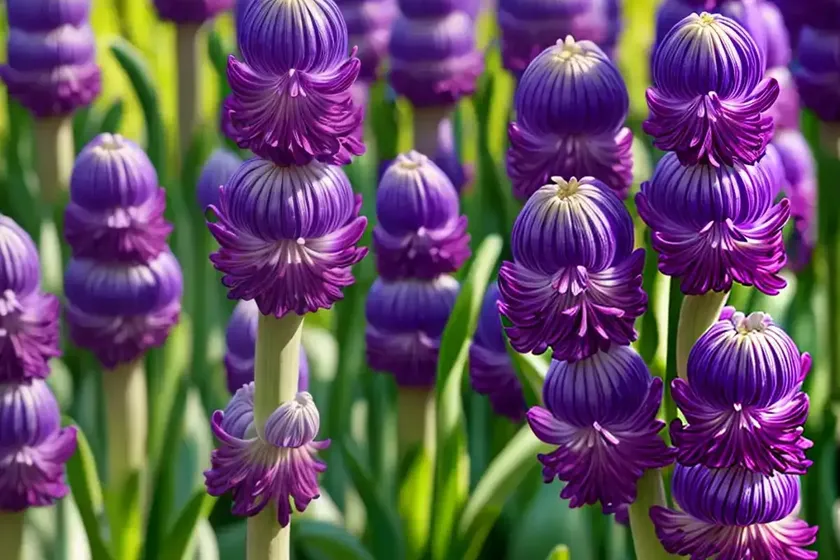
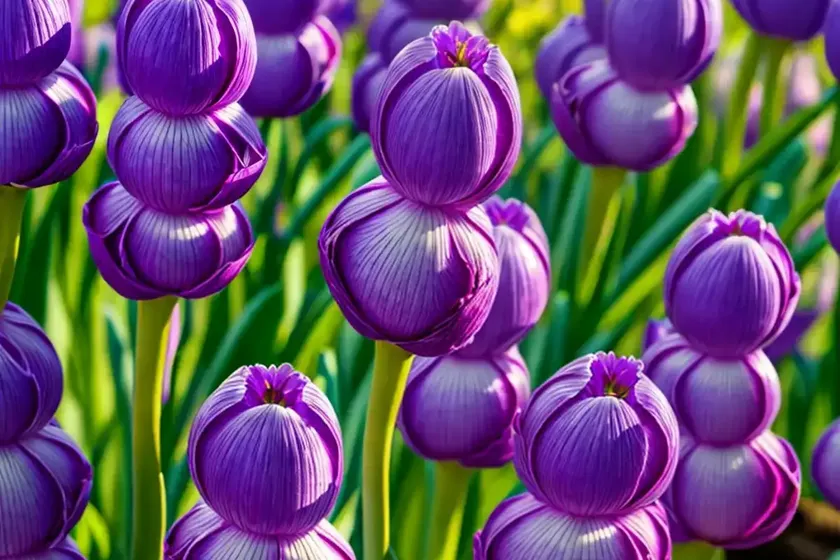
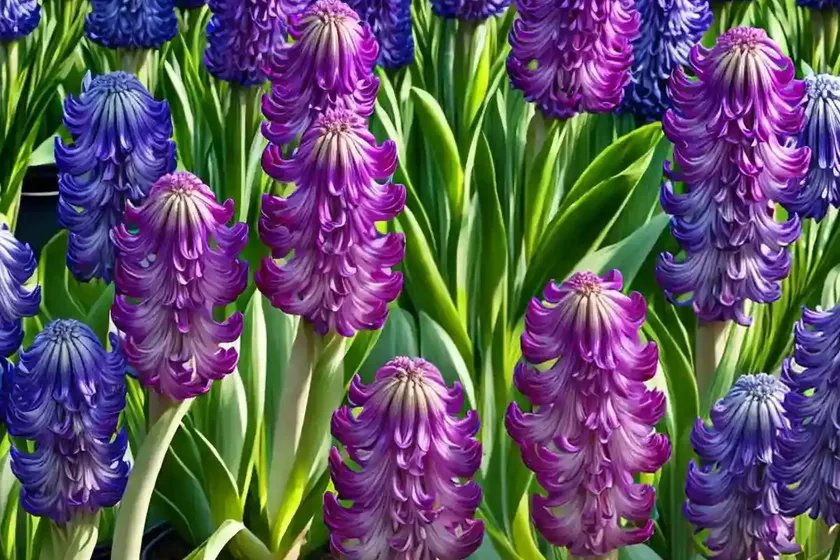
Hyacinthus orientalis ‘Woodstock’ is a cultivar of the common hyacinth (Hyacinthus orientalis), which is native to the eastern Mediterranean region and is widely cultivated for its ornamental value. This particular variety is renowned for its rich, deep purple flowers and intoxicating fragrance, adding a touch of elegance and allure to gardens, landscapes, and floral arrangements.
Key Takeaways – Hyacinthus orientalis ‘Woodstock’ (Dutch Hyacinth)
Before delving into the specifics, let’s highlight some key takeaways regarding the Dutch Hyacinth:
- Botanical Name: Hyacinthus orientalis ‘Woodstock’
- Common Name: Dutch Hyacinth
- Variety: Woodstock
- Flower Color: Deep Purple
- Fragrance: Intoxicating
- Family: Asparagaceae
Now that we have an overview of the Dutch Hyacinth, let’s explore the various aspects of its cultivation, care, and maintenance.
Culture
Uses
The Hyacinthus orientalis ‘Woodstock’ holds a special place in horticulture and is valued for a variety of uses, including:
- Ornamental Purposes: The vibrant blooms of the Dutch Hyacinth make it a popular choice for ornamental plantings in gardens, parks, and landscapes.
- Cut Flowers: The fragrant flowers are often used in floral arrangements, adding a burst of color and fragrance to indoor spaces.
- Fragrance Production: The cultivar’s intense fragrance has also made it a valuable component in the perfume industry, where its essential oils are used to create captivating scents.
Water
Proper watering is essential for the healthy growth and development of Hyacinthus orientalis ‘Woodstock’. Here are some key points to consider:
- Moist, Well-Draining Soil: Dutch Hyacinths prefer moderately moist, well-draining soil. Ensure that the soil does not become waterlogged, as this can lead to rot and other issues.
- Watering Frequency: During the growing season, water the plants regularly, especially during dry periods. However, it’s important to strike a balance and avoid overwatering.
Sunlight
The Dutch Hyacinth thrives in full to partial sunlight. When considering its placement in the garden or landscape, keep the following in mind:
- Full Sun: The plants benefit from receiving ample sunlight, preferably in the range of 6-8 hours of direct sun per day.
- Partial Shade: In hotter climates, providing the plants with some afternoon shade can help protect them from excessive heat and sunburn.
Fertilizer
Proper fertilization is vital for promoting healthy growth and vibrant blooms in Hyacinthus orientalis ‘Woodstock’. Consider the following fertilizer tips:
- Timing: Apply a balanced, all-purpose fertilizer in early spring as the plants begin to emerge from the soil.
- Avoid Excessive Nitrogen: Refrain from using high-nitrogen fertilizers, as they can encourage lush foliage but may hinder flower production.
Soil
The choice of soil and its quality directly impacts the overall health and performance of Dutch Hyacinths. Here are some soil guidelines to bear in mind:
- Well-Draining Soil: Dutch Hyacinths thrive in well-draining, fertile soil. Incorporating organic matter, such as compost, can enhance soil structure and fertility.
- pH Level: The ideal pH range for the soil is between 6.0 and 7.0. Conduct a soil test to assess the pH level and make necessary amendments if required.
Pruning
Pruning plays a crucial role in maintaining the health and aesthetics of Hyacinthus orientalis ‘Woodstock’. Follow these pruning techniques:
- Flower Removal: Once the flowers have faded, deadhead the spent blooms to prevent the plant from expending energy on seed production.
- Foliage Aftercare: Allow the foliage to naturally wither and turn yellow before removing it. This process enables the plant to reabsorb nutrients for the following year’s growth.
Propagation
Propagating Hyacinthus orientalis ‘Woodstock’ allows you to expand your plant collection and share the beauty of Dutch Hyacinths with others. Consider the following propagation methods:
- Offsets: Divide the bulb clusters (offsets) that form around the main bulb after the plants have finished flowering. Replant these offsets in suitable locations to propagate new plants.
- Bulb Scale Propagation: This method involves carefully removing scales from the mother bulb and planting them in a suitable propagation medium to encourage the development of new bulbs.
Container Popularity
Due to their compact size and vibrant blooms, Dutch Hyacinths are highly favored for container gardening. Here’s why they are a popular choice for container cultivation:
- Space-Efficient: Their compact growth habit makes them well-suited for small containers and window boxes, adding a pop of color to balconies and patios.
- Fragrance: When grown in containers, Dutch Hyacinths release their captivating fragrance, making them an ideal choice for outdoor seating areas.
Common Diseases
Hyacinthus orientalis ‘Woodstock’ is vulnerable to certain diseases that can affect its health and vigor. Being aware of common diseases can help you take proactive measures to protect your plants. Here are some prevalent diseases that may affect Dutch Hyacinths:
| Disease | Symptoms | Management |
|---|---|---|
| Bulb Rot | Soft, mushy bulbs | Ensure proper drainage |
| Botrytis Blight | Gray mold on foliage and flowers | Remove affected parts and improve air circulation |
| Powdery Mildew | White powdery patches on leaves | Provide good air circulation and avoid overhead watering |
Disease Diagnosis
Diagnosing diseases in Hyacinthus orientalis ‘Woodstock’ involves carefully observing the plants for symptoms such as discoloration, wilting, or unusual growth patterns. Consider the following tips for disease diagnosis:
- Regular Monitoring: Inspect the plants regularly for any signs of disease or distress.
- Consultation: If you notice concerning symptoms, seek guidance from a local extension office or a professional horticulturist for accurate diagnosis and treatment recommendations.
Common Pests
In addition to diseases, Dutch Hyacinths can fall prey to various pests. Being vigilant and proactive in pest management is essential to safeguard the plants. Here are some common pests that may affect Hyacinthus orientalis ‘Woodstock’:
- Aphids: These small, sap-sucking insects can cluster on the tender stems and foliage, causing stunted growth and distortion.
- Slugs and Snails: These mollusks can feed on the tender leaves and flowers of Dutch Hyacinths, leaving behind unsightly damage.
Botanist’s Tips
As a plant scientist, here are some expert tips for cultivating and caring for Hyacinthus orientalis ‘Woodstock’:
- Planting Depth: When planting the bulbs, ensure that they are placed at a depth of approximately 4-6 inches to promote healthy root development and stability.
- Mulching: Apply a layer of organic mulch around the plants to conserve moisture, suppress weeds, and insulate the bulbs from extreme temperatures.
Fun Facts
To delve deeper into the intriguing world of Hyacinthus orientalis ‘Woodstock’, here are some captivating fun facts:
- Historical Significance: Hyacinths have been cultivated for centuries and are associated with various mythological and historical references, particularly in ancient Greek mythology.
- Fragrance Variation: While the Woodstock cultivar is known for its intense fragrance, hyacinths come in a range of scents, including floral, fruity, and musky notes.
Links to External Resources
For further exploration of Hyacinthus orientalis ‘Woodstock’ and related topics, here are some valuable external resources:
- Royal Horticultural Society (RHS) – Hyacinthus orientalis ‘Woodstock’
- University of Minnesota Extension – Growing Spring-Flowering Bulbs
- American Society for the Prevention of Cruelty to Animals (ASPCA) – Toxic and Non-Toxic Plants: Hyacinth
In conclusion, Hyacinthus orientalis ‘Woodstock’ (Dutch Hyacinth) is a captivating and sought-after plant with a rich history and enchanting attributes. By understanding its cultural requirements, care tips, and potential challenges, you can create an enchanting display of vibrant blooms and intoxicating fragrances in your garden or landscape. Whether grown in the ground or in containers, the allure of the Dutch Hyacinth is sure to captivate all who encounter its beauty.
Remember, each aspect of Dutch Hyacinth care, from watering to soil preparation to pest management, plays a pivotal role in nurturing healthy and vibrant plants. By applying the insights gained from this guide and staying attuned to the needs of your Hyacinthus orientalis ‘Woodstock’, you can witness the delightful spectacle of its beautiful blooms each spring, creating a truly enchanting outdoor experience.
So go ahead, embrace the allure of the Hyacinthus orientalis ‘Woodstock’ and let the captivating fragrance and vivid colors of these exquisite blossoms grace your garden with their timeless charm.