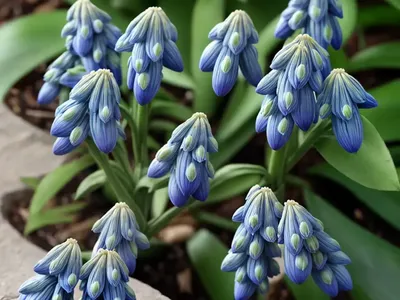
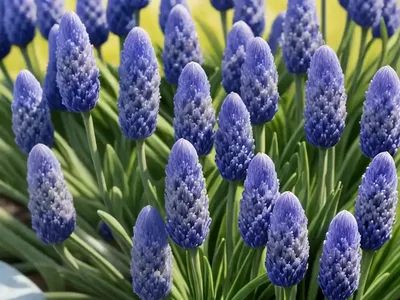
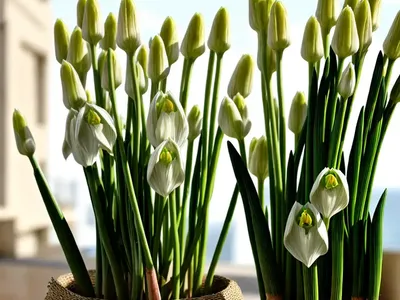
Hyacinthus Orientalis ‘White Festival’ (Dutch Hyacinth)
Hyacinthus orientalis, commonly known as the Dutch Hyacinth, is a genus of fragrant, spring-blooming bulbs that belong to the Asparagaceae family. The.
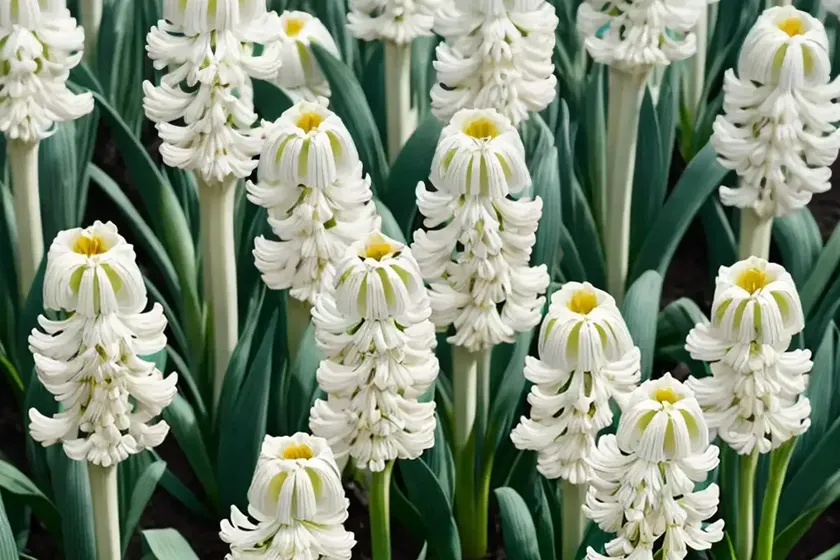
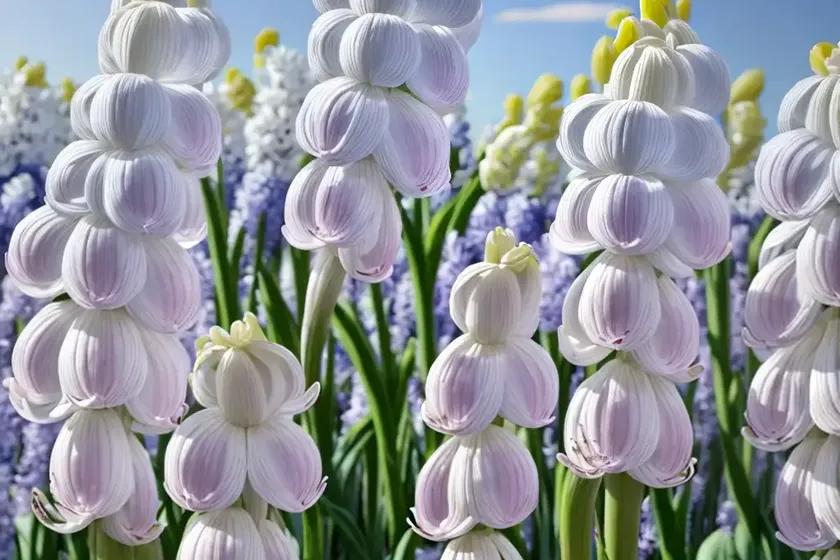
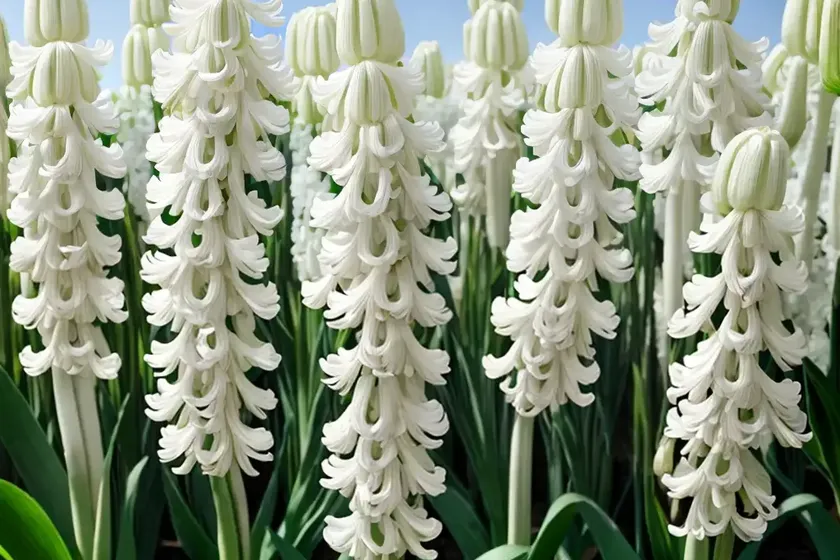
Hyacinthus orientalis, commonly known as the Dutch Hyacinth, is a genus of fragrant, spring-blooming bulbs that belong to the Asparagaceae family. The ‘White Festival’ variety is one of the many cultivars of this species that is celebrated for its beautiful, white flowers. In this comprehensive guide, we will delve into the various aspects of this stunning plant, from its cultural requirements to its uses, diseases, and pests.
What is Hyacinthus orientalis ‘White Festival’?
Hyacinthus orientalis ‘White Festival’ is a specific variety of Dutch Hyacinth known for its pristine white, fragrant flowers. This popular spring-blooming bulb produces dense spikes of highly fragrant, bell-shaped flowers and is a delightful addition to gardens, containers, and indoor displays.
With its captivating appearance and exquisite aroma, the ‘White Festival’ variety has earned a special place in the hearts of gardeners and flower enthusiasts. Understanding how to care for this plant properly is crucial to ensure its optimal growth and blooming.
Key Takeaways – Hyacinthus orientalis ‘White Festival’
Before delving into the detailed care guide, let’s summarize the key takeaways for the Hyacinthus orientalis ‘White Festival’ cultivar:
- Botanical Name: Hyacinthus orientalis ‘White Festival’
- Common Name: Dutch Hyacinth
- Plant Type: Spring-blooming bulb
- Flower Color: White
- Fragrance: Highly fragrant
- Uses: Gardens, containers, indoor displays
- Cultural Requirements: Adequate water, sunlight, well-draining soil, and occasional fertilization
- Diseases: Susceptible to bulb rot and fungal diseases
- Pests: Vulnerable to aphids and spider mites
- Pruning: Minimal pruning required after flowering
- Propagation: Through offsets or seeds
- Popularity: Widely grown for its ornamental value
- Special Feature: Fragrance and spring blooming
Now, let’s explore each of these aspects in detail to gain a comprehensive understanding of how to care for and appreciate the beauty of Hyacinthus orientalis ‘White Festival’.
Culture
Cultural requirements play a vital role in determining the health and vibrancy of Hyacinthus orientalis ‘White Festival’. This section will elucidate the various cultural needs of this exquisite plant.
Uses
Hyacinthus orientalis ‘White Festival’ offers a range of uses, making it a versatile addition to any garden or indoor display. The following are some of its most common uses:
- Gardens: Plant in garden beds, borders, or rock gardens to add a touch of elegance and fragrance to outdoor spaces.
- Containers: Ideal for container gardening, the ‘White Festival’ variety brightens up patios, balconies, and window sills with its enchanting blooms.
- Indoor Displays: The fragrant flowers make beautiful indoor arrangements, bringing the essence of spring into homes and offices.
Water
Proper watering is crucial for the health and vitality of Hyacinthus orientalis ‘White Festival’. The following guidelines will help ensure optimal watering practices:
- Spring: Water regularly during the spring growing season, keeping the soil evenly moist but not waterlogged to promote healthy flowering.
- Summer: Reduce watering after flowering and allow the foliage to die back naturally as the bulb enters dormancy.
- Autumn: During the dormant period, provide minimal water to prevent the bulb from rotting in excessively wet soil.
- Winter: Keep the soil relatively dry during winter, as the bulb remains dormant until the following spring.
Sunlight
Hyacinthus orientalis ‘White Festival’ thrives in adequate sunlight, and proper sun exposure is essential for its overall health and flowering. Consider the following sunlight preferences:
- Full Sun: Plant in an area that receives full sun to partial shade, providing at least 6 hours of direct sunlight daily for optimal flowering.
- Shade: While tolerant of partial shade, full sun exposure encourages robust growth and abundant flowering in ‘White Festival’ hyacinths.
Fertilizer
Feeding the bulb with the right nutrients at the appropriate time contributes to stronger growth and more vibrant blooms. Here are some fertilizer guidelines for Hyacinthus orientalis ‘White Festival’:
- Spring: Apply a balanced, water-soluble fertilizer when shoots emerge in spring to support healthy flower development.
- After Blooming: Once the flowers fade, continue to water the plant regularly and apply a slow-release bulb fertilizer to replenish the bulb for the following year’s bloom.
- Avoid Overfeeding: Refrain from excessive fertilization, as it can lead to lush foliage at the expense of flower production.
Soil
The soil composition influences the overall health and performance of Hyacinthus orientalis ‘White Festival’ significantly. Consider the following soil requirements:
- Well-Draining: Plant the bulbs in well-draining soil to prevent waterlogging, which can cause bulb rot and fungal diseases.
- pH Level: The ideal soil pH for hyacinths ranges from slightly acidic to neutral (pH 6.0-7.0), providing an optimum environment for nutrient uptake and growth.
- Soil Amendments: Incorporate organic matter such as compost or peat moss into the soil to improve its structure and fertility for the best results.
Pruning
Pruning is a minimal yet essential aspect of caring for Hyacinthus orientalis ‘White Festival’. Understanding the appropriate pruning techniques can enhance the plant’s appearance and ensure its continued vigor.
- After Flowering: Once the flowers have faded, remove the spent flower spikes and allow the foliage to continue growing until it withers and turns yellow.
- Minimal Intervention: Avoid excessive pruning or cutting back of foliage, as the leaves play a vital role in replenishing the bulb for the next year’s blooming cycle.
Propagation
The propagation of Hyacinthus orientalis ‘White Festival’ can be achieved through offsets or seeds. Here’s how to propagate this beautiful cultivar:
Offsets
- Division: After the foliage has withered in late spring or early summer, carefully lift the bulbs and separate the offsets from the parent bulb.
- Planting: Replant the offsets immediately at the same depth as the parent bulb, ensuring adequate spacing for them to grow and develop into mature bulbs.
Seeds
- Harvesting Seeds: Allow the flowers to fade and develop seed pods. When the pods turn brown and begin to split, harvest the seeds for propagation.
- Sowing Seeds: Sow the fresh seeds in a prepared seedbed or individual containers. Keep the soil consistently moist until germination occurs, typically within a few weeks to a few months.
Popularity
The ‘White Festival’ variety of Hyacinthus orientalis holds significant popularity among gardeners and flower enthusiasts for several compelling reasons:
- Fragrance: The intoxicating fragrance of the white blooms adds a delightful ambiance to any outdoor space or indoor setting.
- Spring Bloom: The vibrant, spring-blooming flowers signal the arrival of the new season, bringing joy and rejuvenation to gardens and landscapes.
- Ornamental Value: The elegant appearance of the ‘White Festival’ hyacinth makes it a sought-after choice for adding visual appeal to various garden settings.
- Versatility: Its versatility as a garden plant, container flower, and indoor display item makes it a favored selection for a wide range of gardening applications.
Common Diseases
Despite its captivating beauty, Hyacinthus orientalis ‘White Festival’ is susceptible to certain diseases that can affect its overall health and vigor. Understanding these common diseases is vital for implementing preventative measures and early intervention when necessary.
- Bulb Rot: Excessive moisture or poorly drained soil can lead to fungal infections and rotting of the bulb, causing stunted growth and wilting of the plant.
- Fungal Diseases: Various fungal pathogens can infect the foliage and flowers, causing spotting, discoloration, or decay, ultimately impacting the plant’s aesthetic and health.
Disease Diagnosis
Early identification of diseases is crucial for implementing effective treatment and preventing the spread of infections. Here are some diagnostic pointers for identifying diseases in Hyacinthus orientalis ‘White Festival’:
- Visual Symptoms: Look for signs of wilting, yellowing, browning, or spotting on the foliage, as well as unusual discoloration or decay on the flowers.
- Bulb Inspection: Check the bulbs for signs of softening, mold, or unpleasant odors, which indicate the presence of bulb rot or fungal infections.
- Environmental Factors: Assess the cultural conditions, such as watering, sunlight, and soil drainage, that may contribute to disease development and progression.
Common Pests
In addition to diseases, Hyacinthus orientalis ‘White Festival’ is susceptible to certain pests that can compromise its growth and flowering. Understanding these common pests and their management is essential for preserving the plant’s health.
Aphids
- Symptoms: Look for clusters of small, soft-bodied insects on the foliage or flower buds, as well as distorted or stunted growth caused by their feeding.
- Management: Use insecticidal soap or neem oil to control aphid populations, and introduce natural predators such as ladybugs to help keep their numbers in check.
Spider Mites
- Symptoms: Spider mite infestations often result in fine webbing on the foliage, yellow stippling, and leaf drop, signaling their presence and damage.
- Management: Regularly mist the plant to increase humidity, which can deter spider mites, and use horticultural oils to suffocate and control their populations.
Botanist’s Tips
Gardening enthusiasts and botany aficionados can benefit from the following tips when it comes to nurturing Hyacinthus orientalis ‘White Festival’ to its full potential:
- Fragrant Companions: Pair ‘White Festival’ hyacinths with other fragrant spring blooms such as daffodils and tulips for a sensory delight in the garden.
- Indoor Forcing: Force the bulbs for indoor blooms by chilling them for several weeks before bringing them into a warm, bright indoor environment for an early display of flowers.
- Naturalization: Allow the bulbs to naturalize in a suitable area, where they can multiply and create a stunning display of blooms over the years with minimal intervention.
Fun Facts
Uncover some fascinating and lesser-known facts about Hyacinthus orientalis ‘White Festival’:
- Ancient Symbolism: In Greek mythology, Hyacinth was a divine hero who metamorphosed into the flower that now bears his name, symbolizing sport and the beauty of youth.
- Perfume Production: The highly aromatic flowers of the hyacinth are utilized in the production of perfumes and fragrances, adding their intoxicating scent to various products.
- Edible Uses: While primarily grown for ornamental purposes, hyacinth flowers are edible and can be used to add a floral touch to salads, desserts, and beverages.
Links to External Resources
Expand your knowledge and explore further insights into Hyacinthus orientalis ‘White Festival’ by delving into the following external resources:
- Royal Horticultural Society – Growing Hyacinths
- University of Maryland Extension – Hyacinth Care and Cultivation
- American Society for the Prevention of Cruelty to Animals – Plants Toxic to Animals: Hyacinth
- Gardenia – Hyacinthus orientalis ‘White Festival’
In conclusion, Hyacinthus orientalis ‘White Festival’ stands as a charismatic and captivating addition to any garden, container, or indoor display. Understanding its cultural requirements, uses, diseases, and pests is essential for fostering its health and ensuring the enduring beauty of its fragrant, white blooms. With the insights gained from this comprehensive guide, you are well-equipped to cultivate and appreciate the charm of this remarkable Dutch Hyacinth cultivar.
Remember to immerse yourself in the sheer delight of its fragrance and the elegance of its spring flowering, welcoming the ‘White Festival’ hyacinth into your gardening endeavors with open arms.
.Whether dot or space-indenting (since it’s really all code anyway), a variable pitch font is provided for those with fixed-width font phobias.Through the website’s method, there was a specific style sheet that made parts of itcondensed font, but it didn’t seem to complete the job and cannot be detected.