Hyacinthus Orientalis ‘Carnegie’ (Dutch Hyacinth)
Hyacinthus orientalis ‘Carnegie’, commonly known as Dutch Hyacinth, is a stunning and fragrant spring-flowering bulb that belongs to the family.
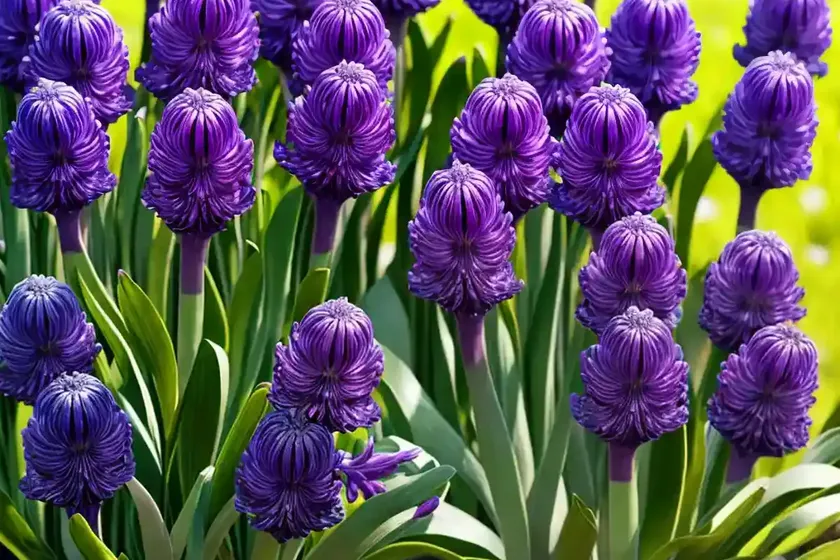
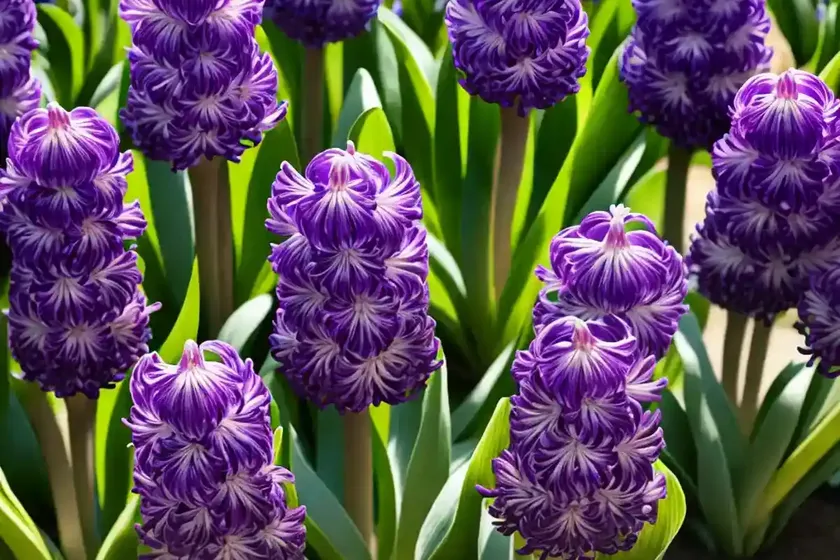
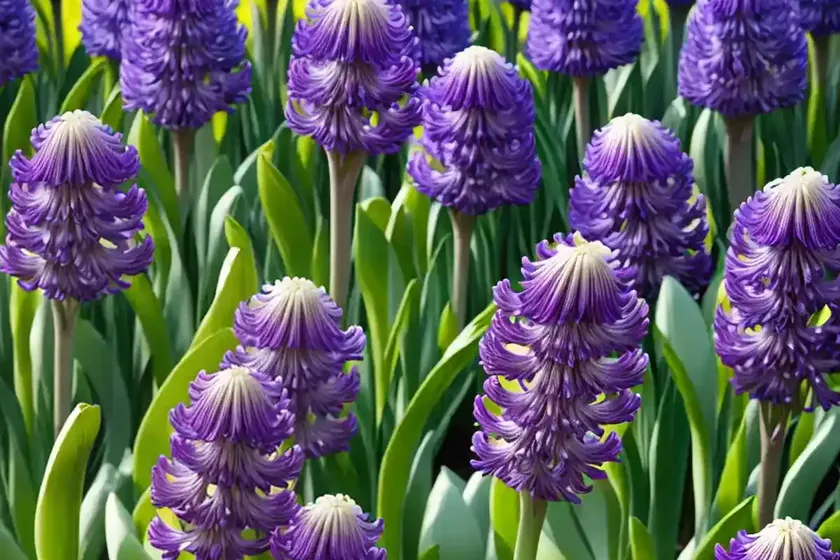
Hyacinthus orientalis ‘Carnegie’, commonly known as Dutch Hyacinth, is a stunning and fragrant spring-flowering bulb that belongs to the family Asparagaceae. This perennial plant is cherished for its dense spikes of colorful and highly fragrant flowers, making it a popular choice for gardeners who seek to add a touch of elegance and fragrance to their gardens. In this comprehensive guide, we will delve into the culture, uses, care tips, and much more, covering every aspect of Hyacinthus orientalis ‘Carnegie’ cultivation.
What is Hyacinthus orientalis ‘Carnegie’ (Dutch Hyacinth)?
Hyacinthus orientalis ‘Carnegie’, also known as the Dutch Hyacinth, is a perennial bulbous plant known for its fragrant and colorful flowers. It is native to the eastern Mediterranean, including Turkey and northern Iran. The plant has gained popularity as an ornamental plant due to its striking appearance and delightful fragrance. The flowers are densely packed into a spike, creating an eye-catching display in gardens, containers, and indoor settings.
Key Takeaways
Let’s start by summarizing the key takeaways about Hyacinthus orientalis ‘Carnegie’:
- Scientific Name: Hyacinthus orientalis ‘Carnegie’
- Common Name: Dutch Hyacinth
- Family: Asparagaceae
- Type: Perennial, Bulbous Plant
- Native: Eastern Mediterranean
- Uses: Ornamental, Fragrant Flowers
Now, let’s explore the various aspects of cultivating and caring for Hyacinthus orientalis ‘Carnegie’ in more detail.
Culture
Cultivating Hyacinthus orientalis ‘Carnegie’ requires a good understanding of its cultural requirements. From the soil to sunlight, and from watering to pruning, every aspect plays a crucial role in the plant’s overall health and flowering potential.
Uses
Before delving into the specifics of caring for Dutch Hyacinths, it’s essential to understand the different uses of these delightful plants.
Garden Planting: The delightful fragrance and colorful blooms of Hyacinthus orientalis ‘Carnegie’ make it a popular choice for garden borders and containers. The vibrant spikes of flowers create a captivating display in outdoor settings, attracting pollinators and delighting garden visitors.
Indoor Planting: Due to its pleasant fragrance, Hyacinthus orientalis ‘Carnegie’ is also a favorite for indoor forcing. Growing these bulbs indoors allows you to enjoy their beauty and scent during the winter months.
Cut Flowers: The long-lasting cut flowers of Dutch Hyacinth make them a perfect choice for floral arrangements and indoor decorations. Their sweet fragrance fills the room, making them a popular choice for indoor floral displays.
Now that we’ve explored the uses of Hyacinthus orientalis ‘Carnegie’, let’s move on to the specific cultural requirements for successful cultivation.
Water
Proper watering is essential for the healthy growth and flowering of Hyacinthus orientalis ‘Carnegie’. Here’s a breakdown of the watering needs for these delightful plants:
-
Spring Growth: During the spring growth period, it’s crucial to keep the soil consistently moist but not waterlogged. Adequate moisture during this stage ensures the development of strong and healthy foliage, setting the stage for abundant flowering.
-
Flowering Stage: Once the bulbs transition into the flowering stage, it’s essential to maintain moderate moisture levels. Avoid overwatering, as it can lead to bulb rot and other issues. Allow the soil to dry out slightly between watering to prevent waterlogged conditions.
-
Post-Flowering Care: After the flowering period, gradually reduce watering as the plant enters its dormant phase. Allow the foliage to die back naturally, reducing watering to prevent fungal diseases and other issues associated with excessive moisture.
Understanding the specific watering needs during different stages of growth is essential for the successful cultivation of Hyacinthus orientalis ‘Carnegie’.
Sunlight
Hyacinthus orientalis ‘Carnegie’ thrives in bright, direct sunlight, making it an excellent choice for sunny garden spots. Here are the sunlight requirements for Dutch Hyacinth:
-
Full Sun: Plant the bulbs in a location that receives full sun, ideally six to eight hours of direct sunlight per day. Bright sunlight contributes to sturdy stems, vibrant flower colors, and intense fragrance.
-
Partial Shade: While Dutch Hyacinths prefer full sun, they can tolerate partial shade, especially in regions with hot summers. However, prolonged shade can lead to leggy growth and reduced flowering.
Providing adequate sunlight is crucial for the overall health and flowering performance of Hyacinthus orientalis ‘Carnegie’.
Fertilizer
Proper fertilization is key to promoting healthy growth and vibrant blooms in Hyacinthus orientalis ‘Carnegie’. Here’s a guide to fertilizing these delightful plants:
-
Pre-Planting: Before planting the bulbs, incorporate a balanced, slow-release fertilizer into the soil to provide essential nutrients for the initial growth phase.
-
Spring Feeding: As the foliage emerges in spring, apply a balanced liquid fertilizer to support robust growth and flower development. Follow the manufacturer’s recommendations for dilution and frequency of application.
-
Post-Flowering: After the flowering period, you can apply a light application of balanced fertilizer to replenish the bulb’s nutrient reserves for the following year’s growth and flowering.
Avoid over-fertilizing, as it can lead to excessive foliage growth at the expense of flowers. Following a balanced feeding schedule can ensure healthy and vibrant Hyacinthus orientalis ‘Carnegie’ plants.
Soil
Hyacinthus orientalis ‘Carnegie’ thrives in well-draining soil with rich organic content. When planting these bulbs, it’s essential to ensure that the soil provides the ideal growing conditions. Here are the soil requirements for Dutch Hyacinth:
-
Well-Draining: Plant the bulbs in well-draining soil to prevent waterlogging, which can lead to bulb and root rot. Sandy loam or loamy soil with good drainage is ideal for Dutch Hyacinths.
-
pH Level: The soil pH should be slightly acidic to neutral, ranging from 6.0 to 7.0. Conduct a soil test before planting to determine the pH and make necessary amendments if the soil is too acidic or alkaline.
-
Organic Matter: Incorporate organic matter such as compost or well-rotted manure into the soil to improve its structure and fertility. Organic amendments enhance the soil’s ability to retain moisture and nutrients, supporting the growth of healthy Dutch Hyacinths.
Choosing the right soil and preparing the planting site accordingly is crucial for the successful establishment and growth of Hyacinthus orientalis ‘Carnegie’.
Pruning
Pruning plays a vital role in maintaining the health and appearance of Hyacinthus orientalis ‘Carnegie’. Here are some essential pruning tips for Dutch Hyacinths:
-
Deadheading: After the flowering period, promptly remove the spent flower spikes to prevent the plant from expending energy on seed production. Deadheading also improves the plant’s appearance and promotes strong bulb development for the following year.
-
Foliage Removal: Allow the foliage to yellow and wither naturally after the flowering period. Refrain from cutting back the foliage prematurely, as it hampers the bulb’s ability to store energy for the next growth cycle.
-
Cleanup: Once the foliage has completely died back, it can be gently removed from the planting area. Proper cleanup reduces the risk of disease and pest issues in the garden.
Understanding the appropriate pruning techniques and timing is essential for maintaining healthy and attractive Hyacinthus orientalis ‘Carnegie’ plants.
Propagation
Propagation of Hyacinthus orientalis ‘Carnegie’ can be achieved through various methods, including offsets, bulb division, and seeds. Here’s a brief overview of the propagation techniques for Dutch Hyacinth:
-
Offsets: Dutch Hyacinths produce offsets, also known as bulblets, alongside the main bulb. These offsets can be carefully detached and planted separately to establish new plants.
-
Bulb Division: Every few years, mature Hyacinth bulbs can be lifted and divided to create new plantings. When dividing the bulbs, ensure that each division has sufficient roots and stored energy for successful re-establishment.
-
Seeds: While less commonly practiced due to the lengthy time to flowering, Dutch Hyacinths can be propagated from seeds. Sow the seeds in well-draining soil, and provide the necessary conditions for germination and subsequent growth.
Understanding the various propagation methods allows gardeners to expand their Dutch Hyacinth collection and share the beauty of these plants with others.
Container Popularity
Hyacinthus orientalis ‘Carnegie’ is incredibly popular for container gardening due to its compact size, vibrant flowers, and delightful fragrance. Whether grown on patios, balconies, or windowsills, Dutch Hyacinths bring a touch of spring charm to container gardens.
In a container garden setting, the bulbs can be arranged in a visually appealing manner, allowing for creative and colorful displays. Additionally, the portability of containers enables gardeners to move the plants to optimal sunlight and indoor settings to protect them from adverse weather conditions.
Common Diseases
Like any plant, Hyacinthus orientalis ‘Carnegie’ is susceptible to certain diseases, including fungal infections and bacterial issues. Understanding these common diseases and their management is crucial for maintaining the health of Dutch Hyacinths.
Disease Diagnosis
Here are some common diseases that may affect Hyacinthus orientalis ‘Carnegie’:
-
Botrytis Blight: This fungal disease, caused by Botrytis cinerea, can lead to gray mold on the foliage and flowers of Dutch Hyacinths. It thrives in cool, damp conditions and can be managed through proper spacing, good air circulation, and fungicidal treatments if necessary.
-
Basal Rot: Basal rot, caused by Fusarium and Penicillium species, affects the bulb and basal plate of Hyacinths, leading to rotting and wilting of the foliage. Proper soil drainage and avoidance of overwatering can help prevent this issue.
-
Viral Diseases: Various viruses, such as Tobacco Rattle Virus and Cucumber Mosaic Virus, can affect Hyacinthus orientalis ‘Carnegie’, leading to stunted growth, leaf discoloration, and diminished flowering. Managing viral diseases involves preventing vector transmission and removing infected plants to prevent spread.
Understanding the symptoms and management strategies for common diseases is crucial for maintaining the health and vigor of Dutch Hyacinths in the garden.
Common Pests
In addition to diseases, Hyacinthus orientalis ‘Carnegie’ is also susceptible to certain pests that can affect its growth and flowering. Here are some common pests that may encounter Dutch Hyacinth:
-
Bulb Mites: These tiny pests can infest the bulbs of Hyacinthus orientalis ‘Carnegie’, leading to distorted growth and diminished vigor. Inspect bulbs before planting and discard any infested ones to prevent the spread of bulb mites.
-
Thrips: Thrips can cause damage to the foliage and flowers of Dutch Hyacinths, leading to distorted growth and silvery stippling on the leaves. Use insecticidal sprays to control thrips infestations and prevent damage to the plants.
-
Slugs and Snails: These mollusks can feed on the foliage and flowers of Hyacinthus orientalis ‘Carnegie’, leading to unsightly damage. Implement slug and snail control measures, such as traps and baits, to protect the plants from these pests.
Understanding the signs of pest infestations and implementing appropriate control measures is essential for protecting Dutch Hyacinths from potential damage.
Botanist’s Tips
To ensure the successful cultivation and care of Hyacinthus orientalis ‘Carnegie’, here are some valuable tips from botanists and experienced gardeners:
-
Planting Depth: When planting Dutch Hyacinth bulbs, ensure that they are placed at a depth of around 4 to 6 inches. Proper planting depth promotes stable growth and flowering.
-
Mulching: Apply a layer of organic mulch around the planted bulbs to conserve moisture, suppress weeds, and provide insulation against temperature fluctuations.
-
Air Circulation: Provide adequate spacing between planted bulbs to allow for good air circulation, reducing the risk of fungal diseases and promoting overall plant health.
-
Winter Protection: In regions with harsh winters, provide a layer of mulch or frost protection to insulate the bulbs and protect them from freezing temperatures.
Implementing these tips can contribute to the overall health and vitality of Hyacinthus orientalis ‘Carnegie’ in gardens and containers.
Fun Facts
Before we conclude our comprehensive guide, let’s explore some fun facts about Hyacinthus orientalis ‘Carnegie’ to deepen our appreciation for these delightful plants:
- Dutch Hyacinths are known for their intense fragrance, often described as sweet, floral, and captivating.
- The bulbs of Hyacinthus orientalis ‘Carnegie’ contain oxalic acid, which can cause skin irritation, making it essential to handle them with care.
- The flowers of Dutch Hyacinth are not only beautiful but also attract pollinators such as bees and butterflies when planted in garden settings.
Now that we’ve gained some fascinating insights into Dutch Hyacinths, it’s time to explore a list of external resources that provide additional information and guidance on cultivating and caring for Hyacinthus orientalis ‘Carnegie’.
Links to External Resources
To further enrich your knowledge and understanding of Hyacinthus orientalis ‘Carnegie’, consider exploring the following external resources:
- RHS Guide to Growing Hyacinths
- University of Vermont Extension: Hyacinth
- American Society for the Prevention of Cruelty to Hyacinths (ASPCA): Hyacinth Care Guide
- The Spruce: Growing Spring-Flowering Bulbs Indoor
These resources offer a wealth of information on planting, caring for, and enjoying the beauty of Hyacinthus orientalis ‘Carnegie’ in various garden and indoor settings.
Conclusion
In this comprehensive guide, we’ve explored the various facets of cultivating and caring for Hyacinthus orientalis ‘Carnegie’, also known as Dutch Hyacinth. From its delightful fragrance to its vibrant blooms, Dutch Hyacinths bring a sense of charm and elegance to gardens and container settings.
By understanding the cultural requirements, uses, care tips, and potential issues associated with Hyacinthus orientalis ‘Carnegie’, gardeners can embark on a rewarding journey of cultivating these beautiful and fragrant spring-flowering bulbs.
As you embark on your Dutch Hyacinth gardening journey, remember to seek inspiration from the beauty of these delightful plants and share their charm with others looking to enrich their garden with the vibrant colors and captivating scents of Hyacinthus orientalis ‘Carnegie’.