Plant Scientist Blog: Hosta ‘Stained Glass’ (Plantain Lily)
Introduction
Welcome to this comprehensive guide on the Hosta ‘Stained Glass’ (Plantain Lily), a stunning perennial plant that is widely loved by gardeners for its beautiful foliage and easy maintenance. In this blog post, we will explore the various aspects of this plant, including its cultural requirements, uses, care tips, and common diseases and pests. Whether you are a seasoned gardener or just starting out, this article will provide you with valuable insights into growing and caring for Hosta ‘Stained Glass’. Let’s dive in!
What is Hosta ‘Stained Glass’ (Plantain Lily)?
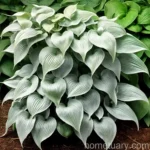
Hosta ‘Stained Glass’, also known as Plantain Lily, is a herbaceous perennial plant prized for its striking foliage and impressive growth habit. Belonging to the Hosta genus, this cultivar is renowned for its large, heart-shaped leaves with vibrant gold centers and dark green margins. It is a clump-forming plant that produces elegant lavender or white flowers on tall stems during the summer months, adding a touch of beauty to any garden or landscape.
The ‘Stained Glass’ variety is cherished for its exceptional coloration and robust nature, making it a popular choice for both beginner and experienced gardeners. With proper care, it can thrive in various growing conditions and enhance the aesthetic appeal of outdoor spaces.
Key Takeaways – Hosta ‘Stained Glass’ (Plantain Lily)
Let’s take a closer look at the key aspects of Hosta ‘Stained Glass’, including its cultural requirements, uses, and maintenance tips.
Culture
- Common Name: Hosta ‘Stained Glass’, Plantain Lily
- Botanical Name: Hosta ‘Stained Glass’
- Plant Type: Herbaceous perennial
- Mature Size: 18-30 inches in height, 36-48 inches in spread
- Growth Rate: Moderate
Uses
- Landscape Applications: Borders, woodland gardens, shade gardens, containers
- Aesthetic Qualities: Ornamental foliage, summer flowers, groundcover
Water
- Watering Needs: Regular watering, moist but well-draining soil
- Drought Tolerance: Moderate
Sunlight
- Light Requirements: Partial to full shade
- Sun Tolerance: Shade-loving plant
Fertilizer
- Feeding Schedule: Fertilize in spring and early summer
- Fertilizer Type: Balanced, slow-release fertilizer or organic compost
Soil
- Soil Type: Rich, moist, well-draining soil
- pH Level: Slightly acidic to neutral (pH 6.0-7.5)
Pruning
- Maintenance: Remove spent flower stems, trim back foliage in fall
- Cleanup: Cut back old foliage in early spring before new growth appears
Propagation
- Propagation Methods: Division, seed propagation
- Best Time for Division: Spring or fall
Container Popularity
- Container Gardening: Well-suited for containers and potted arrangements
- Container Size: Preferably large and deep containers to accommodate root growth
Common Diseases
- Disease Resistance: Generally resistant to diseases
- Common Issues: Slug and snail damage, foliar nematodes
- Preventive Measures: Proper sanitation, slug deterrents
Disease Diagnosis
- Symptoms to Watch Out For: Yellowing, wilting, leaf spots
- Diagnosis Steps: Visual inspection, soil analysis, professional consultation if needed
Common Pests
- Pest Susceptibility: Vulnerable to slugs, snails, and foliar nematodes
- Integrated Pest Management: Natural predators, barriers, organic pest control
Botanist’s Tips
- Cultural Suggestions: Provide consistent moisture, dappled shade, and organic amendments
- Maintenance Tips: Regular inspection for pests, sustainable gardening practices
Fun Facts
- Hybrid Origins: Hosta ‘Stained Glass’ is a result of selective breeding and hybridization
- Historical Significance: Hostas have been cultivated in Asia for centuries and were introduced to Europe in the 1700s
Links to External Resources
For more information on Hosta ‘Stained Glass’ (Plantain Lily) and related topics, consider exploring the following external resources:
- The American Hosta Society
- The Hosta Library
- Royal Horticultural Society – Hosta Care Guide
- University of Maryland Extension – Hosta Planting and Care
Stay tuned for the upcoming sections which will cover each aspect of Hosta ‘Stained Glass’ (Plantain Lily) in detail.