Iris Hollandica ‘Casablanca’ (Dutch Iris): A Complete Guide
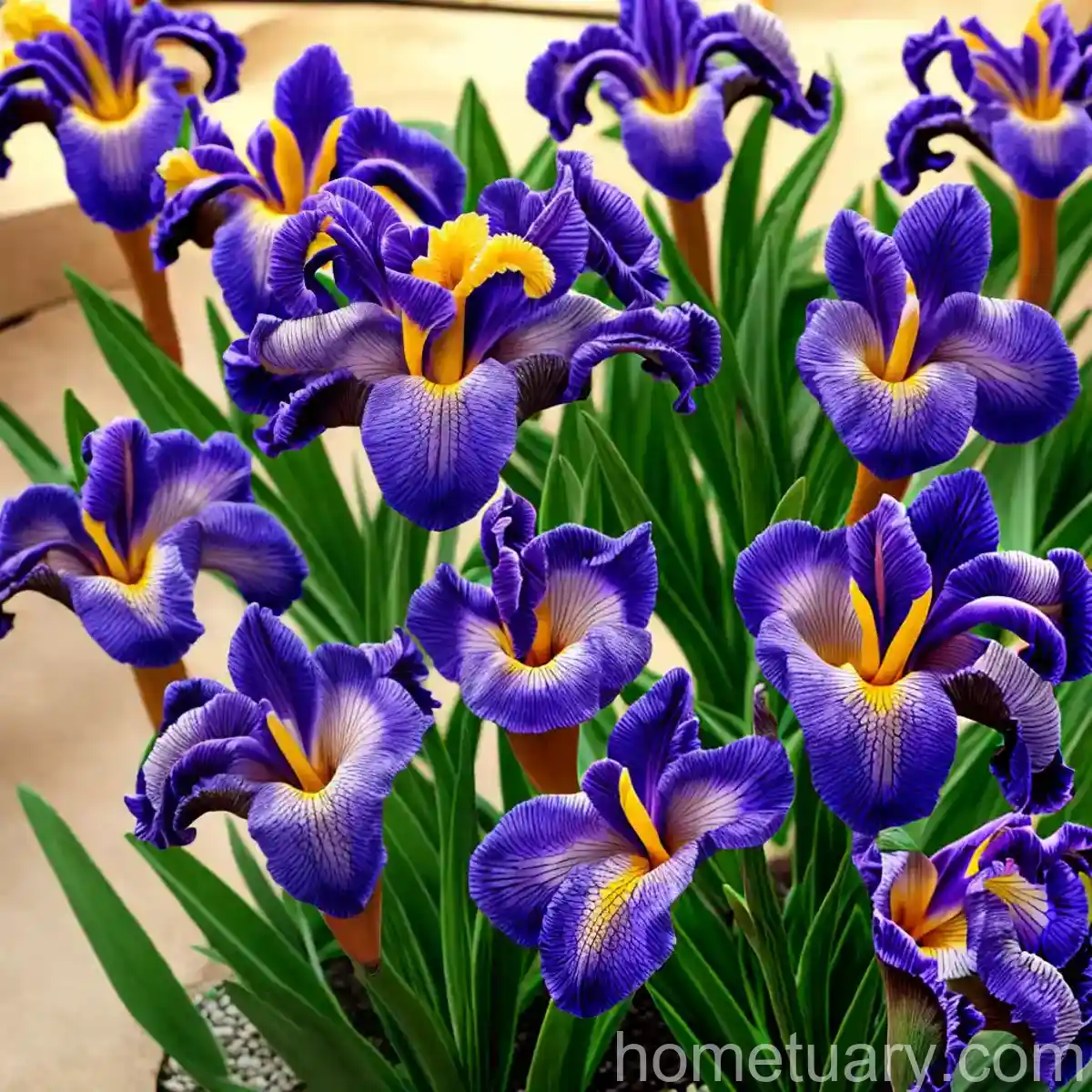
Iris hollandica ‘Casablanca’, commonly known as Dutch Iris, is a stunning flower that captivates the beholder with its elegant and vibrant blooms. In this comprehensive guide, we will delve into the various aspects of this beautiful plant – from its cultural requirements to its ecological significance. Whether you are considering adding Dutch Iris to your garden or are already cultivating these mesmerizing flowers, this guide will provide you with valuable insights and tips to promote their health and vitality.
What is Iris hollandica ‘Casablanca’ (Dutch Iris)?
Iris hollandica ‘Casablanca’, a member of the Iridaceae family, is a striking perennial bulbous plant renowned for its enchanting flowers. With its tall, slender stems and delicate blooms, Dutch Iris adds an air of sophistication to any garden or landscape. The plant’s name, ‘Casablanca’, evokes images of timeless elegance and allure, fitting for a flower of such remarkable beauty.
Key Takeaways – Iris hollandica ‘Casablanca’ (Dutch Iris)
Before delving into the specific details of cultivating and caring for Dutch Iris, let’s first establish the key takeaways about this exquisite plant:
- Scientific Name: Iris hollandica ‘Casablanca’
- Common Name: Dutch Iris
- Family: Iridaceae
- Hardiness Zones: 5 to 9 (USDA zones)
- Mature Height: 18 to 24 inches
- Bloom Time: Late spring to early summer
- Flower Colors: Varieties include white, blue, purple, and yellow
- Cultural Requirements: Well-drained soil, full sun, moderate water, and balanced fertilizer
- Main Uses: Garden beds, borders, cut flower arrangements
Now that we have a brief overview of Dutch Iris, let’s explore the intricate details of its cultural requirements, uses, and maintenance to help you cultivate these extraordinary flowers with confidence and ease.
Culture
Water
Proper watering is essential for the vitality and vigor of Dutch Iris. While the plant requires consistent moisture, it’s crucial to avoid overwatering, which can lead to bulb rot. During active growth and blooming, ensure that the soil remains moderately moist but not waterlogged. It’s advisable to reduce watering after the blooming period to prevent water accumulation, especially in regions with heavy rainfall.
| Watering Guidelines for Dutch Iris |
|---|
| – Spring and Summer: Regular watering to maintain moist but well-drained soil |
| – Fall and Winter: Reduce watering to prevent waterlogging and bulb rot |
| – Avoid excessive moisture during dormancy and storage periods |
Sunlight
Dutch Iris thrives in full sunlight, making it an ideal choice for open landscapes and garden beds receiving abundant sunlight. When selecting a planting location, prioritize areas with at least six to eight hours of direct sunlight to promote robust growth and prolific blooming. While partial shade may be tolerated, it can potentially result in reduced flowering and weaker stems.
Fertilizer
A balanced fertilizer regimen is crucial for maintaining the health and vigor of Dutch Iris. Before planting, incorporate a slow-release, balanced fertilizer into the soil to provide essential nutrients for the bulb’s initial growth. Additionally, supplement with a diluted liquid fertilizer during the active growth and blooming stages to support the plant’s nutrient requirements for optimal flower production.
| Fertilization Guidelines for Dutch Iris |
|---|
| – Pre-Planting: Incorporate slow-release, balanced fertilizer into the soil |
| – Active Growth: Apply diluted liquid fertilizer every 2 to 4 weeks during blooming period |
| – Avoid excessive use of high-nitrogen fertilizers, as it may promote foliage growth at the expense of blooms |
Soil
Well-drained soil with a slightly acidic to neutral pH range is ideal for Dutch Iris cultivation. Sandy loam soil, enriched with organic matter, facilitates proper drainage while providing sufficient nutrients for the plant’s development. Before planting, amend heavy or clay soils with compost or peat to improve their drainage properties and enhance the overall soil structure.
Uses
Garden Beds and Borders
Dutch Iris is a popular choice for garden beds, borders, and floral displays due to its graceful form and a wide array of available colors. When planted en masse or in clusters, these flowers create a captivating spectacle, especially when combined with complementary or contrasting blooms. Their tall, slender stems make them particularly suitable for creating visual interest in both formal and informal garden settings.
Cut Flower Arrangements
The elegant and long-lasting blooms of Dutch Iris make them an enduring favorite among floral enthusiasts. Whether used as standalone arrangements or combined with other flowers, their striking appearance and versatility add a touch of sophistication to any floral display. As cut flowers, Dutch Iris exude a timeless charm, making them a popular choice for special occasions and celebrations.
Pruning
Proper pruning and deadheading are essential practices for maintaining the health and appearance of Dutch Iris. Deadheading spent blooms not only enhances the plant’s aesthetic appeal but also redirects its energy towards bulb development and subsequent blooming cycles. When pruning, remove damaged or withered foliage to prevent disease spread and promote the plant’s overall vigor.
| Pruning Guidelines for Dutch Iris |
|---|
| – Deadheading: Regular removal of spent blooms to promote continuous flowering and bulb development |
| – Foliage Pruning: Trim damaged or withered foliage to prevent disease spread and maintain plant health |
Propagation
Dutch Iris can be propagated through various methods such as division of bulbs, offsets, and seeds. The division of bulbs is the most common and reliable propagation approach, allowing gardeners to create new planting stocks while revitalizing existing clumps.
Bulb Division
Step 1: Wait until late summer or early fall for the foliage to wither naturally, indicating the onset of dormancy.
Step 2: Carefully dig out the bulbs, ensuring minimal damage to the roots and basal plate.
Step 3: Separate the individual bulbs from the main clump, ensuring that each division possesses its own roots and viable growth points.
Step 4: Plant the divided bulbs at the recommended depth and spacing, ensuring proper soil preparation and post-planting care.
Offsets and Seeds
In addition to bulb division, offsets – small bulbils formed along the main bulb – can be carefully detached and replanted to establish new plants. However, this method may take longer to yield mature and blooming plants compared to bulb division. Furthermore, Dutch Iris also produce seeds that can be harvested and sown to raise new plants, although this process requires more time and patience.
Container
Dutch Iris can thrive in containers, offering versatility and mobility for gardeners with limited outdoor space or those desiring custom floral displays. When selecting containers for Dutch Iris, opt for those with adequate depth and drainage holes to accommodate the bulbs’ growth requirements and ensure proper water management. Additionally, choose a well-draining potting mix and provide sufficient sunlight to enhance the plant’s performance and flowering capacity.
| Container Gardening Tips for Dutch Iris |
|---|
| – Container Size: Select deep containers to accommodate the bulbs’ growth and development |
| – Drainage: Ensure the presence of drainage holes to prevent waterlogging and bulb rot |
| – Potting Mix: Use a well-draining, fertile potting mix to support the plant’s nutrient requirements and overall health |
Popularity
Dutch Iris, particularly the ‘Casablanca’ variety, has garnered widespread popularity due to its enchanting blooms and adaptability to various climatic conditions. Its popularity as a cut flower has further fueled its demand, making it a cherished choice among florists, floral designers, and enthusiasts seeking to incorporate its elegance into diverse floral arrangements and displays.
Common Diseases
Like many plants, Dutch Iris are susceptible to certain diseases and environmental stressors that can affect their growth and blooming patterns. Familiarizing yourself with common diseases and their associated symptoms is crucial for timely identification and effective management of potential issues.
Disease Diagnosis
1. Soft Rot:
- Symptoms: Water-soaked, slimy, and foul-smelling lesions on bulbs and stems.
- Management: Remove affected plants and ensure proper soil drainage to prevent disease spread.
2. Fungal Leaf Spot:
- Symptoms: Circular, water-soaked lesions on foliage with a dark border.
- Management: Remove and destroy affected foliage, provide adequate air circulation, and avoid overhead watering.
3. Botrytis Blight:
- Symptoms: Grayish mold on flowers and foliage, leading to rapid tissue decay.
- Management: Remove infected parts, ensure proper air circulation, and avoid excessive humidity.
Common Pests
In addition to diseases, Dutch Iris may also face challenges from various pests that can compromise their health and blooming potential. Vigilance and proactive measures are vital for pest control and the overall well-being of the plant.
1. Thrips:
- Signs of Infestation: Discolored and distorted foliage, silvery stippling, and deformed flowers.
- Control Measures: Use insecticidal soaps, neem oil, or horticultural oils to manage thrips populations.
2. Aphids:
- Signs of Infestation: Clusters of tiny, soft-bodied insects on stems and undersides of leaves.
- Control Measures: Utilize strong sprays of water, insecticidal soap, or neem oil to deter aphids and minimize their impact on the plant.
Understanding these common diseases and pests enables you to actively monitor your Dutch Iris for any signs of distress and intervene promptly to mitigate potential issues.
Botanist’s Tips
1. Optimal Planting Depth:
- Plant Dutch Iris bulbs at a depth of approximately 4 to 5 inches to ensure proper anchorage and insulation against temperature fluctuations.
2. Adequate Air Circulation:
- Ensure sufficient spacing between plants to promote air circulation, reducing the risk of fungal infections and fostering overall plant health.
3. Mulching Benefits:
- Apply a layer of organic mulch around Dutch Iris to conserve soil moisture, suppress weed growth, and enhance the soil’s organic content.
4. Companion Planting:
- Pair Dutch Iris with companion plants such as daylilies, peonies, and salvia to create visually appealing and harmonious garden compositions.
Fun Facts
To accentuate the allure and intrigue surrounding Dutch Iris, here are some captivating fun facts about this remarkable plant:
- The name “Iris” is derived from the Greek word for rainbow, reflecting the diverse range of colors exhibited by Iris flowers.
- Dutch Iris are often associated with attributes such as eloquence, wisdom, and valor, contributing to their symbolic significance in various cultures and traditions.
- The captivating blooms of Dutch Iris are a favorite subject for artists and painters, admired for their graceful form and vibrant hues.
- Dutch Iris have been featured in numerous literary works and poems, symbolizing sentiments of admiration, hope, and renewal.
Links to External Resources
To further enrich your knowledge and understanding of Dutch Iris, explore the following external resources that offer valuable insights and perspectives on this enchanting plant:
- American Iris Society – Dutch Iris
- Royal Horticultural Society – Growing Dutch Iris
- Better Homes & Gardens – How to Plant, Grow, and Care for Dutch Iris
- Gardener’s World – Dutch Iris Cultivation Guide
Incorporating Dutch Iris into your garden or floral displays elevates the aesthetic appeal and adds a touch of timeless elegance. With proper care, attention to cultural requirements, and an appreciation for their enduring allure, Dutch Iris can flourish and grace your surroundings with their captivating presence. Whether you are drawn to their symbolic significance, mesmerized by their vibrant blooms, or captivated by their historical and cultural connections, Dutch Iris undoubtedly stand as an enchanting botanical treasure.
Remember, the journey of cultivating Dutch Iris is not merely about nurturing a plant; it’s a celebration of elegance, vibrancy, and the timeless beauty that blooms anew each season, enriching our lives with its luminous splendor.