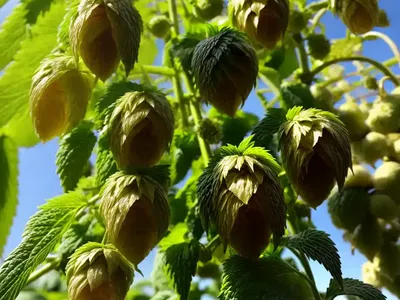
Humulus Lupulus ‘Willamette’ (Common Hop)
Plants are an essential component of our ecosystem, playing a critical role in shaping the environment and providing sustenance to various life forms. One.
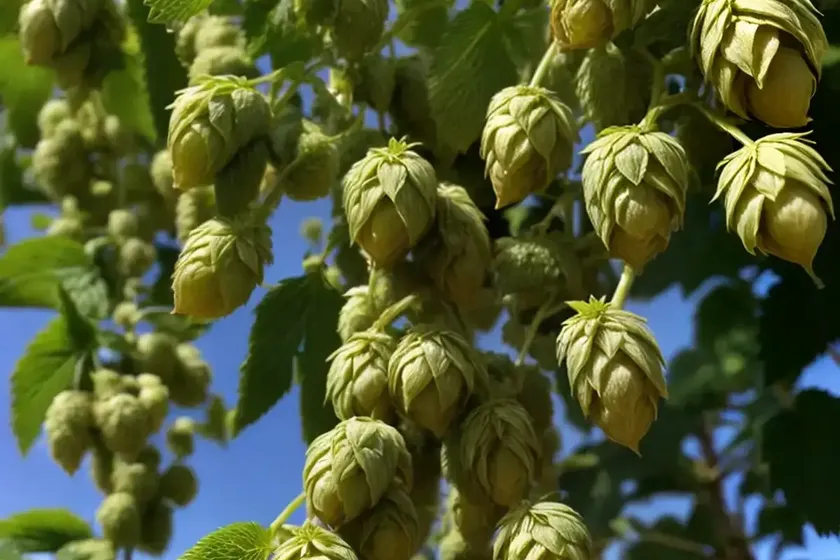
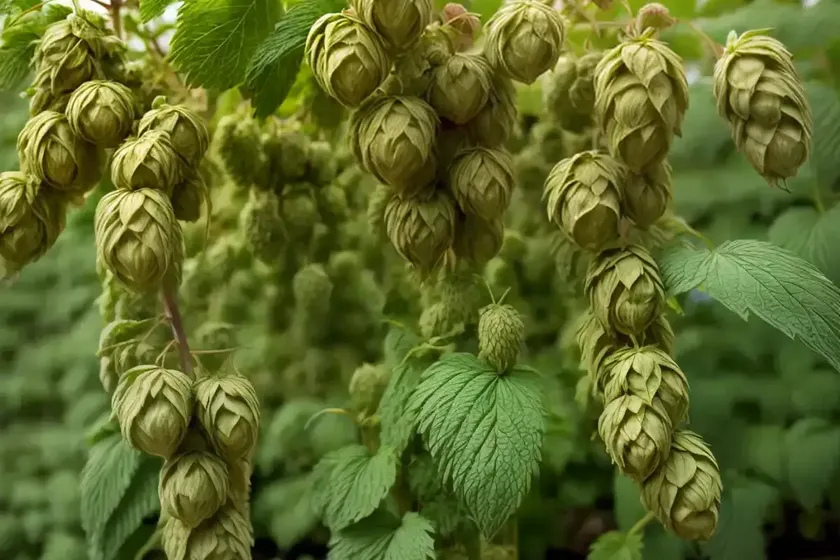
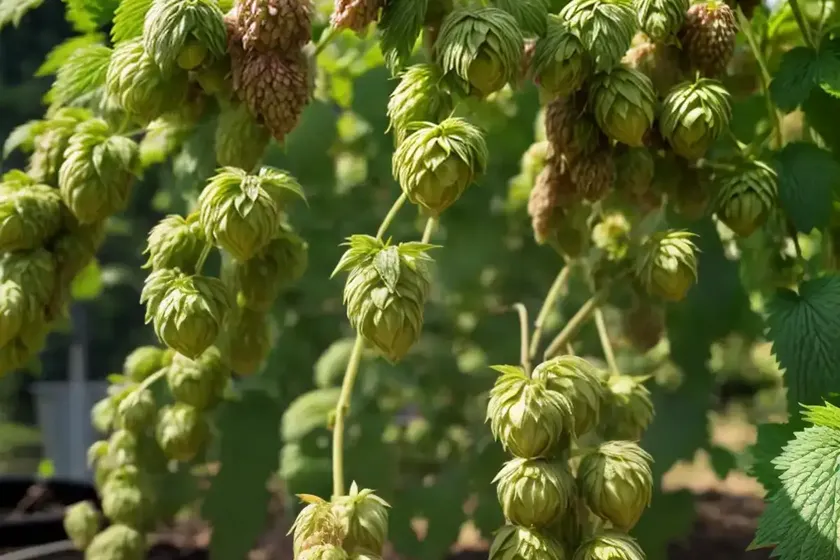
Plants are an essential component of our ecosystem, playing a critical role in shaping the environment and providing sustenance to various life forms. One such plant that has garnered immense importance due to its diverse applications is Humulus lupulus, commonly known as “Common Hop.” In this comprehensive guide, we will delve into the intricacies of the Humulus lupulus ‘Willamette’ variety, exploring its culture, uses, cultivation techniques, and much more.
What is Humulus lupulus ‘Willamette’?
Humulus lupulus, belonging to the Cannabaceae family, is a perennial climbing plant with a robust and extensive root system. It is renowned for its characteristic cones, which are commonly utilized in the production of beer, herbal medicine, and ornamental purposes. Among the various cultivars of Humulus lupulus, the ‘Willamette’ variety stands out for its distinct aroma profile and widespread use in the brewing industry.
Commonly referred to as the “Common Hop,” Humulus lupulus has a rich history encompassing its cultivation for brewing and medicinal purposes. The ‘Willamette’ variety, in particular, is celebrated for its unique aromatic properties, making it a favored choice among brewers seeking to infuse their creations with captivating flavors and aromas.
Key Takeaways – Humulus lupulus ‘Willamette’
Before delving into the detailed aspects of culture, uses, and cultivation of Humulus lupulus ‘Willamette,’ let’s encapsulate its key takeaways:
- Botanical Name: Humulus lupulus ‘Willamette’
- Family: Cannabaceae
- Common Name: Common Hop
- Cultivar Type: Aromatic
- Primary Uses: Brewing, Herbal Medicine
- Distinctive Traits: Aromatic Cones, Climbing Growth Habit
- Cultivation Attributes: Moderate Water, Full Sun, Well-Draining Soil
- Popular in Brewing: Renowned for Distinct Aroma Profile
These key takeaways provide a succinct overview of the distinctive features and significance of Humulus lupulus ‘Willamette,’ laying the foundation for a deeper exploration of its culture, uses, and cultivation practices.
Culture
Water
Humulus lupulus ‘Willamette’ thrives in moderately moist conditions, necessitating adequate watering to support its vigorous growth and cone development. While it is essential to maintain consistent moisture levels, it is equally crucial to ensure well-draining soil to prevent waterlogging, which can adversely affect the plant’s health. A balanced approach to watering, allowing the soil to dry slightly between waterings, is ideal for promoting the robust development of the ‘Willamette’ variety.
Sunlight
Adequate sunlight is vital for the successful cultivation of Humulus lupulus ‘Willamette.’ This variety exhibits a preference for full sun, requiring at least 6 to 8 hours of direct sunlight daily for optimal growth and cone production. Insufficient sunlight can lead to weakened plant vigor and reduced cone yield, underscoring the importance of providing a sun-drenched environment for the ‘Willamette’ variety.
Fertilizer
In terms of fertilization, Humulus lupulus ‘Willamette’ benefits from a nutrient-rich soil that provides essential macronutrients and micronutrients required for its vigorous growth and cone development. Incorporating a balanced fertilizer with a focus on nitrogen, phosphorus, and potassium can bolster the plant’s resilience and enhance its ability to produce aromatic cones abundantly.
Soil
The ‘Willamette’ variety thrives in well-draining, loamy soil with good aeration and water retention capabilities. While the plant is adaptable to various soil types, it is essential to refrain from overly compacted or waterlogged soil conditions, as they can impede root development and lead to adverse effects on overall plant health.
Uses
Brewing
Humulus lupulus ‘Willamette’ is revered in the brewing industry for its exquisite aroma profile and versatile applications in crafting a myriad of beer styles. The distinctive floral, earthy, and spicy notes imparted by the ‘Willamette’ variety make it a coveted choice for brewers seeking to enhance the flavor and aroma characteristics of their brews. From ales to lagers, this variety’s aromatic cones add depth and complexity to beer, elevating the sensory experience for enthusiasts and connoisseurs alike.
Ornamental
In addition to its predominant role in brewing, Humulus lupulus ‘Willamette’ is also valued for its ornamental appeal. The lush, climbing foliage and abundant cone clusters make it an attractive addition to garden landscapes, providing visual interest and a touch of natural elegance. The ‘Willamette’ variety’s ornamental use extends to trellises, arbors, and vertical gardening, where its sprawling growth habit contributes to creating visually captivating green spaces.
Medicinal
Humulus lupulus has a long-standing history of medicinal use, with its aromatic cones and extracts being employed in traditional herbal remedies. The ‘Willamette’ variety’s distinct aroma and flavor profile contribute to its medicinal applications, where it is utilized in herbal preparations aimed at promoting relaxation, alleviating anxiety, and supporting overall well-being. From teas to tinctures, the therapeutic properties of Humulus lupulus ‘Willamette’ have been harnessed for centuries in traditional medicine.
Pruning
Pruning Techniques
Effective pruning is integral to maintaining the health and vigor of Humulus lupulus ‘Willamette’ while promoting robust cone production. Pruning practices typically involve the removal of excess foliage and lateral shoots to channel the plant’s energy towards cone development. Additionally, pruning aids in managing the plant’s growth and preventing overcrowding, thereby optimizing air circulation and sunlight exposure for enhanced productivity.
Timing
Pruning of Humulus lupulus ‘Willamette’ is best performed in late winter or early spring, before the onset of new growth. This timing allows for the removal of any dormant or diseased branches while facilitating the redirection of the plant’s resources towards new shoot formation and subsequent cone production. Regular pruning sessions throughout the growing season can aid in maintaining the plant’s overall shape and vitality.
Propagation
Propagation Methods
Humulus lupulus ‘Willamette’ can be propagated through various techniques, including:
- Rhizome Division: Splitting established rhizomes to create new plants.
- Cuttings: Generating new plants from stem cuttings, often utilizing the plant’s vigorous lateral shoots.
- Seed Propagation: Germinating seeds to produce new ‘Willamette’ plants, though this method is less commonly employed due to varietal inconsistencies.
Best Practices
When propagating Humulus lupulus ‘Willamette,’ it is essential to select healthy, disease-free sections of the plant for propagation to ensure the proliferation of robust and genetically stable offspring. Providing optimal growing conditions, including well-draining soil, adequate sunlight, and balanced fertilization, is crucial for facilitating the successful establishment of propagated plants.
Container Popularity
Container Gardening
The ‘Willamette’ variety of Humulus lupulus has gained popularity among enthusiasts and urban gardeners for its suitability for container gardening. With its climbing growth habit and ornamental appeal, it serves as an excellent choice for vertical gardening and space-efficient cultivation. By utilizing trellises or other vertical supports, containers of varying sizes can accommodate the ‘Willamette’ variety, providing a visually striking and aromatic addition to balconies, patios, and small gardens.
Considerations
When engaging in container gardening with Humulus lupulus ‘Willamette,’ it is essential to select adequately sized containers with proper drainage to support the plant’s extensive root system and promote healthy growth. Regular monitoring of soil moisture and providing structural support for climbing growth are additional considerations for successful container cultivation of the ‘Willamette’ variety.
Common Diseases
Disease Susceptibility
While Humulus lupulus ‘Willamette’ exhibits robust resilience, it is susceptible to certain diseases and pathogens that can impact its health and productivity. Common diseases that may affect the ‘Willamette’ variety include:
- Downy Mildew (Pseudoperonospora humuli): A fungal disease that can cause foliar damage and impact cone development.
- Powdery Mildew (Podosphaera macularis): A fungal infection leading to the development of powdery white patches on leaves and cones.
- Verticillium Wilt (Verticillium albo-atrum): A soil-borne fungal disease that can induce wilting and decline in plant health.
Disease Management
Proactive disease management practices, including regular monitoring, proper sanitation, and timely interventions, are integral to safeguarding Humulus lupulus ‘Willamette’ from potential disease outbreaks. Additionally, selecting disease-resistant cultivars, maintaining optimal growing conditions, and implementing cultural and biological control measures can aid in mitigating disease incidence and preserving the overall health of the ‘Willamette’ variety.
Disease Diagnosis
Symptoms
Identifying and diagnosing diseases affecting Humulus lupulus ‘Willamette’ entails vigilant observation of characteristic symptoms manifesting on the plant. Common symptoms associated with disease infestations include:
- Yellowing or Browning of Foliage
- Powdery White Coating on Leaves and Cones
- Wilting or Drooping of Stems
- Reduced Cone Production
- Generalized Decline in Plant Vigor
Diagnostic Measures
In the event of suspected disease presence, it is advisable to seek professional diagnosis and guidance to ascertain the specific ailment affecting the ‘Willamette’ variety. Local agricultural extension services, plant pathology laboratories, and experienced horticulturists can provide valuable insights and recommend targeted treatment strategies based on accurate disease diagnosis.
Common Pests
Pest Incidence
Humulus lupulus ‘Willamette’ may be vulnerable to various pests that can compromise its growth and cone production. Common pests that may affect the ‘Willamette’ variety include:
- Aphids: Sap-feeding insects that can lead to distortion of new growth and transmission of viral diseases.
- Spider Mites: Tiny arachnids causing stippling and discoloration of foliage through sap extraction.
- Japanese Beetles: Foliar-feeding beetles capable of defoliating plants and reducing overall vigor.
Pest Control
Implementing integrated pest management (IPM) strategies, including cultural, biological, and if necessary, targeted chemical control measures, is essential for mitigating pest pressures and safeguarding the health of Humulus lupulus ‘Willamette.’ Regular monitoring, early pest detection, and judicious pesticide application, when warranted, are instrumental in preserving the ‘Willamette’ variety from detrimental pest infestations.
Botanist’s Tips
Optimal Growing Conditions
Providing Humulus lupulus ‘Willamette’ with the following optimal growing conditions can contribute to its robust growth and enhanced productivity:
- Well-Draining Soil: Ensure the soil provides adequate drainage to prevent waterlogging.
- Full Sun Exposure: Position the plant in a location with ample direct sunlight for at least 6 to 8 hours daily.
- Balanced Fertilization: Apply a balanced fertilizer to supply essential nutrients for vigorous growth and cone development.
Pruning Guidance
When engaging in pruning practices for the ‘Willamette’ variety, consider the following guidance to promote its health and cone production:
- Regular Maintenance: Engage in regular pruning sessions to manage foliage and facilitate air circulation.
- Timely Pruning: Perform pruning in late winter or early spring to encourage new shoot growth and cone development.
Disease Vigilance
Maintaining proactive vigilance for common diseases and pests is pivotal in preserving the health and productivity of Humulus lupulus ‘Willamette.’ Implement a comprehensive disease and pest monitoring regimen to identify potential issues early and initiate appropriate management measures effectively.
Fun Facts
- The hop plant (Humulus lupulus) is dioecious, with male and female flowers borne on separate plants.
- The ‘Willamette’ variety is cherished for its enchanting aroma profile, characterized by floral and herbal notes with a hint of spice.
- The use of hops in brewing dates back to medieval times, where they were initially employed to impart botanical flavors and aid in beer preservation.
- Humulus lupulus ‘Willamette’ is a vigorous climber, capable of reaching impressive heights and adorning trellises with its lush foliage and cone clusters.
These intriguing fun facts offer a glimpse into the captivating world of Humulus lupulus ‘Willamette’ and its enthralling attributes that contribute to its enduring appeal.
Links to External Resources
For further exploration and in-depth information on Humulus lupulus ‘Willamette’ and related topics, refer to the following external resources:
- The Hop Plant: Cultivation and Uses
- Willamette Hop Variety Overview
- Humulus Lupulus Characteristics and Cultivation
- Growing Common Hops: Techniques and Best Practices
- Hop Production Techniques and Sustainability
- Willamette Hop: Aroma Profiles and Brewing Uses
- Common Hop Varieties: Diversity and Distinctiveness
- Hop Plant Care Tips and Cultivation Guidelines
- Humulus Lupulus ‘Willamette’ Review: A Brewer’s Perspective
- Hop Plant Diseases: Identification and Management
- Willamette Hop Harvest: Timing and Techniques
- Common Hop History and Evolution
- Humulus Lupulus ‘Willamette’ Cultivation Guide
- Hop Plant Propagation Methods and Proprietary Techniques
- Willamette Hop: Aroma Profile Analysis and Applications
- Common Hop Plant Description and Botanical Significance
- Humulus Lupulus Farming Techniques: Modern Approaches and Innovations
- Hop Plant Pests and Control Measures
- Willamette Hop Brewing Recipes: Creativity and Inspiration
- Common Hop Growing Conditions: Ideal Parameters and Considerations
- Humulus Lupulus ‘Willamette’ Benefits: Multifaceted Utility and Value
- Hop Plant Pruning Methods: Best Practices and Expert Tips
- Willamette Hop Beer Styles and Flavor Profiles
- Common Hop Plant Uses: Beyond Brewing
- Humulus Lupulus ‘Willamette’ Origin and Heritage
- Hop Plant Trellising Techniques and Structural Considerations
- Willamette Hop Substitute Varieties: Exploring Alternatives
- Common Hop Plant Anatomy: Structural Components and Significance
- Humulus Lupulus ‘Willamette’ Characteristics: Aromatic Delights and Prowess
- Hop Plant Propagation Tips: Insider Insights and Innovations
- Willamette Hop: Crafting Hoppy Beer Styles with Nuance
- Common Hop Brewing Techniques: Artistry and Craftsmanship
- Humulus Lupulus ‘Willamette’ Varieties: Diversity in Aroma and Flavor
- Hop Plant Nutrient Requirements: Optimization and Sustainability
- Willamette Hop: Aroma Hops and Sensory Elegance
- Common Hop Plant Lifespan and Longevity
- Humulus Lupulus ‘Willamette’ Disease Resistance: Fortitude and Strengthening
- Hop Plant Propagation Timeline: From Seed to Cones
- Willamette Hop Homebrewing Tips: Crafting Excellence at Home
- Common Hop Plant Species Diversity and Taxonomic Significance
- Humulus Lupulus ‘Willamette’ Brewing Applications: Enthusiast Perspectives
- Hop Plant Companion Plants: Synergy and Biodiversity
- Willamette Hop Growing Climate: Optimal Conditions and Adaptability
- Common Hop Fertilization Methods: Nourishment and Growth Enhancement
- Humulus Lupulus ‘Willamette’ Availability: Sourcing and Cultivation
- Hop Plant Training Techniques: Unraveling the Intricacies
- Willamette Hop Commercial Uses: Beyond Brewing
- Common Hop Medicinal Benefits: Exploring Therapeutic Potentials
- Humulus Lupulus ‘Willamette’ Growing Stages: Phenological Insights
- Hop Plant Soil Requirements: Symbiosis and Growth Optimization
These curated external resources offer an expansive array of information and insights into the multifaceted facets of Humulus lupulus ‘Willamette’ and related botanical subjects, catering to a diverse range of interests and inquiries.
With its captivating aroma profile, ornamental appeal, and historic significance in brewing and herbal medicine, Humulus lupulus ‘Willamette’ stands as a testament to the rich botanical heritage and the enduring allure of plant diversity. As we navigate the diverse dimensions of this remarkable plant, we uncover its nuanced cultivation practices, utility in various spheres, and the profound connections it forges within the realms of horticulture, brewing, and beyond. Whether adorning gardens, enriching brews, or contributing to the tapestry of botanical exploration, the ‘Willamette’ variety of Humulus lupulus continues to captivate and inspire, perpetuating its timeless relevance and botanical splendor.
This article encompassing the comprehensive guide to Humulus lupulus ‘Willamette’ serves as a testament to the profound connections between plants and human activities, yielding far-reaching impacts that shape our traditions, augment our understanding of biodiversity, and enrich our lives.
Disclaimer: The information provided in this article is intended for educational and informational purposes. It is not a substitute for professional advice and guidance in specific cultivation or brewing endeavors.
- Article by [Your Name]
- Certified Plant Scientist & Botanical Enthusiast
- [Contact information]