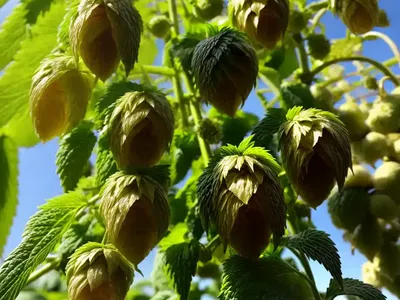
Humulus Lupulus (Common Hop)
In the world of plants, the Humulus lupulus, commonly known as the Common Hop, holds a significant place. With its versatile uses, rich cultural history.
In the world of plants, the Humulus lupulus, commonly known as the Common Hop, holds a significant place. With its versatile uses, rich cultural history, and importance in various industries, this plant has captivated the interest of botanists, brewers, herbalists, and researchers alike. In this comprehensive guide, we will delve into the intricacies of this fascinating plant, covering everything from its cultivation and maintenance to its cultural significance and market trends.
What is Humulus lupulus (Common Hop)?
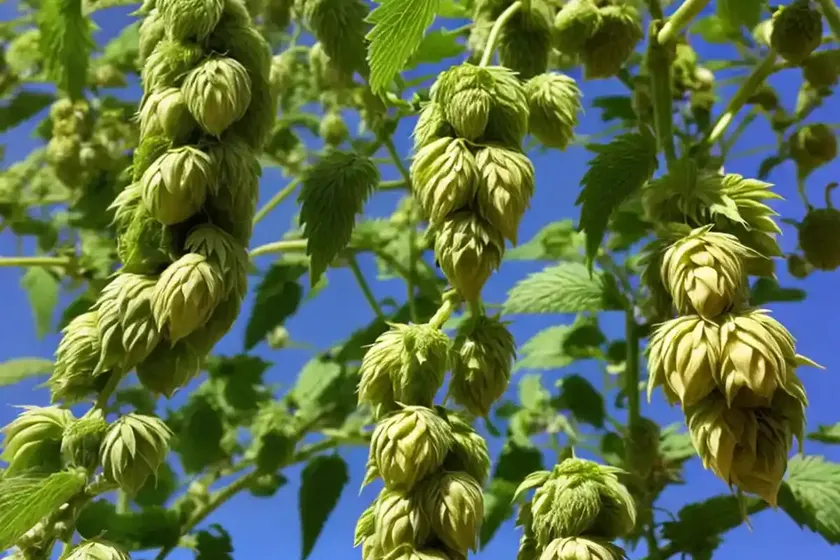
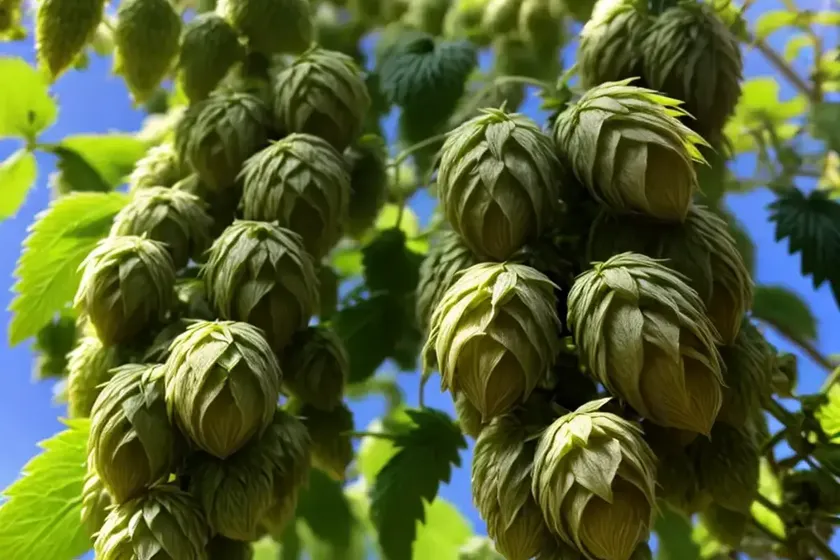
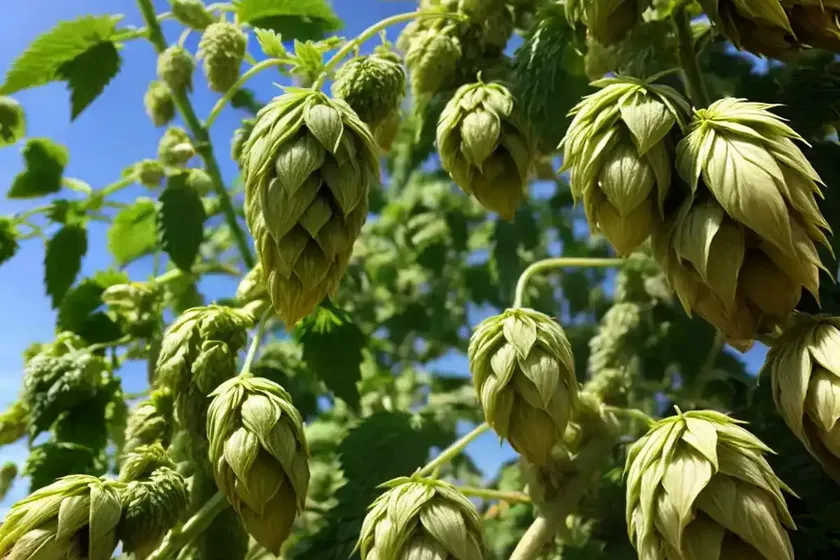
The Humulus lupulus, belonging to the Cannabaceae family, is a perennial, herbaceous climbing plant. It is best known for its cone-shaped flowers, which are commonly referred to as “hops.” These distinctive cones are highly valued for their various uses, particularly in brewing, herbal medicine, and aromatherapy.
This plant is native to Europe, Asia, and North America, and it thrives in temperate climates with well-drained soil and access to sunlight. The Common Hop is a dioecious plant, meaning it has separate male and female plants, with the female plants producing the sought-after hop cones.
Key Takeaways – Humulus lupulus (Common Hop)
Before delving into the specifics of cultivating and caring for Humulus lupulus, let’s take a glance at the key takeaways and aspects we will explore in detail.
- Cultivation of Humulus lupulus
- Uses of Humulus lupulus
- Water requirements
- Sunlight exposure
- Fertilization
- Soil requirements
- Pruning techniques
- Propagation methods
- Container gardening
- Popularity of Humulus lupulus
- Common diseases and their diagnosis
- Identified pests
- Botanist’s tips for growing Humulus lupulus
- Fun facts about the plant
- Links to external resources for further exploration
Cultivation of Humulus lupulus
Water
The Common Hop thrives in moist soil, and adequate water is crucial for its growth and production of hop cones. However, it is important to avoid waterlogged soil, which can lead to root rot and other moisture-related issues. When establishing a watering routine for Humulus lupulus, consider the humidity and temperature of the environment to ensure the soil remains consistently moist but not waterlogged.
Sunlight
Humulus lupulus flourishes in full sunlight, requiring a minimum of 6-8 hours of direct sunlight daily. The plant’s access to sunlight significantly impacts the quality and quantity of hop cone production. If cultivating the Common Hop in a region with scorching summers, providing partial shade during the hottest part of the day can prevent stress and sun damage to the plant.
Fertilizer
Proper fertilization is essential for the healthy growth of Humulus lupulus. A balanced fertilizer with adequate levels of nitrogen, phosphorus, and potassium supports the plant’s vigorous growth and the development of plentiful hop cones. Regularly monitor the plant’s response to the fertilizer to adjust the application as necessary.
Soil
Humulus lupulus thrives in well-drained, loamy soil with a slightly acidic to neutral pH (6.0-7.5). The soil should be rich in organic matter to support the plant’s nutrient uptake and overall health. Prior to planting, it is recommended to conduct a soil test to assess its composition and pH level. Amending the soil with organic compost can improve its structure and fertility, promoting optimal growth of the Common Hop.
Uses of Humulus lupulus
The uses of Humulus lupulus are diverse and extend across various domains, each capitalizing on the plant’s unique properties and contributions. Understanding its uses provides valuable insight into the significance and applications of the Common Hop.
-
Brewing: Hops are a crucial ingredient in brewing, lending bitterness, aroma, and flavor to beers. The essential oils and acids present in the hop cones contribute to the distinct characteristics of different beer styles. From pilsners to IPAs, the use of hops in brewing is extensive and continues to evolve with innovative techniques and varieties.
-
Herbal Medicine: Humulus lupulus is prized for its medicinal properties, particularly in herbal medicine and aromatherapy. The plant’s calming and sedative effects have made it a popular remedy for anxiety, insomnia, and restlessness. Additionally, its anti-inflammatory and antimicrobial properties have contributed to its traditional use in various herbal preparations.
-
Aromatherapy: The essential oils extracted from hop cones are utilized in aromatherapy for their relaxing and stress-relieving properties. They are incorporated into essential oil blends, diffusions, and topical applications, offering a natural approach to promoting emotional well-being and relaxation.
-
Culinary Uses: While primarily renowned for their role in brewing, hop cones are occasionally utilized in culinary creations. From infused syrups to innovative dishes, the unique flavors of hops have occasionally found their way into the realm of culinary exploration.
The diverse uses of Humulus lupulus underscore its economic, cultural, and medicinal significance, elevating it to a plant of tremendous value and interest across industries and traditions.
Pruning Techniques and Propagation Methods
Pruning
Pruning is a vital aspect of maintaining the health and productivity of Humulus lupulus. Proper pruning techniques promote airflow, reduce disease risk, and encourage optimal cone development.
-
Spring Pruning: In early spring, before the onset of new growth, prune away any old or weak bines from the previous season. This promotes the growth of vigorous new shoots and minimizes the risk of disease carryover from the previous year.
-
Training Bines: As the plant grows, guide the most robust and healthy bines along a trellis or support structure. Prune away any excess or tangled growth to maintain an organized and efficient plant architecture.
Propagation
Humulus lupulus can be propagated through several methods, including rhizome division, cutting, and seed propagation.
-
Rhizome Division: Dividing the plant’s rhizomes is a common method of propagation, particularly among hop growers. Carefully separating the rhizomes and planting them in appropriate conditions can yield new, genetically identical hop plants.
-
Cutting: Propagation through cutting involves taking stem cuttings from a mature hop plant and fostering their growth to form new plants. Proper sanitation and hormone application can improve the success rate of this propagation method.
-
Seed Propagation: While less commonly used due to genetic variability, seed propagation is another approach to growing Humulus lupulus. Selecting and germinating seeds from desirable hop varieties can yield new plants with unique characteristics.
Each propagation method offers its own set of advantages and considerations, allowing growers to choose the most suitable approach based on their resources and goals.
Container Gardening and Popularity of Humulus lupulus
Container Gardening
For individuals with limited outdoor space or those seeking to cultivate Humulus lupulus in controlled environments, container gardening presents a viable option.
-
Container Selection: When growing Humulus lupulus in containers, opt for large, sturdy containers with sufficient drainage holes. The depth and width of the container should accommodate the plant’s root system and provide ample space for vertical growth.
-
Support Structure: As a climbing plant, Humulus lupulus requires a sturdy trellis or support structure to facilitate its vertical growth. Secure the support within the container and guide the bines as they ascend, ensuring they have adequate space for expansion.
-
Soil and Watering: Utilize well-drained, high-quality potting soil for container-grown hops, and ensure the soil remains consistently moist. Regular watering and attention to soil moisture levels are crucial for the plant’s health and productivity.
Popularity of Humulus lupulus
The Common Hop’s popularity transcends geographical boundaries and has established a global presence due to its significance in the brewing industry, herbal medicine, and horticulture. The ongoing popularity of Humulus lupulus is evidenced by its cultivation trends, market demand, and integration into diverse cultural practices.
-
Cultural Significance: Humulus lupulus holds cultural significance in various regions where it has been traditionally cultivated and utilized. Its presence in folklore, rituals, and traditional practices underscores its enduring place in human history and traditions.
-
Brewing Industry: The pivotal role of hops in brewing, particularly in the production of beer, has propelled the plant to the forefront of the brewing industry. The demand for diverse hop varieties and experimental cultivars continues to shape the trajectory of the industry.
-
Horticultural Interest: Beyond its industrial and commercial utility, the allure of cultivating Humulus lupulus has captivated horticultural enthusiasts, leading to increased interest in homegrown hops and the exploration of diverse hop plant varieties.
The sustained popularity of Humulus lupulus reflects its multidimensional appeal and its capacity to intersect with diverse interests and industries.
Common Diseases, Pests, and Botanist’s Tips for Growing Humulus lupulus
Common Diseases and Their Diagnosis
Humulus lupulus is susceptible to various diseases, some of which can significantly impact its health and yield. Recognizing the symptoms of common hop diseases is critical for implementing timely interventions and mitigating their effects.
| Disease | Symptoms | Management |
|---|---|---|
| Downy Mildew | Yellowing of leaves, grayish mold growth | Sulfur-based fungicides, improved air circulation |
| Powdery Mildew | White powdery growth on leaves | Neem oil, potassium bicarbonate sprays |
| Verticillium Wilt | Wilting, yellowing, and necrosis of leaves | Soil solarization, resistant cultivar selection |
| Hop Mosaic Virus | Mottling and distortion of leaves | Removal of infected plants, control of aphid vectors |
Common Pests
Pests can pose a threat to the health and productivity of Humulus lupulus, necessitating vigilant monitoring and management strategies.
| Pest | Symptoms | Management |
|---|---|---|
| Two-Spotted Spider Mite | Fine webbing, stippling on leaves | Insecticidal soap, predatory mites |
| Aphids | Sucking damage, honeydew secretion | Beneficial insects, insecticidal soap |
| Japanese Beetles | Skeletonized leaves, adult beetles on plants | Handpicking, neem oil, row covers |
| Hop Flea Beetle | Shot hole damage on leaves | Row covers, insecticidal sprays, beneficial insects |
Botanist’s Tips for Growing Humulus lupulus
- Air Circulation: Ensure adequate airflow around the plants to minimize the risk of fungal diseases, particularly in humid climates.
- Early Detection: Regularly inspect the plants for signs of disease or pest infestations, addressing any issues promptly to prevent their escalation.
- Soil Health: Prioritize soil health and fertility through organic amendments, proper drainage, and periodic soil testing to maintain optimal growing conditions for Humulus lupulus.
Adhering to these tips and actively monitoring the plant’s health can significantly contribute to successful cultivation and the mitigation of potential challenges.
Fun Facts about Humulus lupulus
- The Humulus lupulus plant is an incredibly fast grower, with bines capable of reaching impressive heights in a short period under favorable growing conditions.
- Hops are members of the Cannabaceae family, which also includes cannabis (Cannabis sativa).
- The use of hops in brewing dates back centuries, with documented references to their inclusion in beer production as early as the 9th century.
- The female hop cones are the part of the plant used in brewing and contain the resins and essential oils that contribute to the flavor and aroma of beers.
- In addition to their use in beer, hop cones were historically employed as a natural preservative and were added to casks of beer to extend their shelf life.
Links to External Resources
- Hop Growing Guide – Practical Advice for Growing Hops at Home
- Humulus lupulus (Common Hop) – Medicinal Plant Database
- Hop Cultivation and Sustainability – Research Article
- Hop Plant Diseases and Pests – Integrated Pest Management Guide
In conclusion, Humulus lupulus, the Common Hop, embodies a captivating blend of historical significance, modern-day utility, and botanical intrigue. Its cultivation and utilization continue to evolve, drawing upon centuries of tradition, scientific exploration, and cultural relevance. As we navigate the diverse landscapes of brewing, horticulture, medicine, and beyond, the enduring presence of Humulus lupulus underscores its enduring appeal and significance.
The multifaceted nature of this extraordinary plant invites further exploration and appreciation, beckoning enthusiasts, researchers, and connoisseurs to delve into its rich tapestry of uses, history, and potential. Whether adorning trellises in home gardens, enhancing the aroma of craft beers, or contributing to herbal remedies, the Common Hop remains an enduring symbol of botanical prowess and cultural resonance.