Hemp (Cannabis Sativa)
As a plant scientist, I am always fascinated by the incredible diversity and potential of various plant species. Hemp (Cannabis sativa) is one such plant.
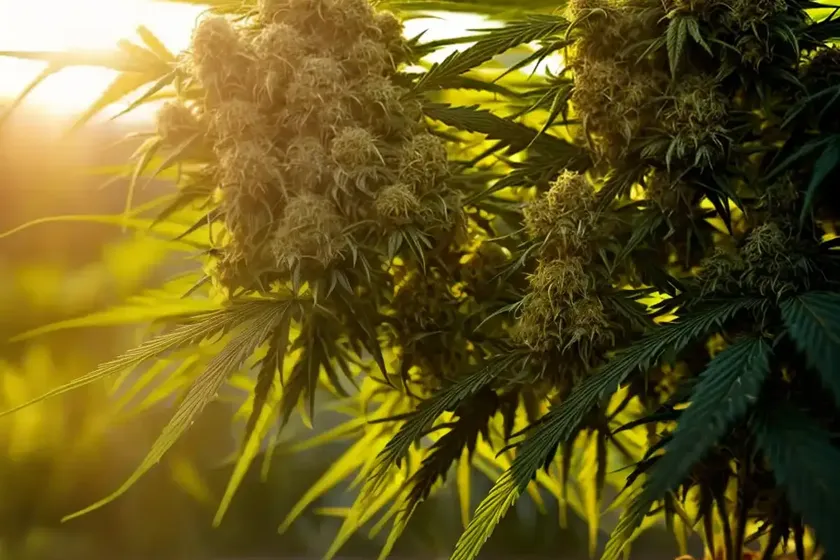
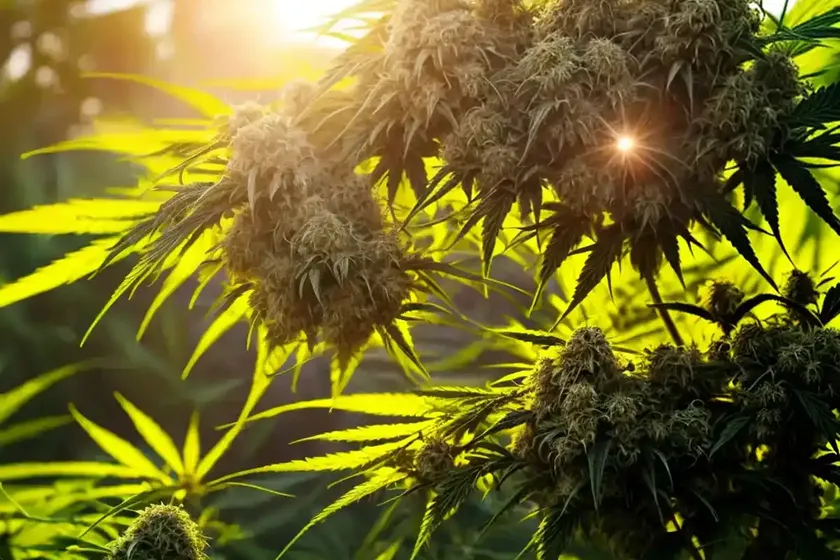
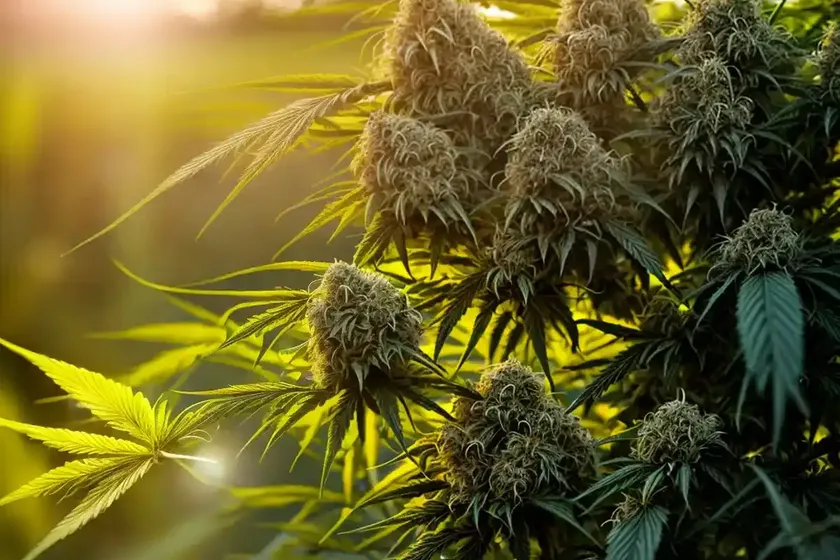
As a plant scientist, I am always fascinated by the incredible diversity and potential of various plant species. Hemp (Cannabis sativa) is one such plant that has garnered significant attention in recent years due to its versatile nature, industrial applications, and potential health benefits. In this comprehensive guide, we will delve into the culture, uses, cultivation techniques, common diseases, pest management, and interesting facts about Hemp. By the end of this article, you will have a thorough understanding of the immense potential that Hemp holds in various domains such as agriculture, industry, and health.
What is Hemp (Cannabis sativa)?
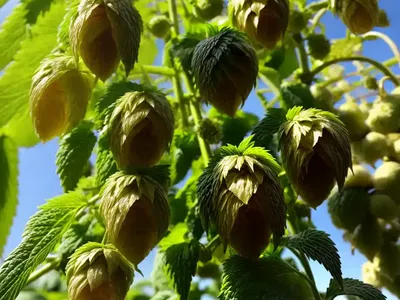
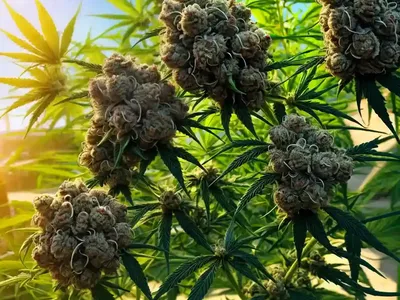
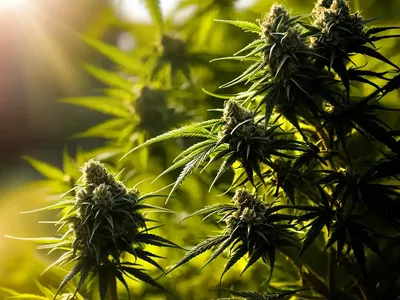
Hemp, scientifically known as Cannabis sativa, is a versatile plant belonging to the Cannabaceae family. This annual herbaceous plant has a long history of cultivation for various purposes, including fiber production, seed oil, food, and medicine. While it is often associated with its close relative marijuana (Cannabis indica), Hemp is cultivated for industrial and commercial use and contains significantly lower levels of the psychoactive compound tetrahydrocannabinol (THC) compared to marijuana.
Hemp’s numerous uses and its potential in sustainable agriculture, industry, and healthcare make it a plant of significant interest and importance in the scientific, economic, and environmental arenas.
Key Takeaways – Hemp (Cannabis sativa)
Hemp (Cannabis sativa) offers a wide array of uses and benefits, including but not limited to:
- Industrial Applications: Hemp is used in the production of textiles, paper, building materials, biofuels, bioplastics, and other industrial products.
- Health and Nutrition: Hemp seeds and oil are rich in essential fatty acids, protein, and other nutrients, making them valuable for human nutrition and health.
- Medicinal Uses: Hemp extracts, particularly CBD (cannabidiol), have been studied for their potential medicinal properties, including pain relief, anxiety management, and skincare.
- Sustainability: Hemp cultivation is considered environmentally friendly due to its fast growth, low-input requirements, and potential soil health benefits.
Now, let’s delve deeper into the aspects of cultivating Hemp, including its cultural requirements, uses, and the necessary environmental conditions for its successful growth.
Culture
Uses
Hemp (Cannabis sativa) has a wide range of uses, making it a highly valuable and versatile plant in various industries and domains. Some of the key uses of Hemp include:
- Fiber Production: Hemp fibers are used in the production of textiles, ropes, and other durable materials.
- Seed Oil: Hemp seeds are a source of nutritious oil, used in cooking, food products, and skincare formulations.
- Nutritional Supplements: Hemp seeds are also consumed as a source of protein, essential fatty acids, and other nutrients, contributing to human health and nutrition.
- Medicinal Applications: Extracts from Hemp, particularly CBD, are studied for their potential health benefits, including pain management, anxiety relief, and skincare.
- Industrial Products: Hemp is utilized in the production of paper, building materials, biofuels, bioplastics, and other sustainable industrial products.
The multitude of uses associated with Hemp underscores its value as a plant with significant economic, environmental, and health-related implications.
Water
Hemp, as a plant, has specific water requirements that are essential for its optimal growth and development. While Hemp is known for its resilience and adaptability to diverse environmental conditions, providing adequate water is crucial for maximizing its productivity and quality. Here are some key points regarding Hemp’s water requirements:
- Moderate Water Needs: Hemp generally requires moderate water levels, and it is essential to provide consistent moisture to young plants and those in active growth stages.
- Well-Drained Soil: Hemp plants thrive in well-drained soils that allow water to penetrate the root zone without causing waterlogging or excess moisture.
- Irrigation Considerations: Depending on the climate and local conditions, irrigation may be necessary to supplement natural rainfall and ensure consistent moisture levels, especially during dry periods.
Understanding Hemp’s water requirements and implementing appropriate irrigation strategies is crucial for achieving optimal yield and quality in cultivation.
Sunlight
Like most plants, Hemp relies on sunlight as a primary energy source for photosynthesis and overall growth. Understanding Hemp’s sunlight requirements is essential for choosing appropriate cultivation sites and optimizing plant performance. Here are some key points related to Hemp’s sunlight needs:
- Full Sun Exposure: Hemp plants generally thrive in full sun conditions, where they can receive at least 6-8 hours of direct sunlight per day.
- Optimal Photosynthesis: Adequate sunlight exposure is crucial for promoting photosynthetic activity, which is essential for biomass accumulation and overall plant vigor.
- Site Selection: When planning Hemp cultivation, selecting sites with ample sunlight exposure is critical for ensuring robust plant growth and maximizing yield potential.
Considering Hemp’s sunlight requirements is essential when designing cultivation plots or selecting growing locations to support its healthy and vigorous development.
Fertilizer
Proper nutrition is essential for maximizing Hemp yield, quality, and overall plant health. While Hemp exhibits a degree of tolerance to various soil conditions, providing balanced fertilization can significantly impact its growth and performance. Here are some considerations when it comes to Hemp fertilization:
- Soil Testing: Conducting soil tests to assess nutrient levels and pH can guide the development of tailored fertilization plans for Hemp cultivation.
- Macronutrients and Micronutrients: Hemp requires nitrogen, phosphorus, potassium, and other essential nutrients for balanced growth, and supplying these elements through fertilization is crucial.
- Organic Amendments: Considering the potential for Hemp cultivation in organic and sustainable systems, organic fertilizers and soil amendments can be valuable options for meeting the plant’s nutritional needs.
Developing a well-informed fertilization strategy specific to Hemp’s requirements can contribute to enhanced yield, quality, and nutrient efficiency in cultivation practices.
Soil
Hemp’s ability to thrive in diverse soil conditions is a notable attribute that contributes to its adaptability and potential for widespread cultivation. Understanding Hemp’s soil preferences and promoting soil health are essential for successful and sustainable cultivation. Here are key aspects to consider regarding Hemp and soil:
- Well-Drained Soils: Hemp performs well in well-drained soils that allow for adequate aeration and root development.
- Soil pH: Hemp generally prefers slightly acidic to neutral soils with a pH range of 6.0 to 7.5, but it can tolerate a broader pH range under appropriate conditions.
- Soil Health: Practices that promote soil health, such as organic matter addition, cover cropping, and reduced tillage, can support the long-term productivity of Hemp cultivation systems.
By understanding Hemp’s soil requirements and implementing soil management practices, growers can optimize growing conditions and promote sustainable production of this valuable crop.
Pruning
Pruning plays a crucial role in optimizing plant structure, airflow, and yield in various crops, and Hemp is no exception. Proper pruning techniques can contribute to enhanced Hemp productivity and quality. Here are some pertinent considerations regarding Hemp pruning:
- Plant Structure: Assessing plant structure and removing excessive foliage or lateral growth can promote improved light penetration and airflow within the Hemp canopy.
- Biomass Yield: Strategic pruning techniques can direct plant energy toward desirable yield components, such as flower and seed production, contributing to overall crop productivity.
- Pest and Disease Management: Pruning can help in the early detection and mitigation of pest and disease issues by improving visibility and accessibility within the plant canopy.
Implementing appropriate pruning practices specific to Hemp can contribute to optimized plant architecture and enhanced growth and yield characteristics.
Propagation
Propagation methods play a crucial role in establishing new Hemp plants for commercial cultivation and research purposes. Understanding the different propagation techniques can support efficient and reliable plant production. Here are some primary methods of Hemp propagation:
- Seed Propagation: Seeds are the most common and accessible means of propagating Hemp plants, and they offer genetic diversity and adaptability for commercial cultivation.
- Clonal Propagation: Propagating Hemp through cloning and tissue culture techniques can be valuable for maintaining specific genotypes and elite plant traits.
- Propagation Considerations: The selection of appropriate propagation methods depends on the scale of cultivation, breeding objectives, and desired uniformity in plant characteristics.
Selecting the most suitable propagation method for Hemp can contribute to successful plant establishment and the overall success of cultivation operations.
Container Popularity
The use of containers for growing plants, commonly referred to as container gardening, has gained popularity due to its versatility, space-saving attributes, and accessibility. While Hemp is predominantly grown in field settings, there are considerations for container cultivation and its relevance for specific applications. Here are some aspects to consider regarding Hemp in container cultivation:
- Research and Education: Container cultivation of Hemp is often employed in research, breeding programs, and educational settings to support controlled environments and specialized studies.
- Urban Agriculture: In urban and confined spaces, container cultivation allows for the production of Hemp plants, providing opportunities for localized cultivation and innovative growing methods.
- Specialized Production: Certain Hemp varieties or experimental lines may be cultivated in containers to facilitate specialized management practices, such as nutrient optimization or controlled stress conditions.
While container cultivation is not the primary method for commercial Hemp production, its relevance in specific contexts highlights its potential for supporting research, education, and specialized production endeavors.
Common Diseases
As with any crop, Hemp is susceptible to various diseases that can impact plant health, yield, and quality. Understanding common Hemp diseases and their management strategies is critical for promoting successful cultivation. Here are some prevalent diseases affecting Hemp plants:
- Powdery Mildew (Erysiphe cichoracearum): This fungal disease can cause white powdery patches on leaves and stems, leading to reduced photosynthetic activity and overall plant vigor.
- Fusarium Wilt (Fusarium oxysporum): Fusarium wilt can cause wilting, yellowing, and vascular discoloration in Hemp plants, leading to stunted growth and yield loss.
- Botrytis Bud Rot (Botrytis cinerea): This pathogen can cause bud rot and mold development on Hemp flowers, impacting marketable yield and product quality.
- Gray Mold (Botrytis cinerea): Gray mold can affect various above-ground plant parts, leading to necrosis and decay, particularly under high humidity conditions.
- Root Rot (Various Pathogens): Soilborne pathogens can cause root rot in Hemp plants, leading to poor nutrient uptake, wilting, and plant decline.
Implementing integrated pest and disease management practices, including cultural, biological, and chemical control methods, is crucial for mitigating the impact of these and other Hemp diseases.
Disease Diagnosis
Diagnosing and identifying diseases in Hemp plants is essential for implementing timely and targeted management strategies. Here are key steps in the diagnosis of Hemp diseases:
- Symptom Recognition: Understanding the characteristic symptoms of common Hemp diseases, such as leaf spots, wilting, discoloration, and mold development, is crucial for initial disease recognition.
- Pathogen Identification: Utilizing diagnostic tools and techniques, including microscopy, culture isolation, and molecular methods, can aid in identifying the specific pathogens causing disease symptoms in Hemp.
- Laboratory Analysis: Submitting plant samples to diagnostic laboratories for disease testing and identification can provide actionable information for disease management decisions.
Accurate disease diagnosis is fundamental for implementing effective disease management strategies and preserving the health and productivity of Hemp plants.
Common Pests
Pests pose a significant threat to Hemp cultivation, potentially causing yield loss, plant damage, and economic repercussions. Identifying common Hemp pests and their management is crucial for ensuring successful crop production. Here are some prevalent pests that may affect Hemp plants:
- Aphids (Aphidoidea): Aphids can cause feeding damage and transmit plant viruses, impacting the overall health and vigor of Hemp plants.
- Spider Mites (Tetranychidae): These tiny pests can cause stippling, webbing, and reduced photosynthetic activity, particularly in dry and warm conditions.
- Beetles (Coleoptera): Various beetle species may feed on Hemp foliage and flowers, leading to defoliation and cosmetic damage.
- Caterpillars (Lepidoptera): Certain caterpillar species can cause feeding damage to Hemp leaves and buds, impacting plant growth and yield potential.
Implementing pest monitoring, cultural controls, biological control agents, and targeted pesticide applications can help manage Hemp pest populations and minimize their impact on crop productivity.
Botanist’s Tips
As a plant scientist with a passion for Hemp cultivation and research, here are some valuable tips and recommendations for successful Hemp production:
- Genetic Selection: Choosing Hemp varieties tailored to specific cultivation objectives, such as fiber production, seed quality, or cannabinoid content, can optimize crop performance.
- Soil Health Management: Prioritizing soil health through organic matter addition, cover cropping, and reduced tillage can support sustainable Hemp cultivation practices.
- Integrated Pest and Disease Management: Implementing holistic approaches to pest and disease management can minimize reliance on chemical controls and promote ecosystem balance.
- Local Regulations and Compliance: Familiarizing yourself with local regulations, licensing requirements, and compliance standards for Hemp cultivation is crucial for successful and legally sound operations.
By incorporating these tips into Hemp cultivation practices, growers can enhance their understanding of the plant and optimize their production systems for success.
Fun Facts
To further appreciate the versatility and significance of Hemp (Cannabis sativa), here are some intriguing fun facts about this remarkable plant:
- Historical Roots: Hemp has a rich history spanning thousands of years, with recorded uses in textile production, papermaking, and medicinal applications dating back to ancient civilizations.
- Environmental Benefits: Hemp cultivation is known to have positive environmental impacts, including soil remediation, carbon sequestration, and potential contributions to sustainable agriculture.
- Industrial Innovations: Hemp fibers and derivatives have been used in the creation of various innovative products, including bioplastics, sustainable building materials, and eco-friendly textiles.
Exploring these fun facts about Hemp underscores its enduring cultural significance, environmental potential, and diverse applications across different industries.
Links to External Resources
To deepen your understanding of Hemp (Cannabis sativa), its uses, cultivation, and potential applications, I recommend exploring the following external resources:
- National Hemp Association: The National Hemp Association provides valuable information and resources related to Hemp cultivation, industry news, and regulatory updates.
- Hemp Industries Association: The Hemp Industries Association offers insights into the diverse industrial applications of Hemp, including textiles, building materials, and hemp-derived products.
- American Herbal Products Association (AHPA) Hemp Lexicon: AHPA’s Hemp Lexicon provides a comprehensive guide to the terminology and key concepts related to Hemp, facilitating clear communication within the industry.
- USDA Hemp Resources: The United States Department of Agriculture (USDA) provides resources and regulatory information pertaining to Hemp production, research, and market outlook.
Engaging with these external resources can expand your knowledge of Hemp and its multifaceted role in agriculture, industry, and health.
In conclusion, Hemp (Cannabis sativa) stands as a plant of immense potential and significance, offering a range of industrial applications, health benefits, and environmental contributions. By understanding its cultural requirements, uses, cultivation practices, and managing common challenges, we can harness the full potential of Hemp for sustainable agriculture, economy, and well-being.
The exploration of Hemp as a versatile and multifunctional plant underscores the importance of scientific research, innovation, and responsible stewardship in maximizing its benefits for society and the environment. As plant scientists and enthusiasts, let us continue to explore and promote the diverse applications and opportunities associated with Hemp, contributing to a more sustainable and resourceful future.