Common Hop (Humulus Lupulus)
The Common Hop, scientifically known as Humulus Lupulus, is a fascinating plant that has been utilized for various purposes for centuries. From its.
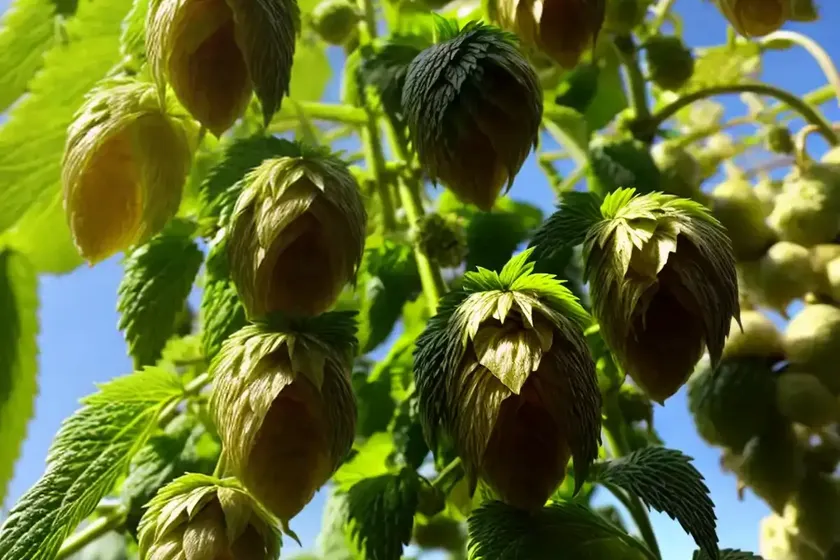
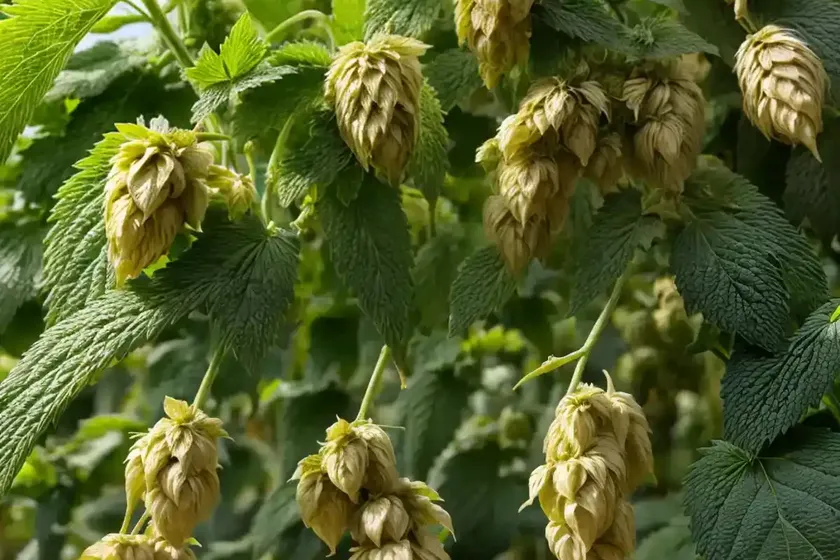
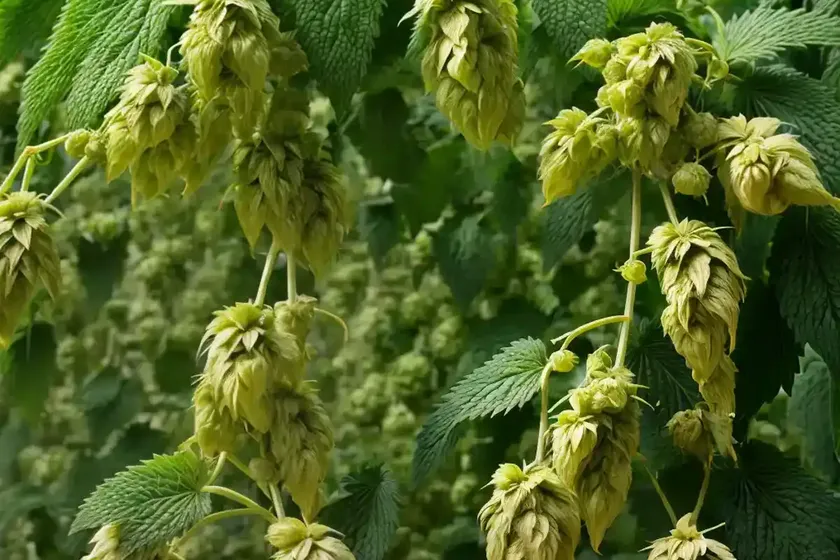
The Common Hop, scientifically known as Humulus Lupulus, is a fascinating plant that has been utilized for various purposes for centuries. From its historical significance to its modern-day uses in brewing and medicine, the Common Hop has a rich and multifaceted presence in human culture. In this comprehensive guide, we will delve into the various aspects of this intriguing plant, including its cultivation, uses, benefits, and environmental impact.
What is the Common Hop (Humulus Lupulus)?
The Common Hop, Humulus Lupulus, is a species of flowering plant in the Cannabaceae family. Known for its vigorous climbing habit, the Common Hop is a perennial plant that produces cone-like flowers, which are commonly referred to as hops. These flowers are widely used in the brewing industry to impart bitterness, flavor, and aroma to beer. In addition to its significance in brewing, the Common Hop has also been employed for medicinal and ornamental purposes.
The plant is native to Europe, Asia, and North America and is characterized by its robust vines, serrated leaves, and distinctive clusters of pale green flowers. While it is primarily cultivated for its cones, the Common Hop also possesses ornamental value due to its lush foliage and fast-growing nature.
Key Takeaways – Common Hop (Humulus Lupulus)
Before we delve into the specifics of cultivating and caring for the Common Hop, let’s explore some key takeaways about this fascinating plant:
- Scientific Name: Humulus Lupulus
- Common Name: Common Hop
- Family: Cannabaceae
- Uses: Brewing, medicine, ornamental
- Native Range: Europe, Asia, North America
- Cultivation: Perennial vine
Now that we have a basic understanding of the Common Hop, let’s explore the details of its cultivation, uses, and benefits.
Cultivation of Common Hop (Humulus Lupulus)
Water
The Common Hop plant thrives in climates with consistent moisture, particularly during its growing season. Adequate watering is crucial for the healthy development of the plant, especially during the initial stages of growth. However, it is also important to ensure that the soil is well-draining to prevent waterlogging, which can lead to root rot and other issues.
| Watering Needs | Description |
|---|---|
| Young Plants | Keep the soil consistently moist, but not waterlogged, especially during the first year of growth |
| Established Vines | Monitor soil moisture and water as needed to maintain adequate hydration levels |
| Drought Tolerance | While the Common Hop prefers moist soil, it can tolerate short periods of drought once established |
Sunlight
When it comes to sunlight requirements, the Common Hop plant thrives in full sun to partial shade. Adequate exposure to sunlight is essential for robust growth and the production of healthy cones. In regions with hot summers, providing some afternoon shade can help protect the plant from excessive heat stress.
Light Requirements:
– Full sun to partial shade
– Protection from intense afternoon sun in hot climates
Fertilizer
To support healthy growth and abundant cone production, the Common Hop plant benefits from regular fertilization. A balanced fertilizer with a higher nitrogen content can help stimulate vigorous vine growth, while a phosphorus-rich fertilizer can promote flower development and overall plant health. Additionally, organic compost can be incorporated into the soil to provide essential nutrients and improve soil structure.
Fertilization Guidelines:
– Use a balanced fertilizer with higher nitrogen content during the growing season
– Consider phosphorus-rich fertilizers to promote flowering
– Incorporate organic compost to enhance soil fertility and structure
Soil
The Common Hop plant thrives in well-draining, fertile soil with a slightly acidic to neutral pH range. A loamy soil type with good moisture retention is ideal for supporting the vigorous growth of the plant. Furthermore, amending the soil with organic matter can enhance its nutrient content and structure, providing an optimal environment for the Common Hop to flourish.
Soil Requirements:
– Well-draining, fertile soil
– Slightly acidic to neutral pH
– Incorporate organic matter for improved soil fertility and structure
Pruning
Pruning plays a crucial role in the cultivation of the Common Hop plant, promoting better air circulation, reducing disease risks, and maximizing cone production. Regular pruning helps control the growth of the vines and encourages the development of lateral shoots, which are essential for cone formation. Proper pruning techniques also help maintain the overall health and vitality of the plant.
Pruning Guidelines:
– Regularly trim dead or excess foliage to promote airflow
– Encourage the growth of lateral shoots for optimal cone production
– Prune selectively to maintain a healthy and balanced vine structure
Propagation
Propagating the Common Hop plant can be achieved through various methods, including rhizome division, cuttings, and seed sowing. Each propagation technique has its advantages, and the choice of method often depends on the specific goals of the grower. Understanding the different propagation methods and their associated requirements is essential for successful cultivation and expansion of hop plants.
Propagation Methods:
– Rhizome division: Divide healthy rhizomes to create new plantings
– Cuttings: Root stem cuttings in a suitable growing medium
– Seed sowing: Germinate seeds under optimal conditions for new plant establishment
Container Cultivation
While the Common Hop is known for its vigorous climbing habit, it can also be cultivated in containers, making it a versatile option for gardeners with limited space. When growing hops in containers, it is essential to provide sturdy support structures for the vines and ensure that the containers offer sufficient space for root development. Additionally, selecting the right container size and type is crucial for the successful cultivation of hop plants in a confined environment.
Container Cultivation Tips:
– Use large, sturdy containers with ample depth for root growth
– Provide strong trellises or supports for the climbing vines
– Ensure proper drainage and regular watering to support container-grown hop plants
Popularity and Uses of Common Hop (Humulus Lupulus)
Brewing
One of the most well-known uses of the Common Hop plant is in the brewing industry, where its cone flowers are utilized as a key ingredient in beer production. Hops contribute bitterness, flavor, and aroma to the finished brew, balancing the sweetness of the malt and adding complexity to the overall taste profile. From classic lagers to robust ales, the diverse range of beer styles incorporates the unique characteristics of different hop varieties.
Medicinal and Therapeutic Uses
In addition to its role in brewing, the Common Hop has a long history of medicinal use, with various cultures harnessing its therapeutic properties for a wide range of ailments. From promoting relaxation and sleep to addressing digestive issues and providing relief from anxiety, the medicinal benefits of hops have been recognized and utilized for centuries. Furthermore, hops contain compounds that have potential antioxidant, anti-inflammatory, and sedative effects, adding to their value in herbal medicine and wellness practices.
Ornamental Value
Beyond its practical uses, the Common Hop also holds ornamental value, gracing gardens with its lush foliage and attractive vine structure. Its fast growth and climbing habit make it a popular choice for adorning trellises, fences, and arbors, adding a touch of greenery and natural beauty to outdoor spaces.
Common Diseases and Pests
Disease Diagnosis
The Common Hop plant is susceptible to certain diseases and pests that can affect its overall health and productivity. Understanding the symptoms of common hop diseases and conducting timely diagnosis are essential for implementing effective management strategies and preserving the vitality of the plants.
Common Diseases:
– Powdery mildew
– Downy mildew
– Verticillium wilt
– Hop stunt viroid
Common Pests
In addition to diseases, hop plants are also targeted by various pests that can compromise their growth and cone production. Identifying and addressing pest infestations promptly is crucial for protecting the plants and preventing widespread damage.
Common Pests:
– Aphids
– Spider mites
– Japanese beetles
– Hop aphid
Botanist’s Tips for Successful Hop Cultivation
Environmental Preferences
Understanding the environmental preferences of the Common Hop plant is key to creating an optimal growing environment. From climate considerations to soil conditions, aligning the cultivation practices with the plant’s natural requirements is essential for achieving successful and healthy growth.
Climate Preferences:
– Temperate climate with mild to warm summers
– Adequate sunlight and consistent moisture
– Protection from extreme heat and drought stress
Soil and Fertility:
– Well-draining, fertile soil with good moisture retention
– Slightly acidic to neutral pH
– Incorporation of organic matter for improved soil structure and nutrition
Pruning Techniques
Pruning plays a vital role in shaping the growth of the Common Hop plant and ensuring the efficient production of cones. Employing proper pruning techniques can enhance plant health, reduce disease risks, and promote vigorous growth.
Key Pruning Practices:
– Regular removal of excess foliage to promote airflow
– Encouragement of lateral shoot development for cone production
– Selective pruning to maintain a balanced and healthy vine structure
Disease and Pest Management
Implementing proactive measures to prevent and manage common hop diseases and pests is critical for safeguarding the plants and maintaining their productivity. From cultural practices to targeted treatments, adopting effective disease and pest management strategies is essential for successful hop cultivation.
Integrated Pest and Disease Management:
– Monitoring for early signs of diseases and pests
– Cultural practices to promote plant health and resilience
– Targeted treatments, if necessary, to address specific issues
Fun Facts about Common Hop (Humulus Lupulus)
- Humulus Lupulus is a member of the Cannabaceae family, which also includes cannabis plants.
- The female hop cones are the primary part of the plant used in brewing, contributing to the flavor and bitterness of beer.
- Hops contain essential oils that add aroma and complexity to beer, enhancing its sensory attributes.
- The cultivation of hops for brewing dates back centuries, with historical records of hop gardens in monastery grounds and noble estates.
- Hops have been traditionally used in herbal medicine to promote relaxation, ease tension, and support sleep quality.
- The rapid growth and climbing habit of hops make them an excellent choice for creating natural shade and privacy screens in garden settings.
Links to External Resources
As we conclude our comprehensive guide to the Common Hop (Humulus Lupulus), we encourage you to explore the following external resources to further enhance your understanding of this remarkable plant:
- The Essential Oil of Hops and Its Application in Brewing
- Hop Propagation and Cultivation Techniques
- Cultivating Hop Plants for Home Brewing
In conclusion, the Common Hop plant (Humulus Lupulus) encompasses a diverse array of uses, benefits, and cultural significance. From its historical role in brewing and traditional medicine to its ornamental value and environmental contributions, this perennial vine continues to captivate and enrich our lives in multifaceted ways. Whether you are considering growing hops at home, exploring their medicinal properties, or simply appreciating their role in brewing, the Common Hop offers a wealth of opportunities for discovery and enjoyment.
By following the comprehensive guide on Common Hop (Humulus Lupulus), you have gained insight into the cultivation, uses, benefits, and cultural significance of this fascinating plant. Whether you are a gardening enthusiast, a beer aficionado, or someone intrigued by the diversity of plants, the Common Hop exemplifies the intersection of history, horticulture, and everyday enjoyment. As you explore the multifaceted world of hops, may you continue to appreciate their contributions to brewing, medicine, and natural beauty.