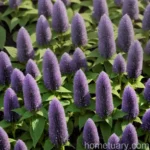
Hummingbird’s Mint (Agastache Cana)
Hummingbird’s mint, scientifically known as Agastache cana, is a delightful perennial plant that belongs to the mint family, Lamiaceae. This vibrant and aromatic plant is renowned for its remarkable appeal to hummingbirds and other pollinators.
In this comprehensive guide, we will explore the captivating world of hummingbird’s mint, delving into its culture, uses, care requirements, and much more. Whether you are a seasoned gardener or a novice plant enthusiast, there is something for everyone to discover about this enchanting Agastache cana.
What is Hummingbird’s Mint (Agastache Cana)?
Hummingbird’s mint, also known as Agastache cana, is a striking perennial herbaceous plant native to North America. Its natural habitat spans across the central and western regions of the United States and into northern Mexico. This plant typically thrives in sunny meadows, open woodlands, and along streambanks, showcasing its adaptability to various growing conditions.
The genus name “Agastache” is derived from the Greek words “agan” and “stachys,” meaning “much” and “ear of grain,” respectively, alluding to the densely packed flower spikes characteristic of the genus. The species name “cana” is derived from the Latin word for “gray,” reflecting the distinctive grayish-green foliage that is a hallmark of Agastache cana.
Hummingbird’s mint produces an abundance of tubular flowers that are rich in nectar, making it a magnet for hummingbirds, butterflies, and bees. The aromatic foliage adds to its allure, emitting a delightful minty fragrance that is synonymous with the plant’s common name.
Key Takeaways – Hummingbird’s Mint (Agastache Cana)
Before we delve into the specifics of cultivating and caring for hummingbird’s mint, let’s highlight the key takeaways that capture the essence of this captivating plant:
- Agastache cana, also known as hummingbird’s mint, is a perennial herbaceous plant that belongs to the mint family, Lamiaceae.
- This plant is native to North America and is known for its vibrant tubular flowers that attract hummingbirds and other pollinators.
- The aromatic foliage of hummingbird’s mint emits a delightful minty fragrance, further enhancing its appeal in the garden.
- Cultivating hummingbird’s mint provides a visually stunning addition to landscapes while supporting local pollinator populations.
Now that we have an overview of what hummingbird’s mint is, let’s explore the various aspects of its cultivation and care.
Culture
Cultivating hummingbird’s mint offers a delightful opportunity to bring vibrant color and buzzing activity to your garden. Understanding its cultural requirements is essential to ensure its optimal growth and well-being.
Uses
Hummingbird’s mint serves a myriad of purposes in the garden, making it a versatile and valuable addition to any landscape. The following are some of the notable uses of Agastache cana:
- Pollinator Garden: The abundant nectar-rich flowers of hummingbird’s mint make it an excellent choice for planting in pollinator gardens, where it attracts and sustains hummingbirds, butterflies, and bees.
- Ornamental Feature: With its striking tubular flowers and aromatic foliage, hummingbird’s mint adds visual appeal to flower beds, borders, and containers. Its vibrant hues and delightful fragrance make it a charming ornamental plant.
- Medicinal Herb: In addition to its aesthetic charm, hummingbird’s mint possesses medicinal properties and is utilized in traditional herbal medicine for various therapeutic purposes.
- Culinary Ingredient: The leaves of hummingbird’s mint can be used to impart a delightful minty flavor to culinary creations, such as teas, salads, and desserts.
Understanding the diverse uses of hummingbird’s mint allows us to appreciate its multifaceted nature and the benefits it offers to both humans and wildlife.
Water
While hummingbird’s mint is known for its drought tolerance once established, adequate watering is crucial during its initial establishment and periods of prolonged dryness. Here are some key considerations for watering hummingbird’s mint:
- Establishment Phase: Newly planted hummingbird’s mint requires regular watering to support root development and ensure its successful establishment. Water deeply to encourage the roots to penetrate the soil and become resilient to dry conditions.
- Drought Tolerance: Once established, hummingbird’s mint exhibits remarkable tolerance to drought conditions. However, during extended dry spells, providing supplemental water can help maintain its vigor and blooming capacity.
Sunlight
Hummingbird’s mint thrives in full sunlight, basking in the warmth and light to fuel its growth and prolific blooming. Here are some insights into its sunlight requirements:
- Full Sun: To ensure vigorous growth and abundant flowering, plant hummingbird’s mint in a location that receives full sun, characterized by at least six hours of direct sunlight per day. Adequate sunlight is essential for stimulating the plant’s flowering process and enhancing its visual appeal.
Fertilizer
Proper fertilization can support the growth and blooming potential of hummingbird’s mint, ensuring that it maintains its vitality throughout the growing season. Consider the following tips for fertilizing Agastache cana:
- Balanced Fertilizer: Apply a balanced, slow-release fertilizer in spring as new growth emerges. A fertilizer with balanced N-P-K (nitrogen, phosphorus, potassium) ratios can provide the essential nutrients needed for robust growth and prolific flowering.
- Minimal Fertilizer Requirements: Hummingbird’s mint is relatively undemanding in its fertilizer needs and can thrive in moderately fertile soils without excessive reliance on fertilization. Avoid over-fertilizing, as this can lead to excessive vegetative growth at the expense of flowering.
Soil
Understanding the soil preferences of hummingbird’s mint is essential for creating an optimal growing environment that promotes its overall health and vitality. Consider the following insights regarding its soil requirements:
- Well-Draining Soil: Hummingbird’s mint thrives in well-draining soil that prevents waterlogging and promotes healthy root development. Incorporating organic matter, such as compost or well-rotted manure, can enhance soil structure and drainage.
- pH Preference: This plant prefers slightly acidic to neutral soil with a pH range between 6.0 and 7.5. Soil with the appropriate pH level facilitates nutrient uptake and supports balanced growth.
Pruning
Pruning plays a vital role in maintaining the tidy appearance and vigor of hummingbird’s mint, ensuring that it continues to bloom profusely and remains visually appealing. Here are some key considerations for pruning Agastache cana:
- Deadheading: Regularly deadhead spent flowers to promote continuous blooming and prevent the plant from expending energy on seed production. Deadheading encourages the development of new flower buds, extending the flowering period.
- Trimming: Prune back the stems of hummingbird’s mint to remove any leggy or spent growth. By doing so, you can maintain a compact and bushy growth habit while stimulating the production of fresh foliage and flowers.
Propagation
Propagation allows for the multiplication of hummingbird’s mint, enabling you to expand your collection or share this captivating plant with fellow gardening enthusiasts. Consider the following propagation methods for Agastache cana:
- Division: Propagate hummingbird’s mint through division in early spring or fall. Carefully dig up the plant and divide the root clumps into sections, ensuring that each division has sufficient roots and healthy growth points. Replant the divisions in prepared soil, water thoroughly, and monitor their establishment.
- Seed Starting: Hummingbird’s mint can be propagated from seeds, which can be sown indoors in early spring or directly in the garden after the last frost date. Sow the seeds lightly covered with soil, ensuring consistent moisture for successful germination. Transplant the seedlings to their permanent location once they have developed sufficient growth.
Container Popularity
The compact growth habit and ornamental appeal of hummingbird’s mint make it well-suited for container cultivation, allowing it to grace patios, balconies, and smaller outdoor spaces with its vibrant presence. Consider the following insights into the container popularity of Agastache cana:
- Container Selection: Choose a well-draining container with sufficient depth for accommodating the root system of hummingbird’s mint. Select a container with drainage holes to prevent waterlogging.
- Potting Mix: Fill the container with a high-quality potting mix that provides both aeration and moisture retention. Consider adding perlite or coarse sand to improve drainage and ensure the overall health of the plant.
Common Diseases
While hummingbird’s mint is generally resilient, it may encounter certain diseases under unfavorable conditions. Understanding the common diseases of Agastache cana and their potential management strategies is essential for its protection. Consider the following insights into common diseases and disease management:
Disease Diagnosis
- Powdery Mildew: Hummingbird’s mint may be susceptible to powdery mildew, characterized by a grayish-white powdery growth on the leaves. To diagnose powdery mildew, carefully inspect the foliage for the characteristic powdery patches and monitor for associated leaf distortion and discoloration.
Common Pests
Hummingbird’s mint is relatively resistant to pest infestations, but certain insects may occasionally pose a threat to its health. Understanding the common pests of Agastache cana and their potential control measures is essential for safeguarding the plant. Consider the following insights into common pests and pest management:
Botanist’s Tips
As a plant scientist, I would like to share some valuable tips to enhance the success of growing hummingbird’s mint and foster a thriving garden ecosystem:
- Beneficial Companions: Planting companion species with complementary growth habits and blooming times can enhance the attractiveness of your garden to pollinators and beneficial insects. Consider incorporating a diverse selection of nectar-rich plants to support a healthy ecosystem.
- Wildlife Habitat: Create a welcoming habitat for wildlife by incorporating native plants, diverse plant species, and sustainable gardening practices. Providing shelter, water sources, and nesting sites can contribute to the well-being of local wildlife populations, including hummingbirds and pollinators.
Fun Facts
Let’s explore some fascinating fun facts about hummingbird’s mint (Agastache cana) that highlight its allure and ecological significance:
- Hummingbird’s mint is revered for its role as a nectar source, attracting hummingbirds, butterflies, and bees with its abundant nectar-rich flowers.
- The aromatic foliage of hummingbird’s mint emits a delightful minty fragrance, contributing to its appeal in the garden and in culinary applications.
- Agastache cana is renowned for its drought tolerance, making it an ideal choice for water-wise gardening and landscapes.
- The vibrant tubular flowers of hummingbird’s mint come in an array of colors, including shades of pink, purple, and blue, adding visual diversity to the garden.
Links to External Resources
To further enhance your understanding and appreciation of hummingbird’s mint (Agastache cana), I have curated a selection of reputable external resources that offer valuable insights and practical guidance:
- Michigan State University Extension – Agastache: A Pollinator Magnate: Agastache: A Pollinator Magnate
- The Herb Society of America – Agastache: A Pollinator-Friendly Plant: Agastache: A Pollinator-Friendly Plant
- Missouri Botanical Garden – Agastache cana: Agastache cana
Conclusion
In conclusion, the enchanting beauty and ecological significance of hummingbird’s mint (Agastache cana) make it a valuable addition to diverse garden settings. Its vibrant tubular flowers, aromatic foliage, and pollinator-friendly nature contribute to its allure and impact in both ornamental and ecological contexts.
By understanding and implementing the cultural considerations, propagation methods, and ecological benefits associated with hummingbird’s mint, we can cultivate thriving garden spaces that support pollinators and contribute to the overall biodiversity of our natural surroundings.
As we continue to appreciate and celebrate the intrinsic value of plants such as hummingbird’s mint, we contribute to the conservation of vital ecosystem functions and nurture a deeper connection with the natural world.
I hope this comprehensive guide has provided you with valuable insights and practical guidance for cultivating and appreciating the captivating beauty of hummingbird’s mint (Agastache cana) in your garden. Happy gardening!
References
- “Agastache cana plant
- Agastache cana growing tips
- Agastache cana care guide
- Agastache cana varieties
- Agastache cana for hummingbirds
- Agastache cana plant family
- Agastache cana medicinal uses
- Agastache cana herbal properties
- Agastache cana flowering period
- Agastache cana habitat
- Hummingbird’s mint plant
- Hummingbird’s mint care
- Hummingbird’s mint growing conditions
- Hummingbird’s mint varieties
- Hummingbird’s mint pollinators
- Agastache cana nectar source
- Agastache cana in garden design
- Agastache cana companion plants
- Agastache cana drought tolerance
- Agastache cana sun requirements
- Agastache cana soil preferences
- Agastache cana propagation methods
- Agastache cana seed starting
- Agastache cana pruning techniques
- Agastache cana pest control
- Agastache cana disease resistance
- Agastache cana winter care
- Agastache cana culinary uses
- Agastache cana wildlife habitat
- Agastache cana landscape ideas
- Agastache cana fragrance
- Agastache cana bee-friendly plant
- Agastache cana butterfly attractant
- Agastache cana hummingbird magnet
- Agastache cana drought-tolerant plant
- Agastache cana native plant
- Agastache cana perennial
- Agastache cana annual
- Agastache cana water requirements
- Agastache cana blooming season
- Agastache cana soil pH preferences
- Agastache cana container gardening
- Agastache cana organic gardening
- Agastache cana landscape plant
- Agastache cana foliage color
- Agastache cana sunlight needs
- Agastache cana flowering tips
- Agastache cana planting guide
- Agastache cana garden uses
- Agastache cana species information”