Giant Hyssop (Agastache ‘Apricot Sunrise’)
The giant hyssop, scientifically known as Agastache ‘Apricot Sunrise,’ is a stunning perennial plant that belongs to the Lamiaceae family. This captivating.
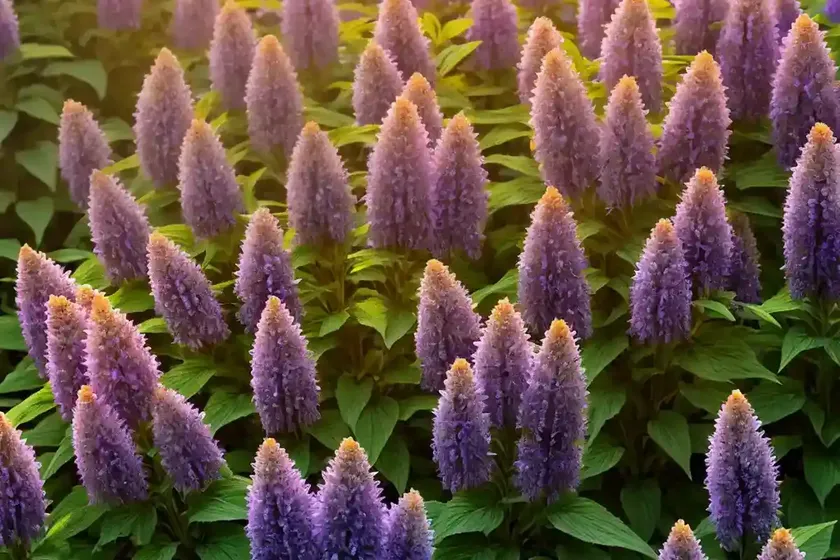
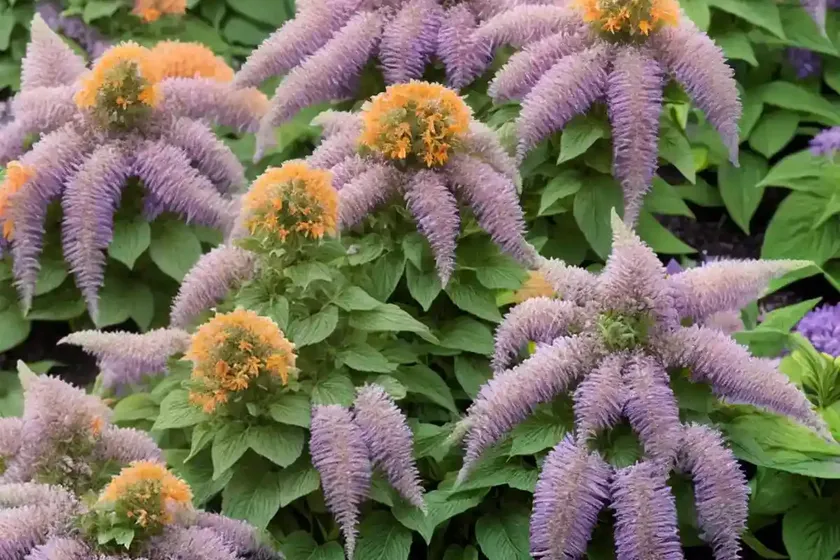
The giant hyssop, scientifically known as Agastache ‘Apricot Sunrise,’ is a stunning perennial plant that belongs to the Lamiaceae family. This captivating plant is popular amongst gardeners due to its bright and showy flowers, reliable nature, and attractive foliage. In this comprehensive guide, we will explore the various facets of the giant hyssop, from its culture and uses to its care requirements, propagation, and common diseases and pests. By the end of this blog post, you will have a thorough understanding of how to cultivate and care for the beautiful Agastache ‘Apricot Sunrise,’ as well as appreciate its unique characteristics and benefits.
What is Plant: Giant Hyssop (Agastache ‘Apricot Sunrise’)
Description
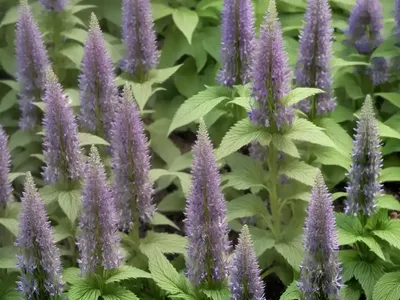
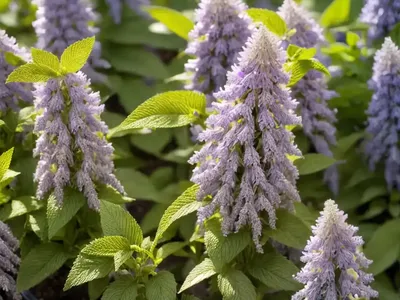
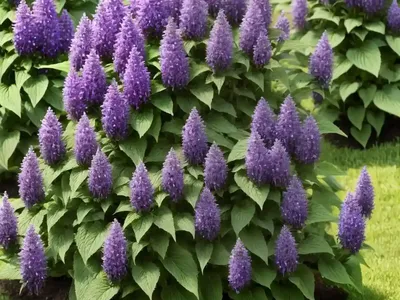
The giant hyssop, Agastache ‘Apricot Sunrise,’ is a lovely cultivar that stands out with its vibrant flowers and aromatic foliage. This perennial is characterized by its upright, bushy habit and impressive height, making it a striking addition to any garden or landscape. The plant typically reaches a height of 2 to 3 feet and spreads about 18 to 24 inches, creating a substantial presence in garden beds or containers.
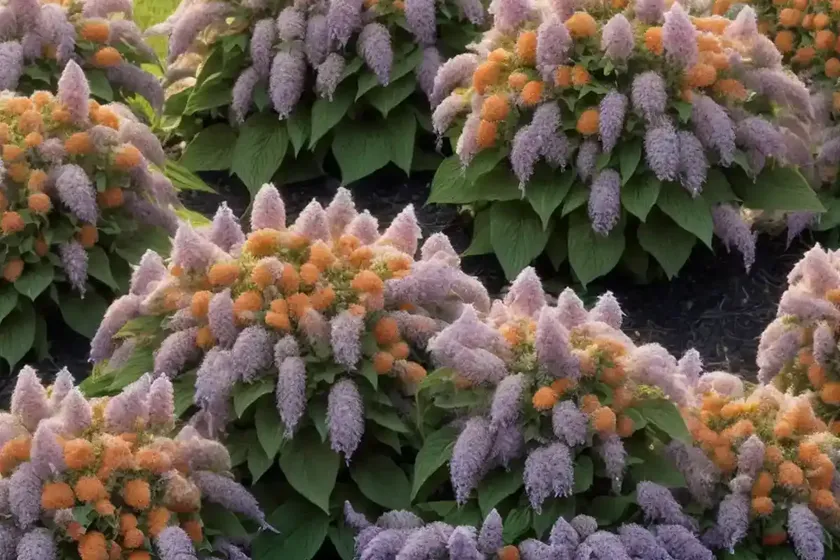
One of the most captivating features of the giant hyssop is its attractive, apricot-colored flower spikes. These delicate blooms, adorning the plant from midsummer to early fall, are a favorite among pollinators, making it a valuable addition to pollinator gardens. Furthermore, its fragrant leaves add to its allure, emitting a pleasant, minty aroma when crushed or brushed against.
Characteristics
- Scientific Name: Agastache ‘Apricot Sunrise’
- Common Name: Giant Hyssop
- Plant Type: Perennial
- Family: Lamiaceae
- Height: 2-3 feet
- Spread: 18-24 inches
- Flower Color: Apricot
- Foliage: Aromatic, green-gray leaves
- Bloom Time: Midsummer to early fall
- Fragrance: Minty aroma
Now that we have an overview of the plant, let’s delve into the various aspects of giant hyssop cultivation and care.
Key Takeaways – Giant Hyssop (Agastache ‘Apricot Sunrise’)
Culture
Cultivating the giant hyssop involves understanding its specific requirements to promote healthy growth and abundant flowering. Here are the key elements to consider when growing the Agastache ‘Apricot Sunrise.’
Uses
The giant hyssop serves various purposes in the garden, from its aesthetic appeal to its practical applications. Let’s explore the different ways this plant can be utilized.
Water
Understanding the water needs of the giant hyssop is essential for maintaining its vigor and preventing water-related issues.
Sunlight
Proper sunlight exposure is crucial for the growth and blooming of Agastache ‘Apricot Sunrise.’ Let’s explore its sunlight requirements in detail.
Fertilizer
Feeding the giant hyssop with the right nutrients can enhance its overall health and flowering performance. Learn how to fertilize the plant effectively.
Soil
The type of soil in which the giant hyssop is planted plays a significant role in its well-being. Discover the ideal soil conditions for cultivating Agastache ‘Apricot Sunrise.’
Pruning
Pruning is an essential aspect of maintaining the shape and vitality of the giant hyssop. Explore the best practices for pruning this plant.
Propagation
Propagating the giant hyssop allows you to multiply its beauty and share it with fellow gardeners. Learn the various methods of propagating Agastache ‘Apricot Sunrise.’
Container Popularity
Growing the giant hyssop in containers is a popular choice for many gardeners. Discover the benefits and considerations of container gardening with this plant.
Common Diseases
Identifying and addressing diseases promptly is crucial for preserving the health of the giant hyssop. Explore the common diseases that may affect Agastache ‘Apricot Sunrise.’
Disease Diagnosis
Understanding the symptoms and causes of diseases is vital for effective treatment and prevention. Learn how to diagnose and manage diseases in the giant hyssop.
Common Pests
Pests can pose a threat to the giant hyssop, requiring vigilance and action to mitigate their impact. Explore the common pests that may target Agastache ‘Apricot Sunrise.’
Botanist’s Tips
Expert insights can provide valuable guidance for successful giant hyssop cultivation. Delve into the botanist’s tips for growing and caring for this plant.
Fun Facts
Discover some fascinating and lesser-known facts about the giant hyssop that add to its charm and appeal.
Links to External Resources
Expand your knowledge of the giant hyssop by exploring additional resources and information from external sources.
As we embark on this horticultural journey, let’s explore each of these facets to gain a comprehensive understanding of cultivating and caring for the captivating Agastache ‘Apricot Sunrise.’
Culture
The culture of the giant hyssop encompasses the environmental conditions and care practices that contribute to its overall well-being and flowering performance. Understanding the specific requirements of Agastache ‘Apricot Sunrise’ is essential for cultivating a thriving and beautiful plant.
Water
Proper watering is essential for the health and vigor of the giant hyssop. While this perennial is known for its drought tolerance, consistent moisture is beneficial, especially during periods of intense heat or prolonged dry spells. Here are some guidelines for watering Agastache ‘Apricot Sunrise’:
- Establishment: During the initial establishment phase, ensure that the plant receives regular watering to promote root development and acclimation to its new environment.
- Mature Plants: Once established, the giant hyssop generally thrives in well-draining soil and moderate moisture. Water the plant when the soil feels dry to the touch, providing thorough irrigation to penetrate the root zone.
It’s crucial to strike a balance to avoid overwatering, which can lead to root rot, and underwatering, which can stress the plant and hinder its flowering. Observing the soil moisture and the plant’s response can guide your watering practices and ensure the optimal growth of Agastache ‘Apricot Sunrise.’
Sunlight
Proper sunlight exposure is paramount for the giant hyssop to bloom prolifically and maintain its robust growth. This perennial thrives in full sun to partial shade, preferring at least 6 hours of direct sunlight each day. Here’s a breakdown of its sunlight preferences:
- Full Sun: Placing Agastache ‘Apricot Sunrise’ in a location with full sun exposure promotes abundant flowering and sturdy, compact growth. Ensure that the plant receives ample sunlight without being exposed to scorching midday rays.
- Partial Shade: While the giant hyssop prefers full sun, it can tolerate some degree of partial shade, especially in regions with intense summer heat. Providing a few hours of morning or late afternoon sun can be beneficial in such conditions.
Understanding the sunlight requirements of the giant hyssop allows you to strategically position it in the garden or landscape for optimal performance and visual impact.
Fertilizer
Feeding the giant hyssop with the appropriate nutrients enhances its vigor, flowering capacity, and overall health. While this plant is relatively low-maintenance, occasional fertilization can provide the additional boost it needs to thrive. Consider the following guidelines for fertilizing Agastache ‘Apricot Sunrise’:
- Timing: Apply a balanced, slow-release fertilizer in early spring as new growth emerges to support the plant’s initial growth spurt and flowering development.
- Frequency: Depending on the soil quality and growth response, you may opt for a light application of fertilizer once every few months during the growing season. However, avoid overfertilization, which can lead to excessive foliage growth at the expense of flowering.
Selecting a fertilizer specifically formulated for flowering perennials can provide the essential nutrients and micronutrients that contribute to the vibrant and healthy growth of the giant hyssop. Always follow the product instructions and consider conducting a soil test to determine any specific nutrient deficiencies that need to be addressed.
Soil
The type of soil in which the giant hyssop is planted significantly impacts its overall health and vigor. As a generally adaptable plant, Agastache ‘Apricot Sunrise’ thrives in well-draining soil with moderate fertility. Consider the following soil considerations for this perennial:
- Drainage: Ensure that the soil provides adequate drainage to prevent waterlogging, which can compromise the root health of the giant hyssop. Amending heavy or compacted soil with organic matter can improve its drainage capacity.
- Fertility: While the giant hyssop tolerates various soil types, it thrives in moderately fertile soil with a slightly acidic to neutral pH. Incorporating compost or well-aged manure during planting or as a topdressing can supply the necessary nutrients for robust growth.
Observing the soil quality and making appropriate amendments during planting or as part of regular maintenance can create an optimal growing environment for Agastache ‘Apricot Sunrise.’
Uses
The giant hyssop serves multiple purposes in the garden, showcasing its ornamental, aromatic, and practical attributes. Understanding its diverse uses can inspire various landscaping and gardening applications, making it a valued addition to any outdoor space.
Ornamental Beauty
One of the primary uses of the giant hyssop is its ornamental value, adding color, texture, and visual interest to garden beds, borders, and containers. The showy apricot-colored flower spikes, set against the plant’s aromatic, green-gray foliage, create a stunning display that attracts pollinators and human admirers alike.
Pollinator Garden
The giant hyssop is a pollinator magnet, drawing bees, butterflies, and hummingbirds with its nectar-rich blooms. Incorporating Agastache ‘Apricot Sunrise’ into pollinator gardens or wildlife-friendly landscapes promotes biodiversity and supports essential pollinators.
Aromatic Herb
The fragrant leaves of the giant hyssop emit a delightful, minty aroma when crushed or brushed against. This aromatic quality adds sensory appeal to the garden and makes the plant well-suited for herb gardens or sensory landscapes.
Cut Flowers
The striking flower spikes of Agastache ‘Apricot Sunrise’ make charming cut flowers, allowing you to bring their beauty and fragrance indoors for floral arrangements and decorative displays.
Culinary and Medicinal Uses
While giant hyssop is not a traditional culinary herb, some species within the Agastache genus have aromatic leaves that can be used to flavor teas and beverages. Additionally, certain Agastache varieties are valued for their potential medicinal properties, such as aiding in digestive health and respiratory wellness.
Landscape Applications
The versatile nature of the giant hyssop makes it suitable for various landscape applications, including cottage gardens, mixed borders, herb gardens, and perennial beds. Its ability to attract pollinators and its stunning floral display make it a valuable asset for landscape design and biodiversity enhancement.
By recognizing the diverse uses of Agastache ‘Apricot Sunrise,’ you can integrate this captivating plant into your garden and landscape with thoughtful consideration and appreciation for its aesthetic and functional contributions.
Pruning
Pruning is an essential aspect of maintaining the shape, vigor, and flowering performance of the giant hyssop. While this plant is generally low-maintenance, regular pruning can promote a compact, bushy habit and encourage prolific flowering. Consider the following guidelines for pruning Agastache ‘Apricot Sunrise’:
- Spring Pruning: In early spring, prune back the previous year’s growth to stimulate new shoots and encourage a dense, compact habit. Remove any dead or damaged stems to promote overall plant health.
- Deadheading: Throughout the flowering season, promptly deadhead spent blooms to encourage continuous flowering and prevent seed formation. This practice redirects the plant’s energy into producing new flowers and maintains a tidy appearance.
Avoid overpruning, which can diminish the plant’s vigor, delay flowering, and compromise its natural form. By implementing strategic and selective pruning, you can enhance the visual appeal and longevity of the giant hyssop in your garden or landscape.
Propagation
Propagating the giant hyssop allows you to multiply its beauty and share it with fellow gardeners. While Agastache ‘Apricot Sunrise’ can be propagated from seeds, division, or cuttings, division is the most common and reliable method for maintaining the desired characteristics of the parent plant. Here’s a step-by-step guide to propagating Agastache ‘Apricot Sunrise’ through division:
Division
- Timing: Divide mature plants in early spring as new growth emerges, or in early fall to allow the divisions to establish before winter.
- Prepare the Plant: Water the giant hyssop thoroughly a day before dividing to ensure that it is well-hydrated and primed for the propagation process.
- Digging and Division: Dig around the perimeter of the plant, carefully lifting the entire root ball. Use a sharp, clean knife or garden spade to divide the root ball into manageable sections, ensuring that each division has several healthy stems and a well-developed root system.
- Replanting: Plant the divisions in prepared soil, ensuring proper spacing and adequate moisture. Water the newly divided plants and apply a light layer of mulch to conserve soil moisture and provide insulation.
By propagating the giant hyssop through division, you can expand your garden or share the beauty of Agastache ‘Apricot Sunrise’ with fellow gardening enthusiasts, promoting the continued appreciation and cultivation of this remarkable plant.
Container Popularity
Growing the giant hyssop in containers is a popular and practical choice for many gardeners, especially those with limited space or specific design preferences. Cultivating Agastache ‘Apricot Sunrise’ in containers offers several advantages and considerations that contribute to its overall appeal and vitality.
Advantages
- Portability: Containers allow you to move the giant hyssop to different locations, optimizing its sunlight exposure and visual impact based on seasonal or design considerations.
- Space Utilization: Utilizing containers enables you to introduce Agastache ‘Apricot Sunrise’ to patios, balconies, and small outdoor areas, expanding your gardening possibilities.
- Soil Control: Container gardening provides precise control over the soil composition and drainage, allowing you to tailor the growing environment to the specific needs of the giant hyssop.
Considerations
- Container Size: Select a container that accommodates the mature size of the giant hyssop and provides ample room for root development. Ensure that the container has drainage holes to prevent waterlogging.
- Potting Mix: Use a well-draining potting mix specifically formulated for container plants, ensuring adequate aeration and moisture retention.
- Watering: Containers may require more frequent watering, especially during hot weather, to maintain the moisture levels essential for the giant hyssop’s health and growth.
Cultivating Agastache ‘Apricot Sunrise’ in containers offers flexibility, creativity, and accessibility, allowing you to showcase this beautiful plant in diverse outdoor spaces and gardening contexts.
Common Diseases
Diseases can pose a threat to the health and vitality of the giant hyssop, potentially affecting its overall growth and flowering performance. Recognizing the common diseases that may afflict Agastache ‘Apricot Sunrise’ is essential for implementing proactive management strategies and preserving the plant’s well-being.
Powdery Mildew
Powdery mildew is a fungal disease characterized by a powdery, white coating on the leaves and stems of plants. While giant hyssop is generally resistant to powdery mildew, high humidity or poor air circulation can create favorable conditions for its development.
Management Strategies:
- Ensure proper spacing and adequate air circulation around the plants.
- Water the giant hyssop at the base to minimize leaf wetting, especially in the evening.
- Apply fungicidal treatments if powdery mildew becomes prevalent.
Rust
Rust is a fungal disease that appears as orange, powdery pustules on the undersides of leaves and may also affect the stems of plants. While giant hyssop is relatively resistant to rust, monitoring for symptoms is essential, especially during periods of high humidity.
Management Strategies:
- Remove and dispose of affected plant material to prevent the spread of spores.
- Maintain a clean garden environment by removing debris and fallen leaves.
- Apply fungicidal treatments if rust becomes problematic.
By understanding the symptoms and management strategies for common diseases, you can promptly address any issues and safeguard the health and vigor of the giant hyssop in your garden or landscape.
Disease Diagnosis
Diagnosing diseases in the giant hyssop involves recognizing the symptoms and understanding the underlying causes of plant distress. By conducting proactive assessments and seeking expert guidance, you can diagnose diseases effectively and implement appropriate interventions to mitigate their impact.
Symptoms
- Powdery Mildew: Look for a powdery, white coating on the leaves and stems, often accompanied by leaf distortion and stunted growth.
- Rust: Monitor for orange, powdery pustules on the undersides of leaves, which may cause premature leaf drop and weakening of the plant.
Causes
- Environmental Conditions: High humidity, poor air circulation, and prolonged leaf wetness can create favorable conditions for disease development.
- Plant Stress: Stress factors, such as inadequate water, nutrient deficiencies, or overcrowding, can weaken the plant’s natural defenses and make it more susceptible to diseases.
By carefully observing the symptoms and considering the potential causes, you can accurately diagnose diseases in the giant hyssop and take proactive measures to support its recovery and future health.
Common Pests
Pests can pose a threat to the giant hyssop, requiring vigilance and action to mitigate their impact and preserve the plant’s well-being. Recognizing the common pests that may target Agastache ‘Apricot Sunrise’ enables you to implement proactive pest control strategies and support the plant’s vitality.
Aphids
Aphids are small, soft-bodied insects that can cluster on the foliage and stems, sucking plant juices and causing distortion or discoloration of the leaves. While giant hyssop is relatively resistant to aphids, monitoring for their presence is essential, especially during periods of high insect activity.
Management Strategies:
- Rinse the plant with a strong jet of water to dislodge and deter aphids.
- Introduce natural predators, such as ladybugs or lacewings, to control aphid populations.
- Apply insecticidal soap or neem oil if aphid infestations persist.
Spider Mites
Spider mites are tiny arachnids that can cause stippling, webbing, and premature leaf drop on infested plants. While giant hyssop is generally tolerant of spider mites, monitoring for their presence and addressing any infestations promptly is crucial.
Management Strategies:
- Increase humidity and moisture levels to create unfavorable conditions for spider mites.
- Use a forceful spray of water to dislodge and reduce spider mite populations.
- Apply horticultural oil or insecticidal soap to control and manage spider mite infestations.
By remaining vigilant and implementing appropriate pest management strategies, you can protect the giant hyssop from pest-related stress and promote its continued health and beauty in the garden or landscape.
Botanist’s Tips
Expert insights can provide valuable guidance for successful giant hyssop cultivation and care, offering practical advice and horticultural wisdom to enhance your experience and appreciation of Agastache ‘Apricot Sunrise.’ Here are some botanist’s tips for growing and caring for this remarkable plant.
Tip 1: Promote Pollinator Popularity
Encourage pollinator visits by planting multiple specimens of Agastache ‘Apricot Sunrise’ in