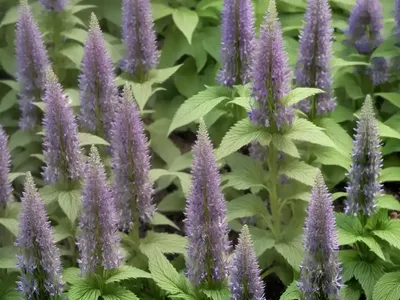
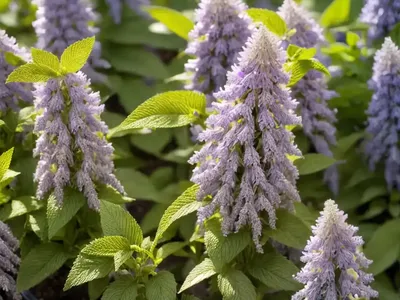
Giant Hyssops (Agastache)
Plants play a crucial role in the environment and ecosystems, providing food, shelter, and oxygen to sustain life on Earth. Among the myriad of plant.
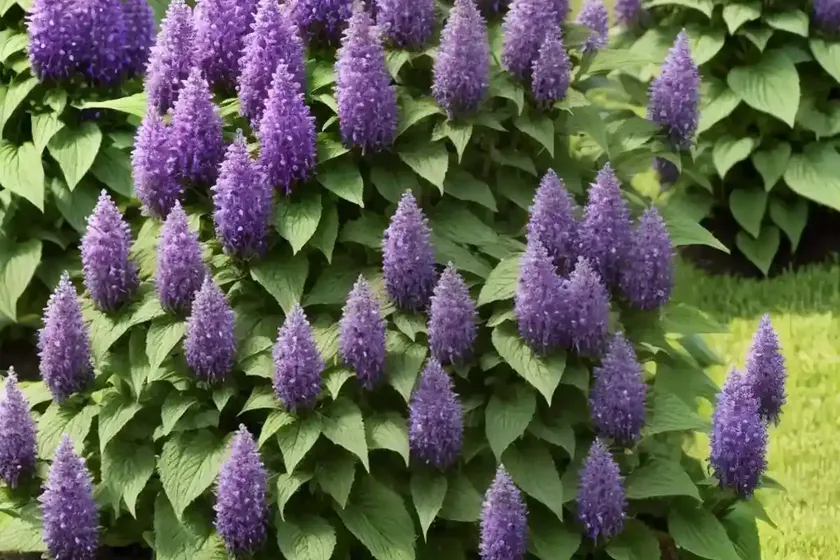
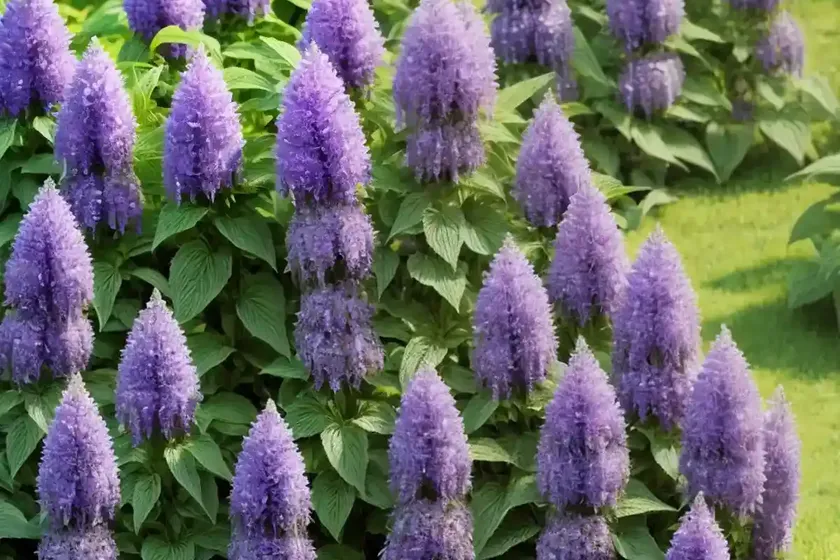
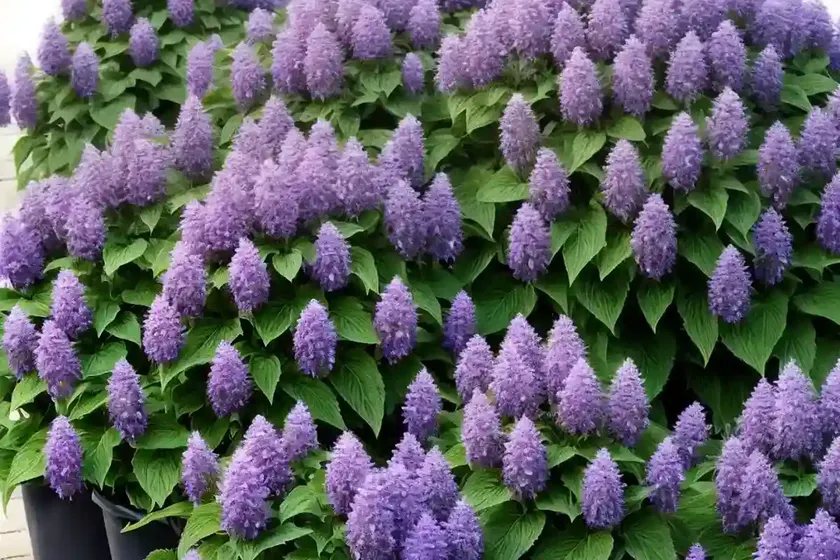
Plants play a crucial role in the environment and ecosystems, providing food, shelter, and oxygen to sustain life on Earth. Among the myriad of plant species, Giant hyssops (Agastache) stand out for their impressive characteristics, diverse uses, and beautiful appearances. In this comprehensive guide, we will delve into the multifaceted world of Giant hyssops, exploring their culture, uses, care requirements, and much more. Whether you are a seasoned gardener or a plant enthusiast, there is much to discover about these remarkable perennials.
What is a Plant?
Plants are multicellular organisms that belong to the kingdom Plantae, encompassing a vast array of species with varying traits and adaptations. They are autotrophic, meaning they can produce their own food through the process of photosynthesis. Furthermore, plants are integral components of ecosystems, influencing climate, providing habitats for wildlife, and serving as sources of food, medicine, and materials for human use.
Giant Hyssops (Agastache)
Plant Name: “Giant Hyssops (Agastache)”
Scientific Name: Agastache spp.
Family: Lamiaceae
Common Names: Giant hyssops, Hummingbird mints
Giant hyssops, belonging to the genus Agastache, are herbaceous perennial plants renowned for their aromatic foliage, vibrant flowers, and diverse culinary and medicinal uses. With over 20 species native to North America and Asia, Giant hyssops have made their mark as popular garden plants, valued for their resilience, beauty, and ecological benefits. From attracting pollinators to serving as ornamental additions to landscapes, these plants offer a wealth of advantages to both gardeners and the environment.
Key Takeaways – Giant Hyssops (Agastache)
Agastache plant varieties
– Giant Hyssops (Agastache) encompass a diverse range of species, each with unique attributes and characteristics. From the showy Agastache rupestris with its vibrant orange blooms to the fragrant Agastache foeniculum, there is a variety suitable for different climates and preferences.
Growing giant hyssops
– The cultivation of Giant hyssops presents an opportunity for gardeners to introduce these versatile plants to their landscapes. Understanding their growth requirements and preferences is essential for successful cultivation and maintenance.
Agastache medicinal uses
– Giant hyssops have a rich history of use in traditional medicine, attributed to their aromatic and medicinal properties. Their leaves and flowers have been employed for treating various ailments, from digestive issues to respiratory conditions.
Giant hyssops as garden plants
– In addition to their ornamental value, Giant hyssops contribute to the ecological balance of gardens, attracting pollinators, repelling pests, and adding vibrant colors and scents to the landscape.
Agastache plant care tips
– Proper care is crucial for the health and vigor of Giant hyssops. From watering and sunlight requirements to soil conditions and maintenance practices, adhering to essential care tips ensures the optimal growth of these plants.
Benefits of growing Giant hyssops
– The cultivation of Giant hyssops brings forth a multitude of benefits, ranging from their contributions to biodiversity to their culinary and ornamental uses. Their drought tolerance and resilience further enhance their appeal to gardeners.
Agastache plant species
– With a broad spectrum of species and cultivars, Agastache plants offer a diverse palette for gardeners and landscape enthusiasts, each species showcasing unique features and adaptability.
How to propagate Agastache plants
– Propagation is a key aspect of expanding the presence of Giant hyssops in gardens. Techniques such as seed sowing, division, and stem cuttings enable gardeners to propagate and share these remarkable plants.
Giant hyssops for pollinators
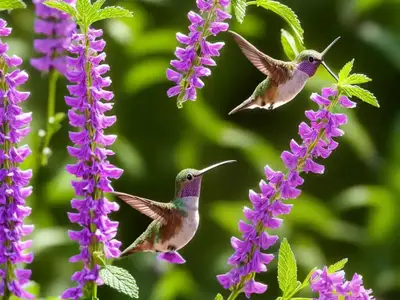
– The nectar-rich flowers of Giant hyssops appeal to various pollinators, including bees, butterflies, and hummingbirds, establishing them as valuable additions to pollinator gardens.
Agastache drought-tolerant plants
– Giant hyssops possess a degree of drought tolerance, allowing them to thrive in dry conditions and reducing the need for intensive watering, making them ideal choices for water-wise landscapes.
Growing Agastache from seeds
– Starting Giant hyssops from seeds offers an economical and rewarding means of establishing these plants in home gardens, providing an opportunity to witness their growth from the earliest stages.
Giant hyssops in landscaping
– The ornamental value of Giant hyssops extends to landscaping, where they can be utilized in various design schemes, such as borders, perennial gardens, and wildlife habitats, adding color and fragrance to outdoor spaces.
Agastache companion plants
– Pairing Giant hyssops with compatible companion plants enhances their visual appeal and benefits the surrounding flora through mutual support and ecological interactions.
Tips for pruning Agastache
– Appropriate pruning practices contribute to the overall health and appearance of Giant hyssops, ensuring tidy growth and stimulating the production of new blooms.
Giant hyssops for herbal tea
– The aromatic leaves of Giant hyssops can be employed in the preparation of herbal teas, offering a refreshing and fragrant beverage with potential health benefits.
Agastache plant characteristics
– Understanding the distinct characteristics of Agastache plants facilitates their selection and incorporation into gardens, taking into account their height, foliage, and flowering attributes.
Growing Agastache in containers
– Cultivating Giant hyssops in containers presents a space-saving option for introducing these plants to patios, balconies, and other confined spaces, extending their versatility in gardening.
Giant hyssops for attracting bees
– The nectar and pollen of Giant hyssops make them invaluable in supporting bee populations, contributing to the conservation of these vital pollinators.
Agastache plant size and height
– Knowing the growth habits and dimensions of Agastache species aids in planning their placement within the landscape and optimizing their ornamental and functional roles.
Ideal soil conditions for Agastache
– Soil quality significantly influences the growth and vitality of Giant hyssops, therefore, understanding their soil preferences is essential for providing them with an optimal growing environment.
Giant hyssops in perennial gardens
– Perennial gardens benefit from the presence of Giant hyssops, offering enduring color, fragrance, and ecological contributions throughout the growing seasons.
Agastache plant disease prevention
– Vigilance against common plant diseases and implementing preventive measures safeguard the health and longevity of Giant hyssops, preserving their ornamental and ecological value.
Growing Agastache in full sun
– Giant hyssops thrive in sunny locations, and by understanding their sunlight requirements, gardeners can ensure their robust growth and abundant flowering.
Giant hyssops flowering season
– The timing and duration of the flowering season of Giant hyssops are key considerations for garden planning, accentuating their role in seasonal landscapes.
Agastache plant pests and control
– Identifying and managing common pests that affect Giant hyssops is paramount in maintaining their health and preventing damage to their foliage and blooms.
Agastache in culinary uses
– The aromatic qualities of Giant hyssops extend to culinary applications, where their leaves and flowers can be utilized to infuse dishes and beverages with unique flavors.
Giant hyssops for hummingbirds
– Hummingbirds are attracted to the nectar of Giant hyssops, making them a valuable addition to gardens seeking to support these enchanting avian visitors.
Agastache plant maintenance
– Regular maintenance tasks, such as watering, feeding, and deadheading, contribute to the long-term vigor and attractiveness of Giant hyssops, ensuring their sustained performance in the garden.
Tips for overwintering Agastache
– Providing appropriate winter care and protection aids in preserving the health of Giant hyssops and encourages their regrowth in the subsequent seasons.
Growing Agastache in shade
– While Giant hyssops thrive in sunny conditions, certain species exhibit adaptability to partial shade, offering flexibility in their placement within diverse garden settings.
Giant hyssops in butterfly gardens
– The nectar-rich blooms of Giant hyssops serve as valuable food sources for butterflies, contributing to the establishment of vibrant and biodiverse butterfly gardens.
Agastache plant propagation methods
– Various methods, such as division, cuttings, and seed propagation, provide opportunities for expanding the presence of Giant hyssops and sharing their beauty with others.
Uses of Giant hyssops in landscaping
– The versatility of Giant hyssops extends to landscaping applications, from serving as ornamental focal points to providing functional benefits in diverse design schemes.
Agastache plant fragrant varieties
– The aromatic qualities of Giant hyssops encompass a range of fragrances, contributing to sensory experiences in gardens and landscapes.
Giant hyssops for wildlife habitats
– Giant hyssops play a role in supporting wildlife habitats, attracting pollinators and contributing to the biodiversity and ecological balance of outdoor spaces.
Agastache and its aromatic foliage
– The fragrant foliage of Giant hyssops is a distinct feature, offering olfactory appeal and potential applications in fragrance gardens and sensory landscapes.
Growing Agastache in pots
– Cultivating Giant hyssops in pots and containers presents a versatile approach to incorporating these plants into various indoor and outdoor settings.
Giant hyssops for cut flower arrangements
– The long-lasting blooms of Giant hyssops make them suitable candidates for cut flower arrangements, adding color, fragrance, and charm to indoor spaces.
Agastache plant native habitat
– Understanding the native habitats of Agastache plants provides insights into their preferred growing conditions and contributes to their successful cultivation in home gardens.
Using Giant hyssops as borders
– Giant hyssops can serve as effective border plants, delineating garden beds and pathways with their striking colors and forms.
Agastache varieties for different climates
– With species adapted to varying climatic conditions, there are Agastache varieties suitable for different regions and climates, offering opportunities for widespread cultivation.
Giant hyssops for natural pest control
– The aromatic attributes of Giant hyssops play a role in repelling certain pests, contributing to natural pest control in gardens and landscapes.
Agastache plant water requirements
– Proper watering practices are crucial for the health and vitality of Giant hyssops, and understanding their water requirements aids in maintaining optimal growing conditions.
Pruning techniques for Giant hyssops
– Pruning is an essential maintenance practice for Giant hyssops, shaping their growth, promoting flowering, and managing their overall appearance.
Agastache in traditional medicine
– The traditional medicinal uses of Giant hyssops highlight their historical significance and therapeutic properties, offering potential applications in holistic health practices.
Giant hyssops and their vibrant colors
– The rich and vibrant hues of Giant hyssop blooms contribute to their visual appeal, adding striking colors to gardens and landscapes.
Agastache plant hardiness zones
– Recognizing the suitable hardiness zones for Agastache species aids in selecting appropriate varieties for regional climates, ensuring their successful establishment and growth.
Growing Agastache indoors
– Certain Agastache species can be cultivated indoors, extending their presence to indoor gardens and providing year-round enjoyment of their ornamental and aromatic qualities.
Giant hyssops for aromatic gardens
– The aromatic nature of Giant hyssops makes them valuable additions to aromatic gardens and sensory landscapes, enriching outdoor spaces with their scents.
Agastache plant drought tolerance
– The drought tolerance of Giant hyssops equips them for thriving in dry conditions and confers resilience in water-stressed landscapes and gardens.
Culture
Uses of Giant Hyssops
Giant hyssops encompass a wide array of uses, ranging from their ornamental value in gardens to their culinary and medicinal applications. Understanding the diverse uses of Giant hyssops sheds light on their multifaceted roles and underscores their significance in various contexts.
Ornamental Uses
- Giant hyssops serve as valuable ornamental plants, adorning gardens with their vibrant blooms, fragrant foliage, and attractive forms. They can be incorporated into diverse garden designs, from perennial beds and borders to container plantings and pollinator gardens, adding visual interest and seasonal color to outdoor spaces.
Ecological Benefits
- The ecological contributions of Giant hyssops are notable, especially in their capacity to attract and support pollinators. Their nectar-rich flowers entice bees, butterflies, and hummingbirds, enhancing the biodiversity and health of garden ecosystems. Additionally, the aromatic attributes of Giant hyssops may play a role in repelling certain pests, offering natural pest control benefits.
Culinary Uses
- The leaves and flowers of Giant hyssops possess aromatic and flavorful qualities, making them suitable for culinary uses. They can be utilized to infuse teas, beverages, and dishes with distinctive notes, adding a touch of herbal richness to culinary creations.
Medicinal Applications
- Giant hyssops have a history of use in traditional medicine, attributed to their purported therapeutic properties. The leaves and flowers are believed to offer various health benefits, with applications in addressing digestive discomfort, respiratory issues, and other ailments.
Water
Watering Requirements: Giant hyssops thrive in well-drained soil and generally prefer moderate moisture levels. While they exhibit tolerance to dry conditions once established, it is important to provide regular watering, especially during periods of drought or prolonged dryness, to support their growth and flowering. However, it is essential to avoid overwatering, as excessive moisture can lead to root rot and other issues.
Irrigation Methods: When watering Giant hyssops, methods such as drip irrigation or soaker hoses can be employed to deliver water directly to the root zones, minimizing water wastage and reducing the risk of fungal diseases. Prolonged leaf wetness should be avoided, as it can create an environment conducive to fungal and bacterial infections.
Watering Schedule: The frequency of watering Giant hyssops may vary depending on environmental conditions and soil moisture levels. In general, they benefit from consistent moisture, especially during the active growing season and flowering period. However, as with many plants, allowing the soil to partially dry out between watering intervals is advisable to prevent waterlogging and promote healthy root development.
Sunlight
Sunlight Requirements: Giant hyssops typically thrive in full sun to partial shade, with most species displaying vigorous growth and prolific flowering when exposed to ample sunlight. In regions with intense summer heat, providing some protection from the harsh midday sun can benefit the plants, especially during periods of extreme heat and dryness.
Optimal Sun Exposure: To maximize the growth and flowering potential of Giant hyssops, positioning them in locations that receive at least 6-8 hours of direct sunlight per day is recommended. This ensures that they are able to photosynthesize efficiently and develop sturdy, well-branched frameworks with abundant blooms.
Shade Tolerance: While Giant hyssops favor full sun, certain species and cultivars exhibit adaptability to partial shade, enabling their establishment in areas with reduced sunlight. When grown in partial shade, it is important to ensure that they still receive adequate light to promote healthy growth and flowering.
Fertilizer
Fertilization Practices: Providing balanced nutrition is essential for the optimal growth and blooming of Giant hyssops. Incorporating a slow-release, balanced fertilizer in the spring can support their initial growth, while subsequent applications throughout the growing season can sustain their vigor and floral abundance. Choosing fertilizers with a higher phosphorus content can enhance flowering and overall plant performance.
Organic Amendments: Organic fertilizers, such as well-composted manure, compost, or fish emulsion, can be beneficial for Giant hyssops, enriching the soil with essential nutrients and organic matter. They contribute to soil fertility and microbial activity, fostering a healthy and productive root environment for the plants.
Avoiding Excess Fertilization: While providing appropriate nutrition is important, it is crucial to avoid excessive fertilization, as this can lead to an imbalance of nutrients, excessive vegetative growth, and potential susceptibility to diseases. Following manufacturer’s recommendations and monitoring plant response to fertilization ensures judicious use of fertilizers.
Soil
Soil Composition: Giant hyssops thrive in well-drained, nutrient-rich soils with a slightly acidic to neutral pH range. Ample organic matter in the soil promotes fertility and moisture retention, benefiting the plants’ growth and resilience. Loose, friable soils facilitate root development and aeration, contributing to the overall health of Giant hyssops.
Soil Preparation: Prior to planting Giant hyssops, preparing the soil by incorporating compost, aged manure, or organic amendments enriches the soil structure and fertility, providing a favorable foundation for the plants’ establishment. Loosening compacted soil and ensuring good drainage aids in preventing waterlogged conditions.
Mulching Benefits: Applying a layer of organic mulch around Giant hyssops offers multiple advantages, including moisture retention, weed suppression, and soil insulation. Mulches such as shredded bark, straw, or compost contribute to soil health and reduce the need for frequent watering.
Pruning
Pruning Timing: Pruning Giant hyssops can be performed in spring or early summer, as new growth emerges, allowing the plants to recover and produce new flowering stems. Deadheading spent blooms throughout the flowering season promotes prolonged flowering and prevents self-seeding, directing the plants’ energy towards further growth and blooming.
Pruning Techniques: When pruning Giant hyssops, removing spent flower spikes and any damaged or diseased growth contributes to the overall appearance and health of the plants. Trimming back the stems by approximately one-third can encourage bushier growth and subsequent flowering.
Overwintering Preparation: In regions with harsh winters, leaving the faded foliage on Giant hyssops over the winter can provide some protection to the crowns and stems. However, removing old growth in late winter or early spring facilitates the emergence of new growth and prevents the accumulation of debris that can harbor pests and diseases.
Propagation
Seed Propagation: Giant hyssops can be propagated from seeds, offering an economical and rewarding means of introducing new plants to gardens. Sowing seeds in the spring, either indoors or directly in the garden, provides an opportunity to observe the growth and development of these plants from the earliest stages.
Dividing Plants: Dividing established Giant hyssops is a method of propagation that involves separating the plant clumps into smaller divisions, each containing roots and growing points. This technique rejuvenates overgrown plants and allows for the expansion of plantings in the garden or sharing with other gardeners.
Stem Cuttings: Propagation from stem cuttings involves taking stem portions with actively growing tips and rooting them in a suitable medium. This method is a means of obtaining genetic replicas of desirable parent plants and can accelerate the establishment of new plants.
Propagation Success: Providing appropriate moisture, warmth, and humidity during the propagation process enhances the success rate of propagating Giant hyssops. Regular monitoring and care contribute to the establishment and subsequent growth of propagated plants.
Popularity
Container Culture
Container Selection: Cultivating Giant hyssops in containers involves selecting adequately sized pots with drainage holes, allowing excess water to escape and promoting aeration of the roots. Choosing containers made from durable, weather-resistant materials ensures their longevity and stability.
Growing Medium: Employing well-draining potting mixes tailored for container plants offers an essential foundation for the growth of Giant hyssops. Amending the potting mix with perlite or coarse sand enhances its drainage capacity, preventing waterlogging and root suffocation.
Container Placement: Positioning containers of