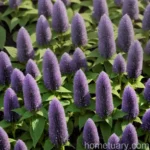
Giant Hyssop (Agastache ‘Blue Fortune’): A Comprehensive Guide
As a plant scientist, I am thrilled to share with you an in-depth guide on the giant hyssop, specifically the Agastache ‘Blue Fortune’ variety. Whether you are an avid gardener, a landscaping enthusiast, or someone interested in herbal uses and wildlife gardening, this guide will provide you with valuable insights into the cultivation, characteristics, uses, and ecological significance of the Agastache ‘Blue Fortune’. Let’s dive into this extensive plant profile and explore its various aspects.
What is Plant: Giant Hyssop (Agastache ‘Blue Fortune’)
The giant hyssop, scientifically known as Agastache ‘Blue Fortune’, is a stunning perennial plant that belongs to the Lamiaceae family. This species is renowned for its attractive appearance, aromatic foliage, and vibrant blue flowers, making it a favorite among gardeners and landscape designers. Native to North America, Agastache ‘Blue Fortune’ is a versatile plant that thrives in a variety of settings, from cottage gardens to pollinator-friendly landscapes.
Key Takeaways – Giant Hyssop (Agastache ‘Blue Fortune’)
Before diving into the specifics of cultivating and caring for the Agastache ‘Blue Fortune’, let’s explore the key takeaways that will be covered in this comprehensive guide:
- Giant Hyssop (Agastache ‘Blue Fortune’) Culture: Understanding the natural habitat and growth habits of the plant.
- Uses: Exploring the diverse uses of Agastache ‘Blue Fortune’ in gardens, landscapes, and herbal remedies.
- Water Requirements: Learning about the optimal water conditions for cultivating giant hyssop.
- Sunlight: Understanding the sunlight preferences and exposure requirements of Agastache ‘Blue Fortune’.
- Fertilizer: Exploring the fertilization needs and best practices for promoting healthy growth.
- Soil: Identifying the ideal soil conditions for planting and growing the giant hyssop.
- Pruning: Implementing effective pruning techniques to maintain the plant’s shape and vitality.
- Propagation: Learning about the different methods of propagating Agastache ‘Blue Fortune’.
- Container Gardening: Exploring the possibilities of cultivating giant hyssop in containers.
- Popularity: Understanding the growing popularity of Agastache ‘Blue Fortune’ in horticulture and landscaping.
- Common Diseases: Identifying potential diseases that may affect giant hyssop and preventive measures.
- Common Pests: Recognizing and addressing common pests that pose a threat to the plant’s health.
Now that we have outlined the key components of this guide, let’s delve into the specifics of cultivating and caring for the beautiful and versatile giant hyssop, Agastache ‘Blue Fortune’.
Culture
Understanding the natural habitat and cultural requirements of the giant hyssop is crucial for successfully cultivating and maintaining this plant. By mimicking its indigenous conditions, gardeners can ensure the health and vitality of Agastache ‘Blue Fortune’.
Native Habitat of Giant Hyssop
Native Regions
Giant hyssop, or Agastache, is native to North America, where it can be found in various regions, including the central and western parts of the continent. The plant thrives in diverse habitats, ranging from prairies and open woodlands to mountainous areas, where it often grows in well-drained soils and under full sun exposure.
Growth Habits
In its natural habitat, Agastache ‘Blue Fortune’ exhibits robust growth habits, with sturdy stems and an upright form. The plant’s ability to adapt to different ecological conditions makes it a resilient species that can thrive in a range of environments.
Giant Hyssop Varieties
Agastache ‘Blue Fortune’ is just one of the many captivating varieties within the giant hyssop genus. As a plant scientist, I appreciate the diversity of this genus, which includes species offering a spectrum of colors, fragrances, and growth habits. Whether you are drawn to vibrant blooms or aromatic foliage, there is a giant hyssop variety to suit every gardener’s preferences.
Uses
The uses of Agastache ‘Blue Fortune’ extend beyond its aesthetic appeal, making it a valued plant for various applications, including landscaping, herbal remedies, and supporting local wildlife populations.
Agastache ‘Blue Fortune’ in Landscaping
Ornamental Value
One of the primary uses of Agastache ‘Blue Fortune’ is its ornamental value in landscaping. The plant’s prolific blooming, particularly its striking blue flowers, makes it an eye-catching addition to gardens, borders, and mixed perennial beds. Its long flowering season and attractive foliage enhance the visual appeal of any landscape.
Pollinator-Friendly Garden
Giant hyssop, including the Agastache ‘Blue Fortune’ variety, is renowned for its ability to attract pollinators, such as bees, butterflies, and hummingbirds. By incorporating this plant into garden designs, individuals can contribute to the conservation of pollinator species while enjoying the dynamic activity they bring to the garden.
Giant Hyssop Medicinal Properties
Herbal Uses
Beyond its horticultural charm, Agastache ‘Blue Fortune’ has a history of traditional herbal uses. The plant’s leaves and flowers have been utilized in herbal remedies for their aromatic and potentially medicinal properties. From teas to tinctures, giant hyssop has found its place in natural wellness practices.
Essential Oil Production
The aromatic qualities of Agastache ‘Blue Fortune’ make it suitable for essential oil production. Distilling the plant’s foliage and flowers can yield a fragrant essential oil, which may be utilized in aromatherapy or as a natural fragrance.
Culinary Uses
In addition to its ornamental and herbal applications, giant hyssop, including the Agastache ‘Blue Fortune’ variety, has found its way into culinary ventures. The plant’s edible flowers and foliage are appreciated for their subtle minty flavor, adding a delightful and aromatic element to dishes and beverages.
Water
Understanding the water requirements of Agastache ‘Blue Fortune’ is essential for maintaining the plant’s health and promoting vigorous growth.
Water Requirements for Giant Hyssop
Well-Drained Soil
Giant hyssop prefers well-drained soil to prevent waterlogging, which can lead to root rot and other moisture-related issues. When planting or choosing a location for Agastache ‘Blue Fortune’, it is important to ensure that the soil allows excess water to drain away effectively.
Moderate Watering
While giant hyssop appreciates regular watering, it is essential to avoid overwatering, as this can compromise the plant’s overall health. During dry periods, providing consistent moisture without causing waterlogged conditions is ideal for nurturing thriving Agastache ‘Blue Fortune’ specimens.
Drought Tolerance
One of the appealing attributes of Agastache ‘Blue Fortune’ is its drought tolerance once established. This makes it a suitable choice for water-wise gardens and landscapes, where the plant can endure periods of reduced water availability with minimal impact on its vitality.
Sunlight
Understanding the sunlight preferences and exposure requirements of Agastache ‘Blue Fortune is fundamental for fostering optimal growth and abundant blooming.
Giant Hyssop Sun Exposure
Full Sun
Agastache ‘Blue Fortune’ thrives in full sun conditions, receiving at least six hours of direct sunlight per day. Adequate sunlight is essential for promoting flowering and maintaining the plant’s overall vigor.
Partial Shade
While giant hyssop prefers full sun exposure, it can tolerate some degree of partial shade, particularly in regions with intense afternoon sunlight or during exceptionally hot spells. However, consistent exposure to full sun is ideal for robust growth and prolific flowering.
Fertilizer
Providing appropriate nourishment to Agastache ‘Blue Fortune’ is key to supporting its growth and enhancing its ornamental and ecological value.
Fertilization Needs
Balanced Fertilizer
When fertilizing giant hyssop, it is beneficial to use a balanced, slow-release fertilizer to avoid rapid nutrient leaching and potential damage to the plant. A fertilizer with a balanced N-P-K ratio can provide the essential nutrients needed for healthy growth and flowering.
Annual Application
Applying fertilizer in early spring, as new growth emerges, can supplement the plant’s nutritional needs and support its development throughout the growing season. Avoid over-fertilizing, as excessive nutrients can lead to lush foliage at the expense of flowering.
Soil
Understanding the ideal soil conditions for planting and growing Agastache ‘Blue Fortune’ is crucial for establishing healthy and flourishing specimens.
Giant Hyssop Soil Requirements
Well-Drained, Loamy Soil
Giant hyssop thrives in well-drained, loamy soil that offers good aeration and moisture retention. This type of soil structure promotes healthy root development while minimizing the risk of waterlogged conditions.
pH Preference
Agastache ‘Blue Fortune’ prefers slightly acidic to neutral soil, with a pH range of 6.0 to 7.5. Conducting a soil test can aid in assessing the pH levels and making any necessary amendments to create an optimal growing environment for the plant.
Soil Amendment
In situations where the native soil is heavy or compacted, incorporating organic matter, such as compost or well-rotted manure, can improve the soil’s texture and fertility. This amendment can enhance the soil’s capacity to retain moisture and nutrients, benefiting the growth of Agastache ‘Blue Fortune’.
Pruning
Implementing effective pruning techniques is important for maintaining the shape, health, and blooming performance of Agastache ‘Blue Fortune’.
Giant Hyssop Pruning Tips
Deadheading Spent Blooms
Regular deadheading of spent blooms can encourage continuous flowering and prevent the plant from expending energy on seed production. By removing faded flowers, gardeners can promote the development of new blossoms and prolong the overall flowering period.
Pruning to Manage Growth
Pruning back the stems of giant hyssop in early spring, before new growth emerges, can help manage the plant’s overall size and shape. This practice can also rejuvenate older specimens and stimulate vigorous, bushy growth.
Propagation
Learning about the different methods of propagating Agastache ‘Blue Fortune’ provides opportunities for expanding its presence in the garden and sharing this captivating plant with fellow enthusiasts.
Agastache ‘Blue Fortune’ Propagation Methods
Division
Dividing established clumps of Agastache ‘Blue Fortune’ is a reliable method of propagation. This can be done in early spring, separating the plant into sections with healthy roots and shoots, which can then be replanted in suitable locations.
Seed Propagation
Growing giant hyssop from seeds allows for the introduction of new varieties and supports the preservation of genetic diversity within this species. Sowing seeds in a well-prepared seedbed or containers can yield young plants ready for transplanting once they have developed sufficient vigor.
Container
Exploring the possibilities of cultivating giant hyssop in containers opens up new opportunities for incorporating Agastache ‘Blue Fortune’ into various settings, including small gardens, patios, and balconies.
Giant Hyssop Container Gardening
Suitable Containers
When choosing containers for growing Agastache ‘Blue Fortune’, selecting pots with adequate drainage holes is essential to prevent waterlogging. Additionally, choosing larger containers allows for ample root space and stability for the plants as they mature.
Well-Drained Potting Mix
Using a well-draining potting mix, enriched with organic matter, supports the healthy growth of giant hyssop in containers. This type of substrate promotes root development and water retention while preventing the risk of waterlogged conditions.
Popularity
The growing popularity of Agastache ‘Blue Fortune’ in horticulture and landscaping reflects the plant’s exceptional qualities and its ability to enrich diverse gardening and ecological initiatives.
Giant Hyssop in Horticulture
Attractive Attributes
The striking blue flowers, aromatic foliage, and long flowering season of Agastache ‘Blue Fortune’ contribute to its growing popularity in horticultural circles. Gardeners and landscape designers value the plant for its visual appeal and ecological significance.
Versatile Uses
The versatility of giant hyssop, including its ornamental, culinary, and medicinal uses, has contributed to its increasing popularity in diverse gardening and lifestyle contexts. Its adaptability to different growing conditions further enhances its appeal to a broad audience of enthusiasts.
Common Diseases
Identifying potential diseases that may affect giant hyssop and understanding preventive measures is essential for maintaining the health of Agastache ‘Blue Fortune’.
Disease Diagnosis
Fungal Diseases
Giant hyssop can be susceptible to certain fungal diseases, particularly those that thrive in humid or poorly ventilated conditions. Powdery mildew and downy mildew are among the common fungal infections that can affect the plant’s foliage and overall health.
Preventive Measures
To prevent fungal diseases, it is important to provide good air circulation around giant hyssop plants and avoid overhead watering, which can create humid conditions conducive to fungal growth. Additionally, removing and disposing of infected plant material can help prevent the spread of these diseases.
Common Pests
Recognizing and addressing common pests that pose a threat to the health of Agastache ‘Blue Fortune’ is essential for mitigating potential damage and preserving the plant’s vitality.
Giant Hyssop Pest Management
Aphids
Aphids are among the common pests that may feed on the foliage and stems of giant hyssop, potentially causing distortion and stunted growth. Regularly inspecting the plant for signs of aphid infestation and implementing appropriate pest management strategies can help protect Agastache ‘Blue Fortune’ from these tiny intruders.
Preventive Measures
Encouraging natural predators of aphids, such as ladybugs and lacewings, can serve as a natural pest control method. Additionally, maintaining overall plant health through proper watering and fertilization can enhance the resilience of giant hyssop against pest attacks.
Botanist’s Tips
As a plant scientist with a passion for giant hyssop, I have gathered a few valuable tips to share with fellow enthusiasts and aspiring gardeners who are drawn to the allure of Agastache ‘Blue Fortune’.
Agastache ‘Blue Fortune’ Care Tips
Soil Amendments
Incorporating organic matter, such as compost or well-rotted manure, into the soil when planting Agastache ‘Blue Fortune can provide a fertile and well-structured growing medium that supports the plant’s vigor and resilience.
Watering Practices
Maintaining moderate and consistent soil moisture is essential for the health and flowering performance of giant hyssop. Avoiding prolonged periods of drought stress or waterlogging is fundamental for nurturing thriving specimens.
Seasonal Pruning
Engaging in seasonal pruning, particularly in early spring, can help manage the growth and shape of Agastache ‘Blue Fortune while promoting vigorous new growth and abundant flowering throughout the season.
Fun Facts
Discovering fun and fascinating facts about giant hyssop, particularly the Agastache ‘Blue Fortune’ variety, can enrich the appreciation of this captivating plant and its ecological significance.
Giant Hyssop Fun Facts
- Historical Uses: Giant hyssop has historical significance among indigenous communities, where it was valued for its herbal and aromatic properties in traditional medicine and ceremonial practices.
- Wildlife Attractor: Beyond its appeal to pollinators, giant hyssop serves as a valuable habitat and food source for various wildlife species, supporting a biodiverse ecological community.
Links to External Resources
Further Reading and Resources
To expand your knowledge and appreciation of Agastache ‘Blue Fortune’ and giant hyssop in general, I recommend exploring the following resources:
- Royal Horticultural Society – Agastache Blue Fortune
- Missouri Botanical Garden – Agastache Blue Fortune
With the insights shared in this blog post, you are now equipped with a comprehensive understanding of Agastache ‘Blue Fortune’ and the captivating world of giant hyssop. Whether you are considering adding this plant to your garden, exploring its ecological significance, or seeking ways to support local pollinators, giant hyssop offers a wealth of beauty, versatility, and potential for enriching natural landscapes and garden settings.
Happy gardening!
[Written by a Plant Scientist]