

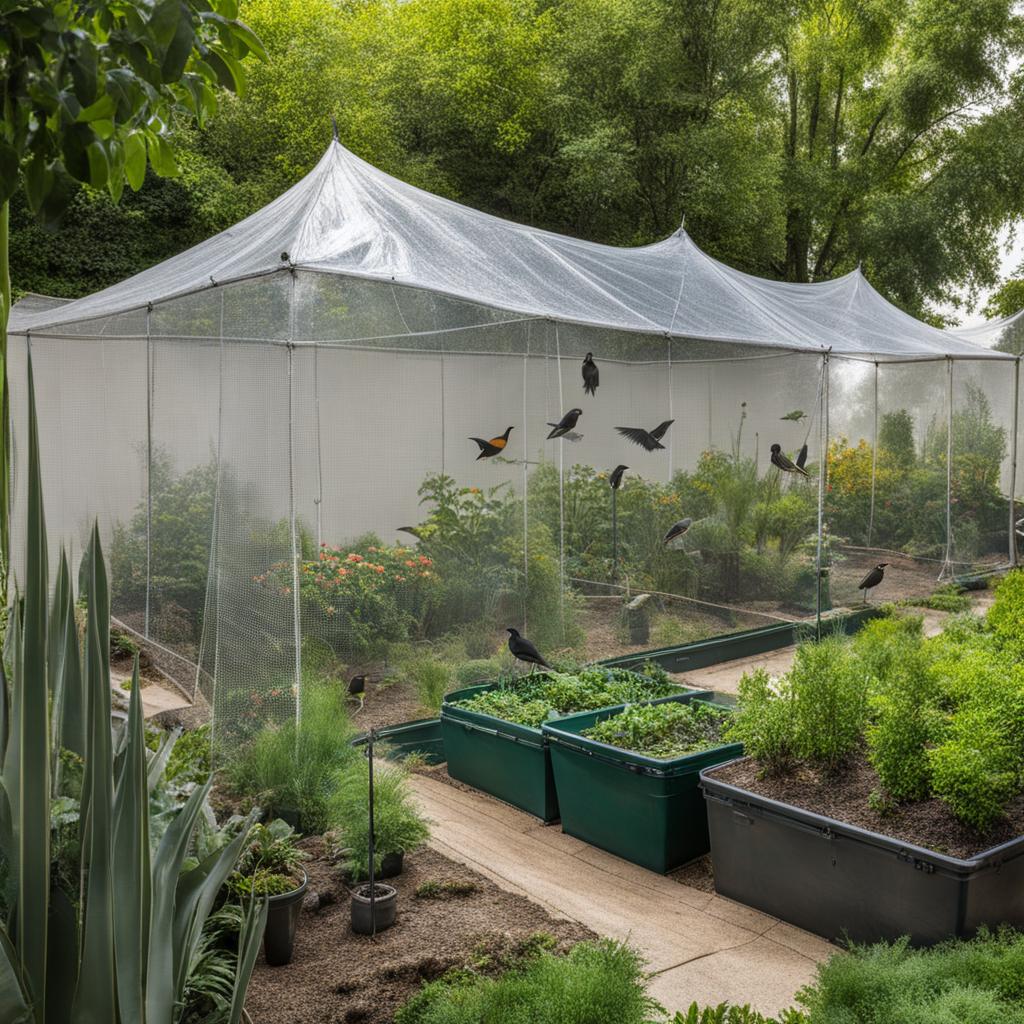
Birds can be quite a nuisance in your garden, wreaking havoc on your plants and leaving unsightly droppings behind. But fear not, as I have just the solutions you need to keep those pesky birds at bay. In this article, I’ll share with you proven methods and strategies for effectively deterring birds from your garden, ensuring that your plants thrive and flourish.
Key Takeaways:
- Learn how to keep birds out of your garden using visual deterrents like scarecrows and decoy predators.
- Utilize reflective items and wind chimes to create flashing lights and noises that will scare away birds.
- Consider using bird netting and spikes as physical barriers to prevent birds from accessing your garden.
- Explore natural repellents such as homemade sprays and scents to deter birds without the use of chemicals.
- Manage your garden’s habitat by clearing and protecting your yard from providing shelter to birds.
Understanding the Attraction: Why Birds Visit Your Garden
Have you ever wondered why birds are drawn to your garden? Understanding the factors that attract birds can help you in implementing effective strategies to keep them away. Birds are naturally drawn to gardens because they offer three key elements: water sources, habitat, and food.
Water sources are essential for birds, especially during hot and dry periods. Birdbaths, ponds, or even a simple dish filled with water can serve as a magnet for feathered visitors. Consider providing a reliable water source to prevent birds from seeking out your garden.
Gardens that offer a diverse range of plants and trees can provide a suitable habitat for birds. Some species are attracted to specific types of plants, such as those that produce nectar, berries, or seeds. You can modify your garden by removing or replacing plants that are particularly attractive to birds.
Certain plants have the ability to attract birds with their flowers, fruits, or nesting materials. Sunflowers, coneflowers, and holly bushes are just a few examples. By incorporating these plants into your garden, you can create an environment that appeals to birds while still maintaining control over their presence.
To summarize, birds visit your garden because of the water sources, habitat, and food it provides. Identifying and addressing these attractants will help you develop effective strategies to keep birds away while still enjoying the beauty of your garden.
Bird-Attracting Plants
| Plant | Description |
|---|---|
| Sunflower | Tall, vibrant flowers with abundant seeds |
| Holly | Evergreen shrub with vibrant red berries |
| Salvia | Produces colorful flowers that attract hummingbirds |
| Blackberry | Bushes that bear tasty fruits loved by birds |
Visual Deterrents: Scarecrows and Decoy Predators
In order to keep birds out of your garden, visual deterrents can be an effective solution. Scarecrows and decoy predators like plastic owls and snakes can help create a threatening environment that birds will want to avoid. Placing scarecrows strategically throughout your garden can give the impression of a human presence, scaring away birds with their lifelike appearance.
Decoy predators, such as plastic owls, can be placed on perches or hung from trees to further deter birds. The realistic design of these decoys can fool birds into thinking there is a predator nearby, causing them to flee to safer grounds. However, it is important to regularly move these decoys to prevent birds from becoming accustomed to their presence.
Using a combination of scarecrows and decoy predators can help keep birds out of your garden and protect your plants from damage. By creating a visually intimidating environment, you can effectively discourage birds from visiting your garden.
Reflective Items and Wind Chimes
When it comes to deterring birds from your garden, visual tricks can be highly effective. Birds are naturally afraid of flashing lights and reflective materials. By strategically incorporating reflective items and wind chimes into your garden, you can create an environment that discourages birds from nesting or foraging in your plants.
One simple and affordable option is to hang up old CDs in your garden. The reflective surface of the CDs will create flashing rays of light as they catch the sun, scaring away birds. You can hang the CDs from tree branches, stakes, or any other suitable location where they will move and reflect light.
Another effective visual deterrent is wind chimes. The sporadic movement and noise created by wind chimes can easily startle birds and make them uncomfortable. Hang wind chimes throughout your garden, especially in areas where birds tend to congregate or cause the most damage. The sound and movement of the chimes will help keep them at a safe distance.
Benefits of Reflective Items and Wind Chimes:
- Scare away birds with flashing rays of light from reflective items like old CDs.
- Create sporadic movement and noise that startles birds by hanging wind chimes.
- Easily affordable and accessible deterrents that can be implemented in any garden.
- Provide a visually appealing and relaxing atmosphere with the addition of wind chimes.
By incorporating reflective items and wind chimes into your garden, you can add an extra layer of protection against birds. These simple yet effective deterrents not only keep your plants safe from bird damage but also add a touch of visual interest to your outdoor space. Remember to regularly move and adjust these items to prevent birds from becoming accustomed to their presence and to maximize their effectiveness.
Bird Netting and Spikes
When it comes to keeping birds out of your garden, physical barriers can be incredibly effective. Bird netting and spikes are two popular options for preventing birds from accessing your plants and causing damage.
Bird netting is a lightweight and flexible mesh that can be draped over plants, trees, and berries. The small gaps in the netting allow sunlight, water, and air to reach the plants, while keeping birds at bay. It acts as a physical barrier, preventing birds from reaching the fruits and vegetables in your garden. Bird netting is especially useful for protecting crops that birds tend to be attracted to, such as strawberries or blueberries.
Bird spikes, on the other hand, are designed to deter birds from perching or roosting on ledges, fences, or other surfaces. These spikes have sharp points that make it uncomfortable or impossible for birds to land. By installing bird spikes in areas where birds commonly gather, you can effectively deter them from entering your garden or damaging your property.
| Pros of Bird Netting | Cons of Bird Netting |
|---|---|
| Provides a physical barrier | Requires proper installation |
| Allows sunlight, water, and air to reach plants | Needs to be regularly checked for damage or holes |
| Protects crops from bird feeding | May need to be removed for harvesting |
Bird spikes for gardens
While bird netting is ideal for protecting individual plants or trees, bird spikes are better suited for preventing birds from perching or roosting on larger areas. These durable spikes can be easily installed on ledges, fences, rooftops, and other surfaces where birds may congregate. The sharp points of the spikes make it uncomfortable for birds to land, encouraging them to seek another location.
| Pros of Bird Spikes | Cons of Bird Spikes |
|---|---|
| Effective deterrent for perching birds | May require regular maintenance and cleaning |
| Durable and long-lasting | Can be visually unappealing |
| Easy to install on various surfaces | May not be suitable for all areas or structures |
By utilizing bird netting and spikes in your garden, you can create physical barriers that effectively deter birds from causing damage. Whether you’re protecting individual plants or larger areas, these tools provide a long-lasting solution for keeping birds out of your garden and maintaining the beauty of your plants.
Natural Repellents: Homemade Sprays and Scents
When it comes to keeping birds out of your garden, natural repellents can be an effective and eco-friendly solution. One popular homemade method is to create a spray using crushed chili peppers, water, and vinegar. The spicy nature of the peppers gives birds an unpleasant surprise when they attempt to eat your plants. To make the spray, simply mix a tablespoon of crushed chili peppers with a gallon of water and a splash of vinegar. Spray this mixture on your plants to deter birds without causing them any harm.
“I found that using homemade bird spray with chili peppers really helped keep birds away from my garden. They didn’t like the spicy surprise on the plants and eventually stopped coming back.” – Gardener’s Insight
Another natural option is to hang up scented items that birds find unappealing. This can include things like mothballs, bars of soap, or even citrus peels. Birds have a strong sense of smell, and these odors can deter them from venturing into your garden. Hang these items strategically in areas where birds are known to frequent, such as near fruit trees or berry bushes. Their dislike of the scents will help keep them away from your precious crops.
Table: Homemade Bird Repellents
| Repellent | Ingredients | Method of Use |
|---|---|---|
| Chili Pepper Spray | Crushed chili peppers, water, vinegar | Mix a tablespoon of crushed chili peppers with a gallon of water and a splash of vinegar. Spray on plants to deter birds. |
| Scented Items | Mothballs, bars of soap, citrus peels | Hang scented items strategically in areas frequented by birds to deter them with unpleasant odors. |
Note: It’s important to remember that natural repellents may need to be reapplied periodically, especially after rainfall, to maintain their effectiveness. Additionally, it’s always a good idea to test any homemade repellent on a small area of your plants before applying it to the entire garden to ensure it won’t cause any damage.
By using these natural bird repellents, you can protect your garden from unwanted feathered visitors while avoiding the use of harsh chemicals. Whether it’s the spicy surprise of chili pepper spray or the unpleasant odors of scented items, these homemade solutions are safe for birds and the environment. Implementing these natural repellents can help you create a bird-free zone in your garden and keep your plants thriving.
Sound Deterrents: Predator Calls and Ultrasonic Devices
In addition to visual deterrents and physical barriers, sound deterrents can also be effective in keeping birds out of your garden. By utilizing predator calls and ultrasonic devices, you can create an environment that is unappealing to birds.

Predator calls mimic the sounds of birds of prey or other natural predators. These calls can create a sense of danger for birds, causing them to stay away from your garden. You can play pre-recorded predator calls at specific times or use automated devices that emit these sounds at regular intervals.
Ultrasonic devices, on the other hand, emit high-frequency sound waves that are undetectable to human ears but irritating to birds. These devices can be strategically placed in your garden and can effectively deter birds without causing harm to them or other wildlife.
| Predator Calls | Ultrasonic Devices |
|---|---|
| ✔ Mimic the sounds of natural predators | ✔ Emit high-frequency sound waves |
| ✔ Create a sense of danger for birds | ✔ Irritating to birds |
| ✔ Can be played at specific times or automated | ✔ Undetectable to human ears |
When using sound deterrents, it’s important to be mindful of your neighbors and the overall impact of the sound on the surrounding environment. Adjust the volume and frequency of the calls or ultrasonic devices as needed to achieve the desired effect without causing excessive disturbance.
By incorporating sound deterrents into your bird control strategy, you can further enhance the effectiveness of your efforts and create an environment that is less appealing to birds.
Habitat Management: Clearing and Protecting Your Yard
To effectively deter birds from your garden, it’s crucial to manage their habitat by clearing and protecting your yard. Birds are attracted to yards with dense vegetation, dead trees, and other natural obstacles that provide shelter. By regularly clearing your yard, you can remove these hiding spots and discourage birds from staying. Here are some important steps to take:
- Remove dead trees: Birds often seek refuge in dead trees. By removing these trees, you eliminate potential nesting spots and make your yard less inviting to birds.
- Clear dense weeds and debris: Birds may hide in dense weeds or debris piles. Regularly mowing the lawn and removing any accumulated debris will make your yard less attractive to them.
- Use protective covers: If you have outdoor furniture or other structures in your yard, consider using protective covers. This prevents birds from perching or nesting on these surfaces, further deterring them from your yard.
By implementing these habitat management strategies, you can create an environment that is less appealing to birds. However, it’s important to strike a balance between deterring birds and maintaining a bird-friendly space. Consider incorporating bird-friendly features like bird baths or nesting boxes in areas away from your garden to provide alternative habitats for birds.
Table: Comparison of Bird Deterrent Methods
| Method | Effectiveness | Cost | Ease of Use |
|---|---|---|---|
| Scarecrows and Decoy Predators | Medium | Low | Easy |
| Reflective Items and Wind Chimes | Low | Low | Easy |
| Bird Netting and Spikes | High | Medium | Moderate |
| Natural Repellents | Low | Low | Easy |
| Sound Deterrents | Medium | Medium | Moderate |
| Habitat Management | Medium | Low | Easy |
Pet Presence: Cats and Dogs as Bird Deterrents
Having pets in your garden can be an effective natural way to deter birds. Cats and dogs, with their hunting instincts and territorial behavior, can help keep birds away from your garden. The presence of these pets alone can often be enough to scare off birds and prevent them from causing damage to your plants.
If you have an outdoor cat, you may have noticed that they are natural hunters and will often chase birds. This instinctual behavior can act as a deterrent for birds, as they will be wary of entering an area where a cat is present. However, it’s important to note that cats should be supervised while outside to ensure the safety of both the birds and your pet.
Dogs, especially those that bark and chase, can also help discourage birds from entering your garden. The noise and movement created by a dog can be enough to frighten birds away. If you have a dog that enjoys spending time outdoors, allowing them to roam in your garden can be an effective bird deterrent.
| Pets as Bird Deterrents | Effectiveness |
|---|---|
| Cats | High |
| Dogs | Medium to high |
Remember, while cats and dogs can help keep birds out of your garden, it’s important to strike a balance between creating a safe environment for your pets and preserving the well-being of the birds. Ensure that your pets are not causing harm to the birds or other wildlife in your area.
By incorporating the presence of cats and dogs into your garden, you can create a natural and effective deterrent to keep birds at bay.
Chicken Wire and Garden Netting
When it comes to protecting your garden from bird damage, chicken wire and garden netting are two effective options to consider. Chicken wire, with its small holes, acts as a physical barrier that prevents birds from pecking and scratching at your young plants. By enclosing your plants with chicken wire, you can keep them safe from unwanted avian visitors. Garden netting, on the other hand, provides a protective cover for larger plants, trees, and fruits. Properly installed and taut netting creates a barrier that birds cannot penetrate, ensuring your harvest remains intact.
When using chicken wire or garden netting, it’s essential to take proper installation into consideration. Chicken wire should be firmly secured around your plants, ensuring there are no gaps or loose ends that birds can exploit. With garden netting, make sure it is stretched tightly over the desired area and firmly anchored to prevent birds from getting tangled or accessing the protected plants. Regular maintenance of these deterrents is necessary to ensure their effectiveness throughout the season.
| Chicken Wire | Garden Netting |
|---|---|
| Acts as a physical barrier | Provides a protective cover |
| Prevents pecking and scratching | Keeps larger plants, trees, and fruits safe |
| Requires proper installation and maintenance | Should be stretched tightly and anchored |
In summary, chicken wire and garden netting are effective measures to safeguard your garden from birds. By utilizing these physical barriers, you can protect your plants, trees, and fruits from damage caused by bird feeding and pecking. Remember to install and maintain these deterrents properly to ensure their consistent functionality.
Garden Fleece as Protective Barrier
When it comes to protecting your plants from birds, garden fleece can be an effective and versatile solution. This lightweight fabric acts as a protective barrier, keeping birds from damaging your crops. By draping the fleece over your plants, you create a physical barrier that prevents birds from reaching and chewing on them.
Garden fleece is particularly useful in situations where other deterrents may not be practical or effective. For example, if you have delicate seedlings or young plants that are vulnerable to bird damage, simply covering them with garden fleece can provide an added layer of protection. The fleece is breathable, allowing sunlight and air to reach your plants while keeping birds at bay.
“Garden fleece is a game-changer for me. I used to struggle with birds damaging my crops, but since I started using fleece, I haven’t had any issues. It’s easy to use and doesn’t harm the birds. I highly recommend it!” – Jane, a satisfied gardener.
To use garden fleece, simply measure the length and width of your garden bed or individual plants and cut the fleece accordingly. Ensure that it completely covers the plants, leaving no gaps for birds to get through. You can secure the fleece in place using garden staples or rocks. When it’s time to harvest, simply roll back the fleece to access your plants without any hassle.
| Benefits of Garden Fleece as a Protective Barrier |
|---|
| Prevents birds from damaging plants |
| Lightweight and breathable |
| Easy to use and remove |
| Can be reused multiple times |
| Provides protection without harming birds |
Using garden fleece as a protective barrier is not only effective but also environmentally friendly. It allows you to safeguard your plants while maintaining a bird-friendly garden. So, if you’re looking for a reliable and easy-to-use method to keep birds away from your plants, give garden fleece a try!

Incorporating Protective Plants
When it comes to keeping birds out of your garden, incorporating protective plants can be an effective strategy. Certain plants have natural properties that repel birds and make your garden less appealing to them. By strategically planting these protective plants, you can create a deterrent barrier that discourages birds from causing damage to your crops.
One example of a protective plant is the marigold. Marigolds are known for their bright colors and strong scent, which birds find unappealing. Planting marigolds around your garden can help deter birds from getting too close to your precious plants. Another protective plant is the sunflower. Aside from being visually appealing, sunflowers produce a sticky substance that birds dislike. By incorporating sunflowers in your garden, you can create a natural barrier that keeps birds at bay.
Another option for bird control is the use of lavender. Lavender not only adds a beautiful fragrance to your garden but also acts as a natural bird repellent. The strong scent of lavender is not favored by birds, making it an excellent choice for protecting your garden. Additionally, planting thorny bushes like barberry or holly can act as a physical barrier, deterring birds from entering specific areas of your garden.
Table: Protective Plants for Bird Control
| Plant | Properties | Effectiveness |
|---|---|---|
| Marigold | Bright colors, strong scent | Repels birds with scent and visual deterrent |
| Sunflower | Produces sticky substance | Deters birds from approaching |
| Lavender | Strong scent | Repels birds with its fragrance |
| Barberry | Thorny bushes | Acts as a physical barrier |
When incorporating protective plants into your garden, consider the specific needs and conditions of your plants and the local bird species. Some plants may thrive in certain climates or require specific care. By selecting the right combination of protective plants and maintaining a healthy garden ecosystem, you can create an environment that is unappealing to birds while still providing a haven for other beneficial wildlife.
Remember that while protective plants can help deter birds, they may not be the sole solution for bird control. It is important to combine multiple strategies, such as visual deterrents and physical barriers, for maximum effectiveness. By understanding the behavior of birds and implementing various methods, you can successfully keep birds out of your garden and protect your plants.
Conclusion
After exploring various strategies to keep birds out of the garden, it is clear that there are effective ways to protect your plants from bird damage while still maintaining a bird-friendly environment. By implementing a combination of visual deterrents, physical barriers, natural repellents, sound deterrents, and habitat management, you can create an environment that discourages birds from causing harm.
Visual deterrents, such as scarecrows and decoy predators like plastic owls, can effectively scare away birds when strategically placed in the garden. Reflective items like old CDs and wind chimes can also create flashing lights and noise that birds find unsettling. Additionally, physical barriers like bird netting and spikes can physically prevent birds from accessing your garden and causing damage.
For those who prefer environmentally friendly options, natural repellents like homemade sprays using chili peppers, water, and vinegar can be sprayed on plants to give birds an unpleasant surprise. Sound deterrents like predator calls and ultrasonic devices emit sounds that birds find irritating, encouraging them to stay away from your garden. Lastly, managing your garden’s habitat by clearing and protecting your yard, as well as incorporating protective plants, can help create an environment that is less attractive to birds.
Remember to adapt and change your strategies as birds may become familiar with certain deterrents over time. By being proactive and implementing these methods, you can effectively keep birds out of your garden and protect your plants from damage.
FAQ
How do I keep birds out of my garden?
There are several effective methods for keeping birds out of your garden. These include using visual deterrents like scarecrows and decoy predators, using reflective items and wind chimes, using bird netting and spikes, incorporating natural repellents, and managing the habitat in your yard.
Why do birds visit my garden?
Birds are attracted to gardens for water sources, habitat, and food. They may also be attracted to specific plants and trees. It’s important to identify and address these attractants while still maintaining a bird-friendly environment.
Are scarecrows and decoy predators effective in deterring birds?
Yes, scarecrows and decoy predators like plastic owls and snakes are effective visual deterrents for birds. They can be strategically placed in your garden to scare away birds. However, it’s important to regularly move these decoys to prevent birds from becoming familiar with their presence.
How can reflective items and wind chimes help keep birds away?
Birds are afraid of flashing lights and reflective materials. Hanging up old CDs or using reflective bird deterrents can create flashing rays of light that scare away birds. Wind chimes can also be effective in deterring birds with their sporadic movement and noise.
What are bird netting and spikes?
Bird netting is a physical barrier that can be used to cover plants, trees, and berries, preventing birds from accessing them. Spikes can be installed on ledges and surfaces where birds like to perch, physically preventing them from reaching your garden.
Can I use homemade sprays to repel birds?
Yes, instead of using chemical solutions, you can create non-toxic homemade repellents to deter birds. A popular homemade spray consists of crushed chili peppers, water, and vinegar. Spraying this mixture on plants gives birds an unpleasant surprise when they attempt to eat them. This method is eco-friendly and safe for birds.
Can sound deterrents help keep birds away from my garden?
Yes, playing predator calls or high-pitched, ultrasonic sound beams can deter birds. These sounds are undetectable to human ears but irritating to birds. Customized speaker covers can be placed in your garden to emit these sounds and discourage birds from staying in the area.
How can I manage the habitat in my yard to deter birds?
Birds seek shelter in yards with dense vegetation, dead trees, and other natural obstacles. Regular clearing and maintenance of your yard can remove these hiding spots and discourage birds from staying. Removing dead trees, dense weeds, and debris, as well as using protective covers on furniture, can help deter birds.
Can pets act as natural bird deterrents?
Yes, cats and dogs can scare away birds with their presence and behavior. If your pets have a hunting instinct or enjoy barking and chasing, they can help keep birds away. Allowing your pets to spend time in the garden can be an effective bird deterrent.
How can I protect my plants from birds?
Using chicken wire with small holes is an effective way to protect young plants from birds. Garden netting can also be used to protect trees and fruits from bird feeding. Proper installation and tautness of netting are crucial for its effectiveness.
Can garden fleece be used as a protective barrier against birds?
Yes, garden fleece, typically used for frosts, can be utilized as a protective barrier against birds. It can be draped over plants to keep birds from chewing on them. When it’s time to harvest, the fleece can be rolled back, providing easy access to the plants.
Are there specific plants that can repel birds?
Yes, certain plants such as calendulas, cornflowers, and poppies can deter birds from the garden. Planting these annuals around susceptible crops can help keep birds away by creating an undesirable environment for them.




