


Hey there! Today, let’s explore the fascinating world of pepper plants and dive into the depths of their root systems. Have you ever wondered how deep pepper roots grow? Well, get ready to dig in because I’m going to reveal the secrets of root depth in pepper plants.
Contrary to popular belief, peppers are not just a pretty face – they have some serious root power too. Just like their tomato cousins, peppers benefit from deep planting. Yes, you heard me right! Peppers can root from their stems, which means they can be planted deeper for healthier and more productive plants.
So, why should you consider planting your peppers deep? Well, it’s all about the roots! Deep planting allows for more root development, resulting in increased nutrient intake, stronger plants, and higher yields. And the best part? This deep planting technique works wonders for various varieties of peppers, including bell peppers, jalapenos, and poblanos.
Key Takeaways:
- Peppers can root from their stems and benefit from deep planting.
- Deep planting promotes more root development, leading to healthier and more productive plants.
- This technique can be applied to various pepper varieties, such as bell peppers, jalapenos, and poblanos.
- Increase nutrient intake, anchor plants against wind damage, and provide a strong base for top-heavy plants.
- Starting pepper seedlings indoors and transplanting them outdoors can maximize the benefits of deep planting.
Promoting Deep Root Growth in Peppers: The Benefits of Deep Planting
Deep planting peppers is a gardening technique that offers numerous advantages, ultimately resulting in healthier plants and increased yields. By promoting deep root growth, peppers are better equipped to absorb nutrients, establish a strong foundation, and withstand environmental stressors. The benefits of deep planting extend beyond root development, as it also enhances overall plant health and productivity. Here are some reasons why deep planting is beneficial for peppers.
Increased Nutrient Intake and Plant Vigor
Deep planting allows peppers to develop more extensive root systems, which in turn enables them to absorb a greater amount of nutrients from the soil. With access to a plentiful supply of nutrients, pepper plants can thrive and exhibit robust growth. This enhanced nutrient intake results in healthier and more vigorous plants that are better equipped to produce an abundance of flavorful peppers.
Improved Stability and Wind Resistance
Pepper plants with deep root systems are more stable and better able to withstand strong winds. The deeper the roots, the better they anchor the plants, reducing the risk of damage or uprooting during inclement weather. This increased stability is especially important for taller pepper varieties or those grown in windy areas. Deep planting provides a solid foundation, ensuring that your pepper plants remain upright and resilient.
Strengthened Support for Top-Heavy Plants
Some pepper varieties, particularly those that produce large fruits or have a bushy growth habit, can become top-heavy. Deep planting offers a solution by providing a stronger base for these plants. When peppers are planted deep, the buried stem develops additional roots, creating a more substantial support system. This added stability helps prevent the plants from toppling over under the weight of fruit, ensuring that your harvest remains intact.
Deep planting peppers promotes deep root growth and offers a range of benefits. By facilitating increased nutrient intake, enhancing plant stability, and providing extra support for top-heavy plants, this technique contributes to healthier, more productive pepper plants. When planning your pepper garden, consider implementing deep planting to maximize the potential of your crop and enjoy an abundant harvest.
How to Plant Peppers Deep
Planting peppers deep is a simple and effective technique to encourage optimal root development and growth. Follow these steps to plant your peppers deep and promote healthy plants:
Step 1: Prepare the Plant
Before planting, remove the leaves from the lower 2/3 of the pepper plant. This will allow for easier burying of the stem and encourage new root growth.
Step 2: Dig the Hole
Dig a hole that is deep enough to bury the plant about 2/3 of the way. The exact depth is not critical, as the buried stem will produce more roots regardless. Aim to create a hole that is deep and wide enough to accommodate the roots and allow for proper soil contact.
Step 3: Bury the Plant
Place the pepper plant in the hole and gently backfill it with soil, ensuring that the stem is covered up to the desired depth. Press the soil lightly around the base of the plant to secure it in place.
Step 4: Water and Mulch
After planting, water the pepper plant thoroughly to settle the soil and provide initial hydration. Apply a 2-inch layer of organic mulch around the plant to help retain moisture and suppress weeds.
Remember to use a well-draining growing medium and maintain proper soil moisture throughout the growing season to support root development. With deep planting, your pepper plants will have stronger root systems and thrive in your garden.
Table: Planting Depth and Root Growth
| Planting Depth | Root Development | Optimal Depth |
|---|---|---|
| 40% | Sufficient root growth, but may result in shallower roots | No |
| 50% | Satisfactory root development with improved nutrient uptake | No |
| 70% | Stimulates deep root growth for enhanced plant health and productivity | Yes |
Deep Planting and Pepper Varieties
When it comes to deep planting peppers, this technique can be applied to a variety of pepper types, including popular ones like jalapenos and poblano peppers. While peppers, tomatoes, and eggplants belong to the same nightshade family, they all share similar growth habits and can benefit from deep planting. Bell peppers, known for their vibrant colors and sweet flavor, also thrive when planted deep. Even eggplants, with their shorter stems, can benefit from being planted slightly deeper to promote healthier root systems.
Deep planting is a versatile method that encourages deep root growth, leading to stronger and more robust pepper plants. By allowing the stem to root and develop underground, deep planting maximizes nutrient absorption and strengthens the plants. The deep root system acts as an anchor, making the plants more resistant to wind damage. The technique is particularly beneficial for top-heavy plants, compensating for their weight and providing stability. Whether you’re cultivating hot peppers or sweet bell peppers, deep planting can optimize the health and productivity of your pepper plants.
Deep Planting and Pepper Varieties
Pepper Variety | Spacing | Optimal Depth
Bell Peppers | 12-18 inches | 50-70%
Jalapenos | 12-18 inches | 50-70%
Poblano Peppers | 12-18 inches | 50-70%
Eggplants | 12-18 inches | Slightly deeper planting, promoting root growth
Table: Recommended spacing and planting depth for various pepper varieties.
Starting Peppers Indoors for Deep Planting
To maximize the benefits of deep planting and ensure strong root growth in pepper plants, it is best to start the seedlings indoors. This allows for controlled growth and the development of sturdy plants with robust root systems. By starting indoors, you can also extend the growing season and get a head start on your pepper garden.
To begin, start pepper seeds indoors about 8 to 10 weeks before the last frost date in your area. Use a sterile seed-starting mix and plant the seeds in trays or individual pots. Keep the soil temperature between 70°F and 85°F for optimal germination. You can use a seedling heat mat or place the containers near a heat source to maintain the temperature.
As the seedlings grow, gradually introduce them to outdoor conditions through a process known as hardening off. This involves exposing them to a few hours of direct sunlight each day and gradually increasing the duration over the course of a week. Hardening off helps the seedlings adjust to outdoor temperatures, sunlight, and wind, preparing them for transplanting.
Transplanting Pepper Seedlings Outdoors
Once your pepper seedlings have reached the appropriate size and the threat of frost has passed, it’s time to transplant them outdoors. This step is crucial for ensuring the healthy development of the pepper plant root system and maximizing your pepper harvest. Here’s a step-by-step guide to transplanting pepper seedlings:
- Choose a sunny location with well-drained soil and a pH between 5.5 and 7.0. Pepper plants thrive in warm, sunny conditions, so select a spot that receives at least six hours of direct sunlight daily.
- Prior to transplanting, remove any fruit or flowers that have developed on the seedlings. This allows the plants to focus their energy on root and stem development instead of fruit production.
- Prepare the soil by loosening it with a garden fork or tiller. Incorporate organic matter such as compost or well-rotted manure to improve soil fertility and drainage.
- Dig a hole slightly larger than the root ball of the seedling. Gently remove the seedling from its container, being careful not to damage the fragile roots.
- Place the seedling in the hole, making sure the soil level is slightly higher than it was in the container. This allows for better water absorption and encourages the growth of additional roots along the buried stem.
- Backfill the hole with soil, gently firming it around the base of the seedling. Avoid compacting the soil too tightly, as this can hinder root growth.
- Water the newly transplanted seedling thoroughly to settle the soil and ensure good root-to-soil contact. Continue to water regularly, keeping the soil moist but not waterlogged.
- Provide support stakes or cages to the pepper plants early on to prevent them from collapsing under the weight of the fruit as they grow.
By following these transplanting guidelines, you’ll give your pepper seedlings the best chance to establish a strong root system and thrive in their new outdoor environment. Remember to monitor the plants closely and provide appropriate care, including regular watering, fertilization, and pest control, to ensure healthy growth and abundant pepper harvests.
Expert Tip: Hardening Off
To help your pepper seedlings transition successfully from the controlled environment indoors to the outdoor garden, it’s important to harden them off. Hardening off is the process of gradually acclimating the seedlings to outdoor conditions before transplanting them. This helps them adjust to factors such as sunlight, temperature fluctuations, and wind, reducing the risk of transplant shock.
Begin by placing the seedlings in a sheltered, shady spot outdoors for a few hours each day, gradually increasing their exposure to sunlight and outdoor elements over a period of 7 to 10 days. Start with short sessions and gradually extend the duration each day. This gradual transition allows the seedlings to build tolerance and adapt to outdoor conditions, ensuring a successful transplant and healthy root development.
| Pepper Variety | Spacing |
|---|---|
| Bell Peppers (sweet and colored) | 12-18 inches |
| Jalapenos and other hot peppers | 12-18 inches |
| Banana Peppers, Poblano Peppers, Cayenne Peppers | 12-18 inches |
Spacing Pepper Plants for Optimal Growth
Proper spacing is key to ensure optimal growth for pepper plants. When it comes to spacing pepper plants, you want to provide enough room for each plant to thrive without overcrowding. This allows for adequate air circulation, reduces the risk of disease, and ensures that each plant has access to the necessary nutrients and sunlight.
For most pepper varieties, spacing plants between 12 and 18 inches apart is ideal. However, the specific spacing requirements can vary depending on the variety. For example, smaller pepper varieties like jalapenos and banana peppers can be spaced closer together, around 12 inches apart. Larger varieties like bell peppers may need more space, around 18 inches apart. Be sure to refer to the seed instructions or consult a gardening resource to determine the recommended spacing for your specific pepper variety.
While peppers do benefit from being grown in close proximity to one another, it’s important to avoid overcrowding. Overcrowded plants can compete for resources and hinder each other’s growth. By providing adequate spacing, you not only promote healthy root development but also make it easier to access the plants for maintenance and harvesting. So, give your pepper plants some breathing room, and they’ll reward you with bountiful yields of delicious peppers.
Tips for Proper Spacing
- Measure the spacing accurately: Use a ruler or measuring tape to ensure consistent and proper spacing between each pepper plant.
- Consider plant size at maturity: Take into account the potential size of the pepper plants when they reach maturity. Larger plants may require more space to accommodate their growth.
- Leave room for air circulation: Proper spacing allows air to circulate freely around the plants, reducing the risk of fungal diseases.
- Plan for easy access: Leave enough space between plants to make it easy to navigate through the garden for maintenance tasks such as watering, weeding, and harvesting.
By following these spacing guidelines, you can create an optimal growing environment for your pepper plants, ensuring they have the space they need to thrive and produce an abundant harvest.
Types of Peppers and Their Spacing Requirements
When it comes to growing peppers, there is a wide variety of options to choose from. Different types of peppers come in various colors, sizes, and flavors, each bringing its unique taste to the table. Whether you prefer the sweet crunch of bell peppers, the fiery heat of jalapenos, or the smoky flavor of poblano peppers, understanding their spacing requirements is essential for successful growth. Here are some popular pepper varieties and the recommended spacing for each:
| Pepper Variety | Spacing |
|---|---|
| Bell Peppers | 12 to 18 inches |
| Jalapenos | 12 to 18 inches |
| Poblano Peppers | 12 to 18 inches |
| Banana Peppers | 12 to 18 inches |
| Cayenne Peppers | 12 to 18 inches |
These spacing requirements provide enough room for each pepper plant to grow and receive adequate sunlight and nutrients. Proper spacing also helps in preventing overcrowding, which can lead to competition for resources and reduced yields. However, it’s important to note that the exact spacing might vary depending on the specific pepper variety and growing conditions, so always refer to the seed instructions for optimal results.
By giving your peppers enough space to grow, you’ll promote better air circulation and reduce the risk of disease. Adequate spacing also makes it easier to access the plants for maintenance tasks such as pruning, harvesting, and inspecting for pests. So whether you’re growing peppers for culinary delight or adding a pop of color to your garden, remember to give each pepper plant the room it needs to thrive.
Watering Pepper Plants for Deep Root Growth
Proper watering is essential for promoting deep root growth in pepper plants. While peppers are relatively drought-tolerant, they still require consistent moisture to thrive. Overwatering can lead to root rot and other issues, so it’s important to maintain a balance. Aim to provide about 1 inch of water per week, either through rainfall or supplemental irrigation. The objective is to keep the soil evenly moist but not waterlogged.
When watering peppers, it’s best to apply water directly to the base of the plants, near the root zone. This allows the roots to efficiently absorb moisture and nutrients. Avoid using overhead watering methods, as wet foliage can encourage the development of diseases. Applying a 2-inch layer of organic mulch around the base of the plants helps retain moisture, suppresses weeds, and improves overall water efficiency.
It’s important to monitor the moisture level of the soil regularly. Check the soil by sticking your finger about 1 inch into the ground near the plants. If it feels dry at that depth, it’s time to water. Remember that certain factors, such as temperature and wind conditions, can affect the water needs of your pepper plants. Adjust your watering schedule accordingly to ensure optimal growth and deep root development.
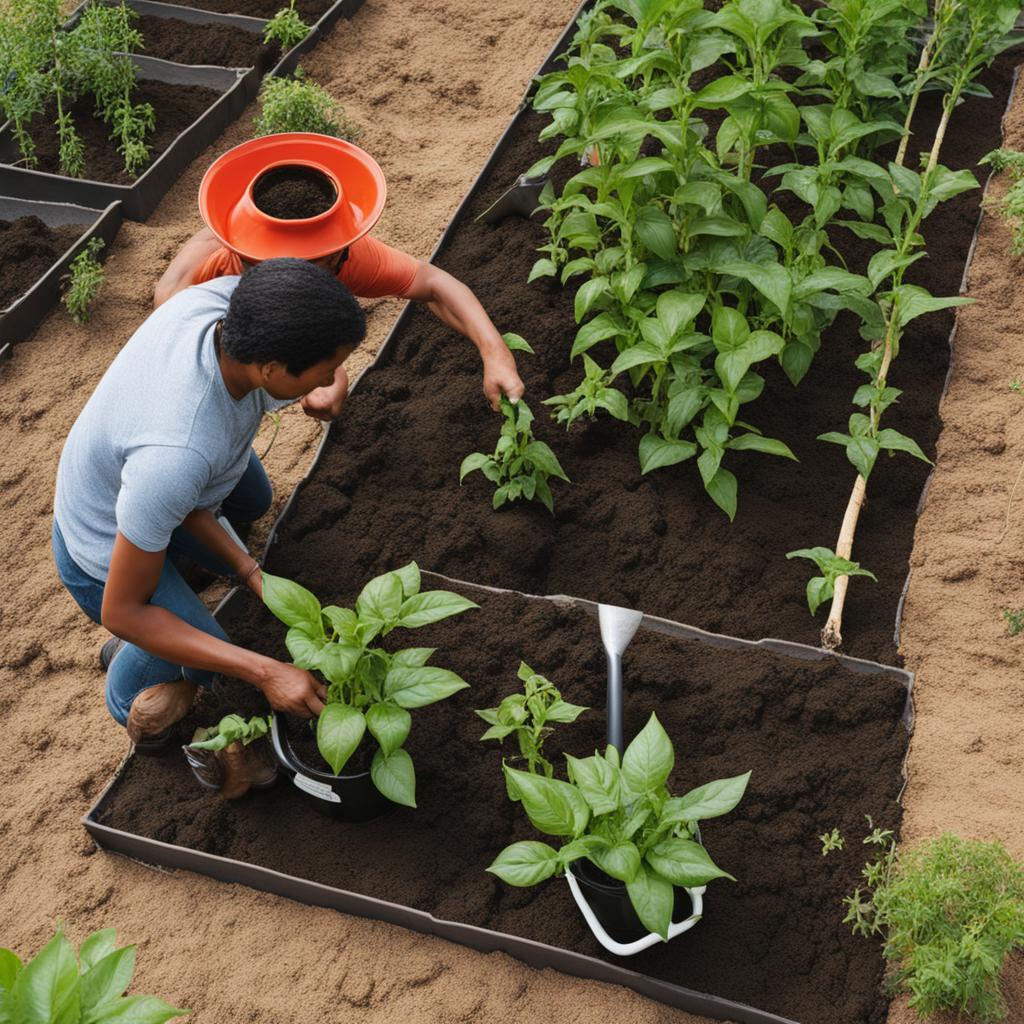
Table: Recommended Watering Schedule for Pepper Plants
| Week | Watering Frequency | Amount of Water |
|---|---|---|
| 1-2 | Every 2-3 days | 1/4 inch |
| 3-4 | Every 3-4 days | 1/2 inch |
| 5-6 | Every 5-7 days | 3/4 inch |
| 7 and beyond | Every 7-10 days | 1 inch |
Note: The watering schedule may vary depending on factors such as weather conditions, soil type, and stage of growth. Always adjust your watering routine based on the specific needs of your pepper plants.
By providing adequate water and maintaining proper soil moisture, you can optimize root growth in your pepper plants. Deep root development enhances nutrient uptake, increases plant vigor, and ultimately leads to bountiful harvests of delicious peppers.
Fertilizing Peppers for Healthy Root Development
Fertilizing pepper plants is essential for ensuring healthy root development and maximizing nutrient intake. Proper nutrition provides the necessary elements for strong root growth, vigorous plant growth, and abundant yields. Here are some key considerations when it comes to fertilizing peppers:
1. Timing and Frequency
Pepper plants have different nutrient requirements at different stages of growth. It is important to apply fertilizers at the right time to provide the necessary nutrients when the plants need them the most. Start by incorporating compost and rotted manure into the soil before planting to improve soil fertility. During the growing season, apply a balanced fertilizer every 4-6 weeks to provide a continuous supply of nutrients.
2. Nutrient Ratios
Pepper plants require a balanced mix of essential nutrients for optimal growth. Look for fertilizers labeled with an NPK ratio that is balanced or slightly higher in phosphorus and potassium compared to nitrogen. Nitrogen promotes leafy growth, while phosphorus supports root development and flowering, and potassium enhances fruit formation and overall plant health.
3. Organic vs. Synthetic Fertilizers
Both organic and synthetic fertilizers can be used to fertilize pepper plants. Organic fertilizers, such as compost, manure, and fish emulsion, provide slow-release nutrients and improve soil structure. Synthetic fertilizers offer precise nutrient ratios and quick-acting nutrients. Choose the type of fertilizer that aligns with your gardening preferences and goals.
| Fertilizer Type | Advantages | Disadvantages |
|---|---|---|
| Organic Fertilizers | Improves soil health, slow-release nutrients, sustainable | May have variable nutrient content, slower results |
| Synthetic Fertilizers | Precise nutrient ratios, quick-acting, immediate results | Potential environmental impact, high salt content |
Remember to always follow the recommended application rates provided by the fertilizer manufacturer. Over-fertilization can lead to nutrient imbalances, root burn, and overall plant stress. Regular monitoring of your plants’ appearance and growth can help identify any nutrient deficiencies or excesses, allowing you to adjust your fertilization practices accordingly.
In summary, fertilizing pepper plants is crucial for promoting healthy root development and ensuring optimal nutrient intake. Consider the timing and frequency of fertilizer application, the nutrient ratios required by peppers, and the pros and cons of organic and synthetic fertilizers. By providing your pepper plants with the right nutrients in the right amounts, you can support their root growth, overall health, and productivity.
Troubleshooting Overcrowded Pepper Plants
Dealing with overcrowded pepper plants is crucial to ensure their proper growth and productivity. When pepper plants are too close together, they compete for essential resources such as nutrients, sunlight, and water. This can result in stunted growth, decreased yields, and increased vulnerability to diseases. To address this issue, there are a few effective strategies you can employ.
Transplanting:
If your pepper plants are overcrowded, one solution is to dig up and transplant some of them to a new location. Choose the healthiest and strongest plants to be relocated, ensuring that they have enough space to grow and thrive. By providing each plant with adequate room, you allow them to develop stronger root systems and access the resources they need for optimal growth.
Pruning:
An alternative approach to alleviate overcrowding is to prune back the excess leaves of the pepper plants. This helps create more space between the plants and improves airflow, reducing the risk of fungal diseases. Carefully remove the lower leaves or any overlapping foliage, being mindful not to remove too many at once. Pruning can promote better light penetration and reduce competition among the plants, resulting in healthier and more productive peppers.
Proper Spacing:
Preventing overcrowding in the first place is crucial for maintaining healthy pepper plants. When planting peppers, make sure to follow the recommended spacing guidelines for the specific variety you are cultivating. Providing adequate distance between plants allows them to receive sufficient sunlight, nutrients, and air circulation. This promotes optimal growth and minimizes the risk of overcrowding-related issues.
| Pepper Variety | Spacing Recommendation |
|---|---|
| Bell Peppers | 12-18 inches apart |
| Jalapenos, Poblanos, and other hot peppers | 12-18 inches apart |
| Banana Peppers | 12-18 inches apart |
By implementing these strategies, you can effectively address overcrowding in your pepper plants and promote their healthy growth and productivity. Remember to transplant or prune as needed and maintain proper spacing to ensure optimal conditions for each plant. With the right care and attention, you’ll be rewarded with bountiful harvests of delicious peppers.
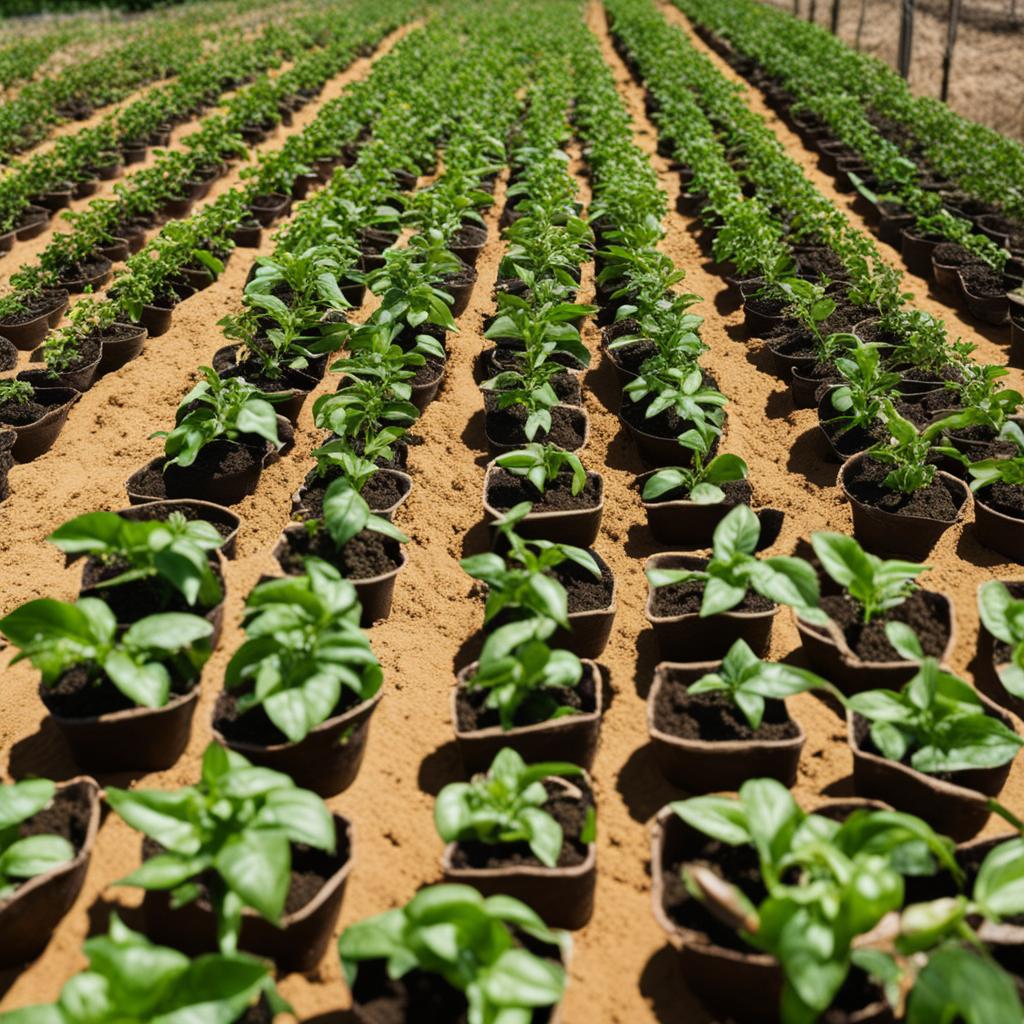
The Implications of Planting Peppers Too Close Together
When it comes to planting peppers, spacing is key. Planting peppers too close together can have several negative consequences. Firstly, overcrowded plants compete for essential resources such as nutrients, water, and sunlight. This competition can result in stunted growth and reduced yields as each plant struggles to obtain sufficient nourishment. Additionally, planting peppers in close proximity to one another can lead to cross-pollination, which may result in unexpected flavor and heat variations in the peppers.
Overcrowding can also negatively impact the overall health of the plants. When plants are crowded together, air circulation is limited, creating a favorable environment for pests and diseases to thrive. The lack of airflow can also hinder the natural drying process of leaves, making them more susceptible to fungal infections. Furthermore, overcrowded plants can create a dense canopy that traps moisture, increasing the risk of diseases like powdery mildew.
To prevent these issues, it is important to provide adequate spacing between pepper plants. Ideally, peppers should be spaced between 12 and 18 inches apart, depending on the variety. This spacing allows for sufficient air circulation and reduces the risk of disease. By providing enough space, each plant can receive the necessary resources and grow without competing with its neighbors.
| Consequences of Planting Peppers Close Together | Cross-Pollination in Peppers |
|---|---|
| Stunted growth | Unexpected flavor and heat variations |
| Reduced yields | |
| Increased risk of pests and diseases | |
| Poor air circulation | |
| Elevated risk of fungal infections | |
| Dense canopy that traps moisture |
Ensuring proper spacing between pepper plants not only promotes healthy growth and higher yields but also helps maintain overall plant vigor. By giving each plant enough room to thrive, you can enjoy a bountiful harvest of delicious and vibrant peppers.
References:
- “Proper Plant Spacing for Peppers” – Gardening Know How
- “Spacing Peppers in the Garden” – University of Minnesota Extension
- “Pepper Plant Spacing Guide” – Bonnie Plants
Adjusting Pepper Plant Spacing and Addressing Overcrowding
When growing pepper plants, it’s important to maintain proper plant spacing to ensure optimal growth and productivity. However, sometimes plants can become overcrowded, leading to stunted growth and reduced yields. If you notice that your pepper plants are too crowded, there are a few strategies you can employ to address the issue and maintain proper plant density.
One solution is to transplant one of the crowded plants to a new location with more space. This allows each plant to have sufficient room for root development and growth. Gently dig up the plant, being careful not to damage the roots, and replant it in a spot that allows for better spacing.
Another option is to prune back excess leaves on the crowded plants. This helps improve air circulation and reduces competition for nutrients and sunlight. By removing some of the foliage, you can create more space between the plants and promote healthier growth.
It’s important to maintain proper plant density to maximize the health and productivity of your pepper plants. By addressing overcrowding and providing adequate space for each plant, you can ensure that your peppers thrive and produce abundant harvests.
Conclusion
In conclusion, deep planting is a valuable technique for maximizing pepper yields and promoting healthy root development. Contrary to popular belief, peppers can root from their stems and benefit from being planted deep in the soil. This allows for increased nutrient intake, stronger plants, and ultimately, higher yields.
By following the guidelines outlined in this article, such as removing leaves from the lower part of the plant and burying the stem around 2/3 of the way, you can encourage deep root growth in your pepper plants. Additionally, proper spacing, regular watering, and adequate nutrition are essential for maximizing growth and productivity.
Remember, peppers come in different varieties and have specific spacing requirements. Whether you’re growing bell peppers, jalapenos, or other types, be sure to consult the specific seed instructions to ensure optimal spacing and growth. With proper care and attention, you can create a thriving pepper garden and enjoy a bountiful harvest of delicious peppers.
FAQ
Do peppers benefit from deep planting?
Yes, peppers, like tomatoes, benefit from deep planting. Contrary to popular belief, peppers do root from their stems and can be planted deep for healthier and more productive plants.
What are the advantages of deep planting peppers?
Deep planting peppers allows for more root development, leading to increased nutrient intake, stronger plants, and higher yields. It also helps anchor the plants and compensates for leggy seedlings.
Can deep planting be applied to different pepper varieties?
Yes, deep planting can be applied to various pepper varieties, including bell peppers, jalapenos, and poblanos.
How do I plant peppers deep?
To plant peppers deep, remove the lower leaves of the plant, dig a hole deep enough to bury the plant about 2/3 of the way, and ensure the stem is covered. The exact depth is not critical, as the buried stem will produce more roots regardless.
Which pepper varieties benefit from deep planting?
Deep planting works well for various pepper varieties, including hot peppers like jalapenos and poblano peppers. It can also be applied to eggplants to promote healthier root systems.
How should I start pepper seedlings indoors for deep planting?
Start pepper seedlings indoors 8 to 10 weeks before the last frost date. Use a sterile seed-starting mix and maintain a soil temperature between 70°F and 85°F for optimal germination. Gradually introduce the seedlings to outdoor conditions through a process called hardening off.
When should I transplant pepper seedlings outdoors?
Transplant pepper seedlings outdoors two to three weeks after the last frost date. Choose a sunny location with well-drained soil and a pH between 5.5 and 7.0.
How much spacing do pepper plants need?
Space pepper plants between 12 and 18 inches apart, depending on the variety. This allows for adequate air circulation and reduces the risk of disease.
What types of peppers have similar spacing requirements?
Various types of peppers, including bell peppers, jalapenos, banana peppers, poblano peppers, and cayenne peppers, have similar spacing requirements.
How much water do pepper plants need?
Provide about 1 inch of water per week, either through rainfall or supplemental irrigation. Water at the base of the plants, avoiding wet foliage.
How should I fertilize pepper plants for healthy root development?
Prior to planting, incorporate compost and a light application of rotted manure into the soil. Consider using slow-release organic fertilizers with balanced nutrient ratios throughout the growing season.
What should I do if my pepper plants are overcrowded?
If pepper plants are overcrowded, you can either dig up and transplant one of them to a new location or prune back leaves to create more room and improve air circulation.
What are the implications of planting peppers too close together?
Planting peppers too close together can result in stunted growth, reduced yields, and cross-pollination between different pepper varieties, leading to unexpected flavor and heat variations.
How can I adjust pepper plant spacing and address overcrowding?
To address overcrowded pepper plants, you can either transplant or prune them to create more space and maintain proper plant density.
What are the main takeaways for deep planting peppers?
Deep planting peppers promotes healthy root development, maximizes yields, and can be applied to various pepper varieties. Adequate spacing, regular watering, and proper nutrition are also crucial for optimal growth.




