Grow and Care Tips for Aglaonema Favonian (Aglaonema ‘Favonian’)
Aglaonema Favonian, also known as Aglaonema ‘Favonian’, is a popular tropical foliage plant that makes for a beautiful indoor houseplant. It is loved for.
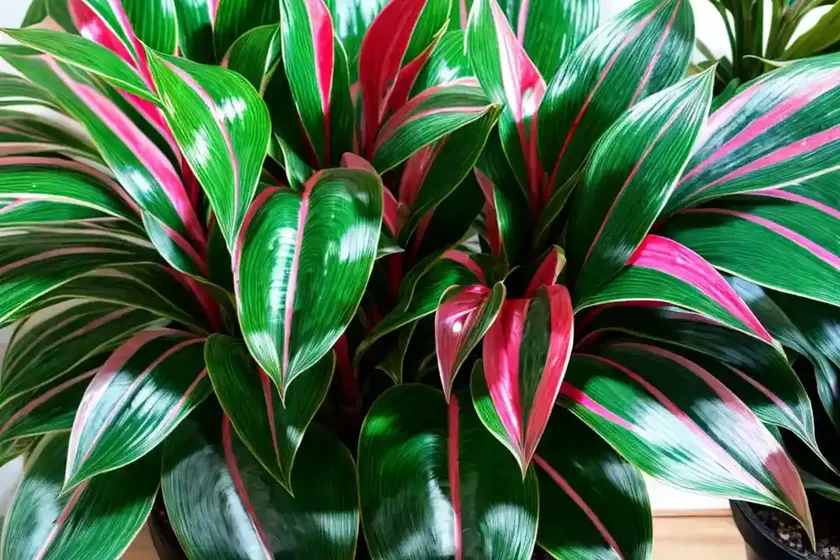
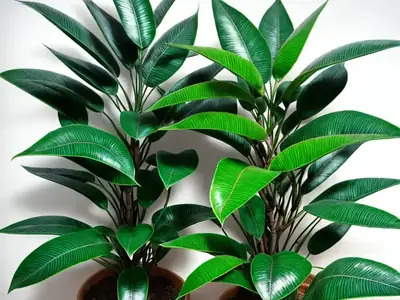
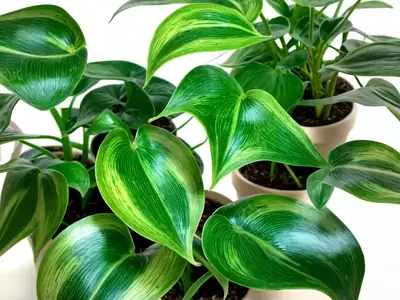
Aglaonema Favonian, also known as Aglaonema ‘Favonian’, is a popular tropical foliage plant that makes for a beautiful indoor houseplant. It is loved for its vibrant colors and bold patterns, including shades of pink, red, silver, and yellow, as well as stripes, speckles, and gradients. This evergreen plant is not only visually appealing but also acts as an air-purifying plant, making it a decorative and functional addition to your home. In this section, we will explore the care tips for growing Aglaonema Favonian, including its light, water, soil, and fertilizer requirements, as well as propagation and pest control measures.
Key Takeaways
Aglaonema Favonian is a tropical foliage plant that can thrive as an indoor houseplant.
It is known for its vibrant colors and bold patterns, adding beauty to any space.
Aglaonema Favonian acts as an air-purifying plant, improving indoor air quality.
Proper care for Aglaonema Favonian includes considerations for light, water, soil, and fertilizer.
Propagation and pest control measures are also important for maintaining the health of Aglaonema Favonian.
Light Requirements for Aglaonema Favonian
Aglaonema Favonian, also known as Aglaonema ‘Favonian’, has specific light requirements that contribute to its vibrant colors and overall health. Understanding these light needs is essential for ensuring the optimal growth and well-being of your plant.
When it comes to light conditions, Aglaonema Favonian is a versatile plant. While green varieties can tolerate low light conditions, the colorful variegated species prefer brighter, shadowless light. To provide the right amount of light, place your Aglaonema Favonian in front of a north-facing window or a few feet away from a window with bright, indirect light.
Light Requirements for Aglaonema Favonian
Light Conditions Green Varieties Variegated Varieties
Low Light ✔️ ✔️*
Bright, Shadowless Light ✔️ ✔️✔️
Direct Sunlight ❌ ❌
*Variegated varieties require slightly more light to maintain their vibrant colors.
Avoid exposing your Aglaonema Favonian to direct sunlight, especially during the middle part of the day, as it can cause leaf burn and damage. Assess the natural light conditions in your home and find the optimal placement for your plant to thrive.
Watering Needs of Aglaonema Favonian
Proper watering is crucial for the health and vitality of Aglaonema Favonian. Understanding its water needs and preferences will help you maintain an optimal watering routine for this tropical foliage plant.
Aglaonema Favonian has moderate watering needs and prefers a moist but not wet soil. It’s important to allow the top 1-2 inches of soil to dry out before watering again. This prevents waterlogging and reduces the risk of root rot. The frequency of watering may vary depending on factors such as the size of the pot and the environmental conditions.
Using well-draining soil and pots with drainage holes is essential to ensure proper water drainage. This helps prevent water from accumulating at the bottom of the pot and allows excess water to escape. Aglaonema Favonian has a moderate drought tolerance, but it’s best to maintain consistent watering to ensure the plant’s health.
Remember to regularly check the moisture level of the soil and adjust your watering frequency accordingly. By providing the right amount of water, you can help your Aglaonema Favonian thrive and maintain its vibrant foliage.
Watering Tips for Aglaonema Favonian
Allow the top 1-2 inches of soil to dry out before watering again.
Use well-draining soil and pots with drainage holes.
Check the moisture level of the soil regularly and adjust watering frequency accordingly.
Avoid overwatering to prevent waterlogging and root rot.
Maintain consistent watering to ensure the plant’s health.
Soil Requirements for Aglaonema Favonian
Proper soil is essential for the healthy growth of Aglaonema Favonian. This tropical foliage plant thrives in well-draining soil that allows excess water to escape easily. The right soil composition ensures that the plant’s roots are not sitting in water, which can lead to root rot and other diseases.
A suitable potting mix for Aglaonema Favonian can be created by combining three parts of Miracle Gro potting mix with one part perlite. This mixture provides a balance of moisture retention and drainage, allowing the plant to receive the right amount of water while preventing waterlogged soil. Alternatively, you can choose to use a pre-made potting mix specifically formulated for tropical houseplants.
It’s important to ensure that the soil is sufficiently aerated and does not become compacted. Compacted soil hinders root development and can impede the plant’s overall growth. Regularly check the soil moisture by touching the top layer with your finger. If it feels dry, it’s time to water the plant.
Soil Requirements for Aglaonema Favonian Advantages
Well-draining soil Prevents waterlogging and root rot
Miracle Gro potting mix + perlite Provides moisture retention and drainage
Avoid compacted soil Promotes healthy root development
When repotting Aglaonema Favonian, choose a pot that is slightly larger than the current one to allow room for growth. Ensure the new pot has drainage holes to prevent excess water from accumulating at the bottom. With the right soil composition and proper potting techniques, you can provide the optimal growing conditions for your Aglaonema Favonian and enjoy its vibrant foliage for years to come.
Fertilizer Needs of Aglaonema Favonian
Proper fertilization is essential for the healthy growth and vibrant foliage of Aglaonema Favonian. This tropical houseplant requires a balanced fertilizer to provide the necessary nutrients for its optimal development. A nutrient-rich soil is also crucial in maintaining the plant’s overall health and vigor. Here are some key points to consider when it comes to fertilizing Aglaonema Favonian:
Choosing the Right Fertilizer
When selecting a fertilizer for Aglaonema Favonian, it’s recommended to use a houseplant fertilizer that is balanced in its nutrient composition. Look for a fertilizer that provides equal amounts of nitrogen (N), phosphorus (P), and potassium (K), typically represented as NPK ratios on the fertilizer packaging. A balanced fertilizer will support the plant’s overall growth, foliage coloration, and root development.
Feeding Frequency
During the active growing season, which typically spans from spring to summer, Aglaonema Favonian should be fertilized every four months or every other watering. It’s important to dilute the fertilizer to half strength to avoid overfeeding the plant, as excessive fertilizer can lead to salt build-up and root damage. During the winter when the plant is not actively growing, it’s best to withhold fertilizer application.
Application Method
Fertilizer can be applied to Aglaonema Favonian in two ways: through liquid feeding or slow-release pellets. Liquid fertilizers are mixed with water according to the instructions on the packaging and applied to the plant’s soil during regular watering. Slow-release pellets, on the other hand, are embedded into the soil, where they gradually release nutrients over time. Choose the application method that suits your preference and follow the instructions provided by the fertilizer manufacturer.
Fertilizer Type NPK Ratio Recommended Frequency Application Method
Water-soluble fertilizer 10-10-10 Every four months or every other watering during the active growing season Mixed with water and applied during regular watering
Slow-release pellets 14-14-14 Every four months Embedded into the soil
By providing the right amount of fertilizer at the appropriate intervals, you can ensure that Aglaonema Favonian receives the necessary nutrients for its healthy growth. Remember to follow the recommended feeding frequency, choose a balanced fertilizer, and apply it using the preferred method to support the overall well-being of your Aglaonema Favonian.
Propagation of Aglaonema Favonian
Propagating Aglaonema Favonian is an exciting way to expand your collection or share this beautiful plant with others. There are two primary methods of propagation: water propagation and soil propagation. Both techniques are relatively easy and yield successful results.
Water Propagation
To propagate Aglaonema Favonian in water, start by selecting a healthy stem cutting. Choose a cutting with at least five leaves and a length of about 6 inches. Make a clean diagonal cut just below a leaf node, and remove a couple of bottom leaves to expose the nodes. Place the cutting in a glass or jar filled with water, ensuring that the leaf nodes are submerged. Change the water every week to prevent stagnation and provide the cutting with fresh nutrients. Place the glass in a well-lit area with indirect sunlight. After four to six weeks, roots should develop from the nodes. Once the roots are about an inch long, you can transfer the cutting to a well-draining potting mix.
Soil Propagation
Soil propagation is another effective method for propagating Aglaonema Favonian. To propagate in soil, follow a similar process as water propagation. Select a healthy stem cutting with at least five leaves and remove a couple of bottom leaves to expose the nodes. Plant the cutting in a small container filled with moist, well-draining potting soil. Ensure that the nodes are buried in the soil and that the cutting stands upright. Place the container in a warm, well-lit area but avoid direct sunlight, as it can scorch the cutting. Maintain consistent moisture by misting the plant and keeping the soil slightly damp. After four to six weeks, the cutting should develop roots. At this point, you can follow regular care instructions for Aglaonema Favonian.
Both water propagation and soil propagation are effective methods for propagating Aglaonema Favonian. Experiment with both techniques to find the one that works best for you. Propagation is not only a rewarding process but also a great way to expand your plant collection and share the beauty of Aglaonema Favonian with others.
Pests and Diseases of Aglaonema Favonian
While Aglaonema Favonian is generally resistant to pests and diseases, there are still a few common issues that may arise. By being aware of these potential problems and taking preventive measures, you can ensure the health and vitality of your Aglaonema Favonian.
Common Pests
Aglaonema Favonian can be affected by several common pests, including spider mites, mealybugs, and scale insects. These pests can cause damage to the leaves and overall growth of the plant. Regularly inspect your Aglaonema Favonian for any signs of infestation, such as webs, sticky residue, or distorted leaves. If you spot pests, it’s important to take prompt action to control their population and prevent further damage.
“Regularly inspect your Aglaonema Favonian for any signs of infestation, such as webs, sticky residue, or distorted leaves.”
One effective method of pest control is insecticidal soap, which can be sprayed onto the affected areas to eliminate the pests. Neem oil is another natural and effective solution for controlling pests on Aglaonema Favonian. Ensure thorough coverage and repeat the treatment as necessary to fully eradicate the pests.
Common Diseases
In addition to pests, Aglaonema Favonian can also be susceptible to common houseplant diseases such as root rot and leaf spot. Root rot is caused by overwatering or poorly draining soil, leading to the decay of the plant’s roots. Leaf spot, on the other hand, can be caused by fungal or bacterial infections, resulting in unsightly spots or discoloration on the leaves.
To prevent these diseases, it’s important to practice proper watering techniques and use well-draining soil. Avoid overwatering your Aglaonema Favonian and ensure that the soil has adequate drainage. Additionally, maintaining good air circulation around the plant can help prevent the development and spread of fungal or bacterial infections.
Common Pests Common Diseases
Spider mites Root rot
Mealybugs Leaf spot
Scale insects
By being proactive and vigilant in pest control and disease prevention, you can ensure that your Aglaonema Favonian remains healthy and free from these common issues.
Temperature and Humidity Requirements of Aglaonema Favonian
Proper temperature and humidity levels are crucial for the health and well-being of Aglaonema Favonian. This tropical foliage plant thrives in temperatures ranging from 70-85°F (21-29°C), making it well-suited for indoor environments. It is important to avoid exposing the plant to cooler temperatures below 60°F (16°C) for extended periods, as it can adversely affect its growth. Maintaining a warm environment with nighttime temperatures in the 60-degree range and daytime temperatures between 75-85°F (24-29°C) is ideal for Aglaonema Favonian.
As for humidity, Aglaonema Favonian prefers higher humidity levels but can tolerate average indoor humidity. Aim to maintain humidity levels between 40-60%, especially during the dry winter months when indoor air tends to be drier. This can be achieved by using a humidifier, grouping humidity-loving plants together, or placing the plant in a naturally humid area such as a bathroom. Regularly monitor the humidity levels around the plant and make adjustments as necessary to create a suitable environment for Aglaonema Favonian’s growth and well-being.
Companion Plants for Aglaonema Favonian
When it comes to creating a visually appealing indoor plant display, pairing Aglaonema Favonian with suitable companion plants can enhance the overall aesthetic and create a harmonious atmosphere. Consider these options:
Pothos: Known for its trailing vines and heart-shaped leaves, pothos plants are a popular choice to pair with Aglaonema Favonian. They have similar lighting and watering requirements, making them easy to care for together.
Snake Plant: With its vertical growth pattern and sturdy leaves, snake plants complement Aglaonema Favonian nicely. They both tolerate low light conditions and are known for their air-purifying properties.
Calathea: Calathea plants have striking patterns on their leaves, which can create an eye-catching contrast when paired with Aglaonema Favonian. Both plants prefer similar humidity levels and indirect light.
Peace Lily: The elegant white blooms of peace lilies can provide a beautiful backdrop to the colorful foliage of Aglaonema Favonian. Both plants thrive in medium to low light conditions, making them suitable companions.
When selecting companion plants, it’s important to consider their light, water, and humidity requirements to ensure compatibility. The combination of different heights, textures, and colors can add depth and visual interest to your indoor space. Experiment with different combinations and arrangements to find the perfect companions for your Aglaonema Favonian.
Companion Plant Description Light Requirements Watering Needs Humidity Preferences
Pothos Trailing vines with heart-shaped leaves Low to bright, indirect light Allow soil to dry out between waterings Average to high humidity
Snake Plant Vertical growth with sturdy leaves Low to bright, indirect light Allow soil to dry out between waterings Average to low humidity
Calathea Striking patterns on leaves Bright, indirect light Keep soil consistently moist High humidity
Peace Lily Elegant white blooms Medium to low, indirect light Keep soil consistently moist Average to high humidity
Special Considerations for Aglaonema Favonian
When caring for Aglaonema Favonian, it’s essential to be aware of some special considerations to ensure the safety of both humans and pets. Although this plant is a beautiful addition to any indoor space, it is toxic if ingested. Therefore, it is crucial to keep the plant out of the reach of children and pets, especially cats and dogs who may be prone to nibbling on plants. To prevent accidental ingestion, consider using protective coverings or placing the plant in an elevated area.
While Aglaonema Favonian provides aesthetic value and air-purifying benefits, it’s important to prioritize the safety of your furry friends. As a pet-friendly alternative, choose non-toxic plants that can coexist harmoniously with Aglaonema Favonian. By creating a pet-friendly environment and ensuring the well-being of your pets, you can enjoy the beauty of Aglaonema Favonian without any concerns.
Protection Measures for Aglaonema Favonian:
Keep the plant out of reach of children and pets.
Consider using protective coverings or placing the plant in an elevated area.
Choose non-toxic plants as companions for Aglaonema Favonian.
Remember:
While Aglaonema Favonian is a beautiful addition to any indoor space, your pet’s safety should always be a top priority.
Plant Poisonous to Pets?
Aglaonema Favonian Yes
Pothos No
Snake Plant No
Calathea No
Peace Lily Yes
Winter Care for Aglaonema Favonian
During the winter months, it’s important to adjust your care routine for Aglaonema Favonian to meet its specific needs in colder conditions. Here are some essential tips to ensure the health and well-being of your plant during the winter:
Temperature Range: Aglaonema Favonian prefers temperatures between 60-85°F (16-29°C) during the winter. Avoid exposing the plant to cold drafts or extreme temperature fluctuations, as this can cause stress and damage to the foliage.
Watering Frequency: As the plant’s growth slows down in winter, reduce the watering frequency to allow the top layer of soil to dry out slightly between waterings. Avoid overwatering and ensure proper drainage to prevent root rot.
Humidity Levels: Aglaonema Favonian appreciates higher humidity levels, but it can also tolerate average indoor humidity. If the air in your home becomes excessively dry during the winter months, you can increase humidity by using a humidifier or placing a tray of water near the plant.
Monitoring for Issues: Regularly inspect the plant for any signs of stress or issues, such as leaf discoloration, wilting, or pest infestation. Address any problems promptly to prevent further damage and maintain the overall health of your Aglaonema Favonian.
With proper winter care, Aglaonema Favonian will continue to thrive and bring beauty to your indoor space, even during the colder months. Keep an eye on its specific needs and provide the necessary adjustments to ensure its well-being.
Table: Winter Care Tips for Aglaonema Favonian
Aspect Tips
Temperature Avoid cold drafts and maintain temperatures between 60-85°F (16-29°C).
Watering Reduce watering frequency to allow the top layer of soil to dry out slightly between waterings.
Humidity Provide higher humidity levels if the air is excessively dry, using a humidifier or tray of water.
Monitoring Regularly inspect the plant for any signs of stress, discoloration, or pest infestation.
Tips for Maintaining Humidity Levels for Aglaonema Favonian
Aglaonema Favonian, like many tropical plants, thrives in higher humidity levels. While it can tolerate average indoor humidity, creating a more humid environment can benefit the overall health and growth of the plant. Here are some indoor gardening tips to help you maintain optimal humidity levels for your Aglaonema Favonian:
Use a humidity tray: A humidity tray is a simple and effective way to increase the moisture levels around your plant. Fill a shallow tray with water and place your plant on top, making sure the bottom of the pot is not submerged in water. As the water evaporates, it creates a humid microclimate around the plant.
Group humidity-loving plants together: By grouping plants that have higher humidity requirements, you can create a mini greenhouse effect. As the plants release moisture through transpiration, the humidity levels in the grouping will naturally increase.
Place your plant in a naturally humid area: Certain areas of your home, such as the bathroom or kitchen, may naturally have higher humidity levels. Consider placing your Aglaonema Favonian in one of these rooms to take advantage of the existing moisture in the air.
It’s important to regularly monitor the humidity levels around your plant and adjust as necessary. A hygrometer can be a useful tool to measure the relative humidity in your home. If you find that the humidity levels are too low, you can also consider using a humidifier to increase moisture in the air. By maintaining optimal humidity levels, you can promote healthy growth and vibrant foliage in your Aglaonema Favonian.
Indoor Gardening Tips for Humidity Maintenance
Humidity is an important factor in the care of tropical plants like Aglaonema Favonian. Here are some additional indoor gardening tips to help you maintain the desired humidity levels:
Mist the leaves: Regularly misting the leaves of your plant can provide a temporary increase in humidity. Use a spray bottle filled with water and mist the foliage without soaking the soil. This method can be especially beneficial during dry winter months when indoor air tends to be drier.
Avoid dry air sources: Keep your plant away from direct sources of dry air, such as heating vents or fans. These can quickly dry out the air and decrease humidity levels around your Aglaonema Favonian.
Use a pebble tray: Create a pebble tray by filling a shallow tray with small pebbles or stones. Add water to the tray, ensuring the water level is below the surface of the stones. Place your plant on top of the pebbles, ensuring the water does not touch the bottom of the pot. As the water evaporates, it increases the humidity around the plant.
Remember to strike a balance with humidity levels. While Aglaonema Favonian prefers higher humidity, excessive moisture can lead to issues such as fungal growth or root rot. Regularly monitor your plant and make adjustments as needed to maintain a healthy and thriving Aglaonema Favonian.
Humidity Level Recommended Action
Below 40% Increase humidity using methods such as a humidity tray or a humidifier.
40-60% Optimal range for Aglaonema Favonian. Maintain humidity using methods such as misting and pebble trays.
Above 60% Monitor humidity levels closely to prevent excess moisture. Ensure proper air circulation to avoid fungal growth.
Common Issues and Troubleshooting for Aglaonema Favonian
Aglaonema Favonian, like any other plant, may experience common issues that can affect its overall health and appearance. Understanding these issues and knowing how to troubleshoot them is essential for maintaining a thriving Aglaonema Favonian in your indoor space.
Leaf Damage
Aglaonema Favonian may exhibit leaf damage, such as brown tips or yellowing leaves. This can be caused by various factors, including inadequate watering, improper light conditions, or pest infestation. To prevent leaf damage, ensure that you are watering the plant properly, allowing the top layer of soil to dry between waterings. Provide adequate air circulation to prevent stagnant air around the plant, as this can contribute to leaf issues. Additionally, make sure to place your Aglaonema Favonian in an appropriate light environment, avoiding direct sunlight and extremely low-light conditions.
Pest Infestation
Aglaonema Favonian can be susceptible to pests like spider mites, mealybugs, and scale insects. Regularly inspect the plant for any signs of infestation, such as webs, sticky residue, or distorted leaves. If pests are detected, take immediate action to eliminate them. Use appropriate pest control methods like insecticidal soap or neem oil. It’s important to address pest infestations promptly to prevent further damage to your Aglaonema Favonian.
Leaf Spotting and Curling
If you notice leaf spotting or leaf curling on your Aglaonema Favonian, it may indicate underlying issues such as nutrient deficiencies, pests, or environmental stress. Conduct a thorough examination of the plant to identify the root cause of these symptoms. If nutrient deficiencies are suspected, consider adjusting your fertilization routine to provide the necessary nutrients. Check for signs of pests and take appropriate measures to eliminate them. Ensure that your Aglaonema Favonian is placed in a suitable environment with consistent temperature and humidity levels.
Additionally, monitor the plant’s watering and drainage practices to prevent waterlogging and root rot, which can contribute to leaf curling. By addressing the underlying causes of leaf spotting and curling, you can help your Aglaonema Favonian regain its health and vitality.
Issue Cause Solution
Leaf Damage Inadequate watering, improper light conditions, pest infestation Water properly, provide suitable light conditions, address pest infestation promptly
Pest Infestation Spider mites, mealybugs, scale insects Inspect regularly, use appropriate pest control methods
Leaf Spotting and Curling Nutrient deficiencies, pests, environmental stress Address nutrient deficiencies, eliminate pests, maintain suitable environment
Growing Aglaonema Favonian in Terrariums
If you’re looking for a compact and visually stunning plant for your terrarium, Aglaonema Favonian, or Aglaonema ‘Favonian’, is an excellent choice. Its vibrant colors and bold patterns make it a standout addition to any terrarium display. The compact growth habits of Aglaonema Favonian make it well-suited for the limited space of a terrarium while still providing a lush and tropical feel.
When choosing a terrarium for Aglaonema Favonian, ensure that it is appropriately sized to accommodate the plant’s growth. Providing adequate drainage is crucial to prevent waterlogging, as excessive moisture can lead to root rot. Consider using a well-draining substrate specifically formulated for terrariums to create optimal growing conditions for your Aglaonema Favonian.
Aglaonema Favonian thrives in high humidity environments, making it perfect for enclosed terrariums. The natural habitat of this tropical plant in humid and shady forests makes it adaptable to the controlled moisture levels found in terrariums. However, it’s important to regularly monitor and adjust the humidity levels inside the terrarium to ensure the plant’s well-being. Using a humidity tray or grouping humidity-loving plants together can help create a microclimate with increased moisture levels.
Growing Aglaonema Favonian in Terrariums: Tips and Considerations
Select an appropriately sized terrarium with adequate drainage.
Choose a well-draining substrate formulated for terrariums.
Monitor and adjust humidity levels to create a suitable environment.
Consider incorporating other humidity-loving plants in the terrarium.
Regularly check for signs of waterlogging or excessive moisture.
Ensure the terrarium provides suitable lighting conditions for the plant’s growth.
By following these tips and considerations, you can successfully grow Aglaonema Favonian in a terrarium and create a vibrant and visually appealing display. Enjoy the beauty of this tropical foliage plant while adding a touch of nature to your indoor space.
Conclusion
Aglaonema Favonian, also known as Aglaonema ‘Favonian’, is an easy-to-grow houseplant that will bring vibrant colors and bold patterns to your indoor space. Its adaptability to various light conditions makes it suitable for both beginners and experienced plant parents. With proper care, this tropical foliage plant will thrive and add beauty to any room.
Aglaonema ‘Favonian’ is known for its easy care requirements. It has moderate watering needs, preferring moist but not wet soil. It can tolerate low light conditions, but colorful varieties thrive in bright, shadowless light. Regular feeding with balanced fertilizer during the active growing season will help maintain the plant’s health and vibrant colors.
When it comes to size, Aglaonema ‘Favonian’ can reach a height of up to 2 feet, making it a compact and manageable houseplant. Its growth habits are well-suited for terrariums, where it can create a lush and tropical display.
Whether you choose to grow Aglaonema ‘Favonian’ on its own or combine it with other compatible plants, this easy-to-grow houseplant will bring joy and greenery to your indoor space. With its striking foliage and low maintenance requirements, Aglaonema ‘Favonian’ is a perfect choice for anyone looking to add a touch of tropical beauty to their home.
FAQ
What are the light requirements for Aglaonema Favonian?
Aglaonema Favonian can tolerate low light conditions, but it thrives in bright, shadowless light. Avoid direct sunlight.
How often should I water Aglaonema Favonian?
Keep the soil moist but not wet. Allow the top 1-2 inches of soil to dry out before watering again.
What kind of soil does Aglaonema Favonian prefer?
Aglaonema Favonian thrives in well-draining soil. A mixture of Miracle Gro potting mix and perlite is recommended.
How often should I fertilize Aglaonema Favonian?
Feed with a balanced houseplant fertilizer every four months or every other watering during the active growing season.
How can I propagate Aglaonema Favonian?
Aglaonema Favonian can be propagated through stem cuttings in water or directly in well-draining potting soil.
What are common pests and diseases that affect Aglaonema Favonian?
Common pests include spider mites, mealybugs, and scale insects. Aglaonema Favonian can also be susceptible to root rot and leaf spot.
What are the temperature and humidity requirements for Aglaonema Favonian?
Aglaonema Favonian thrives in temperatures between 70-85°F (21-29°C) and prefers higher humidity levels but can tolerate average indoor humidity.
What are suitable companion plants for Aglaonema Favonian?
Pothos, snake plant, calathea, and peace lily are suitable companion plants for Aglaonema Favonian.
Is Aglaonema Favonian toxic to pets?
Yes, Aglaonema Favonian is toxic to both humans and pets if ingested. Keep it out of reach of children and pets.
How should I care for Aglaonema Favonian during winter?
Adjust the watering frequency to allow the top layer of soil to dry out more between waterings and keep the plant in a warm location away from cold drafts.
How can I maintain humidity levels for Aglaonema Favonian?
Consider using a humidity tray or placing the plant in a naturally humid location. Grouping humidity-loving plants together can also increase moisture levels.
What are common issues and troubleshooting tips for Aglaonema Favonian?
Common issues include leaf damage, leaf spotting, and leaf curling. Ensure proper watering, lighting, and care to prevent these issues.
Can Aglaonema Favonian be grown in terrariums?
Yes, Aglaonema Favonian is suitable for terrariums due to its compact growth habits and attractive foliage.
Source Links
https://greg.app/plant-care/aglaonema-favonian
https://www.ohiotropics.com/2020/06/27/aglaonema-chinese-evergreen-care/
https://www.mydomaine.com/aglaonema-5095609