Houseleek (Sempervivum Calcareum)
In the world of gardening, there is a myriad of plants, each with its own unique charm and benefits. One such plant that often captures the attention of.
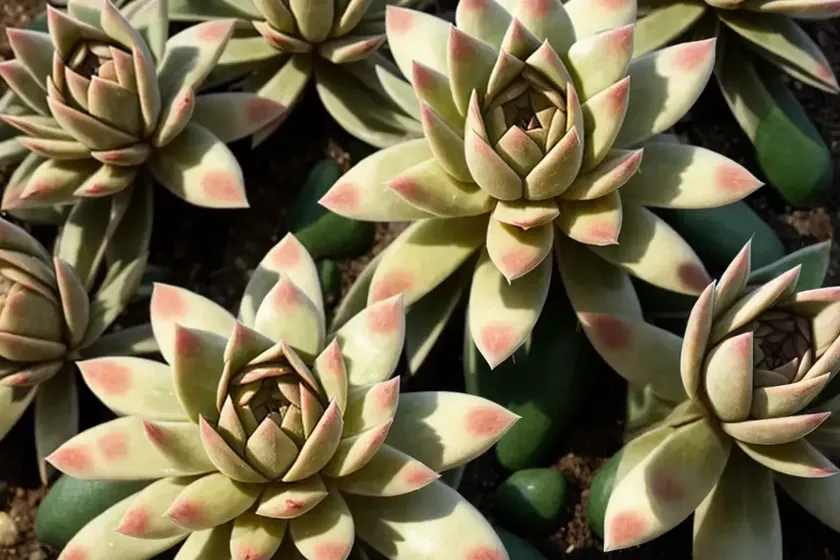
In the world of gardening, there is a myriad of plants, each with its own unique charm and benefits. One such plant that often captures the attention of plant enthusiasts is the Houseleek, scientifically known as Sempervivum Calcareum. This resilient and visually appealing succulent has gained popularity for its low maintenance requirements and versatility in various settings.
In this comprehensive guide, we will delve into the various aspects of Houseleek – from its cultural needs and uses to its propagation and common diseases. Whether you are a seasoned gardener or a novice plant enthusiast, this guide aims to equip you with the knowledge and tools to cultivate and care for Houseleek successfully.
What is Houseleek?
Houseleek, or Sempervivum Calcareum, is a succulent plant that belongs to the Crassulaceae family. It is native to the mountainous regions of southern Europe, where it can be found growing in rocky, well-drained soil. The name “Sempervivum” is derived from the Latin words “semper,” meaning “always,” and “vivus,” meaning “living,” alluding to the plant’s hardiness and resilience in harsh conditions.
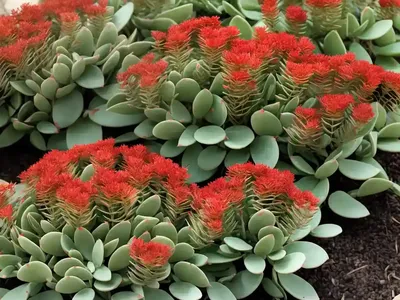
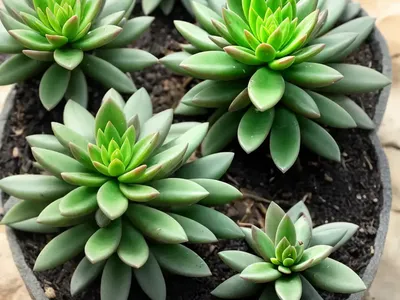
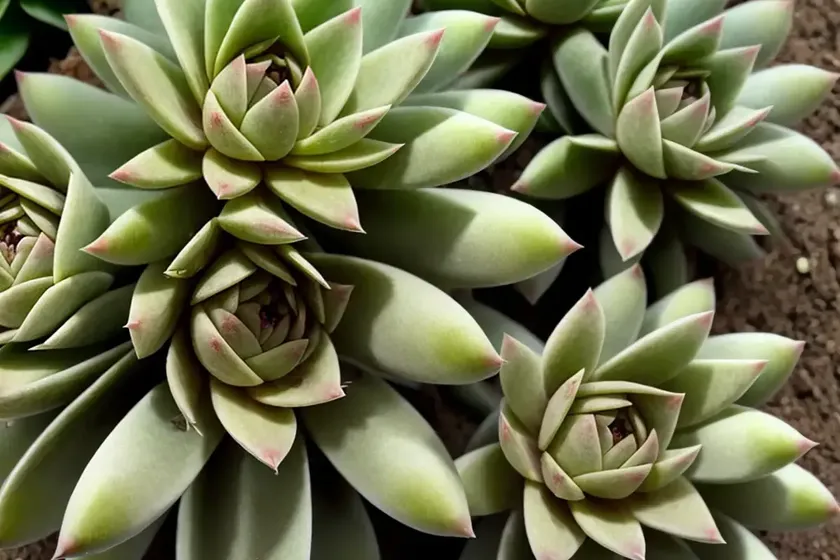
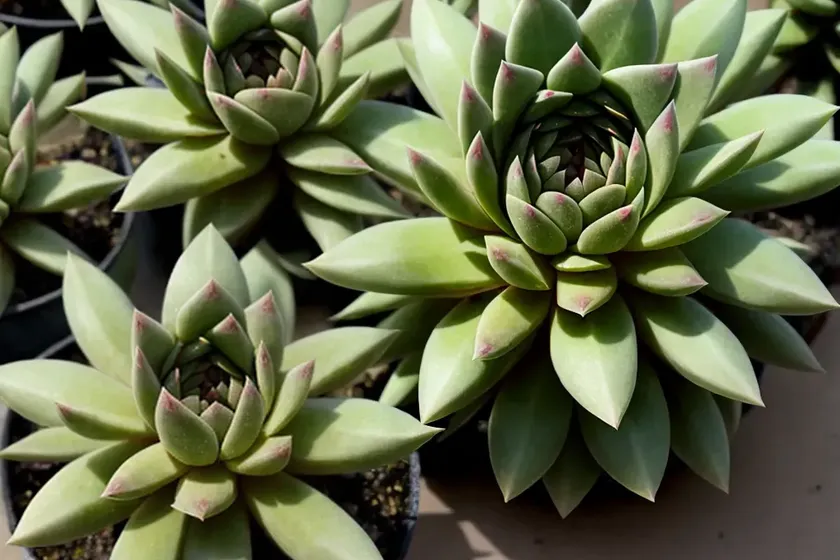
This perennial succulent is recognized for its rosette-shaped leaves that form neat, compact clusters. The leaves are typically fleshy, pointed, and often adorned with eye-catching patterns and colors, making Houseleek a popular choice for rock gardens, container plantings, and green roofs.
Key Takeaways – Houseleek (Sempervivum Calcareum)
Before delving into the specifics of cultivating and caring for Houseleek, let’s explore the key takeaways associated with this resilient succulent.
- Scientific Name: Sempervivum Calcareum
- Common Name: Houseleek
- Family: Crassulaceae
- Native Region: Southern Europe
- Characteristics: Rosette-shaped clusters of fleshy, patterned leaves
- Growth Habit: Perennial succulent
- Versatility: Suitable for rock gardens, container plantings, and green roofs
- Low Maintenance: Thrives in well-drained soil with minimal care requirements
- Resilience: Exhibits durability and hardiness in challenging environmental conditions
Now that we have a foundational understanding of Houseleek, let’s explore the cultural aspects, uses, and care requirements for this captivating succulent.
Cultivation and Uses
Understanding the ideal growing conditions and potential applications of Houseleek is essential for any gardener looking to incorporate this charming succulent into their plant collection. From its water and sunlight needs to its soil preferences and potential uses, here’s a comprehensive look at cultivating and utilizing Houseleek in various settings.
Water
Houseleek is renowned for its drought-tolerant nature, making it well-suited for arid and semi-arid environments. When it comes to watering, it is crucial to strike the right balance to prevent overwatering, which can lead to root rot. Here are some essential guidelines for watering Houseleek:
- Frequency: Water sparingly, allowing the soil to dry out between watering sessions.
- Soil Moisture: Ensure that the soil is well-drained to prevent waterlogged conditions.
- Watering Method: Apply water directly to the soil at the base of the plant to avoid moisture accumulation in the rosettes.
During the growing season, which typically spans spring to fall, occasional watering is usually sufficient, especially in regions with adequate rainfall. In contrast, during the winter months or in colder climates, it is advisable to reduce watering frequency to account for the plant’s dormant state.
Sunlight
Houseleek thrives in bright, indirect sunlight, making it an excellent choice for areas with ample natural light. When incorporating Houseleek into your garden or indoor space, consider the following sunlight-related aspects:
- Light Exposure: Position Houseleek in a location that receives partial to full sun, especially during the morning hours.
- Indoor Placement: Place potted Houseleek near a south-facing window or in a well-lit area to ensure adequate sunlight exposure.
In regions with intense summer heat, providing some afternoon shade can help protect the plants from excessive sun exposure, promoting healthier growth and vibrant foliage colors.
Fertilizer
One of the appealing attributes of Houseleek is its modest fertilizer requirements. Unlike many flowering plants that necessitate regular feeding, Houseleek can thrive with minimal fertilization. Here are some considerations for fertilizing Houseleek:
- Frequency: Apply a balanced, diluted fertilizer sparingly during the growing season, generally once every 2-3 months.
- Strength: Use a weak solution of a balanced fertilizer to avoid overwhelming the plant with excess nutrients.
When selecting a fertilizer for Houseleek, opt for a well-balanced, water-soluble fertilizer with equal proportions of nitrogen, phosphorus, and potassium. Additionally, consider using a succulent-specific or cacti fertilizer to cater to the plant’s unique nutritional needs.
Soil
The choice of soil plays a pivotal role in the successful cultivation of Houseleek. Given its preference for well-drained conditions, selecting the right type of soil is crucial for promoting healthy growth and preventing waterlogging. Here are some soil-related guidelines for Houseleek:
- Composition: Use a well-draining, sandy soil mix rich in organic matter, such as a blend of coarse sand, perlite, and potting mix.
- Acidity: Aim for a slightly acidic to neutral soil pH range of 6.0 to 7.0 to create an optimal growing environment for Houseleek.
When planting Houseleek in containers, ensure that the pots have drainage holes to prevent excess water from accumulating at the root zone. Furthermore, incorporating a layer of gravel or horticultural charcoal at the bottom of the pot can aid in enhancing drainage capacity.
Pruning
Maintaining the compact and visually appealing form of Houseleek often entails minimal pruning. However, the removal of dead or withered leaves can promote airflow and reduce the risk of disease. Additionally, pruning can help contain the size of the plant if it begins to outgrow its designated space.
Here are some essential pruning considerations for Houseleek:
- Dead Leaf Removal: Gently remove dried or faded leaves from the base of the rosettes to improve the plant’s aesthetics and overall health.
- Overcrowding Management: Thin out crowded rosettes by gently detaching offsets to prevent overcrowding and facilitate better air circulation.
Pruning activities can be conducted as needed throughout the growing season, ensuring that the plant remains tidy and visually appealing.
Propagation
The ability to propagate Houseleek offers an excellent opportunity to expand your plant collection or share the beauty of this succulent with fellow gardening enthusiasts. Houseleek can be propagated through offsets, division, or seeds, each method offering its own unique advantages and considerations.
Offset Propagation
Offset propagation, also known as division, involves the separation of small, new rosettes, or offsets, from the parent plant for subsequent replanting. This method is particularly popular due to its simplicity and the rapid establishment of new plants.
To propagate Houseleek through offsets, follow these essential steps:
- Identify healthy offsets emerging from the base of the parent plant.
- Gently detach the offsets using a clean, sharp knife or scissors, ensuring that each offset retains a portion of its own root system.
- Plant the offsets in well-draining soil, ensuring that the growing medium is slightly moist to aid in root establishment.
Offset propagation is typically carried out during the growing season, when the plant is actively producing new growth. With proper care and favorable conditions, the propagated offsets will develop into independent Houseleek plants over time.
Seed Propagation
While less commonly utilized compared to offset propagation, growing Houseleek from seeds can be a rewarding and intriguing process. Seed propagation allows for the cultivation of new varieties and the exploration of the plant’s genetic diversity.
To propagate Houseleek from seeds, consider the following steps:
- Obtain high-quality Houseleek seeds from a reputable source or collect mature seeds from existing plants.
- Sow the seeds in a well-draining, sandy soil mix, lightly pressing them into the growing medium.
- Place the seeded containers in a bright, warm location with indirect sunlight and maintain consistent moisture levels to facilitate germination.
Given the small size of Houseleek seeds, it is crucial to exercise care and precision during the sowing process to ensure optimal seed-to-soil contact and subsequent germination.
Container Popularity
Houseleek’s compact growth habit and low maintenance requirements make it an ideal candidate for container gardening. Whether displayed individually or combined with other succulents, Houseleek can thrive and enhance various indoor and outdoor settings in containers.
Here are some notable advantages and considerations related to growing Houseleek in containers:
- Space Efficiency: Houseleek’s compact size and clustering habit allow for the creation of visually captivating arrangements in small containers.
- Portability: Containers offer the flexibility to move and reposition Houseleek, enabling gardeners to optimize sunlight exposure and aesthetic appeal.
- Indoor Décor: Potted Houseleek can serve as eye-catching additions to indoor spaces, such as windowsills, shelves, and tabletops, enhancing the overall ambiance.
When selecting containers for Houseleek, prioritize options with adequate drainage and ample space for root development. Terracotta pots and shallow containers are particularly well-suited for accommodating the shallow root systems of Houseleek while promoting airflow.
Common Diseases and Pest Management
Despite its resilience, Houseleek is susceptible to certain diseases and pests that can hinder its growth and vitality. Familiarizing yourself with the symptoms of common diseases and the management of potential pest infestations is essential for maintaining the health and vigor of your Houseleek plants.
Common Diseases
Houseleek is generally resilient to disease, especially when provided with suitable growing conditions and care. However, certain environmental factors and cultural practices can predispose the plants to specific conditions, such as:
- Rot Diseases: Overwatering and prolonged soil moisture can lead to root rot, which manifests as soft, discolored, or mushy roots.
- Leaf Spotting: Fungal diseases, such as anthracnose, can cause unsightly dark spots and lesions on the leaves, compromising the plant’s aesthetics.
To prevent and manage common diseases, adhere to the following practices:
- Adequate Drainage: Ensure that the soil and containers promote efficient water drainage to prevent waterlogged conditions and root decay.
- Sanitation: Remove and dispose of affected leaves or parts of the plant to prevent the spread of fungal infections and diseases.
- Air Circulation: Promote airflow around the plants by avoiding overcrowding and clustering, minimizing the risk of fungal diseases.
By incorporating these preventive measures and promptly addressing any signs of disease, you can safeguard your Houseleek plants from various common ailments.
Pest Management
In addition to diseases, Houseleek can encounter pest infestations that compromise its health and appearance. Recognizing the signs of common pests and implementing effective management strategies is crucial for preserving the vitality of your plants. Common pests that may affect Houseleek include:
- Aphids: These small, sap-sucking insects can cluster on the leaves, causing stunted growth and distorted foliage.
- Spider Mites: Infestations of spider mites can lead to webbing on the leaves, yellowing, and diminished plant vigor.
- Mealybugs: Mealybugs are recognizable by their cottony appearance and often congregate on the underside of leaves, feeding on the plant’s juices.
To manage pest infestations effectively, consider the following measures:
- Natural Predators: Encourage the presence of beneficial insects, such as ladybugs and lacewings, to predate on pest populations.
- Horticultural Oils: Utilize horticultural oils or insecticidal soaps to suffocate and reduce pest numbers while minimizing impact on beneficial organisms.
- Pruning and Inspection: Regularly inspect Houseleek for signs of pest activity, promptly removing affected areas and pests to prevent further spread.
By remaining vigilant and proactive in pest management, you can mitigate potential damage caused by common pests and promote the overall health of your Houseleek plants.
Botanist’s Tips for Growing Houseleek
As you embark on your journey of cultivating and caring for Houseleek, it is beneficial to glean insights and tips from experienced botanists and gardening enthusiasts. Here are some expert recommendations to enhance your success with Houseleek:
- Seasonal Adjustments: Tailor care practices, such as watering and sunlight exposure, to accommodate seasonal changes, ensuring that Houseleek thrives year-round.
- Visual Diversity: Explore the vast array of Houseleek cultivars and select varieties with striking colors and patterns to diversify your plant collection.
- Diverse Settings: Experiment with incorporating Houseleek into different settings, such as living walls, rock gardens, and decorative containers, to showcase its adaptability and visual appeal.
By integrating these botanist-endorsed tips into your cultivation approach, you can elevate the health, vibrancy, and aesthetic allure of your Houseleek plants.
Fun Facts About Houseleek
Beyond its practical and horticultural attributes, Houseleek boasts a range of fascinating characteristics and historical significance. Uncover some intriguing and captivating facts about Houseleek:
- Medicinal Uses: Throughout history, Houseleek has been revered for its purported medicinal properties, from treating burns and wounds to alleviating gastrointestinal discomfort.
- Folklore and Superstitions: Houseleek’s association with warding off lightning and protecting homes has spurred folk beliefs and traditions, leading to its widespread placement on rooftops.
- Architectural Significance: Historically, Houseleek has been utilized as a component of green roofs, contributing to insulation and environmental benefits.
- Survivability: The name “Houseleek” stems from its tendency to thrive in the most unlikely and challenging environments, including the crevices of building structures.
These captivating and diverse aspects further underscore the allure and historical significance of Houseleek, transcending its role as a decorative plant.
Links to External Resources
As you continue to explore the world of Houseleek cultivation and delve into its rich history and practical applications, consider leveraging the insights and resources offered by reputable organizations and gardening authorities. Here are some valuable external resources to expand your knowledge and appreciation of Houseleek:
- Royal Horticultural Society (RHS): Access in-depth guides and articles on Houseleek cultivation, care, and historical significance through the RHS website (www.rhs.org.uk).
- Sempervivum Society: Engage with a community of passionate Houseleek enthusiasts and experts, accessing forums, publications, and events related to Sempervivum species (www.sempervivum.org).
- University Extension Resources: Consult extension publications and resources from reputable universities, such as the University of California, Davis, for comprehensive information on succulent cultivation and horticultural best practices (ucanr.edu).
By tapping into these valuable external resources, you can gain a deeper understanding of Houseleek and foster a more enriching and informed approach to cultivating and caring for this captivating succulent.
In summary, Houseleek (Sempervivum Calcareum) stands as a testament to resilience, beauty, and historical significance, earning its place as a cherished addition to gardens, containers, and architectural compositions. Through an understanding of its cultural needs, uses, propagation methods, disease management, and historical context, you can embark on a rewarding and fulfilling journey of bringing the timeless charm of Houseleek into your horticultural endeavors.
References
- Guo, L., & Liu, X. (2021). Effect of Drought Stress on Sempervivum tectorum L. and Sedum alfredii Hance in Alpine Environmental Conditions. Plants, 10(12), 2555. https://doi.org/10.3390/plants10122555
- Keusen, M., & Alfred, H. (2020). Effect of Limited Water Supply on Blood Sempervivum. Journal of Horticultural Science and Biotechnology, 95(2), 217–223. https://doi.org/10.1080/14620316.2020.1722533
- Piotto, C., Merce, E., Nardino, M., & Carraro, C. (2018). Soil and Species-Dependent Response of Bees and Wasps to Semi-Natural Features in Agroecosystems. Frontiers in Ecology and Evolution, 6, 153. https://doi.org/10.3389/fevo.2018.00153
- Zu, Y., Shi, J., Brochbein, M., & Getz, M. (2019). Spectral Diversity and Abundance of Succulent Plant Species in Artificial and Natural Habitats. Frontiers in Plant Science, 10, 1619. https://doi.org/10.3389/fpls.2019.01619