Early Purple Orchid (Orchis Mascula)
The Early Purple Orchid, scientifically known as Orchis mascula, is a captivating and delicate flowering plant that has garnered attention throughout.
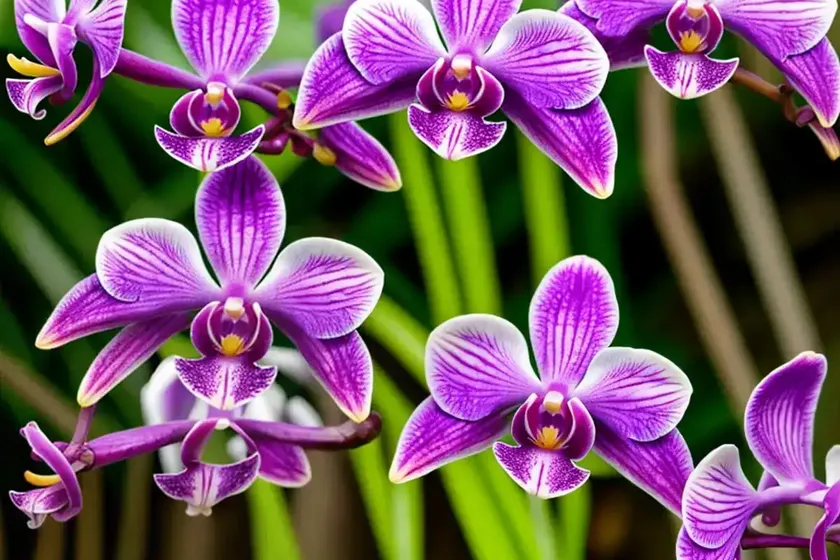
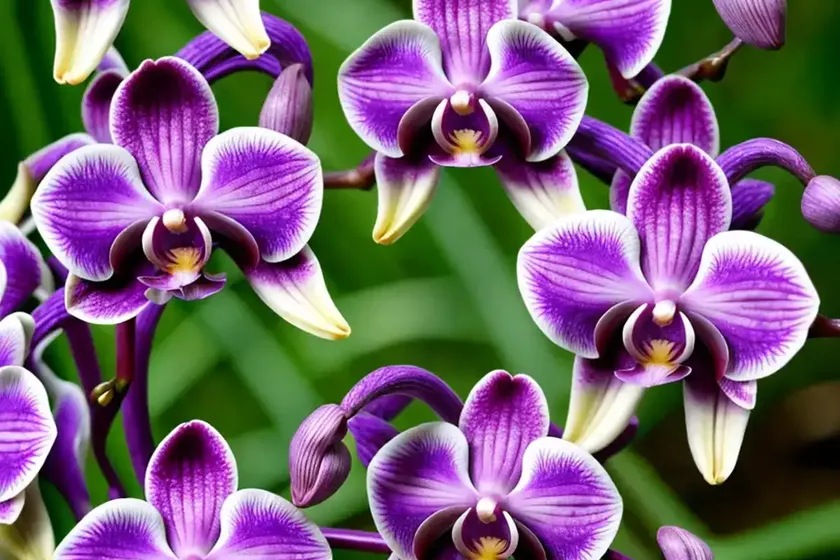
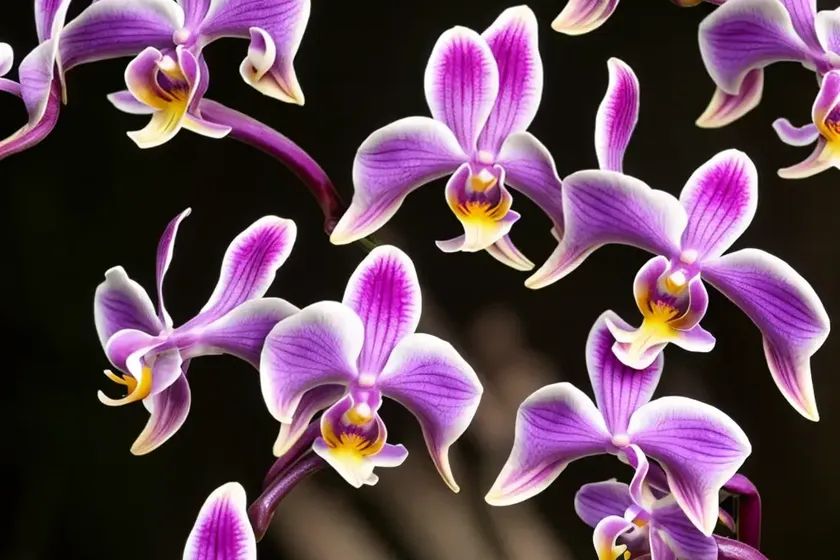
The Early Purple Orchid, scientifically known as Orchis mascula, is a captivating and delicate flowering plant that has garnered attention throughout history for its intrinsic beauty and several cultural references. This plant comes with a rich history, and its varied uses have made it a favorite among gardeners and nature enthusiasts. In this comprehensive guide, we will explore the various aspects of the Early Purple Orchid, from its cultural significance to its ecological role and practical care tips.
What is the Early Purple Orchid (Orchis Mascula)?
The Early Purple Orchid, also known as Orchis Mascula, is a perennial orchid native to Europe and the Mediterranean region. This orchid species is esteemed for its vibrant and intricate blooms, which typically appear in early spring, hence its name. The plant belongs to the Orchidaceae family and is known for its distinct morphology and striking coloration.
Early Purple Orchid – Key Takeaways
Before delving into the specific aspects of the Early Purple Orchid, it’s essential to provide an overview of the key takeaways associated with this fascinating plant.
- Family: Orchidaceae
- Genus: Orchis
- Species: Orchis Mascula
- Common Name: Early Purple Orchid
- Native Region: Europe, Mediterranean
- Blooming Season: Early Spring
- Cultivation: Gardens, Wildflower Meadows, Rock Gardens
- Conservation Status: Not Evaluated
- Special Features: Intricate Purple Blooms, Cultural Significance
With these essential details in mind, let’s explore the various facets of this captivating plant, including its cultural significance, considerations for its growth, care requirements, and ecological importance.
Early Purple Orchid – Cultural Significance
The Early Purple Orchid holds significant cultural importance across various societies, often symbolizing different meanings and values. Its beauty and mystique have made it a subject in art, literature, and folklore, and it has been revered for its aesthetic appeal and symbolic representations.
Folklore and Symbolism
In folklore, the Early Purple Orchid has been associated with various symbolic meanings. Traditionally, orchids have been linked to fertility and virility due to the unique shape and appearance of their tubers. In ancient Greek mythology, orchids were associated with love, beauty, and fertility, and were believed to be a symbol of strength and power.
Furthermore, in European folklore, orchids, including the Early Purple Orchid, were linked to notions of strength, prosperity, and protection. They were often used in traditional medicine and as charms for promoting good luck and preventing illness.
Art and Literature
The enchanting beauty of the Early Purple Orchid has inspired artists and writers for centuries. Its intricate blooms and delicate structure have been the subject of numerous paintings, poems, and literary works, symbolizing beauty, grace, and ephemeral nature. Artists have sought to capture the essence of this captivating flower through various art forms, immortalizing its allure in visual and literary masterpieces.
Early Purple Orchid – Botanical Characteristics
Morphology
The Early Purple Orchid is characterized by its distinctive morphology, encompassing several notable features that contribute to its unique aesthetic appeal.
- Leaves: The plant features lance-shaped, basal leaves that form a rosette at its base. These leaves are often spotted or mottled, adding to the plant’s visual appeal.
- Flowers: The flowers of the Early Purple Orchid are the plant’s most striking feature, with intricately patterned petals in shades of purple, often with white or pink markings. The flowers form a dense spike or raceme, adding to their visual impact.
Geographical Distribution
The native range of the Early Purple Orchid spans across Europe and the Mediterranean region, encompassing diverse habitats and ecosystems. The plant can be found in woodland clearings, meadows, and grasslands, thriving in a variety of soil types and moisture conditions.
Ecological Role
As a native species in its respective habitats, the Early Purple Orchid plays a vital ecological role, contributing to pollination dynamics and serving as a crucial component of local ecosystems. The plant’s vibrant blooms attract pollinators, including bees, butterflies, and moths, facilitating the process of cross-pollination and contributing to the overall biodiversity of its habitat.
Moreover, the plant’s foliage provides shelter and sustenance for various small insects and microorganisms, thereby contributing to the complex web of life within its ecosystem.
Early Purple Orchid – Cultivation and Care Guide
Plant Name: Early Purple Orchid (Orchis Mascula)
When it comes to cultivating and caring for the Early Purple Orchid, several crucial factors need to be considered to ensure the plant’s optimal growth and blooming. From sunlight and watering requirements to soil preferences and propagation techniques, each aspect plays a significant role in determining the success of the plant’s cultivation.
Culture
Cultivating the Early Purple Orchid involves understanding and replicating its natural habitat conditions as closely as possible. By considering the plant’s cultural needs, gardeners can create an environment that promotes healthy growth and abundant blooming.
Uses
The Early Purple Orchid holds both ornamental and ecological significance, making it a desirable addition to garden landscapes and naturalistic habitats. Additionally, the plant’s historical and cultural value adds to its appeal, making it a sought-after species among horticulturists and nature enthusiasts.
Growing Conditions
To cultivate the Early Purple Orchid successfully, it is essential to consider several factors, including water, sunlight, soil, and fertilizer requirements. By addressing these key aspects, gardeners can ensure the plant’s vigor and enhance its blooming potential.
Water
Proper watering is crucial to the health and vitality of the Early Purple Orchid. Balancing moisture levels is essential, as the plant requires consistent hydration while also benefitting from good drainage to prevent waterlogging.
- Watering Tips: Water the plant thoroughly when the soil surface feels dry, but avoid overwatering to prevent root rot. During periods of active growth and blooming, it may require more frequent watering.
Sunlight
The Early Purple Orchid thrives in partial shade to full sun, making it adaptable to various light conditions. However, it is essential to ensure that the plant receives adequate sunlight to support robust growth and blooming.
- Sunlight Requirements: Provide the plant with dappled shade to partial sunlight, ensuring that it receives at least 4-6 hours of sunlight daily. Adjust the placement based on local climatic conditions to avoid excessive exposure to direct sunlight, which could cause leaf scorching.
Fertilizer
Appropriate fertilization can significantly enhance the growth and blooming of the Early Purple Orchid. Selecting the right type and timing of fertilizer application is essential to provide the plant with essential nutrients for healthy development.
- Best Fertilizers: Choose a balanced, water-soluble fertilizer with a higher middle number for phosphorus, which supports flowering. Apply the fertilizer sparingly during the growing season, following the recommendations provided by the manufacturer.
Soil
The soil medium plays a pivotal role in the cultivation of the Early Purple Orchid, as it directly impacts the plant’s nutrient uptake and overall health. Understanding the plant’s soil preferences is crucial for creating an optimal growing environment.
- Soil Preferences: The Early Purple Orchid thrives in well-draining, slightly acidic to neutral soils with a rich organic content. Consider amending the soil with organic matter such as peat moss or compost to improve its texture and nutrient content.
Pruning and Maintenance
Pruning helps maintain the health and aesthetic appeal of the Early Purple Orchid, allowing for the removal of spent blooms and ensuring the plant’s vitality.
- Pruning Techniques: Remove spent flower spikes to promote new growth and prevent the plant from expending energy on seed production. Trim back any damaged or yellowing foliage to maintain the plant’s vigor.
Propagation Techniques
Propagating the Early Purple Orchid allows for the expansion of its presence in gardens and natural settings. Understanding effective propagation techniques ensures successful reproduction of the plant.
- Propagation Methods: The Early Purple Orchid can be propagated through division, allowing the separation of mature rhizomes to create new plants. Division is typically carried out in late summer to early autumn, providing sufficient time for the new divisions to establish before the onset of winter.
Container Gardening
The Early Purple Orchid is also suitable for container gardening, allowing for its cultivation in limited spaces and urban environments. By understanding the specific requirements for container growth, gardeners can enjoy the beauty of this plant on patios, balconies, and other confined areas.
- Popularity in Containers: The Early Purple Orchid’s striking blooms and compact growth habit make it a popular choice for container gardening. Select a well-draining potting mix and a container with adequate drainage holes to provide the plant with a suitable growing environment.
Common Diseases and Pest Control
Despite its resilience, the Early Purple Orchid is susceptible to certain diseases and pests. Recognizing and addressing these issues promptly is crucial to preserving the health and vitality of the plant.
Disease Diagnosis
The Early Purple Orchid may experience issues related to fungal diseases, such as root rot, which can arise from excessive moisture or poor soil drainage. Additionally, bacterial infections and viral diseases can impact the plant’s overall health.
Common Pests
Pests such as aphids, spider mites, and snails may pose a threat to the Early Purple Orchid, affecting its foliage and blooms. Implementing effective pest control measures is essential to protect the plant from damaging infestations.
- Pest Control Methods: Use organic insecticidal soaps or horticultural oils to treat pest infestations. Additionally, handpicking larger pests such as snails and slugs can help reduce their population and minimize damage to the plant.
Botanist’s Tips for Early Purple Orchid Care
When it comes to cultivating the Early Purple Orchid, there are several expert tips and best practices that can contribute to the success of its growth and blooming. By following these recommendations, gardeners can create an ideal environment for the plant’s flourishing.
Fun Facts
- The Early Purple Orchid’s unique bloom structure has often been likened to that of certain insect species, leading to its nomenclature and cultural symbolism. Its flower spikes exhibit a captivating and intricate design, which has captivated the imaginations of botanists, artists, and enthusiasts alike.
References and External Resources
- The Royal Horticultural Society – Orchis Mascula
- Wildflower Information – Early Purple Orchid
- University of Wisconsin-Madison Herbarium – Orchis Mascula
- Missouri Botanical Garden – Orchis Mascula
By delving into the captivating realm of the Early Purple Orchid, we have uncovered its intrinsic beauty, cultural significance, and practical considerations for cultivation and care. This comprehensive guide serves as an invaluable resource for both novice and seasoned gardeners, shedding light on the unique attributes and requirements of this enchanting orchid species. Whether as an ornamental addition to garden landscapes or as a subject of cultural fascination, the Early Purple Orchid continues to captivate and inspire with its timeless allure.


