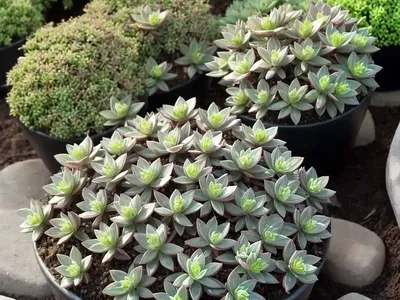
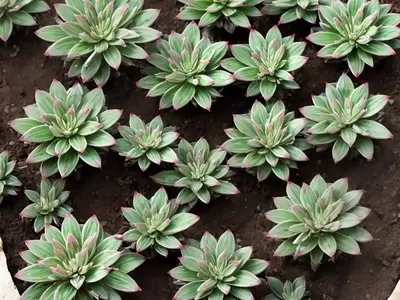
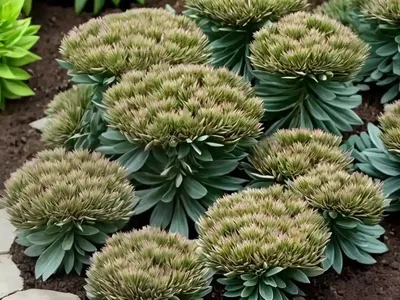
Cobweb Houseleek (Sempervivum Arachnoideum)
Sempervivum arachnoideum, commonly known as Cobweb Houseleek, is a species of flowering plant in the family Crassulaceae. The name “Sempervivum” is derived.
What is Cobweb Houseleek (Sempervivum arachnoideum)?
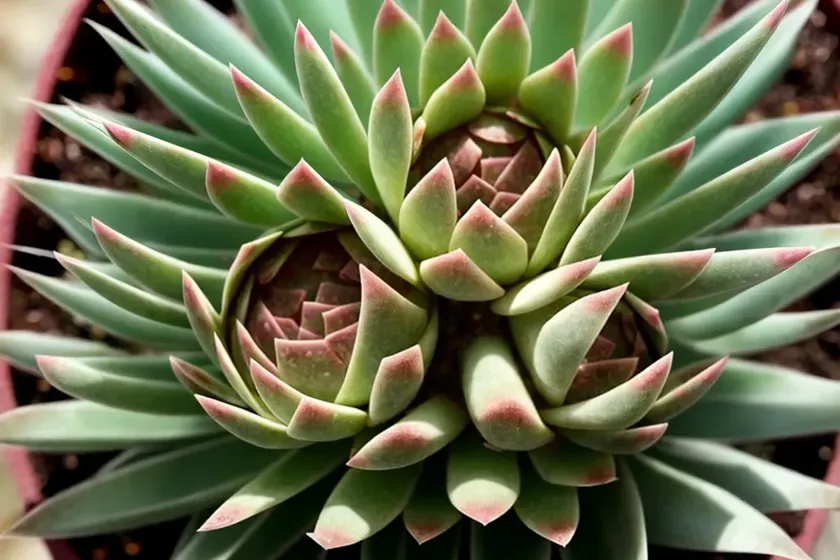
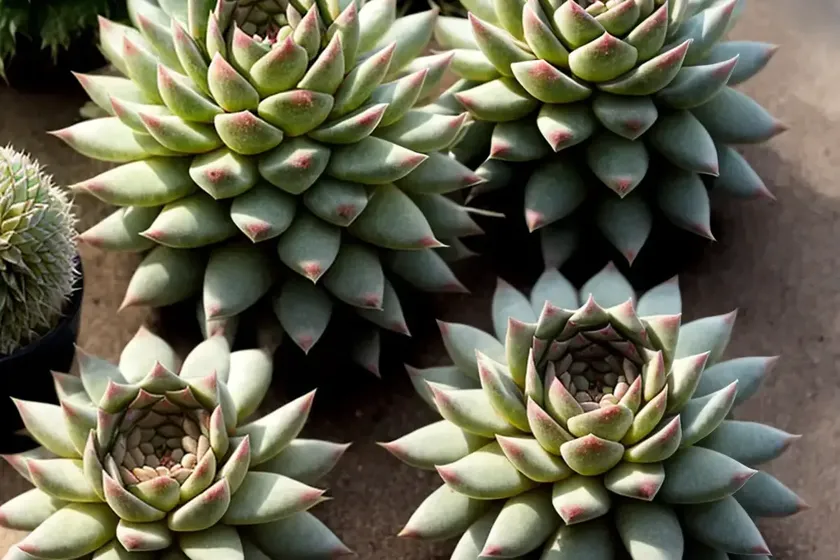
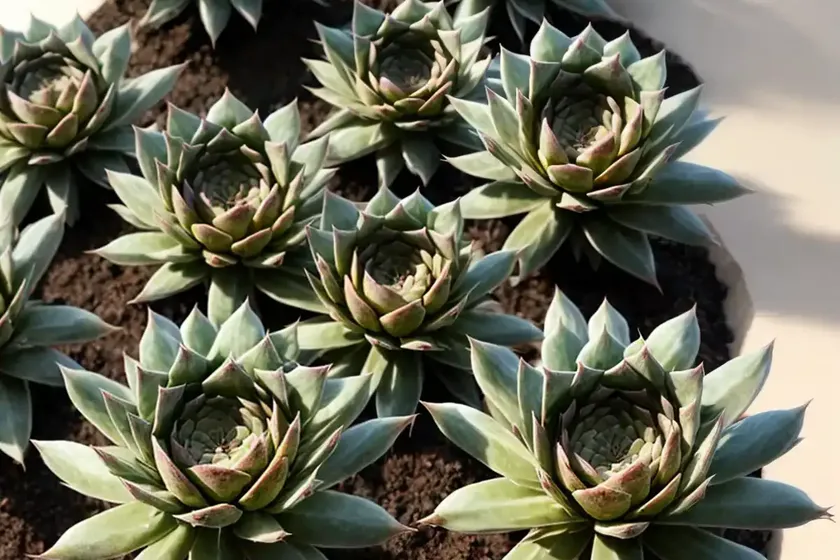
Sempervivum arachnoideum, commonly known as Cobweb Houseleek, is a species of flowering plant in the family Crassulaceae. The name “Sempervivum” is derived from the Latin words “semper,” meaning always, and “vivus,” meaning living, signifying the hardy and enduring nature of the plant. The specific epithet “arachnoideum” refers to the cobweb-like appearance of the fine white hairs that cover the leaves, adding a unique and attractive feature to this plant.
Cobweb Houseleeks are native to the mountainous regions of central and southern Europe, where they can be found growing in rocky, well-drained soils. They are notably tolerant of harsh environments, making them ideal for rock gardens, containers, and other challenging planting locations.
Key Takeaways – Cobweb Houseleek (Sempervivum arachnoideum)
Before delving into the detailed care and cultivation of Cobweb Houseleek, let’s highlight some key takeaways that will be explored in this comprehensive guide:
- Culture: Understanding the natural habitat and environmental preferences of Sempervivum arachnoideum.
- Uses: Exploring the varied uses of Cobweb Houseleek in landscaping, gardening, and traditional medicine.
- Water: Learning about the watering needs and strategies for maintaining optimal soil moisture.
- Sunlight: Determining the sunlight requirements and best practices for positioning the plant.
- Fertilizer: Identifying the appropriate fertilization methods to support healthy growth.
- Soil: Examining the soil requirements and composition for growing Cobweb Houseleek.
- Pruning: Discussing pruning techniques for maintaining the plant’s attractive appearance.
- Propagation: Exploring methods for propagating Sempervivum arachnoideum to expand your collection.
- Container: Understanding the suitability of containers for growing Cobweb Houseleek.
- Popularity: Discovering the growing popularity of Sempervivum arachnoideum among gardeners.
- Common Diseases: Recognizing potential diseases and methods for diagnosis and treatment.
- Common Pests: Identifying common pests that may affect Cobweb Houseleek and their management.
- Botanist’s Tips: Gaining insights and tips from plant scientists for successful cultivation.
- Fun Facts: Uncovering interesting and unique aspects of Cobweb Houseleek that add to its appeal.
Now, let’s dive into the fascinating world of Cobweb Houseleek and explore the intricacies of its care and cultivation.
Culture
Natural Habitat and Environmental Preferences
Cobweb Houseleek thrives in well-drained, rocky, and gravelly soils, mirroring the conditions of its native mountainous habitats in central and southern Europe. These rugged environments have imparted remarkable resilience to the plant, making it well-suited for challenging growing conditions in gardens and landscapes.
-
Natural Habitat: Sempervivum arachnoideum can be found growing in mountainous regions, often clinging to rocky outcrops and crevices. Its ability to thrive in such harsh environments has captivated plant enthusiasts and landscapers seeking resilient and low-maintenance additions to their garden designs.
-
Climate Preferences: The plant exhibits a preference for cool and temperate climates, making it well-suited for cultivation in regions with mild summers and cold winters. Its tolerance for cold temperatures makes it an excellent choice for alpine and rock gardens, where it can withstand frost and snow.
-
Water-Saving Techniques: One of the remarkable features of Cobweb Houseleek is its ability to withstand drought conditions. The succulent nature of its leaves enables it to store water, reducing its reliance on frequent watering. This makes it an excellent choice for water-wise gardening and xeriscaping, where conservation of water resources is a priority.
Uses
Landscaping and Gardening Applications
Cobweb Houseleek holds a prominent place in landscaping and gardening due to its unique appearance, resilience, and versatility. Here are some of its common uses:
-
Rock Gardens: The low-growing and clumping nature of Sempervivum arachnoideum makes it an ideal candidate for rock gardens. Its ability to thrive in rocky and gravelly substrates adds texture and visual interest to these specialized garden spaces.
-
Ground Cover: As a low-growing succulent, Cobweb Houseleek can be used as a ground cover to create striking visual patterns and cover bare expanses of soil. Its ability to spread and form clusters contributes to its effectiveness as a ground cover plant.
-
Container Gardening: The compact size and drought tolerance of Sempervivum arachnoideum make it well-suited for container gardening. It can be featured in mixed succulent arrangements or showcased individually in decorative pots, adding a touch of elegance to patios, balconies, and indoor spaces.
-
Alpine Gardens: With its natural affinity for alpine environments, Cobweb Houseleek is a favored choice for alpine and rock gardens. Its ability to thrive in harsh, high-altitude conditions makes it an indispensable addition to these specialized garden settings.
-
Xeriscaping: In arid and water-limited regions, Cobweb Houseleek shines as a xeriscape plant, contributing to sustainable landscape designs that prioritize water conservation. Its low water requirements and ability to endure dry spells make it an eco-conscious choice for water-wise gardens.
Traditional and Medicinal Uses
Beyond its ornamental applications, Sempervivum arachnoideum has historical significance in traditional medicine and herbalism. While its medicinal uses should be approached with caution and under the guidance of healthcare professionals, it is intriguing to explore the plant’s traditional associations.
-
Wound Healing: In traditional folk medicine, the gel-like sap of Sempervivum arachnoideum has been used topically to promote the healing of minor wounds and skin irritations. Its soothing properties have earned it a place in natural remedies for external skin conditions.
-
Anti-inflammatory Properties: Some cultural practices have attributed anti-inflammatory effects to extracts derived from Cobweb Houseleek. While further research is warranted, these traditional accounts hint at the plant’s potential therapeutic properties.
-
Historical Significance: Throughout history, Cobweb Houseleek has been associated with various beliefs and folklore across different cultures. These cultural connections add to the plant’s mystique and contribute to its enduring allure.
Water
Watering Needs and Strategies
Understanding the watering requirements of Sempervivum arachnoideum is crucial for maintaining its health and vigor. While the plant exhibits drought tolerance, providing adequate moisture is essential, especially during specific stages of growth and environmental conditions.
-
Well-Drained Soil: Cobweb Houseleek thrives in well-drained soil that allows excess water to freely flow away from the root zone. The risk of root rot can be mitigated by ensuring that the soil medium is porous and does not retain excessive moisture.
-
Watering Frequency: During the active growth period, typically in spring and early summer, it is advisable to water the plant when the top layer of the soil feels dry to the touch. This may necessitate watering every 7-10 days, depending on environmental factors such as temperature and sunlight exposure.
-
Water-Saving Techniques: Incorporating water-saving techniques, such as mulching the soil surface to reduce evaporation and using self-watering containers with reservoirs, can help maintain optimal soil moisture levels while conserving water resources.
-
Avoid Overwatering: While providing adequate moisture is important, overwatering can be detrimental to Cobweb Houseleek, leading to root rot and other issues. It is important to strike a balance and exercise restraint in watering, especially during periods of dormancy and in cooler temperatures.
Sunlight
Sunlight Requirements and Positioning
Cobweb Houseleek thrives in sunlight and benefits from strategic positioning to maximize its exposure to natural light. Understanding its sunlight requirements is essential for promoting robust growth and vibrant foliage.
-
Full Sun to Partial Shade: Sempervivum arachnoideum prefers full sun to partial shade, making it well-suited for outdoor settings with ample sunlight. When grown indoors, it should be positioned near a sunny window or provided with supplemental light to mimic its preferred lighting conditions.
-
Optimal Light Levels: Providing the plant with 6-8 hours of direct sunlight per day is ideal for promoting healthy growth and maintaining the vibrant coloration of its rosettes. In regions with intense afternoon sun and high temperatures, some protection from the hottest part of the day may be beneficial.
-
Sun Exposure Considerations: When selecting outdoor planting locations or positioning containers, it is important to consider the trajectory of the sun throughout the day and ensure that Cobweb Houseleek receives adequate light without being subjected to excessive heat and intense midday sun.
-
Indoor Lighting: When cultivating Cobweb Houseleek indoors, particularly during the winter months or in regions with limited sunlight, providing supplemental grow lights can help meet its light requirements and prevent etiolation or stretching of the foliage.
Fertilizer
Fertilization Methods for Healthy Growth
While Sempervivum arachnoideum is renowned for its ability to thrive in nutrient-poor soils, providing supplemental nutrients can support its overall health and vigor. Understanding the principles of fertilization for Cobweb Houseleek is essential for achieving optimal growth and vibrant foliage.
-
Minimal Fertilization: Cobweb Houseleek generally thrives without frequent or high-strength fertilization. In fact, excessive fertilization can lead to the risk of nutrient imbalances and potential damage to the plant.
-
Low-Nutrient Soils: The natural resilience of Sempervivum arachnoideum allows it to thrive in lean, low-nutrient soils. Many enthusiasts and gardeners have found success in cultivating the plant without the need for regular fertilization, relying on the inherent adaptability of the species.
-
Organic Amendments: If fertilization is deemed necessary, organic amendments such as well-aged compost or diluted liquid seaweed extract can be applied sparingly during the active growth period to provide supplemental nutrients in a gentle and balanced manner.
-
Avoiding High Nitrogen Levels: It is important to avoid high-nitrogen fertilizers, as they can promote excessive vegetative growth at the expense of the plant’s natural rosette formation and compact habit. Balanced, low-strength fertilizers are preferred if fertilization is deemed beneficial.
Soil
Soil Requirements and Composition
The soil medium plays a pivotal role in the successful cultivation of Sempervivum arachnoideum, influencing its moisture retention, drainage, and overall well-being. Understanding the soil requirements and composition for Cobweb Houseleek is essential for creating a supportive growing environment.
-
Well-Drained Substrates: Cobweb Houseleek thrives in well-drained, sandy, or gravelly soil mixes that prevent water from accumulating around the plant’s roots. The risk of waterlogged conditions should be minimized to promote healthy growth and prevent root rot.
-
pH Considerations: Sempervivum arachnoideum prefers neutral to slightly acidic soil conditions, with an optimal pH range of 6.0 to 7.0. Testing the pH of the soil and making adjustments as necessary can create an environment conducive to the plant’s growth.
-
Rocky and Gravelly Soils: The natural habitat of Sempervivum arachnoideum provides insights into its soil preferences, as it is often found growing in rocky and gravelly terrains. Recreating these soil conditions in cultivation can support the plant’s resilience and vigor.
-
Soil Amendments: Incorporating organic matter such as coarse sand, perlite, or pumice into the soil mix can enhance its drainage and aeration, creating an optimal growing medium for Cobweb Houseleek. These amendments can help mimic the natural substrates that the plant thrives in.
Pruning
Pruning Techniques for Maintaining Attractive Form
Pruning plays a minimal role in the care of Cobweb Houseleek, as its natural growth habit and rosette-forming pattern require minimal intervention. However, occasional maintenance and grooming can help keep the plant looking its best while promoting overall health.
-
Deadheading: Removing spent flower stalks as they fade can promote a tidy appearance and redirect the plant’s energy back into vegetative growth. This practice can prevent the allocation of resources to seed production, encouraging the formation of new offsets and rosettes.
-
Tidying Outer Leaves: Periodically removing dry or damaged outer leaves can improve the overall appearance of the plant and ensure that nutrients are channeled into the central rosette for continued growth and vitality.
-
Pruning Considerations: While pruning is generally minimal for Cobweb Houseleek, it is important to use clean and sharp tools to prevent the risk of injury or disease transmission. Sanitizing pruning equipment between uses can help maintain the health of the plant.
-
Aesthetic Shaping: For container-grown specimens or when integrated into ornamental displays, gentle shaping of the rosettes can be performed to achieve the desired aesthetic effect. This can involve selectively positioning the rosettes and removing any irregular growth for a visually pleasing arrangement.
Propagation
Propagation Methods for Expanding Your Collection
The ability to propagate Cobweb Houseleek allows enthusiasts to expand their collection and share the beauty of this distinctive plant with others. Understanding the various methods of propagation can empower growers to generate new plants and preserve unique varieties.
-
Offsets: One of the most common and straightforward methods of propagation for Cobweb Houseleek involves utilizing the offsets, or “chicks,” that form around the base of the mature rosettes. These offsets can be carefully detached and established as individual plants.
-
Leaf Cuttings: In addition to offsets, individual leaves from the parent plant can be utilized to propagate new Sempervivum arachnoideum specimens. By carefully removing healthy leaves and allowing them to callus before establishing them in a suitable growing medium, new plants can be initiated.
-
Seed Propagation: While less commonly employed due to the time and effort involved, Cobweb Houseleek can be propagated from seeds. The resulting seedlings can exhibit variations, allowing for the cultivation of new and unique selections.
-
Division: For mature clumps of Cobweb Houseleek, division can be utilized to separate and establish smaller clusters or individual rosettes. This method can help rejuvenate crowded plantings and create opportunities to introduce the plant to new locations in the garden.
Understanding the nuances of each propagation method can empower enthusiasts to propagate Cobweb Houseleek successfully, allowing them to enjoy the rewards of expanding their collection and sharing the beauty of this remarkable plant with others.
Container Popularity
Suitability of Containers for Growing Cobweb Houseleek
The compact size and ornamental appeal of Cobweb Houseleek make it well-suited for container cultivation, allowing enthusiasts to integrate it into diverse settings and showcase its unique features. Understanding the factors that contribute to the popularity of growing Sempervivum arachnoideum in containers can provide insights into effective cultivation practices.
-
Decorative Accents: The striking appearance of Cobweb Houseleek, with its compact rosettes and cobweb-like hairs, adds visual interest to container plantings. Whether showcased individually or included in mixed succulent arrangements, its unique texture and coloration elevate the aesthetic appeal of container gardens.
-
Space-Saving Solutions: For gardeners with limited outdoor space or those seeking versatile planting options, containers offer a space-saving solution for cultivating Sempervivum arachnoideum. Whether placed on patios, balconies, or windowsills, containers provide opportunities for creative displays.
-
Portability and Flexibility: Containers offer the advantage of portability, allowing growers to position the plants in optimal sunlight conditions or to protect them from inclement weather. This flexibility enables gardeners to adapt to changing environmental factors and create dynamic compositions.
-
Indoor Cultivation: Sempervivum arachnoideum’s adaptability and ability to thrive indoors make it a desirable choice for indoor container gardening. Its low water requirements and resilience to dry indoor air conditions contribute to its popularity as an ornamental houseplant.
-
Seasonal Displays: Containers provide a platform for seasonal displays, allowing enthusiasts to feature Cobweb Houseleek as part of temporary arrangements that can be altered to reflect the changing seasons and occasions throughout the year.
Understanding the appeal of cultivating Cobweb Houseleek in containers can inspire creativity and encourage the integration of this unique plant into diverse indoor and outdoor settings.
Common Diseases
Recognizing Potential Diseases and Strategies for Diagnosis
While Cobweb Houseleek is generally resilient and resistant to many common plant diseases, it is still susceptible to certain issues that can impact its health. Familiarizing oneself with the potential diseases and their diagnostic indicators is essential for proactive management and preservation of the plant’s vitality.
-
Root Rot: Excessive moisture and waterlogged conditions can lead to root rot in Sempervivum arachnoideum. Symptoms may include wilting, browning of the lower leaves, and a foul odor emanating from the root zone. Promptly addressing the cause of excess moisture and adjusting the watering practices is crucial for mitigating root rot.
-
Fungal Infections: Under prolonged periods of high humidity or in compact planting arrangements, Cobweb Houseleek may be susceptible to fungal infections such as powdery mildew or Botrytis. These issues can manifest as powdery white coatings on the foliage or as grayish-brown patches, necessitating appropriate preventive measures and treatments.
-
Pest-Induced Damage: While not strictly a disease, pest infestations can compromise the health of Cobweb Houseleek. Common pests such as aphids, spider mites, and scale insects can affect the plant, leading to distorted growth, yellowing foliage, and the presence of pests on the plant surface.
-
Viral Diseases: While less commonly encountered, viral diseases can impact the health and vigor of Cobweb Houseleek. These may present as irregular patterns or mottling on the foliage, stunted growth, or other abnormalities. Diagnosis and management of viral diseases in plants can be challenging and may require professional assistance.
Monitoring the health of Cobweb Houseleek, practicing good cultural care, and swiftly addressing any signs of potential diseases are essential for safeguarding the plant’s well-being.
Common Pests
Identifying and Managing Common Pests that Affect Cobweb Houseleek
Despite its resilience, Cobweb Houseleek can fall victim to various pests that can compromise its growth and appearance. Recognizing the signs of common pests and implementing effective management strategies can help mitigate their impact and protect the plant from harm.
-
Aphids: These small, soft-bodied insects can cluster on the new growth of Cobweb Houseleek, sucking sap from the plant and causing stunted or distorted growth. They may also excrete honeydew, leading to the growth of sooty mold on the foliage. Control measures such as insecticidal soaps or horticultural oils can be employed to manage aphid infestations.
-
Spider Mites: These tiny pests are known for feeding on the undersides of leaves, causing stippling, discoloration, and webbing. When left unchecked, spider mite infestations can weaken and