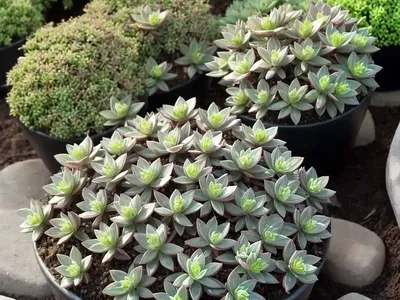
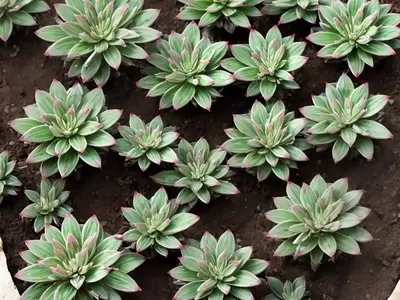
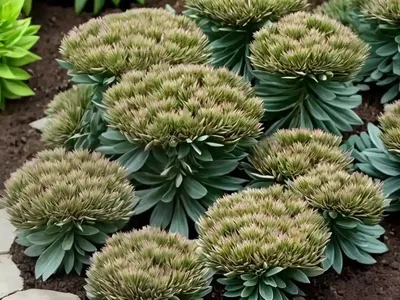
Sempervivum ‘Red Beauty’ (Hens And Chicks)
Sempervivum ‘Red Beauty’ is a popular succulent plant known for its striking red color and its ability to thrive in various conditions. Also referred to as.
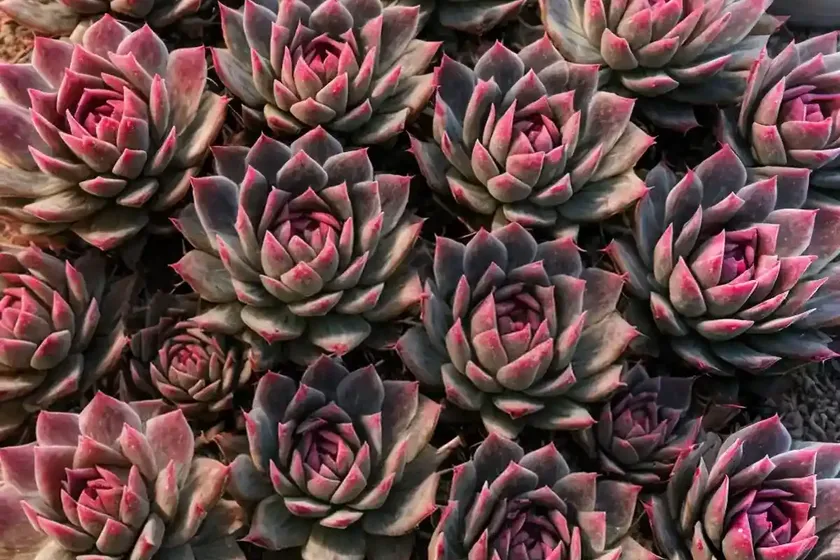
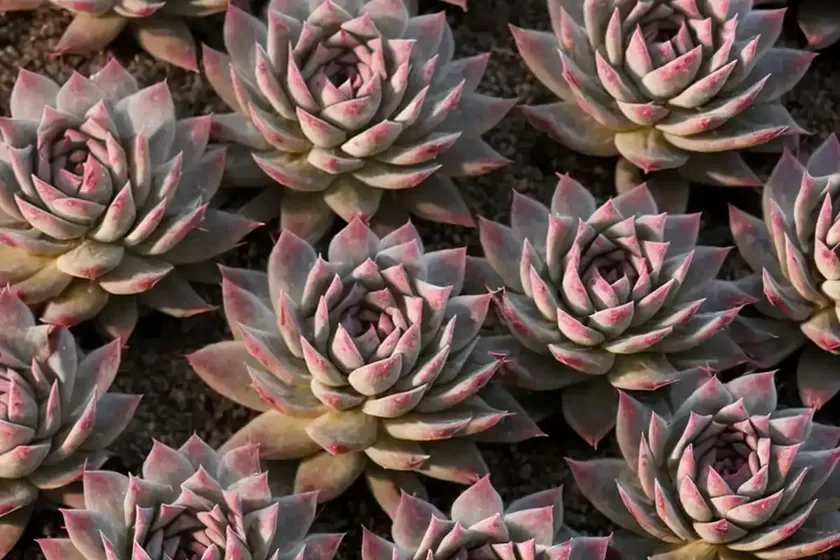
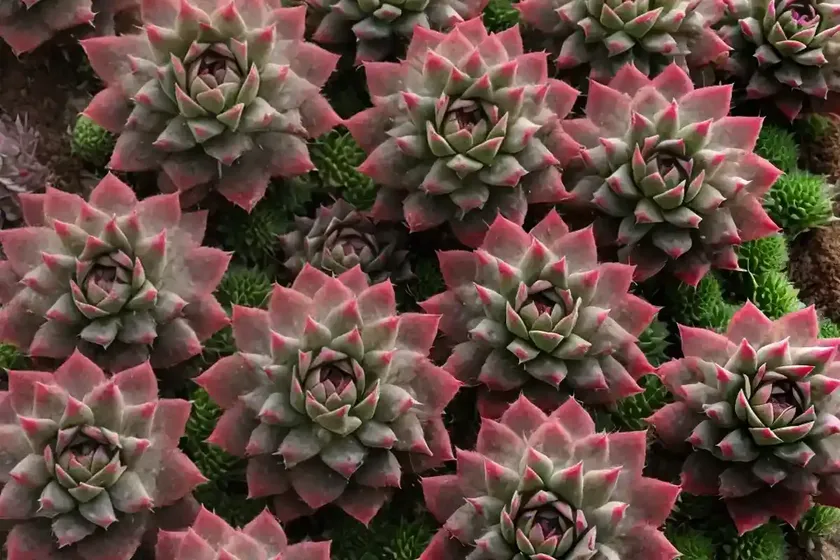
Sempervivum ‘Red Beauty’ is a popular succulent plant known for its striking red color and its ability to thrive in various conditions. Also referred to as Hens and Chicks, this hardy plant is a favorite among gardeners and landscaping enthusiasts. In this comprehensive guide, we will explore all aspects of Sempervivum ‘Red Beauty,’ from its cultivation and care to its uses and characteristics.
What is Sempervivum ‘Red Beauty’ (Hens and Chicks)?
Sempervivum ‘Red Beauty’ is a perennial succulent that belongs to the Crassulaceae family. It is native to mountainous regions of Europe and is characterized by its dense rosettes of thick, fleshy leaves. The plant is named “Hens and Chicks” due to its growth habit, where the mother plant (hen) produces numerous offsets (chicks) around it, creating a clustered appearance.
This plant is prized for its ornamental value and resilience, making it a popular choice for rock gardens, containers, and outdoor landscaping. Its striking red coloration, low maintenance requirements, and drought tolerance contribute to its widespread popularity among gardeners.
Key Takeaways – Sempervivum ‘Red Beauty’ (Hens and Chicks)
Before delving into the specifics of cultivating and caring for Sempervivum ‘Red Beauty,’ let’s outline the key takeaways regarding this unique succulent plant.
- Sempervivum ‘Red Beauty’ is a hardy succulent known for its striking red foliage and low-maintenance nature.
- The plant is characterized by its “Hens and Chicks” growth habit, where the mother plant produces numerous offsets around it.
- It is drought-tolerant and well-suited for outdoor landscaping, rock gardens, and container arrangements.
- Sempervivum ‘Red Beauty’ thrives in well-draining soil and requires minimal pruning and fertilization.
- It is a versatile plant that can be propagated easily, making it ideal for both experienced and novice gardeners.
Now, let’s explore the various aspects of cultivating and caring for Sempervivum ‘Red Beauty’ in detail, including its cultural requirements, uses, and effective maintenance practices.
Culture
Cultivating Sempervivum ‘Red Beauty’ successfully involves understanding its cultural requirements, including its preferences for water, sunlight, soil, and fertilizer. By creating an environment that mimics its natural habitat, gardeners can ensure the plant’s health and vigor.
Uses
Sempervivum ‘Red Beauty’ has a wide range of uses in landscaping and gardening, thanks to its unique characteristics and resilience. Some common uses include:
- Rock gardens: The plant’s low-growing rosettes and striking color make it an ideal choice for rock gardens, where it can thrive in well-draining crevices and rocky terrain.
- Container gardening: Sempervivum ‘Red Beauty’ is well-suited for container arrangements, adding a pop of color and texture to outdoor and indoor spaces.
- Ground cover: Its clumping growth habit and drought tolerance make it an excellent choice for ground cover in dry, sunny areas of the garden.
- Xeriscaping: Due to its drought tolerance and low water requirements, Sempervivum ‘Red Beauty’ is often used in xeriscape designs, where water conservation is a priority.
The plant’s versatility and aesthetic appeal make it a valuable addition to various garden settings, from traditional landscapes to modern urban spaces.
Water
Proper watering is essential for the health and growth of Sempervivum ‘Red Beauty.’ While the plant is known for its drought tolerance, it still requires regular watering, especially during the active growing season. However, overwatering should be avoided to prevent root rot and other moisture-related issues.
-
Water requirements: Sempervivum ‘Red Beauty’ prefers well-draining soil and infrequent, deep watering rather than frequent shallow watering. Typically, it is best to allow the soil to dry out between waterings, especially during the cooler months.
-
Signs of overwatering: Yellowing or mushy leaves, wilting, and a soggy appearance of the plant can indicate overwatering. If these signs are observed, reducing the frequency of watering is recommended.
-
Signs of underwatering: When the plant needs water, the leaves may appear shriveled or puckered. In such cases, providing a thorough watering can help revive the plant.
Maintaining a balance in watering practices is crucial for the overall health and vitality of Sempervivum ‘Red Beauty.’
Sunlight
Sempervivum ‘Red Beauty’ thrives in full sun to partial shade conditions, making it suitable for a wide range of outdoor environments. Adequate sunlight is essential for the plant’s growth and color development, and it is important to ensure that it receives the right amount of light based on the local climate and season.
-
Sunlight requirements: In general, the plant prefers full sun to partial shade, with at least 6 hours of direct sunlight per day. When grown in partial shade, it may exhibit slightly different coloration compared to those grown in full sun.
-
Sunlight adjustments: In hot climates, providing some afternoon shade can prevent leaf burn and ensure the plant’s overall well-being. Observing the plant’s response to sunlight and making adjustments as needed can help optimize its growing conditions.
-
Indoor sunlight: For indoor cultivation, placing the plant near a sunny window or providing artificial grow lights can fulfill its sunlight requirements.
Understanding the impact of sunlight on Sempervivum ‘Red Beauty’ is essential for creating an optimal environment for its growth and development.
Fertilizer
Sempervivum ‘Red Beauty’ is not heavy feeder and typically thrives without the need for frequent fertilization. While it can benefit from occasional supplementation, it is important to apply fertilizers sparingly to prevent potential damage to the plant.
-
Fertilization frequency: A balanced fertilizer can be applied sparingly during the active growing season, typically from early spring to late summer. However, excessive fertilization should be avoided, as it can lead to overly lush growth and diminish the plant’s natural beauty.
-
Diluted fertilizer: When fertilizing, it is recommended to use a diluted, balanced fertilizer to prevent overfeeding and potential nutrient imbalances.
By maintaining a conservative approach to fertilization, gardeners can promote the health and longevity of Sempervivum ‘Red Beauty’ without overstimulating its growth.
Soil
The choice of soil is crucial for Sempervivum ‘Red Beauty,’ as it directly influences its water retention, root health, and overall growth. Well-draining soil is a non-negotiable requirement for this succulent, and various amendments can be made to create an ideal growing medium.
-
Soil composition: A well-draining, gritty soil mix that mimics the plant’s native rocky habitat is ideal for Sempervivum ‘Red Beauty.’ Incorporating elements such as coarse sand, perlite, or pumice can enhance drainage and prevent waterlogged conditions.
-
Soil pH: The plant prefers slightly acidic to neutral soil with a pH range of 6.0 to 7.0. Testing the soil pH and making adjustments if needed can help maintain optimal growing conditions.
-
Container cultivation: When grown in containers, using a specialized cactus or succulent mix can provide the necessary drainage and aeration for the plant’s root system.
Creating a well-draining, nutrient-rich soil environment is essential for supporting the growth and vitality of Sempervivum ‘Red Beauty.’
Pruning
Sempervivum ‘Red Beauty’ is a low-maintenance plant that generally requires minimal pruning. However, removing spent flower stalks and dead or damaged leaves can promote the plant’s overall appearance and health.
-
Pruning techniques: Using clean, sharp scissors or pruning shears, spent flower stalks can be carefully removed to maintain the plant’s compact form and redirect its energy towards new growth.
-
Hygiene practices: Sterilizing pruning tools before and after use can prevent the spread of diseases and ensure that the plant remains healthy.
By incorporating occasional pruning as part of routine maintenance, gardeners can help Sempervivum ‘Red Beauty’ maintain its attractive appearance and vigor.
Propagation
Sempervivum ‘Red Beauty’ is known for its prolific propagation, making it an excellent candidate for expanding a succulent collection or sharing its offsets with fellow gardening enthusiasts. Several methods can be used for propagating this plant, offering flexibility and accessibility for gardeners.
-
Offsets (chicks): The numerous offsets produced by the mother plant can be carefully detached and replanted in well-draining soil to establish new Sempervivum ‘Red Beauty’ specimens.
-
Leaf cuttings: Individual leaves can be carefully removed from the plant and laid on a bed of dry, well-draining soil to root and form new rosettes.
-
Division: Overcrowded clumps of Sempervivum ‘Red Beauty’ can be divided into smaller sections, with each section replanted to facilitate continued growth and expansion.
The plant’s natural propensity for propagation enables gardeners to multiply their plant stock with relative ease and share its beauty with others.
Container Popularity
Sempervivum ‘Red Beauty’ is highly sought after for container gardening due to its compact size, vibrant coloration, and minimal care requirements. Its suitability for various container arrangements, from standalone pots to mixed succulent displays, has contributed to its popularity among gardening enthusiasts.
-
Container selection: When choosing a container for Sempervivum ‘Red Beauty,’ opt for a well-draining pot or planter that allows excess moisture to escape easily. Terra cotta and ceramic containers are popular choices for succulent cultivation.
-
Indoor containers: The plant’s adaptability to indoor environments makes it an excellent choice for adding a touch of color and texture to indoor spaces, such as windowsills, shelves, or desks.
-
Outdoor containers: When grown outdoors, Sempervivum ‘Red Beauty’ can be featured in standalone containers or combined with other succulents and drought-tolerant plants to create visually captivating arrangements.
The versatility and visual appeal of Sempervivum ‘Red Beauty’ make it a standout performer in container gardening, offering numerous creative possibilities for plant enthusiasts.
Common Diseases
While Sempervivum ‘Red Beauty’ is known for its resilience, it is not immune to certain diseases and issues that can affect its health and appearance. Recognizing common diseases and their management is vital for maintaining the plant’s vitality.
Disease Diagnosis
Identifying potential diseases and ailments that may affect Sempervivum ‘Red Beauty’ can help gardeners take prompt action to address the issues and prevent their spread. Some common diseases and diagnostic considerations include:
-
Root rot: Symptoms include mushy, discolored roots and an overall decline in the plant’s health. Overly wet or poorly draining soil can contribute to root rot.
-
Powdery mildew: A white, powdery substance on the leaves may indicate powdery mildew, which can be caused by high humidity or poor air circulation.
-
Bacterial soft rot: Water-soaked, mushy areas on the leaves and rosettes can signal bacterial soft rot, often exacerbated by prolonged moisture on the plant.
Observing any unusual symptoms on Sempervivum ‘Red Beauty’ and diagnosing potential diseases early on can facilitate targeted treatment and management.
Common Pests
In addition to diseases, certain pests can pose a threat to the health and appearance of Sempervivum ‘Red Beauty.’ Recognizing common pests and implementing appropriate control measures is crucial for protecting the plant from infestations.
Pest Identification
Some common pests that may affect Sempervivum ‘Red Beauty’ include:
-
Aphids: These small, soft-bodied insects may cluster on the leaves and stems, feeding on the plant’s sap and potentially causing deformation and leaf yellowing.
-
Spider mites: Infestations by spider mites can result in stippled, discolored leaves and the presence of fine webbing on the plant.
-
Snails and slugs: These pests can feed on the succulent foliage, leaving behind distinct slimy trails and irregular-shaped damage.
Identifying the presence of pests and intervening with appropriate control methods can help safeguard Sempervivum ‘Red Beauty’ from potential damage and stress.
Botanist’s Tips
To further enhance the understanding and appreciation of Sempervivum ‘Red Beauty,’ here are some valuable tips and insights from a botanist’s perspective:
-
Cold hardiness: Sempervivum ‘Red Beauty’ exhibits remarkable cold hardiness, thriving in USDA hardiness zones 3 to 8, making it an excellent choice for gardens in temperate and cooler climates.
-
Color variations: The plant’s striking red color can intensify under stress or during cooler temperatures, creating dynamic shifts in its appearance throughout the year.
-
Sempervivum diversity: Sempervivum, commonly known as “houseleeks,” encompasses a diverse group of succulent plants, with an extensive array of cultivars and hybrids showcasing varying colors and forms.
-
Companion planting: When incorporating Sempervivum ‘Red Beauty’ into garden designs, consider pairing it with other drought-tolerant plants, sedums, and alpines to create visually captivating and sustainable landscapes.
By leveraging these botanist’s tips, gardeners can gain a deeper understanding of Sempervivum ‘Red Beauty’ and its unique characteristics, ultimately leading to more successful cultivation and landscape integration.
Fun Facts
To round out our exploration of Sempervivum ‘Red Beauty,’ here are some intriguing and fun facts about this remarkable succulent:
-
Mythological significance: Sempervivum, the genus to which ‘Red Beauty’ belongs, has a rich history and is tied to various ancient myths and folklore, often associated with protection and longevity.
-
Drought resilience: The name “Sempervivum” translates to “always alive,” reflecting the plant’s exceptional ability to survive in arid and challenging environments.
-
Insect repellent properties: Some Sempervivum species are believed to repel insects due to their natural chemical compounds, offering additional benefits in garden settings.
-
Traditional medicinal uses: In certain cultures, Sempervivum plants have been historically used for their purported medicinal properties, including wound healing and digestive remedies.
By uncovering these fun facts, enthusiasts can develop a deeper appreciation for the cultural, historical, and ecological significance of Sempervivum ‘Red Beauty’ and its botanical relatives.
Links to External Resources
For further exploration and in-depth information on Sempervivum ‘Red Beauty,’ as well as succulent cultivation and landscaping, the following external resources can provide valuable insights and inspiration:
-
The Sempervivum Page: A comprehensive resource dedicated to the diverse world of Sempervivum, featuring cultivar details, growing tips, and a vibrant community of enthusiasts.
-
Succulent Plant Care Guide: A detailed guide offering practical advice on caring for a wide range of succulent plants, including Sempervivum ‘Red Beauty’ and its relatives.
-
Rock Gardening: Reimagining a Classic Style: An informative article discussing the timeless appeal of rock gardens and their role in showcasing succulents, including Sempervivum ‘Red Beauty.’
These external resources can serve as valuable references for enthusiasts, offering a wealth of knowledge and inspiration for succulent cultivation, landscape design, and plant appreciation.
In conclusion, Sempervivum ‘Red Beauty’ (Hens and Chicks) stands out as a captivating and resilient succulent, prized for its ornamental value, low-maintenance nature, and remarkable adaptability. By understanding its cultural requirements, uses, and distinctive characteristics, gardeners can cultivate and enjoy this beautiful succulent while contributing to vibrant and sustainable landscapes.
Through ongoing exploration and engagement with the rich world of succulents, enthusiasts can continue to uncover the enduring allure of Sempervivum ‘Red Beauty’ and its enduring botanical relatives.
Note: The information in this guide serves as a general overview of cultivating and caring for Sempervivum ‘Red Beauty’ and may vary based on specific climate, growing conditions, and regional considerations. It is recommended to consult local gardening resources and professionals for tailored advice and guidance related to individual cultivation practices.