Hosta ‘Pandora’s Box’ (Plantain Lily): The Complete Guide
Plants play a vital role in the ecosystem and contribute to the beauty and balance of our natural surroundings. Among the myriad of plant species, Hosta ‘Pandora’s Box’ (Plantain Lily) stands out for its unique and captivating characteristics. This comprehensive guide will delve deep into the world of Hosta ‘Pandora’s Box’, covering its culture, uses, care requirements, and much more.
What is Plant: Hosta ‘Pandora’s Box’ (Plantain Lily)
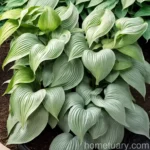
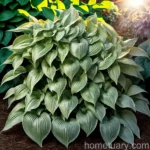
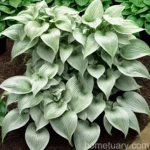
Hosta ‘Pandora’s Box’ is a stunning herbaceous perennial that boasts attractive foliage and delicate, lily-like flowers. Belonging to the family Asparagaceae, this plant is favored for its striking variegated leaves that come in shades of green and white, adding a touch of elegance to any garden or landscape. Its scientific name is derived from the renowned Austrian botanist, Nicholas Thomas Host.
Native to East Asia, particularly Japan, Korea, and China, Hosta ‘Pandora’s Box’ thrives in shaded environments, making it a popular choice for gardeners looking to adorn their shady patches with vibrant and low-maintenance flora.
Key Takeaways – Hosta ‘Pandora’s Box’ (Plantain Lily)
Hosta ‘Pandora’s Box’ is a unique and fascinating plant with a range of attributes and requirements that make it a delightful addition to any garden or landscape. Here are the key takeaways that we will be exploring in detail:
- Culture
- Uses
- Water
- Sunlight
- Fertilizer
- Soil
- Pruning
- Propagation
- Container Popularity
- Common Diseases
- Disease Diagnosis
- Common Pests
- Botanist’s Tips
- Fun Facts
- Links to External Resources
Let’s begin our exploration of Hosta ‘Pandora’s Box’ by delving into its culture and care requirements.
Culture and Care Requirements
Uses
Hosta ‘Pandora’s Box’ is a versatile plant that can be utilized in various ways to enhance the aesthetics and functionality of a garden. Some common uses and applications of this captivating plant include:
- Ornamental Purposes: The elegant variegated leaves and graceful flowers make Hosta ‘Pandora’s Box’ a popular choice for ornamental planting in gardens, parks, and landscaping projects.
- Groundcover: Due to its spreading nature and dense foliage, Hosta ‘Pandora’s Box’ is frequently used as a groundcover plant to create lush and visually appealing carpets of green and white.
- Shade Gardens: Its preference for shaded or partially shaded conditions makes Hosta ‘Pandora’s Box’ an excellent choice for adding color and texture to shaded garden areas where many other plants struggle to thrive.
Water
Proper watering is essential for the health and vitality of Hosta ‘Pandora’s Box’. While this plant thrives in moist soil, it is important to strike a balance and avoid waterlogged conditions. Here are some key points to consider regarding watering:
- Consistent Moisture: Hosta ‘Pandora’s Box’ prefers consistently moist soil without being waterlogged. Regular and deep watering, particularly during dry spells, is crucial for its well-being.
- Mulching: Applying a layer of organic mulch around the base of the plant can help retain soil moisture and reduce the frequency of watering.
Sunlight
As a shade-loving plant, Hosta ‘Pandora’s Box’ thrives in environments with filtered sunlight or partial shade. Exposure to direct, intense sunlight can lead to leaf burn and diminished foliage quality. Here are some sunlight-related considerations for cultivating Hosta ‘Pandora’s Box:
- Shade Tolerance: A dappled shade or filtered sunlight environment is ideal for the optimal growth and development of Hosta ‘Pandora’s Box’.
- Protection from Harsh Sunlight: In regions with intense sunlight, providing afternoon shade or locating the plant in areas with indirect light can help prevent sun damage and maintain the plant’s vibrancy.
Fertilizer
Appropriate fertilization plays a key role in promoting the robust growth and lush foliage of Hosta ‘Pandora’s Box’. Here are some essential fertilizer-related guidelines for cultivating this enchanting plant:
- Balanced Fertilizer: Using a balanced, slow-release fertilizer with a formulation such as 10-10-10 can provide the necessary nutrients for healthy growth. Application in early spring and mid-summer can support the plant’s nutritional needs.
- Avoid Excessive Nitrogen: While adequate nitrogen is important, excessive nitrogen can result in lush foliage but reduced variegation. Therefore, it’s important to strike a balance when applying nitrogen-rich fertilizers.
Soil
The soil composition and quality directly impact the health and vigor of Hosta ‘Pandora’s Box’. Understanding the soil preferences of this plant can contribute to its successful cultivation. Consider the following soil-related aspects:
- Well-Draining Soil: Hosta ‘Pandora’s Box’ thrives in well-draining, humus-rich soil that retains moisture without becoming waterlogged.
- pH Range: A slightly acidic to neutral soil pH in the range of 6.0-7.5 is conducive to the optimal growth and development of Hosta ‘Pandora’s Box’. Regular soil testing can help ensure the pH remains within the ideal range.
Pruning
Pruning is an essential aspect of maintaining the health, appearance, and vigor of Hosta ‘Pandora’s Box’. Proper pruning practices can help manage the plant’s size, improve air circulation, and enhance its ornamental value. Consider the following pruning recommendations:
- Dormant Season Pruning: Performing pruning and cleanup during the plant’s dormant season, typically in late fall or early spring, can help remove spent foliage and prepare the plant for new growth.
- Deadheading Flowers: Removing faded or spent flowers not only maintains a tidy appearance but also directs the plant’s energy towards vegetative growth and root development.
Propagation
Propagating Hosta ‘Pandora’s Box’ allows for the expansion of its presence within the garden or for sharing with other gardening enthusiasts. There are several methods of propagation to consider, including:
- Division: Dividing mature clumps in early spring or late summer offers a straightforward and reliable means of propagation. Each division should have sufficient roots and shoots for successful establishment.
- Seed Propagation: While less commonly practiced due to varietal variability, seed propagation can be an exciting method for obtaining new and potentially unique Hosta ‘Pandora’s Box’ plants.
Container Popularity
Due to its adaptable nature and captivating appearance, Hosta ‘Pandora’s Box’ is well-suited for container cultivation. The following are some key considerations for growing this plant in containers:
- Container Selection: Choose spacious containers with adequate drainage holes to accommodate the plant’s root system and facilitate proper moisture management.
- Growing Medium: A well-draining, high-quality potting mix designed for shade-loving plants can provide the necessary support and nutrition for Hosta ‘Pandora’s Box’ when grown in containers.
Common Diseases
Hosta ‘Pandora’s Box’ is generally considered to be resilient and low-maintenance, but it can be susceptible to certain diseases under unfavorable conditions. Common diseases that may affect this plant include:
- Fungal Leaf Spots: Under prolonged wet and humid conditions, Hosta ‘Pandora’s Box’ leaves may be vulnerable to various fungal leaf spot diseases. Proper airflow and moisture management can minimize the risk of infection.
- Crown Rot: Excessive soil moisture or poor drainage can lead to crown rot, which manifests as wilting and eventual collapse of the plant. Preventative measures such as well-draining soil and proper watering can help mitigate this issue.
Disease Diagnosis
Identifying and diagnosing potential diseases affecting Hosta ‘Pandora’s Box’ is essential for implementing targeted management strategies. Visual symptoms, such as leaf discoloration, wilting, and unusual growth patterns, may indicate a specific disease or pest issue. Seeking guidance from local extension services or professional horticulturists can aid in accurate disease diagnosis and treatment recommendations.
Common Pests
While Hosta ‘Pandora’s Box’ is generally resilient, it can fall prey to certain pests that may impact its health and aesthetics. Common pests to watch out for include:
- Slugs and Snails: These mollusks are known for consuming Hosta foliage, leaving behind distinct irregular patterns of feeding damage. Implementing slug and snail control measures, such as barriers and baits, can help safeguard the plants.
- Deer: In areas with high deer populations, Hosta ‘Pandora’s Box’ may be vulnerable to browsing damage. Employing deer deterrents and protective measures can mitigate the risk of deer-related damage.
Botanist’s Tips
To further enhance your understanding and care of Hosta ‘Pandora’s Box’, consider the following expert tips from botanists and horticultural specialists:
- Mulching Benefits: Applying a layer of organic mulch around Hosta ‘Pandora’s Box’ can serve as a protective barrier, reduce moisture fluctuations, and inhibit weed growth.
- Air Circulation: Ensuring adequate spacing between Hosta plants can promote better air circulation, reducing the risk of foliar diseases and enhancing overall plant vigor.
Fun Facts
Embrace the enchanting world of Hosta ‘Pandora’s Box’ with these intriguing and fun facts about the plant:
- Intriguing Origins: Hosta ‘Pandora’s Box’ is a result of complex hybridization and breeding efforts, leading to its captivating and unique variegated foliage.
- Edible Flowers: While primarily an ornamental plant, Hosta species, including ‘Pandora’s Box’, produce edible flowers that can add a gourmet touch to culinary creations.
Links to External Resources
For additional information, resources, and opportunities to deepen your knowledge of Hosta ‘Pandora’s Box’, consider exploring the following external links:
- The American Hosta Society: The official website of the American Hosta Society provides a wealth of resources, including cultivation guides, species profiles, and community forums.
- The Royal Horticultural Society: The Royal Horticultural Society’s extensive plant database offers valuable insights into Hosta species, including cultivation advice and species diversity.
Hosta ‘Pandora’s Box’ is a captivating and versatile plant that can enrich any garden or landscape with its elegant foliage and enchanting flowers. By understanding its culture, care requirements, and unique traits, you can cultivate and enjoy the beauty of this exceptional plant while creating vibrant and visually striking outdoor spaces.
Keywords: Hosta ‘Pandora’s Box’ care, Growing Hosta ‘Pandora’s Box, Pandorea’s Box Plantain Lily, Hosta ‘Pandora’s Box’ varieties, Plantain Lily characteristics, Best companion plants for Hosta ‘Pandora’s Box, How to propagate Hosta ‘Pandora’s Box, Hosta ‘Pandora’s Box’ pruning tips, Hosta ‘Pandora’s Box’ sunlight requirements, Disease-resistant Hosta ‘Pandora’s Box, Hosta ‘Pandora’s Box’ soil preferences, Hosta ‘Pandora’s Box’ foliage colors, Hosta ‘Pandora’s Box’ landscaping ideas, Hosta ‘Pandora’s Box’ garden design, Hosta ‘Pandora’s Box’ container gardening, Hosta ‘Pandora’s Box’ shade garden, Hosta ‘Pandora’s Box’ drought tolerance, Hosta ‘Pandora’s Box’ winter care, Pests and diseases of Hosta ‘Pandora’s Box, Hosta ‘Pandora’s Box’ leaf variegation, Hosta ‘Pandora’s Box’ size and height, Hosta ‘Pandora’s Box’ flowering period, Hosta ‘Pandora’s Box’ leaf shape, Growing Hosta ‘Pandora’s Box’ indoors, Hosta ‘Pandora’s Box’ hardiness zones, Hosta ‘Pandora’s Box’ garden maintenance, Hosta ‘Pandora’s Box’ water requirements, Hosta ‘Pandora’s Box’ fertilization tips, Hosta ‘Pandora’s Box’ companion plants, Hosta ‘Pandora’s Box’ landscape design, Hosta ‘Pandora’s Box’ container care, Hosta ‘Pandora’s Box’ winter survival, Hosta ‘Pandora’s Box’ pest control, Hosta ‘Pandora’s Box’ leaf patterns, Hosta ‘Pandora’s Box’ plant size, Hosta ‘Pandora’s Box’ blooming season, Hosta ‘Pandora’s Box’ leaf structure, Indoor cultivation of Hosta ‘Pandora’s Box, Hosta ‘Pandora’s Box’ planting zones, Hosta ‘Pandora’s Box’ garden upkeep, Hosta ‘Pandora’s Box’ watering needs, Hosta ‘Pandora’s Box’ fertilizing instructions, Hosta ‘Pandora’s Box’ suitable companions, Hosta ‘Pandora’s Box’ garden layout ideas, Hosta ‘Pandora’s Box’ potting tips, Hosta ‘Pandora’s Box’ cold weather care, Common pests and diseases of Hosta ‘Pandora’s Box, Leaf variegation of Hosta ‘Pandora’s Box, Hosta ‘Pandora’s Box’ mature size, Hosta ‘Pandora’s Box’ flowering time