The Splendor of Hosta ‘Frances Williams’ (Plantain Lily)
Hosta ‘Frances Williams’ is a stunning and popular shade-loving perennial plant that is adored by gardeners for its striking foliage and low-maintenance nature. In this detailed guide, we will explore the cultivation, maintenance, benefits, and various uses of Hosta ‘Frances Williams’, also known as the Plantain Lily.
What is Hosta ‘Frances Williams’?
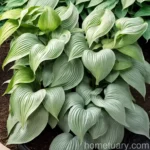
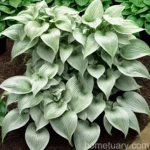
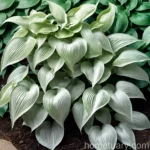
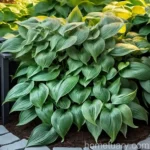
Hosta ‘Frances Williams’, commonly referred to as the Plantain Lily, is a shade-loving perennial plant that is renowned for its large, heart-shaped, deeply veined, and heavily corrugated leaves. The impressive variegation of its leaves consists of dark green margins with bright, creamy-yellow centers, creating a captivating contrast that adds depth and dimension to any garden or landscape. In addition to its striking foliage, Hosta ‘Frances Williams’ also produces delicate, lavender-tinged, funnel-shaped flowers on tall scapes in the summer, adding a touch of elegance to its visual appeal.
Key Takeaways – Hosta ‘Frances Williams’ (Plantain Lily)
Let’s delve into the key aspects and characteristics of Hosta ‘Frances Williams’, encompassing its cultural requirements, uses, maintenance, and more.
Culture
- Hardiness Zone: Suitable for planting in zones 3 to 9, Hosta ‘Frances Williams’ thrives in a wide range of climates.
- Mature Size: Typically grows to a height of 1 to 2 feet and spreads up to 3 feet wide, forming a robust and expansive mound of foliage.
- Lifespan: With proper care, Hosta ‘Frances Williams’ can endure for several years, making it a long-term and reliable addition to any garden.
Uses
- Landscaping: Hosta ‘Frances Williams’ serves as an excellent choice for adding texture, color, and visual interest to shaded areas in landscapes, such as woodland gardens, under trees, and alongside pathways.
- Container Gardening: Its adaptability to container growth makes it an ideal plant for adorning patios, balconies, and other outdoor living spaces.
Water
- Watering Schedule: Regular, consistent watering is essential for Hosta ‘Frances Williams’ to maintain adequate soil moisture levels.
- Watering Method: Water deeply, ensuring the soil is sufficiently moist but not waterlogged.
Sunlight
- Light Requirements: Hosta ‘Frances Williams’ thrives in partial to full shade, demonstrating its preference for sheltered and shaded environments.
- Sun Exposure: Protect the plant from harsh, direct sunlight, particularly during the intense midday hours.
Fertilizer
- Fertilization Frequency: Feed Hosta ‘Frances Williams’ with a balanced, slow-release fertilizer in the early spring to encourage healthy growth and vibrant foliage.
- Application Method: Sprinkle the fertilizer evenly around the base of the plant, taking care not to allow it to come into direct contact with the foliage.
Soil
- Soil Type: Well-draining, loamy soil with a slightly acidic to neutral pH is ideal for cultivating Hosta ‘Frances Williams’.
- Moisture Retention: The soil should retain moisture effectively without becoming waterlogged, promoting optimal root health and growth.
Pruning
- Pruning Method: Regularly remove spent flower scapes and damaged or withered foliage to maintain the plant’s aesthetic appeal and encourage new growth.
- Pruning Timing: Prune as needed throughout the growing season, ensuring that any maintenance activities are carried out with sterile tools to prevent the spread of diseases.
Propagation
- Propagation Techniques: Hosta ‘Frances Williams’ can be propagated through division, allowing gardeners to create new plants from established clumps.
- Optimal Time for Division: Early spring or early fall are ideal periods for dividing the plant, coinciding with periods of active growth and favorable weather conditions.
Container Popularity
- Container Adaptability: Hosta ‘Frances Williams’ is well-suited for container cultivation, enabling individuals with limited garden space to enjoy its beauty on patios, decks, or balconies.
- Container Selection: Utilize spacious, well-draining containers to accommodate the plant’s root system and promote healthy growth.
Common Diseases
- Fungal Infections: Hosta ‘Frances Williams’ may be susceptible to fungal diseases such as powdery mildew and leaf spot, particularly in humid or poorly ventilated environments.
- Preventative Measures: Implement appropriate spacing, adequate air circulation, and vigilant monitoring to minimize the risk of fungal infections.
Disease Diagnosis
- Visual Inspection: Regularly inspect the foliage for signs of discoloration, unusual spots, or abnormal growth patterns, which may indicate the presence of diseases or pest infestations.
- Prompt Action: Address any concerning symptoms promptly to mitigate the spread and impact of potential diseases, resorting to targeted treatments as necessary.
Common Pests
- Slug Infestations: Hosta ‘Frances Williams’ is vulnerable to slug damage, with these pests targeting the lush foliage and leaving behind unsightly trails.
- Control Measures: Employ suitable deterrents, such as copper barriers or organic slug repellents, to protect the plant from slug feeding.
Botanist’s Tips
- Mulching: Apply a layer of organic mulch around Hosta ‘Frances Williams’ to conserve moisture, suppress weed growth, and insulate the soil, contributing to the plant’s overall health and vigor.
- Companion Planting: Pair Hosta ‘Frances Williams’ with companion plants that share similar cultural requirements, creating harmonious and visually appealing garden compositions.
Fun Facts
- Variegated Beauty: The captivating variegation of Hosta ‘Frances Williams’ is not only aesthetically pleasing but also contributes to its resilience in shaded settings, where the contrast of light and dark colors enhances its presence.
Links to External Resources
For further information on Hosta ‘Frances Williams’, consider exploring the following reputable resources:
- The American Hosta Society
- Royal Horticultural Society – Growing Hostas
- University of Illinois Extension – Hostas: The Shady Perennial
In conclusion, Hosta ‘Frances Williams’ stands out as a versatile and enchanting addition to any garden or landscape, offering an array of benefits including its adaptability to shade, visually captivating foliage, and relatively straightforward maintenance requirements. By incorporating this remarkable perennial into your outdoor spaces, you can elevate the aesthetic appeal and create inviting shaded retreats that are sure to captivate and delight both you and your guests.