Understanding the Hosta (Hosta ventricosa ‘Aureomaculata’)
Plants play a crucial role in the ecosystem, providing oxygen, food, and shelter for various organisms. Amongst the multitude of plant species, the hosta (Hosta ventricosa ‘Aureomaculata’) stands out as a remarkable choice for garden enthusiasts and plant lovers. This blog post serves as a comprehensive guide to understanding the hosta plant, covering its culture, uses, maintenance, and more. Let’s delve into the fascinating world of hostas and explore the captivating features of the Hosta ventricosa ‘Aureomaculata.’
Key Takeaways – Hosta (Hosta ventricosa ‘Aureomaculata’)
Before we embark on a detailed exploration of the hosta plant, it’s essential to highlight the key takeaways we will cover in this article:
- Hosta Cultivars: Understanding the diverse range of hosta cultivars and their unique characteristics.
- Shade-loving Varieties: Exploring hostas known for thriving in shaded environments.
- Low Maintenance: Identifying hostas that are low maintenance and ideal for various gardens.
- Variegated Leaves: The allure of hostas with variegated leaves and their aesthetic appeal.
- Cultural Tips: Providing practical care tips for the Hosta ventricosa ‘Aureomaculata’.
- Landscaping: Using hostas for landscaping and their suitability for different climates.
- Propagation Techniques: Delving into the propagation methods for Hosta ventricosa ‘Aureomaculata’.
- Pest and Disease Resilience: Understanding the common pests and diseases affecting hostas.
- Container Gardening: Exploring the possibilities of growing hostas in containers.
With these highlights in mind, let’s embark on an enriching journey to understand the hosta (Hosta ventricosa ‘Aureomaculata’) in its entirety.
What is Hosta (Hosta ventricosa ‘Aureomaculata’)?
Hosta, scientifically known as Hosta ventricosa ‘Aureomaculata’, is a perennial plant cherished for its ornamental foliage and adaptability to various environmental conditions. Belonging to the family Asparagaceae, hostas are native to northeast Asia, particularly Japan, China, and Korea. Hostas are incredibly versatile, thriving in shaded areas, and are esteemed for their lush, vibrant foliage.
Plant Description
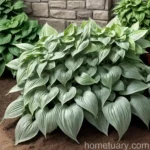
Hosta ventricosa ‘Aureomaculata’ is characterized by its striking features, making it a popular choice for ornamental gardening. The cultivar ‘Aureomaculata’ is renowned for its beautiful, heart-shaped leaves with a vibrant golden-yellow margin. These leaves exhibit an attractive variegation that adds a captivating dimension to garden landscapes. The mature height of this cultivar typically ranges from 16 to 20 inches, with a spread of 30 to 36 inches, making it a substantial presence in garden beds and borders.
This hosta variety blooms in the summer, producing elegant, lavender-hued flowers on tall, slender scapes. The delicate beauty of these blooms complements the lush foliage, enhancing the visual appeal of the plant.
Culture
Cultivating hostas, especially the Hosta ventricosa ‘Aureomaculata’, involves understanding their cultural requirements to ensure optimal growth and development. From planting to maintenance, providing the right cultural conditions is crucial for the overall well-being of these plants.
Uses
Hostas, including the Hosta ventricosa ‘Aureomaculata’, are widely cherished for their versatile applications in landscaping and ornamental gardening. Understanding their uses can provide insights into the potential benefits of incorporating these plants into various settings.
Ornamental Planting
The ornamental value of Hosta ventricosa ‘Aureomaculata’ makes it a popular choice for beautifying gardens, parks, and other outdoor spaces. The vibrant variegation of its leaves, coupled with the charming blooms, enhances the aesthetic appeal of any landscape.
Ground Cover
Hostas are often utilized as ground cover plants, creating lush, verdant carpets in shaded areas. The dense growth habit and lush foliage of the Hosta ventricosa ‘Aureomaculata’ make it particularly suitable for this purpose, filling in bare spots and adding a touch of elegance to the surroundings.
Erosion Control
Due to their robust growth and dense foliage, hostas, including the Hosta ventricosa ‘Aureomaculata’, are effective for erosion control. Their extensive root systems help stabilize soil, reducing the risk of erosion in sloped or uneven terrain.
Focal Points
In garden design, hostas can serve as striking focal points, drawing attention with their sizable leaves and captivating foliage patterns. Hosta ventricosa ‘Aureomaculata’ is particularly well-suited for this role, adding a splash of color and texture to specific garden areas.
Companion Planting
Hostas, including the Hosta ventricosa ‘Aureomaculata’, are often used in companion planting, complementing other plants with their vibrant foliage and versatile growth habits. When strategically paired with other species, hostas can contribute to creating visually appealing and well-balanced landscapes.
Water
Water is a vital element in the cultivation of hostas, playing a key role in ensuring proper growth and hydration. Understanding the water needs of Hosta ventricosa ‘Aureomaculata’ is essential for maintaining its health and vitality.
Watering Needs
Hostas, including the Hosta ventricosa ‘Aureomaculata’, generally prefer consistent moisture levels in the soil, especially during the active growing season. Adequate watering is crucial to prevent the soil from drying out, particularly in warmer climates or during periods of extended drought.
Soil Moisture
While hostas thrive in moist soil conditions, it’s important to strike a balance to avoid waterlogging. Excessively wet soil can lead to root rot and other issues, emphasizing the need for well-draining soil and watering practices that maintain optimal moisture without creating waterlogged conditions.
Watering Frequency
The frequency of watering hostas, including Hosta ventricosa ‘Aureomaculata’, depends on several factors, including the climate, soil type, and individual plant requirements. Monitoring the soil moisture and responding to the plant’s hydration needs are crucial for promoting healthy growth and preventing water-related stress.
Sunlight
Hostas are renowned for their adaptability to shade, thriving in environments with limited direct sunlight. Understanding the sunlight requirements of Hosta ventricosa ‘Aureomaculata’ is essential for choosing the ideal planting locations and ensuring the plant’s well-being.
Shade Tolerance
As shade-loving plants, hostas, including the Hosta ventricosa ‘Aureomaculata’, exhibit excellent tolerance to low light conditions. They are well-suited for shady garden areas where other plants may struggle, making them valuable additions to diverse landscapes.
Light Conditions
While hostas prefer shade, their sunlight requirements can vary based on the specific cultivar. Some hosta varieties, including Hosta ventricosa ‘Aureomaculata’, may tolerate partial sun or dappled shade, expanding the range of suitable planting locations within the garden.
Leaf Variegation
Sunlight levels can impact the variegation and coloration of hosta leaves, with adequate shade often promoting more vibrant and defined patterns. Understanding the relationship between sunlight exposure and foliage aesthetics is essential for maximizing the ornamental appeal of Hosta ventricosa ‘Aureomaculata’.
Fertilizer
Fertilization plays a crucial role in providing hostas, including Hosta ventricosa ‘Aureomaculata’, with essential nutrients for robust growth and vigor. Understanding the principles of fertilizing hostas is essential for promoting their health and enhancing their ornamental qualities.
Nutrient Requirements
Hostas benefit from a balanced supply of nutrients, including nitrogen, phosphorus, and potassium. These nutrients support various aspects of plant growth, from leaf development to overall structural integrity.
Fertilizer Types
Various fertilizer formulations, including granular, liquid, and slow-release options, can be used to provide hostas with essential nutrients. Selecting the right type of fertilizer and applying it according to the specific needs of Hosta ventricosa ‘Aureomaculata’ is essential for achieving optimal results.
Timing and Frequency
Fertilization timing and frequency play a crucial role in promoting healthy growth and preventing nutrient deficiencies. Developing a fertilization schedule tailored to the needs of Hosta ventricosa ‘Aureomaculata’ can optimize the plant’s performance and ornamental value.
Soil
Understanding the soil preferences of hostas, including the Hosta ventricosa ‘Aureomaculata’, is essential for creating conducive growing conditions and promoting optimal plant health.
Soil Type
Hostas thrive in well-draining, fertile soil with a rich organic content. Loamy soil with good moisture retention and adequate aeration is ideal for supporting the vigorous growth and lush foliage of Hosta ventricosa ‘Aureomaculata’.
pH Levels
Maintaining slightly acidic to neutral soil pH levels is beneficial for hostas, as it facilitates nutrient availability and uptake. Testing the soil pH and implementing amendments as needed can ensure the optimal growing conditions for Hosta ventricosa ‘Aureomaculata’.
Soil Amendments
Incorporating organic matter, such as compost or well-rotted manure, can improve soil structure and fertility, creating a nurturing environment for hostas. Amending the soil to enhance its nutrient content and texture contributes to the overall well-being of Hosta ventricosa ‘Aureomaculata’.
Pruning
Pruning is a fundamental aspect of hosta maintenance, influencing the plant’s appearance, health, and longevity. Understanding the principles of pruning Hosta ventricosa ‘Aureomaculata’ is essential for promoting vigorous growth and maintaining its ornamental appeal.
Flowering Stems
Removing spent flowering stems after blooming can redirect the plant’s energy towards foliage development, enhancing the lushness and visual impact of Hosta ventricosa ‘Aureomaculata’.
Tidying Up
Pruning damaged or discolored leaves can help maintain the plant’s overall appearance and prevent potential disease spread. Regular tidying up of the foliage contributes to the aesthetic appeal of Hosta ventricosa ‘Aureomaculata’.
Division
Periodic division of mature hostas, including Hosta ventricosa ‘Aureomaculata’, can rejuvenate the plants and prevent overcrowding. Separating the clumps and replanting divisions in suitable locations promotes vigorous growth and ensures long-term sustainability.
Propagation
Understanding the propagation techniques for Hosta ventricosa ‘Aureomaculata’ is key to expanding the plant’s presence in the garden and creating additional specimens for ornamental purposes.
Division
Dividing established hostas into smaller clumps is a common propagation method, allowing gardeners to create new plants from existing ones. Division also rejuvenates mature hostas and prevents overcrowding, contributing to their overall health and vigor.
Seed Propagation
While hostas produce seeds after flowering, propagating them from seeds requires time and patience due to the variability in seedlings. Seed propagation is a viable option for creating new hosta varieties, potentially leading to unique cultivars with distinct characteristics.
Tissue Culture
Tissue culture propagation offers a method for mass-producing hostas, including Hosta ventricosa ‘Aureomaculata’, under controlled conditions. This technique allows for the rapid multiplication of plants with consistent traits, contributing to the availability of diverse hosta cultivars in the horticultural market.
Container Popularity
The popularity of growing hostas, including the Hosta ventricosa ‘Aureomaculata’, in containers is rooted in their versatility, ornamental value, and adaptability to confined spaces. Understanding the benefits and considerations of container gardening for hostas can expand the opportunities for incorporating these plants into various settings.
Space Optimization
Container gardening allows for creative placement of hostas in outdoor and indoor environments, maximizing limited space and adding visual interest to patios, balconies, and other areas with restricted planting options.
Aesthetic Appeal
The vibrant foliage and elegant blooms of Hosta ventricosa ‘Aureomaculata’ make it an attractive choice for container gardening, enhancing the visual appeal of any setting with its ornamental presence.
Mobility
Growing hostas in containers provides the flexibility to relocate the plants as needed, catering to changing light conditions or aesthetic preferences. This mobility enhances the adaptability of Hosta ventricosa ‘Aureomaculata’ in various gardening scenarios.
Common Diseases
Hostas, including Hosta ventricosa ‘Aureomaculata’, can be susceptible to certain diseases that impact their growth and ornamental appeal. Understanding common hosta diseases and their management is essential for maintaining the health and vitality of these plants.
Foliar Nematodes
Foliar nematodes can cause significant damage to hosta foliage, leading to unsightly browning, streaking, or discoloration. Implementing preventive measures and early detection are crucial for managing foliar nematode infestations and preserving the visual appeal of Hosta ventricosa ‘Aureomaculata’.
Crown Rot
Excessive soil moisture or poor drainage can contribute to crown rot, a disease that affects the crown and foliage of hostas. Practicing proper watering techniques and maintaining well-draining soil conditions can help prevent crown rot and its detrimental effects on Hosta ventricosa ‘Aureomaculata’.
Slugs and Snails
While not diseases in the traditional sense, slugs and snails can cause significant damage to hosta foliage, leading to unsightly holes and feeding damage. Implementing pest control measures and physical deterrents can mitigate the impact of these pests on Hosta ventricosa ‘Aureomaculata’.
Disease Diagnosis
Identifying and diagnosing diseases affecting hostas, including Hosta ventricosa ‘Aureomaculata’, requires keen observation and knowledge of common disease symptoms. Understanding the signs of hosta diseases is essential for implementing targeted management strategies and preserving the plants’ overall health.
Visual Symptoms
Careful examination of the foliage, stems, and crown can reveal visual cues indicative of specific diseases affecting hostas. Discoloration, wilting, abnormal growth, or unusual patterns on the leaves may signal the presence of a disease.
Laboratory Analysis
For accurate disease diagnosis, obtaining laboratory testing or professional diagnostic services can provide precise insights into the specific pathogens or issues affecting Hosta ventricosa ‘Aureomaculata. Utilizing laboratory analysis can inform targeted disease management approaches and prevent misdiagnosis.
Disease Management
Once a disease has been identified, implementing appropriate management strategies, including cultural practices, pest control measures, or targeted treatments, can help mitigate the impact of the disease and promote the recovery of affected hostas.
Common Pests
Hostas, including Hosta ventricosa ‘Aureomaculata’, are susceptible to infestations by various pests that can compromise their overall health and ornamental value. Understanding common hosta pests and their management is essential for preserving the plant’s vitality and visual appeal.
Aphids
Aphids are common pests that can infest hostas, feeding on plant sap and causing damage to the foliage. Implementing integrated pest management (IPM) techniques, such as biological controls or horticultural oils, can help manage aphid infestations on Hosta ventricosa ‘Aureomaculata’.
Hosta Virus X
Hosta Virus X is a serious threat to hostas, causing leaf discoloration, distortion, and stunted growth. Preventing the spread of the virus through proper sanitation and avoiding the use of contaminated tools is essential for preserving the health of Hosta ventricosa ‘Aureomaculata’.
Spider Mites
Spider mites can infest hostas, causing stippling, webbing, and overall decline in plant health. Monitoring for early signs of spider mite infestations and implementing appropriate control measures can help protect Hosta ventricosa ‘Aureomaculata’ from the damaging effects of these pests.
Botanist’s Tips
As a plant scientist, I would like to share some valuable tips for cultivating and caring for Hosta ventricosa ‘Aureomaculata’ based on my expertise and research. These tips are aimed at enhancing the overall success and enjoyment of growing this captivating hosta variety.
Site Selection
When choosing planting locations for Hosta ventricosa ‘Aureomaculata’, prioritize shaded areas with well-draining soil and adequate moisture. Selecting suitable sites that align with the plant’s shade-loving nature can contribute to its long-term health and vigor.
Mulching
Applying a layer of organic mulch around Hosta ventricosa ‘Aureomaculata’ can help conserve soil moisture, suppress weed growth, and insulate the root zone. Proper mulching contributes to the plant’s overall vitality and reduces maintenance requirements.
Regular Inspection
Regularly inspecting Hosta ventricosa ‘Aureomaculata’ for signs of pests, diseases, or cultural issues allows for early intervention and targeted management. Vigilant observation is key to maintaining the plant’s health and preventing potential problems.
Division Timing
Planning the division of mature hostas, including Hosta ventricosa ‘Aureomaculata’, during the optimal times of the year, such as early spring or early fall, can promote successful rejuvenation and propagation. Timing division activities to align with the plant’s growth patterns enhances the likelihood of favorable outcomes.
Watering Practices
Adopting consistent and mindful watering practices, especially during dry periods or heat stress, is essential for supporting the hydration needs of Hosta ventricosa ‘Aureomaculata’. Balancing soil moisture and responding to the plant’s water requirements contribute to its overall well-being.
Fun Facts
As we delve deeper into the realm of Hosta ventricosa ‘Aureomaculata’ and hostas in general, it’s worth exploring some fun and intriguing facts about these beloved plants. From historical significance to curious attributes, these fun facts shed light on the captivating world of hostas.
- Historical Significance: Hostas have a rich history, originating from East Asia and gaining prominence in the realm of ornamental gardening over centuries.
- Edible Shoots: While often cultivated for their ornamental value, some hosta varieties have edible shoots that are consumed in certain culinary traditions.
- Variegated Delight: The diverse array of variegation patterns in hosta leaves adds an enchanting dimension to garden landscapes, captivating the attention of plant enthusiasts.
- International Appeal: Hostas are celebrated worldwide, with dedicated enthusiasts and collectors across different geographical regions, showcasing their universal allure.
- Hybrid Diversity: The hybridization of hostas has led to a remarkable diversity of cultivars, each with its distinct characteristics and ornamental qualities.
Links to External Resources
For further exploration and in-depth information on hostas, including Hosta ventricosa ‘Aureomaculata’, I have curated a selection of authoritative external resources that offer valuable insights, tips, and guidance for plant enthusiasts and gardeners.
- The American Hosta Society: An invaluable resource for hosta enthusiasts, featuring detailed information, cultivation tips, and a wealth of hosta-related content.