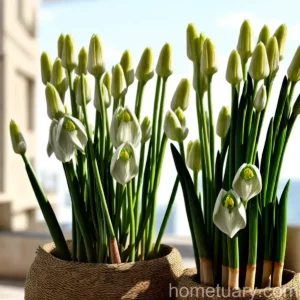
The Beauty of Hosta (Hosta ‘Vim and Vigor’)
Plants have a unique way of bringing life and beauty to any space. Whether it is a garden, a balcony, or a window sill, the presence of plants enhances the ambiance, and hostas are known for their lush foliage and versatility. In this blog post, we will explore the captivating world of hostas, with a special focus on the Hosta ‘Vim and Vigor’ variety. From its care and characteristics to its landscaping potential, we will delve into all aspects of this stunning plant.
What is a Hosta?
Hosta, commonly known as plantain lily, funkia, or giboshi, is a genus of plants native to northeast Asia. These herbaceous perennial plants are predominantly grown for their ornamental foliage and are popular in gardens and landscapes around the world. Hostas are recognized for their attractive leaves that come in a variety of shapes, sizes, and colors, making them a versatile choice for both beginner and experienced gardeners.
Hosta ‘Vim and Vigor’
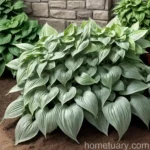
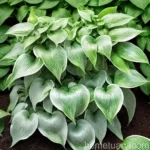
Hosta ‘Vim and Vigor’ is a cultivar that stands out for its remarkable characteristics. With its large, heart-shaped leaves, this hosta variety adds a touch of elegance to any outdoor setting. Its vibrant green foliage and impressive growth habit make it a sought-after choice for landscaping and garden enthusiasts.
Now, let’s delve deeper into the key takeaways related to hosta ‘Vim and Vigor’ and uncover the secrets of nurturing and appreciating this exceptional plant.
Key Takeaways – Hosta (Hosta ‘Vim and Vigor’)
Culture
Hosta ‘Vim and Vigor’ thrives in a semi-shaded environment and requires well-draining soil for optimum growth. Its cultural requirements are as follows:
-
Water: Hostas prefer consistently moist soil and benefit from regular watering, especially during dry periods. However, it is essential to avoid waterlogged conditions as they can lead to root rot.
-
Sunlight: While hostas are known for their ability to thrive in shaded areas, Hosta ‘Vim and Vigor’ exhibits a higher tolerance for sunlight compared to other hosta varieties. It flourishes in partial shade, receiving around 4-6 hours of indirect sunlight daily.
-
Fertilizer: A balanced, slow-release fertilizer applied in spring can promote healthy growth. However, excessive fertilization can lead to lush foliage, making the plant more susceptible to certain pests and diseases.
-
Soil: Well-draining, humus-rich soil with a slightly acidic to neutral pH is ideal for hostas. Amending the soil with organic matter enhances its texture and fertility, providing an optimal growing medium for hosta ‘Vim and Vigor’.
Pruning
Pruning hostas, including Hosta ‘Vim and Vigor’, primarily involves the removal of dead or yellowing leaves and flower stalks. Regular inspection of the plant allows for the timely removal of such foliage, maintaining the plant’s overall health and appearance.
Propagation
Hostas can be propagated through division, which involves separating the plant into smaller clumps and replanting them. Spring or fall is the ideal time for division, and the newly divided segments can be established in suitable locations.
Container Popularity
The compact nature of hostas, including Hosta ‘Vim and Vigor’, makes them well-suited for container gardening. They can be showcased on patios, balconies, or any space where ground planting is not feasible.
Common Diseases
While hostas are relatively low-maintenance, they are susceptible to certain diseases. Hosta ‘Vim and Vigor’ may encounter issues such as:
-
Crown Rot: This fungal disease can affect the crown of the plant, leading to wilting and decay. Proper soil drainage and adequate air circulation can help prevent this problem.
-
Foliar Nematodes: These microscopic pests can cause unsightly browning and streaking on the leaves. Removing and destroying infected foliage can help manage the spread of the nematodes.
Disease Diagnosis
Regular monitoring of the plant’s foliage and overall condition aids in the early detection of diseases. Identifying and addressing issues promptly is crucial for preventing the escalation of plant health problems.
Common Pests
Hostas, including Hosta ‘Vim and Vigor’, may attract certain pests, such as slugs, snails, and aphids. Vigilant inspection and the implementation of pest control measures, such as natural repellents or physical barriers, can help mitigate pest-related issues.
Botanist’s Tips
- Hostas benefit from a layer of mulch, which helps conserve soil moisture and suppress weed growth.
- Adequate spacing between hosta plants allows for good air circulation, reducing the risk of fungal diseases.
- Regular fertilization and soil amendment contribute to the overall vigor and beauty of hostas like Hosta ‘Vim and Vigor’.
Fun Facts
- The name “hosta” honors Austrian botanist Nicholas Thomas Host, who contributed significantly to the field of botany in the 18th century.
- Hostas are edible plants, and their young shoots are consumed in some Asian cuisines.
Now that we have explored the essential aspects of Hosta ‘Vim and Vigor’, let’s delve into some valuable resources for further information and support.
Links to External Resources
The American Hosta Society offers a wealth of information on hostas, including cultivation tips, variety selections, and regional resources. The Hosta Library serves as a comprehensive repository of hosta-related articles, images, and research, catering to enthusiasts and researchers alike.
In conclusion, hostas, especially the Hosta ‘Vim and Vigor’ variety, exemplify the allure of ornamental foliage plants. Their adaptability, captivating appearance, and relatively low maintenance make them a beloved choice for diverse gardening and landscaping endeavors. By understanding and implementing the best practices for hosta care and cultivation, individuals can derive immense joy from nurturing these exquisite plants. Whether used as focal points, ground cover, or container specimens, hostas have the remarkable ability to transform outdoor spaces into enchanting havens of greenery and tranquility.
The enduring charm of hostas continues to captivate the hearts of plant enthusiasts and nature lovers, reaffirming their place as beloved treasures in the world of ornamental gardening.