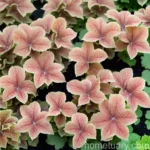
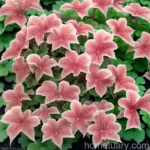
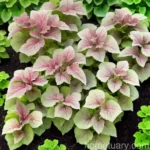
Coral Bells (Heuchera micrantha var. diversifolia ‘Absi’ BRESSINGHAM BRONZE): A Fascinating Perennial for Your Garden
What is the Coral Bells Plant?
Coral bells, scientifically known as Heuchera micrantha var. diversifolia ‘Absi’ BRESSINGHAM BRONZE, is a stunning perennial plant that is renowned for its attractive foliage and delicate flowers. The name “coral bells” is derived from the dainty, bell-shaped flowers that adorn the plant during the blooming season. This plant belongs to the Saxifragaceae family and is native to North America, particularly regions such as the Rocky Mountains and the woodlands of the Pacific Northwest.
Key Takeaways – Coral Bells (Heuchera micrantha var. diversifolia ‘Absi’ BRESSINGHAM BRONZE)
Before delving into the details of coral bells’ cultivation and care, let’s explore the key takeaways about this exquisite plant:
- It is a charming perennial plant with attractive, bell-shaped flowers.
- Heuchera micrantha var. diversifolia ‘Absi’ BRESSINGHAM BRONZE is known for its stunning bronze foliage.
- Coral bells are versatile and can be used in various landscaping designs, from borders to containers.
- This plant thrives in partial to full shade, offering a unique choice for gardens with limited sunlight.
- It is a low-maintenance plant, making it an excellent option for both novice and experienced gardeners.
Now that we’ve established an overview of the coral bells plant, let’s delve into the intricate details of its culture, uses, and care requirements.
Culture
Uses
Coral bells are prized for their ornamental value, offering a plethora of uses in both residential and public landscapes. Some common applications of coral bells include:
- Accentuating garden borders
- Enhancing container gardens
- Adorning shaded areas with their colorful foliage
- Attracting pollinators such as butterflies and hummingbirds
The versatility of coral bells makes them a valuable addition to any garden, irrespective of its size or style.
Water
Proper watering is essential for the health and vitality of coral bells. Adequate moisture levels are crucial, especially during the plant’s establishment phase and in periods of extreme heat. However, it’s important to avoid overwatering, as excessive moisture can lead to root rot and other detrimental conditions.
Watering Guidelines:
– Regular, consistent watering, especially during dry spells
– Well-draining soil to prevent waterlogging
– Mulching around the plant to retain soil moisture
– Monitoring soil moisture levels to prevent both drought stress and waterlogging
Sunlight
Coral bells are well-suited to partial to full shade conditions, making them an ideal choice for gardens with limited sunlight. However, some varieties can tolerate more sun exposure, particularly in cooler climates. When selecting a planting location for coral bells, it’s essential to consider their sunlight requirements and find a suitable spot that aligns with their preferences.
Sunlight Requirements:
– Partial to full shade for optimal growth
– Some cultivars may tolerate more sunlight, especially in cooler regions
– Protection from intense midday sun to prevent leaf scorching
Fertilizer
Proper fertilization contributes to the overall health and vigor of coral bells, supporting robust foliage and vibrant blooms. When applying fertilizers, it’s crucial to use products that are specifically formulated for flowering perennials and to follow the recommended application rates.
Fertilization Guidelines:
– Balanced, slow-release fertilizer in early spring
– Avoid excessive nitrogen to prevent foliage overgrowth at the expense of blooms
– Organic fertilizers that promote overall soil health and microbial activity
Soil
The soil composition plays a pivotal role in the growth and development of coral bells. Well-draining, nutrient-rich soil is essential for maintaining healthy plants and preventing issues related to waterlogging and poor root aeration.
Optimal Soil Conditions:
– Well-draining, loamy soil with good aeration
– Neutral to slightly acidic soil pH (6.0-7.0)
– Organic matter incorporation to enhance soil fertility and structure
– Regular soil testing to monitor pH levels and nutrient content
Pruning
Pruning is a vital aspect of coral bells’ maintenance, promoting tidy growth and enhancing the plant’s overall appearance. Proper pruning also helps to remove diseased or damaged foliage and encourages the development of new leaves and flowers.
Pruning Practices:
– Removal of spent flower stems and dead foliage
– Pruning to maintain an attractive, compact form
– Sterilization of pruning tools to prevent disease spread
– Timing pruning activities after the blooming period to minimize stress on the plant
Propagation
Coral bells can be propagated through various methods, including division, seed sowing, and stem cuttings. Each propagation technique has its unique requirements and considerations, offering gardeners the flexibility to choose the most suitable approach based on their preferences and resources.
Propagation Methods:
– Division of mature plants in early spring
– Seed propagation for genetic diversity and new cultivar development
– Stem cuttings to propagate specific characteristics and traits
– Proper care and monitoring of propagation efforts to ensure high success rates
Container Popularity
Coral bells’ compact size and ornamental foliage make them an excellent choice for container gardening. Their adaptability to partial shade conditions further enhances their appeal for container cultivation, catering to a wide range of gardeners, including those with limited outdoor space and urban dwellers.
Container Gardening Considerations:
– Selection of well-draining, appropriately sized containers
– Use of high-quality potting mix with adequate drainage
– Regular watering and monitoring of soil moisture levels in containers
– Placement in shaded or semi-shaded areas to maintain optimal growing conditions
Common Diseases
Despite being generally resistant to many diseases, coral bells can be susceptible to certain issues, primarily related to moisture and environmental stress. Understanding the common diseases associated with this plant is essential for timely identification and effective management.
Disease Diagnosis
- Powdery Mildew: Characterized by a white, powdery growth on the foliage, especially during periods of high humidity.
- Crown Rot: Manifests as discolored, water-soaked lesions at the base of the plant, often caused by waterlogged soil or poor drainage.
- Rust: Identified by orange spore masses on the underside of leaves, typically triggered by prolonged leaf wetness and high humidity.
- Leaf Spot: Causes dark, irregular spots on the foliage, often exacerbated by overhead watering and poor air circulation.
Common Pests
Coral bells are relatively resistant to pest infestations, but certain insects may pose occasional challenges to their health and vigor. Recognizing and addressing pest issues promptly is crucial for preserving the plant’s ornamental value and overall well-being.
Pest Management Strategies
- Aphids: Regular monitoring and use of insecticidal soaps to control aphid populations
- Snails and Slugs: Implementation of physical barriers and organic control methods to limit damage
- Vine Weevil: Inspection of root systems and targeted soil drench treatments for effective control
Botanist’s Tips
As a botanist specializing in ornamental plants, I’ve collected a repertoire of valuable tips for cultivating and caring for coral bells to ensure their optimal growth and longevity:
- Mulching: Apply a layer of organic mulch around the plant to conserve soil moisture and suppress weed growth.
- Air Circulation: Ensure adequate spacing between coral bells plants to promote proper air circulation and reduce the risk of foliar diseases.
- Winter Protection: Provide a layer of mulch or protective covering during the winter to shield the plant’s crown from extreme cold and frost.
- Selective Pruning: Engage in selective pruning to remove damaged or discolored foliage while preserving the plant’s natural form and aesthetic appeal.
- Soil Amendment: Regularly incorporate organic matter into the soil to enhance its fertility and structure, supporting healthy root development.
Fun Facts
- The cultivar ‘BRESSINGHAM BRONZE’ is named after Bressingham Gardens, a renowned horticultural establishment in England famous for its diverse plant collections.
- Coral bells are known to attract various pollinators, contributing to the ecological balance and biodiversity of garden ecosystems.
- Different coral bells varieties exhibit a wide array of foliage colors, ranging from rich greens to vibrant purples and bronzes, offering a captivating visual display in garden settings.
Links to External Resources
For further information on coral bells and related topics, explore the following external resources:
- Royal Horticultural Society – Heuchera micrantha
- University of Minnesota Extension – Coral Bells for Northern Gardens
In conclusion, the captivating allure of coral bells (Heuchera micrantha var. diversifolia ‘Absi’ BRESSINGHAM BRONZE) transcends its ornamental value, making it a quintessential addition to diverse garden landscapes. As a plant scientist, I encourage fellow enthusiasts to embrace the beauty and resilience of this perennial plant, fostering its growth with the utmost care and admiration. Whether adorning garden borders, enhancing container displays, or enlivening shaded areas, coral bells stand as a testament to nature’s splendor and the joys of horticultural pursuits.
Remember to revel in the multifaceted marvel of coral bells, celebrating not only their aesthetic charm but also their ecological contributions and enduring presence in the realm of ornamental plants.