Understanding hosta (Hosta ‘City Lights’)
Hosta, commonly known as plantain lilies, is a perennial plant that is loved by gardeners for its beautiful foliage and ability to thrive in shady areas. One popular variety of hosta is the Hosta ‘City Lights’, a cultivar that stands out with its striking foliage and adaptability to different growing conditions. In this comprehensive guide, we will delve into the various aspects of this remarkable plant, including its care, uses, characteristics, growth habits, diseases, and pests.
Key Takeaways – hosta (Hosta ‘City Lights’)
- Plant Name: hosta (Hosta ‘City Lights’)
- Common Name: plantain lily
- Scientific Name: Hosta ‘City Lights’
- Family: Asparagaceae
- Hardiness Zone: 3-9
- Mature Size: 15-20 inches in height, 24-36 inches in spread
- Exposure: Partial to full shade
- Soil: Well-draining, fertile soil
- Uses: Shade gardens, borders, containers, and landscaping
What is hosta (Hosta ‘City Lights’)?
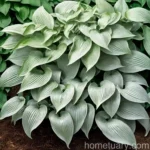
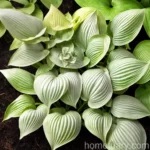
Hosta ‘City Lights’ is a striking cultivar known for its large, heart-shaped leaves and its ability to brighten up shady areas. It is a clump-forming perennial that produces attractive foliage and occasional pale lavender flowers. With its vibrant green leaves and prominent veining, the ‘City Lights’ cultivar adds a touch of elegance to any garden or landscape.
Characteristics of Hosta ‘City Lights’
Some key characteristics of the Hosta ‘City Lights’ include:
– Large, heart-shaped leaves with prominent veining
– Vibrant green foliage
– Pale lavender flowers on tall scapes
– Clump-forming habit
– Partial to full shade requirement
Hosta ‘City Lights’ is valued for its ability to thrive in shady conditions, making it a popular choice for gardens with limited sunlight. Its tolerance for shade and diverse landscape uses make it a valuable addition to any garden or landscape design.
Culture
Uses
Hosta ‘City Lights’ has a wide range of uses in gardening and landscaping, including:
– Shade gardens: The plant’s ability to thrive in low-light conditions makes it ideal for creating lush and visually appealing shade gardens.
– Borders: Hosta ‘City Lights’ can be used to create defined borders and edges in garden beds, adding a touch of elegance to the landscape.
– Containers: Its compact size and attractive foliage make it a perfect choice for container gardening, whether on patios, balconies, or in courtyards.
– Landscaping: The vibrant green foliage and clump-forming nature of Hosta ‘City Lights’ make it a versatile landscaping plant, suitable for various design styles and applications.
Water
Proper watering is essential for the optimal growth of Hosta ‘City Lights’. While it can tolerate dry conditions once established, regular watering is recommended, especially during dry spells. Water the plant deeply, ensuring that the soil is evenly moist but not waterlogged. A layer of mulch around the base of the plant can help retain soil moisture and regulate the soil temperature.
Sunlight
Hosta ‘City Lights’ thrives in partial to full shade. It should be planted in locations where it can receive dappled sunlight or filtered shade, especially during the hottest part of the day. Direct, intense sunlight can scorch the leaves and affect the overall health and appearance of the plant.
Fertilizer
Applying a balanced, slow-release fertilizer in the spring can help promote the growth and vitality of Hosta ‘City Lights’. Choose a fertilizer specifically formulated for flowering perennials or general use in ornamental plants. Avoid using high-nitrogen fertilizers, as they can promote lush foliage growth at the expense of flower production.
Soil
Hosta ‘City Lights’ thrives in well-draining, fertile soil with a slightly acidic to neutral pH. Amending the soil with organic matter, such as compost or well-rotted manure, can improve its texture, fertility, and water-holding capacity. Ensure that the planting site has good drainage to prevent waterlogged conditions, which can lead to root rot and other issues.
Pruning
Pruning requirements for Hosta ‘City Lights’ are minimal, as the plant generally maintains a neat and compact growth habit. However, removing spent flower scapes and any damaged or yellowing leaves can help improve the plant’s appearance and overall health. Pruning can be carried out as needed throughout the growing season, using clean and sharp garden pruners to make precise cuts without causing unnecessary damage to the plant.
Propagation
There are several methods of propagating Hosta ‘City Lights’ to expand your plant collection or share it with fellow gardening enthusiasts:
– Division: The most common and reliable method of propagation for hostas, division involves separating the plant into smaller clumps, each containing viable roots and shoots. This process is typically carried out in early spring before new growth emerges or in the fall after the foliage has died back.
– Seed sowing: While it is possible to grow hostas from seeds, it is a more time-consuming and unpredictable method of propagation compared to division. Seeds should be collected from mature pods and sown in a well-prepared seed-starting mix. Keep the soil consistently moist and provide adequate warmth and light for successful germination.
Container Popularity
Hosta ‘City Lights’ is a popular choice for container gardening due to its compact size, attractive foliage, and adaptability to shade. When grown in containers, this cultivar adds a touch of lush greenery to patios, balconies, and other outdoor living spaces. Choose a container with drainage holes, fill it with well-draining potting mix, and position the plant in a shaded area to ensure its health and vigor.
Container Maintenance
Container-grown hostas require regular watering to keep the soil consistently moist. During the growing season, you can also apply a diluted liquid fertilizer every few weeks to provide essential nutrients for healthy growth. Monitor the plant for signs of pests or diseases, and take prompt action to address any issues that may arise.
Common Diseases
Hosta ‘City Lights’ is generally a robust and disease-resistant plant, but it can occasionally be affected by certain fungal and bacterial diseases. Some common diseases that may impact hostas include:
– Fungal leaf spot: This can cause dark spots or lesions on the foliage, leading to overall decline if left untreated. Improve air circulation and avoid overhead watering to reduce the risk of fungal infections.
– Crown rot: This can occur in poorly drained soil or as a result of excessive moisture around the base of the plant. Plant hostas in well-draining soil and avoid overwatering to prevent crown rot.
– Slime mold: While not harmful to the plant, slime mold can appear on the surface of the soil as a result of excess moisture and organic matter. It can be easily removed and discarded to maintain the plant’s aesthetic appeal.
Disease Diagnosis
When diagnosing and treating diseases in Hosta ‘City Lights’, it is important to closely inspect the plant for symptoms such as leaf discoloration, wilting, or unusual growths. Proper cultural practices, including providing adequate air circulation, avoiding overwatering, and maintaining clean garden tools, can help prevent the onset and spread of diseases.
Common Pests
While hostas are relatively pest-resistant, they can still be targeted by certain insects and pests. Common pests that may affect Hosta ‘City Lights’ include:
– Slugs and snails: These pests are attracted to the lush foliage of hostas and can cause visible damage by feeding on the leaves. Implementing slug and snail control measures, such as physical barriers or organic deterrents, can help protect the plants from these pests.
– Deer: In areas with a high deer population, hostas may be susceptible to browsing and damage. Employ deterrents or protective measures to safeguard the plants from deer feeding.
Pest Control
Controlling pests on Hosta ‘City Lights’ can be achieved through various methods, including:
– Manual removal: Handpicking slugs and snails from the foliage and soil around the plant can help reduce their population and minimize damage.
– Cultural practices: Implementing good garden hygiene, such as removing fallen leaves and debris, can discourage pests from taking up residence near hostas.
– Natural predators: Encouraging natural predators, such as birds and beneficial insects, can help keep pest populations in check.
Botanist’s Tips
- Shade preferences: Select planting locations that provide partial to full shade, as Hosta ‘City Lights’ thrives in low-light conditions and prefers protection from the hot afternoon sun.
- Soil preparation: Prior to planting, ensure that the soil is well-draining and enriched with organic matter to provide an ideal growing environment for the hosta.
- Moisture management: Maintain consistent soil moisture, as Hosta ‘City Lights’ benefits from regular watering during dry periods, especially in the absence of natural rainfall.
Fun Facts
- Hosta ‘City Lights’ is a hybrid hosta that was developed for its remarkable foliage and adaptability to shaded settings.
- The plant is not only prized for its ornamental value but is also utilized in traditional medicine for its purported medicinal properties.
Links to External Resources
For more information on Hosta ‘City Lights’, its care, and landscaping uses, you may find the following resources helpful:
– American Hosta Society
– The Hosta Library
– University Extension Resources for Hostas
In this comprehensive guide, we have explored the various aspects of Hosta ‘City Lights’, from its characteristics and culture to common diseases and pests. Whether you are planning to add this beautiful cultivar to your shade garden, container display, or landscape design, understanding its care and requirements is essential for its successful growth and long-term health. By following the guidelines outlined in this guide, you can enjoy the beauty and resilience of Hosta ‘City Lights’ in your outdoor spaces.