The Enigmatic Hosta (Hosta ‘Blue Mammoth’): A Guide to Cultivation and Care
Hostas are prized garden plants known for their gorgeous foliage and tolerance for shade. Among the numerous varieties, Hosta ‘Blue Mammoth’ stands out with its striking appearance and versatility in landscaping. In this comprehensive guide, we will explore the essential aspects of cultivating and caring for Hosta ‘Blue Mammoth’, including its cultural requirements, uses, propagation, common diseases, and pests. Whether you are a novice gardener or a seasoned plant enthusiast, this guide will provide valuable insights into maximizing the potential of this beautiful plant.
What is Hosta (Hosta ‘Blue Mammoth’)?
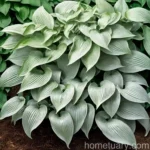
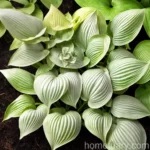
Hosta, commonly known as plantain lily, is a genus of perennial plants native to East Asia. It belongs to the family Asparagaceae and is widely cultivated for its ornamental foliage. Hostas are renowned for their diverse leaf shapes, colors, and textures, making them popular choices for gardens, landscapes, and container arrangements. The Hosta ‘Blue Mammoth’ cultivar is particularly cherished for its large, blue-green leaves and robust growth habit, adding a majestic presence to any garden setting.
Key Takeaways – Hosta (Hosta ‘Blue Mammoth’)
The Hosta ‘Blue Mammoth’ presents a captivating blend of ornamental features and easy maintenance, making it a favorite among gardeners and landscapers. Here are the key takeaways to guide you through understanding and nurturing this remarkable plant:
- Culture:
- Hosta ‘Blue Mammoth’ is a low-maintenance perennial that thrives in shaded or partially shaded areas.
- It is valued for its impressive foliage and adaptability to various soil conditions.
-
This cultivar is renowned for its robust growth, making it an excellent choice for filling in garden borders and creating lush ground covers.
-
Uses:
- Hosta ‘Blue Mammoth’ is a versatile landscaping plant, suitable for borders, mass plantings, and woodland gardens.
-
It excels as a foliage accent, providing contrasting textures and colors in mixed plantings alongside other shade-tolerant species.
-
Water:
- Adequate moisture is crucial for the optimal growth of Hosta ‘Blue Mammoth’.
-
Regular watering, particularly during dry spells, helps maintain its lush foliage and overall vigor.
-
Sunlight:
- This cultivar thrives in partial to full shade, although some morning sun can be beneficial in cooler climates.
-
Protecting it from intense afternoon sun is essential to prevent leaf scorch and maintain the characteristic blue-green hue.
-
Fertilizer:
- Applying a balanced, slow-release fertilizer in spring can promote vigorous growth and enhance the color of the foliage.
-
Organic mulches can be used to enrich the soil and conserve moisture, contributing to the plant’s overall health.
-
Soil:
- Hosta ‘Blue Mammoth’ prefers well-draining, humus-rich soil with a slightly acidic to neutral pH.
-
Amending the soil with organic matter such as compost or leaf mold can improve its texture and fertility, creating an optimal environment for the plant’s development.
-
Pruning:
-
Regular removal of spent flower stalks and damaged or yellowing leaves can maintain the plant’s aesthetic appeal and promote airflow, reducing the risk of diseases.
-
Propagation:
-
Division is the primary method for propagating Hosta ‘Blue Mammoth’, typically carried out in early spring or fall to rejuvenate overcrowded clumps and establish new plantings.
-
Container Popularity:
-
Hosta ‘Blue Mammoth’ is well-suited for container gardening, offering an attractive option for shaded patios, balconies, and outdoor living spaces.
-
Common Diseases:
-
While generally resistant to diseases, Hosta ‘Blue Mammoth’ may be susceptible to foliar nematodes and certain fungal infections, particularly under conditions of high humidity or poor air circulation.
-
Common Pests:
- The plant may attract slugs and snails, which can cause damage to the foliage, especially in damp environments. Implementing effective control measures is essential to safeguard its growth.
Now that we have highlighted the key points, let’s delve deeper into each aspect of cultivating and caring for Hosta ‘Blue Mammoth’.
The Allure of Hosta ‘Blue Mammoth’
The allure of Hosta ‘Blue Mammoth’ lies in its striking characteristics and adaptability to various garden settings. As a hosta enthusiast or a curious gardener exploring new possibilities, understanding the intricacies of its cultivation and care is vital to unlock its full potential.
Culture
Hosta ‘Blue Mammoth’ is celebrated for its remarkable attributes, contributing to its widespread popularity in horticulture. When you introduce this cultivar to your garden or landscape, consider the following cultural requirements to ensure its optimal growth and vitality:
-
Shade Tolerance: Hosta ‘Blue Mammoth’ thrives in shaded or partially shaded locations, making it a perfect choice for areas with limited sunlight. While it can tolerate some morning sun, providing protection from intense afternoon sun is essential to prevent leaf scorch and maintain the characteristic blue-green foliage.
-
Soil Preferences: The plant prefers well-draining, humus-rich soil with a slightly acidic to neutral pH. Amending the soil with organic matter, such as compost or leaf mold, can enhance its texture and fertility, creating favorable conditions for the plant to flourish.
-
Moisture Requirements: Adequate moisture is crucial for the optimal growth of Hosta ‘Blue Mammoth’. Regular watering, especially during dry periods, is essential to sustain its lush foliage and overall health. Mulching can help retain soil moisture and regulate temperature, providing a conducive environment for the plant’s development.
-
Robust Growth Habit: Known for its robust growth, this cultivar has the potential to fill in garden borders and create lush ground covers, adding depth and texture to the landscape. Its impressive foliage and adaptability to various soil conditions make it an invaluable addition to any garden setting.
Uses
The versatility of Hosta ‘Blue Mammoth’ extends beyond its striking appearance, offering a range of uses in both formal and informal garden designs. Consider the following applications to maximize the potential of this captivating cultivar:
-
Landscaping Accent: The plant excels as a foliage accent, providing contrasting textures and colors in mixed plantings alongside other shade-tolerant species. Whether used in borders, mass plantings, or woodland gardens, its majestic presence adds dimension and visual interest to the landscape.
-
Container Gardening: Hosta ‘Blue Mammoth’ is well-suited for container gardening, making it an attractive option for shaded patios, balconies, and outdoor living spaces. Its lush foliage and low-maintenance nature make it an ideal choice for creating captivating container arrangements, adding an elegant touch to urban or compact settings.
-
Foliage Contrast: The distinctive blue-green leaves of Hosta ‘Blue Mammoth’ make it an excellent choice for creating striking contrasts and focal points in garden designs. When combined with plants featuring complementary foliage colors and textures, it contributes to the overall aesthetics of the garden, creating visually appealing compositions.
Water
Proper watering practices are essential for maintaining the vigor and lush foliage of Hosta ‘Blue Mammoth’. By understanding its water needs and implementing effective watering strategies, you can ensure the plant’s health and vitality throughout the growing season:
-
Moisture Regulation: Hosta ‘Blue Mammoth’ thrives in consistently moist soil, necessitating regular watering, particularly during dry spells. While the plant tolerates shade and adapts well to various soil conditions, providing adequate moisture is crucial to sustain its growth and overall appearance.
-
Mulching Benefits: Applying organic mulches, such as compost, bark chips, or shredded leaves, around the base of the plant can help conserve soil moisture, regulate temperature, and suppress weed growth. Mulching also contributes to the improvement of soil structure and fertility, creating a conducive environment for the plant’s development.
-
Watering Practices: When watering the plant, aim to moisten the soil thoroughly without causing waterlogging, as excessive moisture can lead to root rot and other complications. During hot and dry periods, pay close attention to the moisture levels, adjusting the frequency and volume of watering based on the plant’s needs.
Sunlight
Understanding the sunlight requirements of Hosta ‘Blue Mammoth’ is essential for determining the optimal planting locations and ensuring its long-term health and vitality. By providing suitable conditions, you can safeguard the plant from potential stressors and maximize its ornamental value:
-
Shade Preference: Hosta ‘Blue Mammoth’ thrives in partial to full shade, making it an excellent choice for shaded areas of the garden. While it can tolerate some morning sun, providing protection from intense afternoon sun is crucial to prevent leaf scorch and maintain the characteristic blue-green hue of the foliage.
-
Sun Exposure Guidelines: When selecting planting sites, consider the intensity and duration of sunlight in the area, as well as the presence of nearby trees or structures that may provide shade during certain times of the day. Observing the sun exposure patterns will help you identify suitable locations for nurturing the plant.
-
Morning Sun Benefits: In cooler climates, some morning sun exposure can be beneficial for Hosta ‘Blue Mammoth’, contributing to the plant’s overall vigor and enhancing the coloration of its foliage. However, it is essential to monitor the plant’s response to sunlight and ensure that it remains protected from excessive heat and light intensity.
Fertilizer
Applying appropriate fertilizers and soil amendments can significantly enhance the growth and ornamental qualities of Hosta ‘Blue Mammoth’. By understanding the nutritional needs of the plant and implementing effective fertilization strategies, you can promote vigorous growth and vibrant foliage coloration:
-
Balanced Nutrition: Providing a balanced, slow-release fertilizer in spring can supply essential nutrients to the plant, supporting its overall development and enhancing the coloration of the foliage. Select a fertilizer with a balanced NPK ratio, enriched with micronutrients for comprehensive plant nutrition.
-
Organic Enrichment: Incorporating organic matter, such as well-rotted compost, aged manure, or leaf mold, into the soil can improve its structure, fertility, and moisture-holding capacity. Organic amendments contribute to the long-term health of the plant and create a conducive environment for robust growth.
-
Mulching Benefits: Organic mulches, when applied around the base of the plant, can gradually decompose and release nutrients into the soil, enriching its fertility and supporting the plant’s nutritional requirements. Mulching also helps conserve soil moisture and provide insulation for the root system, contributing to the overall health of the plant.
Soil
The soil composition and structure play a vital role in the growth and performance of Hosta ‘Blue Mammoth’. By understanding the soil preferences of the plant and implementing appropriate soil management practices, you can create an optimal growing environment and ensure its long-term vitality:
-
Drainage Considerations: Hosta ‘Blue Mammoth’ prefers well-draining soil, as excessive moisture retention can lead to root rot and other complications. Amending the soil with organic matter, such as compost, leaf mold, or peat moss, can improve its drainage and aeration, creating a favorable environment for the plant’s roots.
-
pH Requirements: The plant thrives in slightly acidic to neutral soil conditions, with a pH range of 6.0 to 7.5 being optimal for its growth. Conduct a soil test to assess the pH and nutrient levels, and adjust the soil composition as needed to create a balanced and conducive environment for the plant.
-
Organic Enrichment: Incorporating organic matter, such as compost, well-rotted manure, or leaf mold, into the soil can enhance its fertility, structure, and nutrient-holding capacity. Organic amendments contribute to the long-term health of the plant and support its vigorous growth and development.
“`
Table 1: Soil Requirements for Hosta ‘Blue Mammoth’
| Soil Type | Well-draining, humus-rich soil |
|---|---|
| Drainage | Good |
| pH Range | Slightly acidic to neutral (6.0-7.5) |
| Organic Matter | Compost, leaf mold, aged manure |
“`
Pruning
Pruning plays a crucial role in maintaining the health and appearance of Hosta ‘Blue Mammoth’. By implementing effective pruning techniques, you can promote air circulation, minimize disease risks, and ensure the plant’s aesthetic appeal throughout the growing season:
-
Removing Spent Blooms: Regularly deadheading or removing spent flower stalks can divert the plant’s energy towards foliage growth, contributing to the lush appearance and overall vigor of Hosta ‘Blue Mammoth. Additionally, it prevents the formation of seedpods, which can drain the plant’s resources.
-
Trimming Yellowed Leaves: Periodically trimming yellowing or damaged leaves can enhance the plant’s aesthetic appeal and promote airflow, reducing the risk of fungal infections and foliar diseases. Prune the affected leaves close to the base of the plant, using sanitized pruning shears to minimize the spread of pathogens.
-
Division Considerations: Performing division every few years can rejuvenate overcrowded clumps of Hosta ‘Blue Mammoth’, promoting new growth and revitalizing the plant’s vigor. Dividing the plant in early spring or fall allows you to establish new plantings and prevent the depletion of resources within the existing clumps.
Propagation
Understanding the propagation methods for Hosta ‘Blue Mammoth’ is essential for expanding its presence in the garden and sharing its beauty with fellow gardening enthusiasts. By mastering the techniques of division and propagation, you can create new plantings and enrich your garden with this captivating cultivar:
-
Division Technique: Division is the primary method for propagating Hosta ‘Blue Mammoth’, typically performed in early spring or fall when the plant is dormant. During division, carefully separate the clumps into smaller sections, ensuring that each division has sufficient roots and healthy foliage for successful establishment.
-
Replanting New Divisions: After dividing the plant, replant the new divisions at the desired locations, ensuring adequate spacing and optimal soil conditions. Water the newly planted divisions thoroughly to promote root establishment and support their adaptation to the garden environment.
-
Propagation Vigor: By propagating Hosta ‘Blue Mammoth’ through division, you can rejuvenate existing plantings, expand its presence in the garden, and introduce this captivating cultivar to new areas of your landscape. Share the divided sections with fellow gardeners, fostering a culture of plant appreciation and community involvement.
The propagation of Hosta ‘Blue Mammoth’ through division offers the opportunity to nurture new plantings and contribute to the diversity of garden landscapes. By mastering the techniques of division and propagation, you can unlock the potential of this beautiful cultivar and create captivating arrangements in your garden.
Container Popularity
Hosta ‘Blue Mammoth’ is well-suited for container gardening, offering an attractive option for shaded patios, balconies, and outdoor living spaces. When cultivating this spectacular plant in containers, consider the following guidelines to ensure its optimal growth and ornamental value:
-
Container Selection: Choose spacious containers with adequate drainage holes to accommodate the growth habit and root system of Hosta ‘Blue Mammoth’. Select containers made of durable, weather-resistant materials, ensuring that they complement the aesthetics of the plant and the surrounding environment.
-
Potting Mix Quality: Use a well-draining, high-quality potting mix suitable for shade-loving plants when planting Hosta ‘Blue Mammoth’ in containers. The potting mix should provide optimal aeration, moisture retention, and essential nutrients to support the plant’s growth and overall health.
-
Watering Consistency: Monitor the soil moisture levels in the container regularly and ensure consistent watering to sustain the vigor and lush foliage of Hosta ‘Blue Mammoth. Container-grown plants may require more frequent watering, particularly during hot and dry periods, to maintain their vitality.
-
Fertilization Regimen: Incorporate a balanced, slow-release fertilizer into the potting mix in spring to supply essential nutrients to the plant. Regularly fertilize the plant as recommended, ensuring that it receives adequate nutrition to support vigorous growth and vibrant foliage coloration.
-
Shade Considerations: Position the containers in shaded or partially shaded areas, protecting the plant from intense afternoon sun exposure. By providing suitable shade conditions, you can safeguard the plant’s health and ornamental value, enhancing its presence in container arrangements.
Common Diseases
While generally resilient, Hosta ‘Blue Mammoth’ may be susceptible to certain diseases under unfavorable growing conditions or environmental stressors. By recognizing the signs of common diseases and implementing preventive measures, you can safeguard the plant’s health and ensure its longevity in the garden:
-
Foliar Nematodes: Hosta ‘Blue Mammoth’ may be susceptible to foliar nematodes, which can cause characteristic symptoms such as stippling, streaking, and yellowing of the foliage. Monitor the plant regularly for signs of nematode infestation, and promptly remove and destroy affected leaves to mitigate the spread of the pests.
-
Fungal Infections: Certain fungal diseases, such as leaf spot and crown rot, may affect Hosta ‘Blue Mammoth, particularly under conditions of high humidity, poor air circulation, or overcrowding. Implementing proper spacing, good sanitation practices, and adequate airflow can help prevent fungal infections and maintain the plant’s health.
-
Preventive Care: To minimize the risk of diseases, ensure proper cultural practices, such as providing adequate shade, maintaining soil moisture, and promoting good airflow around the plant. Regular monitoring, prompt removal of diseased foliage, and appropriate watering and fertilization can contribute to the overall vigor and disease resistance of Hosta ‘Blue Mammoth’.
Disease Diagnosis
Proper diagnosis of diseases in Hosta ‘Blue Mammoth’ is essential for implementing effective control measures and preventing the spread of infections. By recognizing the symptoms and signs of common diseases, you can take proactive steps to protect the plant and maintain its ornamental value:
-
Stippling and Discoloration: Symptoms of foliar nematode infestation may include stippling, streaking, and yellowing of the foliage, typically observed in patterns across the leaves. These signs indicate a potential nematode problem, necessitating prompt action to mitigate the spread and preserve the plant’s health.
-
Leaf Spot and Lesions: Fungal infections may manifest as leaf spot lesions, which appear as discolored, dead areas on the foliage. These lesions can spread and merge, leading to extensive damage and compromise of the plant’s health. Identifying and addressing fungal infections early is crucial to preventing further deterioration of the plant.
-
Crown and Root Symptoms: In cases of crown rot or root diseases, the plant may exhibit wilting, yellowing, and stunted growth, indicating underlying issues affecting the root system. Diagnostic measures, such as inspecting the roots and crowns for discoloration and decay, can aid in identifying and addressing these conditions.
Common Pests
Hosta ‘Blue Mammoth’ may attract certain pests, particularly in moist and shaded environments, necessitating vigilant monitoring and effective pest management strategies. By identifying common pests and implementing preventive measures, you can protect the plant and preserve its ornamental value:
-
Slugs and Snails: These mollusks are notorious for causing damage to hosta foliage, feeding on the lush leaves and leaving behind characteristic holes and trails. Implementing control measures, such as handpicking, barriers, or organic deterrents, can help protect the plant from slug and snail infestations.
-
Pest Vigilance: Regularly inspect the foliage