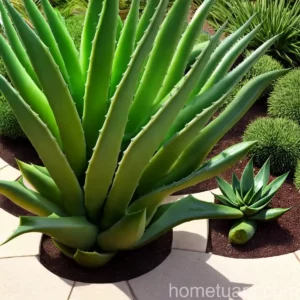
Plant Name: Daylily (Hemerocallis ‘Apricot’)
What is a Daylily?
Daylilies are perennial flowering plants belonging to the genus Hemerocallis and are known for their attractive and showy blooms. These plants are native to Asia, primarily China, Korea, and Japan, and have become popular ornamental plants in gardens around the world due to their hardiness, adaptability, and the wide range of colors and forms they offer.
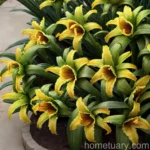
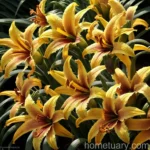
One popular cultivar of daylily is the Hemerocallis ‘Apricot’, renowned for its charming apricot-colored blooms. In this comprehensive guide, we will delve into the culture, uses, care, and maintenance of the daylily ‘Apricot’ cultivar, offering insights into creating a thriving and beautiful garden with this stunning plant.
Key Takeaways – Daylily (Hemerocallis ‘Apricot’)
Before we delve into the specifics of caring for the Hemerocallis ‘Apricot’, let’s highlight some key takeaways about this daylily cultivar:
- Scientific Name: Hemerocallis ‘Apricot’
- Common Name: Apricot Daylily
- Plant Type: Perennial
- Flower Color: Apricot
- Sunlight: Full Sun to Partial Shade
- Watering: Moderate
- Soil Type: Well-draining
- Uses: Borders, Landscaping, Container Gardens
- Propagation: Division, Seeds
- Hardiness: Zones 3-9
With these key takeaways in mind, let’s explore the culture, uses, care, and maintenance guidelines for the Hemerocallis ‘Apricot’ daylily in detail.
Culture
Water
Daylilies, including the ‘Apricot’ variety, require regular watering, especially during dry spells or drought conditions. However, it’s essential to ensure that the soil has good drainage to prevent waterlogged conditions, which can lead to root rot. Adequate moisture is particularly crucial during the blooming season to support the development of vibrant and healthy flowers.
Sunlight
Daylilies thrive in full sun to partial shade conditions. For optimal growth and abundant flowering, it is recommended to provide the ‘Apricot’ cultivar with at least 6 hours of direct sunlight daily. In hotter regions, partial shade during the hottest part of the day can help prevent stress on the plants.
Fertilizer
Fertilizing daylilies can contribute to healthier plants and enhanced blooming. Before the growing season begins, applying a balanced, slow-release fertilizer can provide the necessary nutrients for vigorous growth and prolific flowering. Additionally, a light application of fertilizer after the first bloom cycle can further promote the development of new scapes (flower stalks) and blooms.
Soil
Well-draining soil is essential for daylilies, including the ‘Apricot’ variety. Amending the soil with organic matter such as compost can improve its structure, fertility, and moisture retention capabilities. A slightly acidic to neutral soil pH range of 6.0-7.0 is suitable for optimal growth and nutrient uptake.
Pruning
Pruning daylilies involves the removal of spent flower scapes and dead foliage to maintain plant cleanliness and encourage continuous blooming. Once the blooms have withered, deadheading – the removal of faded flowers – can prevent the plants from expending energy on seed production and encourage the development of new flower scapes. In late fall or early spring, trimming back the foliage to a few inches above the ground can help rejuvenate the plants for the coming growing season.
Propagation
The Hemerocallis ‘Apricot’ cultivar can be propagated through division of mature clumps or via seeds. Dividing established clumps every few years not only helps in rejuvenating the plants but also offers the opportunity to multiply the collection. Seeds can also be collected from the spent flower pods and sown to grow new plants, though the resulting seedlings may display variations in characteristics compared to the parent plant.
Container Popularity
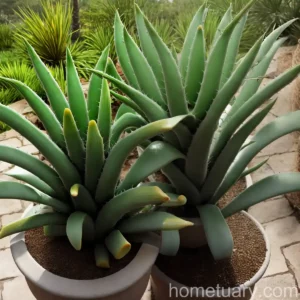
Daylilies, including the ‘Apricot’ variety, are popular choices for container gardens. Their clumping growth habit and striking blooms make them excellent candidates for adding color and interest to patios, balconies, and outdoor living spaces. When growing daylilies in containers, it is crucial to select a pot with adequate drainage holes and use a well-draining potting mix. Regular watering and fertilization are essential for container-grown daylilies to support their growth and blooming.
Common Diseases
Like many plants, daylilies are susceptible to certain diseases and pests. Understanding common diseases and their diagnosis is crucial for maintaining the health and vigor of the ‘Apricot’ cultivar and other daylily varieties.
Disease Diagnosis
1. Crown Rot: Symptoms include wilting foliage, yellowing leaves, and decay at the crown of the plant. To prevent crown rot, it’s essential to maintain proper soil drainage and avoid overwatering.
2. Leaf Streak: This fungal disease manifests as elongated brown streaks on the leaves, potentially leading to a decline in plant vigor. Removing and disposing of infected foliage and ensuring proper air circulation can help manage leaf streak.
3. Rust: Rust infections appear as rusty-orange spots on the leaves, often accompanied by yellowing and premature leaf drop. Fungicidal treatments and sanitation measures can help control rust outbreaks.
4. Gall Midge Infestation: Gall midges are tiny flies whose larvae feed on the base of daylily leaves, causing distorted growth and galls. Pruning and disposing of infected plant parts can help manage gall midge infestations.
Understanding the symptoms and appropriate management strategies for these and other diseases is essential for preserving the health and beauty of daylilies, including the ‘Apricot’ cultivar.
Common Pests
In addition to diseases, daylilies can be affected by pests that may impact their growth and flowering.
1. Aphids: These small, sap-sucking insects can infest daylily foliage and flower buds, potentially causing distortion and stunted growth. Applying insecticidal soap or neem oil can help control aphid populations.
2. Thrips: Thrips can cause damage to daylily flowers, leading to browning and distortion. Regular inspections and the use of insecticidal treatments can aid in managing thrips infestations.
3. Spider Mites: These tiny arachnids can feed on daylily foliage, leading to stippling and webbing. Rinsing the plants with water and applying horticultural oils can help mitigate spider mite issues.
By staying vigilant and promptly addressing pest infestations, gardeners can maintain the overall health and vitality of daylilies, including the Hemerocallis ‘Apricot’ cultivar.
Botanist’s Tips
To further enhance the success of cultivating and enjoying the ‘Apricot’ daylily, considering the following botanist’s tips can be invaluable:
-
Mulching: Applying a layer of organic mulch around daylilies can help conserve soil moisture, suppress weed growth, and regulate soil temperatures.
-
Companion Planting: Pairing daylilies with companion plants such as salvia, catmint, or rudbeckia can create visually appealing and ecologically beneficial plant combinations in the garden.
-
Staking: Taller daylily varieties may benefit from staking to support their flower scapes and prevent them from bending or leaning, particularly in windy conditions.
-
Regular Inspection: Conducting routine inspections for signs of disease, pests, or cultural issues can aid in early detection and proactive management of potential problems.
Fun Facts
To add a delightful touch to our exploration of the Hemerocallis ‘Apricot’ cultivar, let’s uncover some fun and fascinating facts about daylilies:
-
Edible Flowers: Some daylily species produce edible flowers, adding a unique culinary appeal to these ornamental plants.
-
Long Blooming Period: Daylilies are cherished for their extended blooming period, often lasting several weeks or even months, depending on the variety.
-
Pollinator Attraction: The brightly colored blooms of daylilies, including the ‘Apricot’ cultivar, are known to attract pollinators such as bees and butterflies to the garden.
-
Mildly Fragrant: While not all daylilies are heavily scented, some cultivars, including certain apricot-colored varieties, may exhibit a mild, pleasant fragrance in their blooms.
Links to External Resources
For further exploration and in-depth information about the Hemerocallis ‘Apricot’ daylily and related topics, the following external resources can prove to be valuable references:
- American Hemerocallis Society (AHS) – AHS Official Website
- The Daylily Journal – Publication Website
- Fine Gardening – Daylilies: A Plant Lover’s Guide
- The University of Georgia – Daylilies in the Garden
In conclusion, the Hemerocallis ‘Apricot’ daylily stands as a captivating and versatile choice for gardeners seeking to introduce captivating apricot-colored blooms into their landscapes. By adhering to the culture, care, and maintenance guidelines outlined in this comprehensive guide, enthusiasts can foster the flourishing growth and abundant flowering of this charming daylily cultivar, creating enchanting garden displays and enhancing outdoor spaces with its alluring presence.