Hosta ‘Gold Standard’ (Plantain Lily): The Perfect Shade-Loving Foliage
Hosta ‘Gold Standard’, commonly known as Plantain Lily, is a popular perennial plant prized for its attractive foliage and adaptability to shade areas. In this comprehensive guide, we will explore the key characteristics of Hosta ‘Gold Standard’, including its cultural needs, uses, propagation, diseases, and maintenance. Whether you are a seasoned gardener or a beginner, this article will provide valuable insights into cultivating and caring for this stunning foliage plant.
Plant Name: Hosta ‘Gold Standard’ (Plantain Lily)
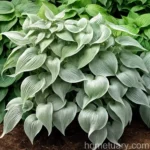
Hosta ‘Gold Standard’ is a cultivar known for its golden-yellow, heart-shaped leaves with dark green margins. This shade-loving perennial is a versatile addition to gardens and landscapes, offering vibrant foliage and low-maintenance requirements. To ensure the optimal growth and health of Hosta ‘Gold Standard’, it is essential to understand its specific cultural needs and potential challenges. Let’s delve into the key aspects of caring for this captivating plant.
Key Takeaways – Hosta ‘Gold Standard’ (Plantain Lily)
Culture:
– Hosta ‘Gold Standard’ thrives in moist, well-drained soil with high organic content.
– It is an excellent choice for shaded or partially shaded areas in the garden.
Uses:
– Commonly used as a ground cover, border plant, or focal point in shaded landscapes.
– Adds vibrant color and texture to woodland gardens and mixed perennial beds.
Water:
– Regular watering is essential, especially during dry periods, to maintain soil moisture.
– Avoid overwatering to prevent waterlogged conditions and root rot.
Sunlight:
– Prefers partial to full shade, particularly in regions with intense sunlight and heat.
– Protection from the afternoon sun is beneficial to prevent leaf scorch.
Fertilizer:
– Apply a balanced slow-release fertilizer in early spring to support vigorous foliage growth.
– Avoid excessive nitrogen, which can lead to increased susceptibility to pests and diseases.
Soil:
– Well-draining, nutrient-rich soil with a slightly acidic to neutral pH is ideal for Hosta ‘Gold Standard’.
– Amending the soil with organic matter enhances its moisture retention and fertility.
Pruning:
– Remove faded or damaged leaves and flower spikes to maintain the plant’s aesthetic appeal.
– Pruning promotes air circulation and reduces the risk of fungal infections.
Propagation:
– Hosta ‘Gold Standard’ can be propagated through division in early spring before new growth emerges.
– Dividing the plant rejuvenates its vigor and allows for the expansion of its presence in the garden.
Container Popularity:
– Hosta ‘Gold Standard’ is well-suited for container gardening, offering versatility in placement and design.
– Thrives in appropriately sized containers with adequate drainage and quality potting mix.
Common Diseases:
– Susceptible to fungal diseases such as powdery mildew and crown rot under prolonged wet conditions.
– Proper spacing, good air circulation, and preventive fungicidal treatments help mitigate disease issues.
Disease Diagnosis:
– Regularly monitor the foliage for signs of discoloration, spotting, or wilting, which may indicate disease presence.
– Prompt diagnosis and treatment are crucial to prevent the spread of infections to neighboring plants.
Common Pests:
– Slugs and snails are common pests that can damage Hosta ‘Gold Standard’ foliage, particularly in humid environments.
– Implementing physical barriers, organic pest control methods, and natural predators can help manage pest infestations.
Botanist’s Tips:
– Regularly inspect the undersides of leaves for pest activity and early signs of disease.
– Mulching around Hosta ‘Gold Standard’ helps conserve soil moisture and moderates temperature fluctuations.
Fun Facts:
– The genus name “Hosta” honors Austrian botanist Nicholas Thomas Host, while “Gold Standard” refers to the cultivar’s distinct foliage coloration.
– Some cultivars of Hosta, including ‘Gold Standard’, are edible, with young shoots being used in certain cuisines.
Now that we have outlined the essential aspects of cultivating and caring for Hosta ‘Gold Standard’, let’s further explore its characteristics and requirements in detail.
Hosta ‘Gold Standard’ Characteristics
Hosta ‘Gold Standard’ exhibits several distinctive characteristics that make it a prized selection for shaded landscapes. Understanding these traits is essential for creating suitable growing conditions and maximizing the plant’s ornamental value.
Foliage
- The foliage of Hosta ‘Gold Standard’ features large, heart-shaped leaves with prominent golden-yellow centers and deep green margins.
- The contrasting coloration adds visual interest and enlivens shaded areas, creating a focal point in garden compositions.
- The leaves have a smooth, glossy texture, enhancing their appeal and contributing to the overall lush appearance of the plant.
Garden and Landscape Use
- The vibrant foliage of Hosta ‘Gold Standard’ makes it a versatile choice for various garden settings, including woodland gardens, shaded borders, and container displays.
- Its compact growth habit and low-maintenance nature make it an ideal ground cover and edging plant, framing pathways and garden beds with elegance.
- The striking foliage coloration of this cultivar also lends itself to creative landscape designs, providing a captivating visual impact when combined with contrasting plants and textures.
Maintenance
- Hosta ‘Gold Standard’ is relatively low-maintenance, requiring minimal care once established in favorable growing conditions.
- Regular watering, periodic fertilization, and attentive pest and disease management contribute to its optimal growth and longevity.
- Pruning and division are recommended maintenance practices to rejuvenate the plant and maintain its aesthetic appeal over time.
Ornamental Value
- The ornamental value of Hosta ‘Gold Standard’ lies in its striking foliage, which adds vibrancy and dimension to shaded areas in the garden.
- The cultivar’s adaptability to different garden styles and its alluring foliage make it a sought-after choice for landscape enhancement and ornamental plantings.
Growing Hosta ‘Gold Standard’
Planting
Successful cultivation of Hosta ‘Gold Standard’ begins with strategic planting practices that cater to its specific needs and preferences.
Planting Guidelines:
- Choose a shaded or partially shaded location with well-drained, fertile soil for optimal growth and leaf coloration.
- Prior to planting, enrich the soil with organic matter such as compost or aged manure to improve its moisture retention and nutrient content.
- Dig a hole slightly larger than the plant’s root ball and position the plant at the same depth as it was in its nursery container, ensuring the crown is at the soil level.
- Space multiple Hosta ‘Gold Standard’ plants adequately to allow for their mature spread and promote good air circulation between individual specimens.
Watering Requirements
A consistent and adequate water supply is crucial for the establishment and sustained growth of Hosta ‘Gold Standard’, particularly in its early stages of development.
Watering Tips:
- Water the plant thoroughly immediately after planting to settle the soil around the roots and encourage root establishment.
- During dry periods, provide regular irrigation to keep the soil evenly moist but not waterlogged, as excessive moisture can lead to root rot.
- Mulching the soil surface around the plant helps retain soil moisture, moderates temperature fluctuations, and minimizes weed competition.
Soil Preferences
The soil composition and quality significantly influence the growth, vitality, and appearance of Hosta ‘Gold Standard’, necessitating attention to its specific soil preferences.
Soil Recommendations:
- Optimal soil for Hosta ‘Gold Standard’ is well-drained, loamy, and rich in organic matter to support its nutrient uptake and moisture retention.
- A slightly acidic to neutral pH range (pH 6.0-7.0) is favorable for the plant, promoting nutrient availability and root health.
- Regular soil amendment with organic matter such as compost, leaf mold, or peat moss enhances the soil structure and fertility, benefitting the plant’s growth and vigor.
Sunlight Needs
Hosta ‘Gold Standard’ thrives in shaded conditions, making it an ideal choice for areas with limited direct sunlight and intense heat.
Sunlight Considerations:
- Plant in locations with partial to full shade, particularly where exposure to direct midday and afternoon sun is limited.
- Filtering sunlight through tall trees, shrubs, or structures provides the ideal light conditions for the plant, preventing leaf scorch and maintaining the integrity of its foliage coloration.
Hosta ‘Gold Standard’ Maintenance
Fertilization
Appropriate fertilization practices are essential for providing Hosta ‘Gold Standard’ with the necessary nutrients to support robust foliage growth and overall plant health.
Fertilizing Recommendations:
- Apply a balanced, slow-release granular fertilizer in early spring before new foliage emerges, ensuring an even distribution around the plants.
- Avoid overfertilization, particularly with nitrogen-rich formulas, which can promote excessive leaf expansion and weaken the plant’s natural defenses against pests and diseases.
Pruning
Regular pruning and maintenance tasks contribute to the aesthetic upkeep and longevity of Hosta ‘Gold Standard’ in garden and landscape settings.
Pruning Guidelines:
- Remove faded or damaged leaves throughout the growing season to maintain the plant’s visual appeal and prevent the accumulation of debris.
- Trim back flower spikes after they have finished blooming to redirect the plant’s energy towards foliage production and vigor.
Winter Care
Proactive steps to prepare Hosta ‘Gold Standard’ for the winter season help safeguard its vitality and ensure a robust return during the following growing season.
Winter Care Strategies:
- As the growing season concludes, gradually reduce watering to allow the plant to acclimate to dormancy and reduce the risk of root rot.
- Apply a layer of mulch around the base of the plant to insulate the soil and protect the roots from fluctuating winter temperatures.
Hosta ‘Gold Standard’ Diseases and Pests
Common Diseases
Hosta ‘Gold Standard’ is susceptible to certain fungal diseases and environmental stressors, necessitating vigilance and preventive measures for disease management.
Common Diseases:
- Powdery Mildew:
- Characterized by a white, powdery residue on the foliage, powdery mildew can affect Hosta ‘Gold Standard’ during periods of high humidity.
-
Ensure good air circulation around the plants, implement preventive fungicidal treatments, and maintain proper spacing to mitigate powdery mildew.
-
Crown Rot:
- Prolonged wet and waterlogged conditions can lead to crown rot, causing the plant’s base to decay and exhibit symptoms of wilting and discoloration.
- Improve soil drainage, especially in areas prone to water accumulation, and avoid overwatering to prevent crown rot from affecting the plant.
Disease Diagnosis
Timely identification and diagnosis of diseases affecting Hosta ‘Gold Standard’ are crucial for implementing targeted treatments and preventing the spread of infections.
Diagnosis Tips:
- Regularly inspect the foliage for visual indicators of disease, including discoloration, distortion, wilting, or the presence of powdery residues.
- Consult with local gardening experts or extension services to confirm the diagnosis and receive recommendations for effective disease management strategies.
Common Pests
Pest infestations can pose a threat to the foliage and overall vitality of Hosta ‘Gold Standard’, necessitating proactive measures to deter and manage pest activity.
Common Pests:
- Slugs and Snails:
- These mollusks are known for feeding on Hosta foliage, particularly in moist and shaded environments, leading to unsightly damage and reduced plant vigor.
- Implement physical barriers, natural predator introductions, or organic slug and snail control methods to protect the plant from infestations.
Botanist’s Tips
Incorporating professional insights and expert recommendations enhances the care and cultivation of Hosta ‘Gold Standard’, ensuring optimal plant health and ornamental value.
Expert Suggestions:
- Vigilantly inspect the undersides of Hosta ‘Gold Standard’ leaves for signs of pest activity, such as slimy trails or chewed foliage, and take corrective measures promptly.
- Consider using natural predators, such as predatory ground beetles and birds, to maintain a balance in the ecosystem and manage pest populations organically.
Propagation of Hosta ‘Gold Standard’
Division
Propagating Hosta ‘Gold Standard’ through division is a common practice for rejuvenating the plant and creating additional specimens for garden expansion.
Division Technique:
- In early spring, before the emergence of new growth, carefully dig up the mature Hosta ‘Gold Standard’ clumps, ensuring the preservation of their root systems.
- Divide the clumps into smaller sections, making sure each division possesses healthy roots and several viable growing points or “eyes.”
- Replant the divisions in prepared soil, water them thoroughly, and provide appropriate care to support their establishment and subsequent growth.
Container Gardening
Hosta ‘Gold Standard’ exhibits qualities that make it well-suited for container gardening, offering versatility and decorative opportunities in various outdoor spaces.
Container Considerations:
- Select appropriately sized containers with drainage holes to ensure good drainage and prevent waterlogging, maintaining optimal soil moisture levels.
- Use quality potting mix formulated for container plants, incorporating organic matter for improved moisture retention and nutrient availability.
- Position the containers in shaded or partially shaded areas, avoiding direct exposure to intense sunlight and extreme heat during the day.
Hosta ‘Gold Standard’ in the Gardening Community
The popularity of Hosta ‘Gold Standard’ extends across gardening communities, with its allure, adaptability, and aesthetic appeal making it a favored choice for diverse garden styles and preferences.
Common Uses in the Gardening Community:
- Shade Gardens: Hosta ‘Gold Standard’ serves as a staple plant in shaded gardens, providing vibrant foliage and visual interest in areas with limited sunlight.
- Woodland Landscapes: The cultivar’s lush foliage and compact growth habit make it an ideal addition to woodland landscapes and naturalistic garden settings.
- Mixed Perennial Beds: Hosta ‘Gold Standard’ complements and contrasts with a variety of perennial plants, contributing to dynamic and diverse garden compositions.
Versatile Companions
Pairing Hosta ‘Gold Standard’ with compatible companion plants enhances its ornamental value and contributes to harmonious garden designs.
Companion Plant Suggestions:
- Astilbe: This shade-loving perennial features feathery plumes of flowers in various colors, providing a complementary contrast to Hosta foliage.
- Heuchera: Known for its colorful and intricate foliage, Heuchera varieties offer a striking visual pairing with Hosta ‘Gold Standard’ in shaded settings.
- Ferns: Different fern species create a lush and textural backdrop for Hosta ‘Gold Standard’, highlighting its vibrant foliage and enhancing shady environments.
Edging and Borders
The compact growth habit and alluring foliage of Hosta ‘Gold Standard’ make it an excellent choice for edging and border applications, defining garden spaces with elegance and flair.
Border and Edging Ideas:
- Curved Borders: Planting Hosta ‘Gold Standard’ along the edges of curved garden beds softens the lines and introduces a graceful visual flow.
- Pathway Edging: Using Hosta ‘Gold Standard’ as a border plant along garden pathways adds structure and delineation, guiding the eye along the designated routes.
- Mixed Borders: Pairing the cultivar with contrasting plants in mixed borders creates dynamic and visually engaging garden compositions.
Groundcover Features
In addition to its roles as an edging plant and focal point, Hosta ‘Gold Standard’ lends itself to ground cover applications, filling in shaded areas with lush foliage and vibrant colors.
Groundcover Applications:
- Naturalistic Underplanting: Planting Hosta ‘Gold Standard’ beneath deciduous trees and larger shrubs creates naturalistic ground cover, enhancing the understory landscape.
- Soil Erosion Control: The dense foliage of the cultivar offers effective soil erosion control on slopes and inclines, preventing soil loss and promoting stability.
- Habitat Enhancement: Hosta ‘Gold Standard’ as ground cover contributes to habitat creation for diverse flora and fauna, enriching the ecological balance in garden environments.
Pollinator-Friendly Features
While Hosta ‘Gold Standard’ is primarily prized for its foliage, it also offers pollinator-friendly attributes, supporting biodiversity and ecological health in garden settings.
Pollinator Attraction:
- The nectar-rich flowers of Hosta ‘Gold Standard’, though not the primary focus of the plant, attract pollinators such as bees and butterflies, enhancing floral diversity and ecosystem balance.
- Complementing the cultivar with nectar-rich flowering plants and pollinator-friendly species creates a supportive environment for beneficial insects and wildlife in the garden.
Conclusion
Hosta ‘Gold Standard’ (Plantain Lily) embodies a captivating blend of ornamental beauty, adaptability, and practicality, making it a cherished addition to shaded landscapes and gardens. From its striking foliage coloration to its diverse gardening applications, this perennial cultivar continues to captivate gardeners and landscaping enthusiasts with its enduring appeal and versatility.
By incorporating the insights and recommendations provided in this comprehensive guide, individuals can cultivate, care for, and appreciate the timeless allure of Hosta ‘Gold Standard’ within their garden and landscape settings. Through strategic cultural practices, vigilant disease and pest management, and thoughtful garden design, the plant’s vibrant presence and ornamental value can flourish, contributing to the holistic beauty and ecological richness of outdoor spaces.
As a shade-loving plant with a penchant for stunning foliage and adaptable uses, Hosta ‘Gold Standard’ represents a valuable asset to gardening communities, offering enduring beauty and enduring charm for generations to come.
References
- The American Hosta Society. (n.d.). Hosta Library. https://www.hostalibrary.org/
- Royal Horticultural Society. (2021). Hosta. https://www.rhs.org.uk/plants/hosta
- University of Illinois Extension. (2021). Hostas. https://extension.illinois.edu/hortanswers/plantdetail.cfm?PlantID=351&PlantTypeID=8
- The Missouri Botanical Garden. (n.d.). Plant Finder: Hosta ‘Gold Standard’. https://www.missouribotanicalgarden.org/PlantFinder/PlantFinderDetails.aspx?kempercode=j880
- University of Minnesota Extension. (2021). Growing Hostas in the North. https://extension.umn.edu/flowers/persistent-perennial-guide-growing-hostas
Remember to tailor your care and cultivation of Hosta ‘Gold Standard’ to the specific growing conditions and environmental factors in your region, and consult with local gardening experts or extension services for further guidance relevant to your area. By integrating the knowledge and expertise shared in this guide with your practical gardening experiences, you can nurture thriving, resplendent displays of Hosta ‘Gold Standard’ in your outdoor spaces.
Happy gardening!