All About hosta (Hosta ‘Sparkling Burgundy’)
hosta (Hosta ‘Sparkling Burgundy’) is a popular ornamental plant sought after by many gardeners for its attractive foliage and low-maintenance nature. This blog post aims to provide a comprehensive guide to everything you need to know about hosta (Hosta ‘Sparkling Burgundy’).
What is hosta (Hosta ‘Sparkling Burgundy’)?
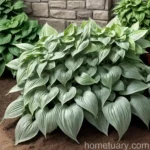
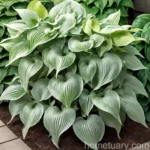
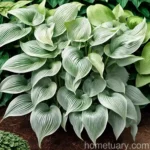
Hosta (Hosta ‘Sparkling Burgundy’) is a perennial plant known for its striking, heart-shaped burgundy-red foliage. This cultivar is a type of hosta, a genus of plants commonly used in landscaping and gardening for their diverse leaf shapes, colors, and textures.
Key Takeaways – hosta (Hosta ‘Sparkling Burgundy’)
Before we delve into the specifics of hosta (Hosta ‘Sparkling Burgundy’), let’s briefly explore some key characteristics and considerations for this plant:
- Scientific Name: Hosta ‘Sparkling Burgundy’
- Foliage Color: Burgundy-red
- Plant Type: Perennial
- Shade Tolerance: High
- Sunlight Needs: Partial to full shade
- Watering: Regular watering, with well-draining soil
- Soil Type: Rich, organic, well-draining
- Hardiness Zone: 3-9
- Common Uses: Groundcover, borders, shade gardens
- Growth Habit: Clumping, mounding
Now that we have a general overview, let’s dive deeper into the specific aspects of caring for and growing hosta (Hosta ‘Sparkling Burgundy’).
Cultivation and Care
Cultivating hosta (Hosta ‘Sparkling Burgundy’) involves attention to various factors such as water, sunlight, soil, and fertilization. Let’s explore each of these aspects in detail.
Water
Hosta (Hosta ‘Sparkling Burgundy’) plants thrive in consistently moist soil. While they do require regular watering, it’s essential to ensure that the soil is well-draining to prevent waterlogging, which can lead to root rot.
- General Watering: Water hosta plants regularly, especially during dry spells or hot weather.
- Avoid Waterlogged Soil: Ensure that the soil has adequate drainage to prevent waterlogging.
- Mulching: Applying a layer of organic mulch around the base of the plant can help retain soil moisture.
Sunlight
Hosta (Hosta ‘Sparkling Burgundy’) is well-known for its preference for shaded conditions. While it can tolerate some morning sun, it generally flourishes in partial to full shade.
- Partial to Full Shade: Plant hosta in areas that receive dappled or filtered shade for optimal growth.
- Morning Sun: Some varieties can tolerate morning sun, but direct afternoon sun should be avoided.
Fertilizer
Proper fertilization contributes to the health and vigor of hosta (Hosta ‘Sparkling Burgundy’). A balanced, slow-release fertilizer applied in spring can support the plant’s growth and foliage development.
- Spring Fertilization: Apply a balanced, slow-release fertilizer in spring as new growth emerges.
- Avoid Excessive Nitrogen: Too much nitrogen can lead to lush foliage but may make the plant more susceptible to pests and diseases.
Soil
The soil requirements for hosta (Hosta ‘Sparkling Burgundy’) are crucial for its overall well-being. It thrives in rich, organic soil with good drainage.
- Rich, Organic Soil: Amend the soil with organic matter such as compost to enhance its fertility.
- Well-Draining: Ensure that the soil provides good drainage to prevent water accumulation around the roots.
Pruning and Maintenance
Pruning and maintenance are integral parts of caring for hosta (Hosta ‘Sparkling Burgundy’), contributing to its aesthetic appeal and overall health.
Pruning
Pruning primarily involves the removal of spent flowers and damaged or yellowing leaves to maintain the plant’s vigor and tidiness.
- Remove Spent Flowers: Deadhead the flowers as they fade to encourage continued blooming and prevent seed formation.
- Trim Yellowing Leaves: Trim any yellow or withered leaves to maintain the plant’s appearance.
Division and Propagation
Hosta (Hosta ‘Sparkling Burgundy’) can be propagated through division, making it an excellent way to expand your plant collection or share it with fellow gardening enthusiasts.
- Division: Divide mature hosta plants every few years in early spring to create new plants and prevent overcrowding.
- Rhizome Cuttings: Propagate hosta by taking rhizome cuttings and potting them in a suitable growing medium until they develop roots.
Container Gardening
Hosta (Hosta ‘Sparkling Burgundy’) is well-suited for container gardening, offering versatility in various outdoor and indoor settings.
Container Selection
When choosing containers for hosta, consider the following:
- Size: Select a container that accommodates the mature size of the hosta plant.
- Drainage: Ensure that the container has adequate drainage holes to prevent waterlogging.
Growing Medium
Use a well-draining, high-quality potting mix suitable for shade-loving plants when planting hosta in containers.
- Quality Potting Mix: Use a mix that provides good aeration and drainage for healthy root development.
- Organic Matter: Incorporate organic matter to enhance the fertility of the growing medium.
Popularity in Container Gardening
Hosta (Hosta ‘Sparkling Burgundy’) is a popular choice for container gardening due to its attractive foliage and low-maintenance nature. Its adaptability to shade makes it an excellent option for beautifying shaded outdoor spaces and indoor environments.
Common Diseases and Pests
Like many plants, hosta (Hosta ‘Sparkling Burgundy’) is susceptible to certain diseases and pests that can affect its health and appearance.
Disease Risks
Hosta may be prone to certain diseases, including:
- Fungal Diseases: Common fungal issues such as leaf spot and crown rot can impact hosta plants, especially in humid conditions. Proper sanitation and good air circulation can help prevent these issues.
- Viral Infections: While less common, viral diseases can affect hosta, leading to stunted growth and leaf discoloration. Prevention involves controlling insect vectors and avoiding propagation from infected plants.
Pest Management
Hosta can attract various pests, including:
- Slugs and Snails: These are common pests that feed on the foliage, leaving behind characteristic holes and damage. Cultural and chemical controls can help manage these pests.
- Deer and Rabbits: In areas with high populations of deer and rabbits, hosta can be vulnerable to browsing damage. Fencing and repellents are potential solutions.
Botanist’s Tips for Success
To ensure the best possible growth and appearance of hosta (Hosta ‘Sparkling Burgundy’), consider the following tips:
- Mulch Carefully: Apply a layer of organic mulch around the base of the plant, but avoid piling it up against the stems, as this can create favorable conditions for pests and diseases.
- Monitor Moisture Levels: Keep a close eye on soil moisture, especially during hot, dry periods, and adjust watering as needed to maintain consistent moisture levels without waterlogging.
Fun Facts about hosta (Hosta ‘Sparkling Burgundy’)
Let’s explore some interesting and lesser-known facts about hosta (Hosta ‘Sparkling Burgundy):
- Variegated Varieties: Hosta cultivars come in a wide range of leaf colors and variegation patterns, adding a unique visual appeal to garden landscapes.
- Edible Flowers: While primarily grown for their foliage, hosta plants produce edible flowers that can be a delightful addition to salads and other culinary creations.
Links to External Resources
For additional information and resources on hosta (Hosta ‘Sparkling Burgundy’), explore the following links:
- American Hosta Society: Offers extensive information on different hosta varieties and cultivation tips.
- The Hosta Library: A comprehensive resource for hosta enthusiasts, featuring a vast collection of articles, photos, and cultivar descriptions.
By covering the vital aspects of hosta (Hosta ‘Sparkling Burgundy’) such as its care, uses, and common challenges, this guide aims to provide a comprehensive understanding of this captivating plant. Whether you’re an experienced gardener or a novice enthusiast, the allure and adaptability of hosta make it a rewarding addition to any garden or landscape setting.