Hosta fortunei var. aureomarginata (Gold-Edged Plantain Lily) Care Guide
Hosta fortunei var. aureomarginata, commonly known as the Gold-Edged Plantain Lily, is a stunning perennial plant that is beloved by gardeners for its lush foliage and low-maintenance nature. This care guide aims to provide comprehensive information on the cultivation, maintenance, and overall care of this beautiful plant. Whether you are a seasoned gardener or a novice enthusiast, by the end of this guide, you will have a thorough understanding of how to best cultivate and care for Hosta fortunei var. aureomarginata in your garden or outdoor space.
What is Hosta fortunei var. aureomarginata?
Hosta fortunei var. aureomarginata is a cultivar of the Hosta fortunei species, which belongs to the family Asparagaceae. It is native to China, Japan, and Korea and is renowned for its striking variegated foliage and adaptability to different growing conditions. The Gold-Edged Plantain Lily is a perennial herbaceous plant that forms dense mounds of foliage, making it an excellent choice for ground cover or border planting.
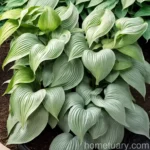
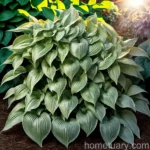
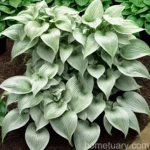
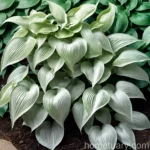
The leaves of Hosta fortunei var. aureomarginata are broadly ovate and exhibit a distinct variegation pattern with dark green centers and striking gold-colored margins. Additionally, this cultivar produces delicate lavender or white flowers on tall stalks during the summer months, adding a touch of elegance to its overall appearance.
Due to its versatility and aesthetic appeal, Hosta fortunei var. aureomarginata has become a popular choice for gardens, landscapes, and even container gardening. Its ability to thrive in shaded areas further enhances its desirability as a vital component of various garden designs.
Now that we have familiarized ourselves with the basic characteristics of Hosta fortunei var. aureomarginata, let’s delve into the key takeaways and essential care guidelines for growing and maintaining this exceptional plant.
Key Takeaways – Hosta fortunei var. aureomarginata
Before we proceed with a detailed exploration of caring for Hosta fortunei var. aureomarginata, let’s highlight some key takeaways regarding this plant. These key points will serve as a foundation for our in-depth discussion in the subsequent sections.
- Hosta fortunei var. aureomarginata is a cultivar of the Hosta fortunei species, known for its variegated foliage and adaptability to different growing conditions.
- The plant features broad ovate leaves with dark green centers and striking gold-colored margins, creating a visually appealing display in garden settings.
- It produces delicate lavender or white flowers on tall stalks during the summer months, enhancing its overall aesthetic charm.
- Hosta fortunei var. aureomarginata is well-suited for ground cover, border planting, shaded gardens, and even container gardening, making it a versatile choice for various landscaping needs.
Now that we have established the fundamental characteristics of Hosta fortunei var. aureomarginata, let’s proceed to explore the essential aspects of caring for this plant, including its cultural requirements, uses, propagation, and common pests and diseases.
Culture
When it comes to cultivating Hosta fortunei var. aureomarginata, understanding its cultural needs is crucial for ensuring its optimal growth and development. Let’s delve into the cultural requirements of this plant, covering areas such as water, sunlight, soil, and fertilizer.
Water
Hosta fortunei var. aureomarginata thrives in consistently moist soil, making adequate watering a critical aspect of its care. While it is important to maintain soil moisture, it is equally essential to prevent waterlogging, which can lead to root rot and other potential issues. A well-draining soil that retains moisture without becoming waterlogged is ideal for this plant.
In the absence of consistent rainfall, regular watering is necessary, especially during dry periods. When watering Hosta fortunei var. aureomarginata, it is advisable to apply water directly to the base of the plant to ensure that the root zone receives sufficient moisture. Additionally, mulching the soil around the plant can help to retain moisture and reduce the frequency of watering, particularly in hot and arid conditions.
Sunlight
Hosta fortunei var. aureomarginata is renowned for its preference for shaded or partially shaded locations. While it can tolerate some morning sun, especially in cooler climates, prolonged exposure to direct sunlight can result in scorching of the foliage. Therefore, it is recommended to plant this species in areas with dappled shade or filtered sunlight to ensure its optimal growth and maintenance of its striking variegated foliage.
In regions with intense summer heat, providing some protection from the afternoon sun can be beneficial for the health and vigor of Hosta fortunei var. aureomarginata. This can be achieved by planting it under the canopy of taller trees or positioning it in areas that receive indirect light for the majority of the day.
Fertilizer
When it comes to fertilizer requirements, Hosta fortunei var. aureomarginata benefits from a balanced, slow-release fertilizer that provides essential nutrients for steady growth and robust foliage development. Application of fertilizer can be done in early spring as new growth begins to emerge, as well as in midsummer to support the plant through the remainder of the growing season.
An all-purpose, granular fertilizer with a balanced NPK ratio (nitrogen, phosphorus, and potassium) is suitable for Hosta fortunei var. aureomarginata. It is essential to follow the manufacturer’s recommendations regarding the application rate and frequency to avoid the risk of over-fertilization, which can lead to potential issues and adverse effects on the plant.
Soil
The soil requirements for Hosta fortunei var. aureomarginata align with its preference for moist, well-draining conditions. It thrives in rich, organic soils with a slightly acidic to neutral pH range. Amending the soil with organic matter, such as compost or well-rotted manure, can enhance its fertility and water retention capacity, creating an ideal growing environment for the plant.
Incorporating organic material into the soil during planting or as a topdressing in established plantings can contribute to the overall health and vitality of Hosta fortunei var. aureomarginata. Additionally, maintaining a layer of organic mulch around the base of the plant can help to conserve soil moisture, regulate temperature, and suppress weed growth, thereby supporting the plant’s well-being.
Pruning
Pruning Hosta fortunei var. aureomarginata is relatively straightforward, primarily focusing on the removal of spent flower stalks and any damaged or discolored foliage. Deadheading the faded flowers not only maintains the plant’s neat appearance but also directs its energy towards foliage growth and overall vigor.
During the growing season, regular monitoring of the foliage can help in identifying any leaves that show signs of disease, pest damage, or natural senescence. Prompt removal of such foliage minimizes the risk of disease spread and contributes to the plant’s overall health. With sharp, clean pruners, the affected leaves can be carefully snipped off at their base, allowing the plant to allocate resources towards the development of healthy, vibrant foliage.
Hosta fortunei var. aureomarginata also benefits from a rejuvenation pruning every few years to rejuvenate the plant and prevent the center from becoming overcrowded with older foliage. This process involves lifting the entire plant, dividing the root mass into smaller sections, and replanting them to ensure ongoing vitality and rejuvenation.
Propagation
Propagating Hosta fortunei var. aureomarginata is commonly done through division, making it a simple and cost-effective method for expanding your plant collection or sharing it with fellow gardening enthusiasts. Division can be carried out in early spring or fall, coinciding with the plant’s active growth periods.
The division process involves carefully digging up the plant, ensuring that the entire root mass is lifted without causing damage. Once the plant is removed from the ground, the root mass can be gently separated into smaller sections, each containing healthy roots and sufficient foliage. These divisions can then be replanted in suitable locations, providing them with adequate water and care as they establish themselves in their new environment.
Another method of propagation for Hosta fortunei var. aureomarginata is through seed, though this approach is less commonly practiced due to the time and effort involved in raising plants from seed. However, for those interested in exploring this method, collecting ripe seeds from the plant and sowing them in a suitable growing medium can lead to the development of new seedlings. It is important to note that seed-grown Hosta fortunei var. aureomarginata may exhibit variations in leaf color and variegation, adding an element of unpredictability to the process.
Container Popularity
Hosta fortunei var. aureomarginata’s adaptability and aesthetic appeal make it a popular choice for container gardening, allowing individuals with limited outdoor space to enjoy the beauty of this plant. When cultivating Hosta fortunei var. aureomarginata in containers, several key considerations should be kept in mind to ensure the plant’s well-being and thriving growth.
Selecting an appropriately sized container that provides ample space for the plant’s root system to expand is essential. A container with drainage holes is crucial to prevent waterlogged soil, which can be detrimental to the plant’s health. Choosing a high-quality potting mix that offers good drainage and aeration, along with regular watering and suitable sunlight exposure, contributes to the successful cultivation of Hosta fortunei var. aureomarginata in containers.
Furthermore, container-grown Hosta fortunei var. aureomarginata may benefit from occasional repotting to refresh the growing medium and accommodate the plant’s increasing size. This allows for the maintenance of optimal growing conditions and supports the plant’s overall health and appearance.
Common Diseases
Hosta fortunei var. aureomarginata, like other members of the Hosta genus, can be susceptible to certain diseases and issues that may impact its growth and vitality. Understanding the common diseases and their associated symptoms is essential for early detection and appropriate intervention to mitigate potential damage.
One of the primary diseases that can affect Hosta fortunei var. aureomarginata is Hosta Virus X (HVX). HVX is a viral disease that causes chlorotic or mosaic patterns on the foliage, along with stunted growth and distorted leaf shapes. While there is no cure for HVX, prevention is key, and affected plants should be promptly removed and destroyed to prevent the spread of the virus to healthy specimens.
Another common issue that Hosta fortunei var. aureomarginata may encounter is crown rot, typically caused by soil-borne fungal pathogens. Crown rot manifests as wilting, yellowing, and eventual collapse of the plant’s central growth point, leading to its decline. To prevent crown rot, it is crucial to maintain well-draining soil and avoid overwatering, which can create favorable conditions for fungal pathogens to thrive.
Disease Diagnosis
Diagnosing diseases in Hosta fortunei var. aureomarginata involves careful observation of the plant’s foliage, growth patterns, and overall vigor. Any abnormalities, such as discoloration, distortion, or unusual wilting, should be thoroughly examined to determine the underlying cause.
In the case of suspected viral infections like HVX, laboratory testing by specialized diagnostic facilities can provide confirmation of the presence of the virus in affected plants. This information is valuable for making informed decisions regarding the management of infected specimens and the prevention of further spread within the garden or landscape.
For fungal diseases such as crown rot, visual inspection of the plant’s base and root zone can offer insights into the presence of rotting or decay. Additionally, environmental factors such as excessive moisture and poor drainage should be addressed to mitigate the risk of fungal infections and their associated damage to Hosta fortunei var. aureomarginata.
Common Pests
While Hosta fortunei var. aureomarginata is relatively resilient, it is not immune to pest-related challenges that can impact its growth and appearance. Certain pests, if left unchecked, can cause damage to the foliage and compromise the overall health of the plant. Familiarizing yourself with these common pests and their management is essential for preserving the well-being of Hosta fortunei var. aureomarginata.
Slugs and snails are notorious pests that often target Hosta fortunei var. aureomarginata, especially in humid and moist environments. These pests feed on the plant’s lush foliage, leaving behind ragged, irregular holes and damage. Implementing strategies such as slug barriers, beer traps, and diatomaceous earth can help in reducing slug and snail populations and protecting the plant from their destructive feeding habits.
Deer are another potential pest that may browse on Hosta fortunei var. aureomarginata, particularly in areas where deer populations are prevalent. Fencing and repellents are effective measures for deterring deer and safeguarding the plant from browsing damage.
Aphids, thrips, and mites are sap-sucking insects that can infest Hosta fortunei var. aureomarginata, leading to distorted growth, yellowing foliage, and overall weakening of the plant. Regular monitoring and early intervention through the use of insecticidal soaps or horticultural oils can help in managing these pests and preventing their proliferation.
By remaining vigilant and proactive in pest management, gardeners can safeguard their Hosta fortunei var. aureomarginata plants from potential damage caused by various pests, ensuring the longevity and vigor of these beautiful specimens.
Botanist’s Tips
As a plant with a rich history of cultivation and a myriad of desirable characteristics, Hosta fortunei var. aureomarginata offers an array of opportunities for gardeners to create stunning landscapes and indulge in the pleasures of plant stewardship. Here are some botanist’s tips to help you make the most of your experience with this exceptional plant:
-
Companion Planting: Pairing Hosta fortunei var. aureomarginata with other shade-loving perennials and woodland plants can create visually striking and harmonious garden compositions. Consider companion plants such as ferns, astilbes, and heucheras to complement the foliage and texture of Hosta fortunei var. aureomarginata.
-
Mulching: Applying a layer of organic mulch around the base of Hosta fortunei var. aureomarginata not only helps in retaining soil moisture but also contributes to the suppression of weeds and the moderation of soil temperature. Organic mulches such as shredded bark or compost are excellent choices for enhancing the growing environment of this plant.
-
Seasonal Care: Throughout the seasons, adapt your care practices to accommodate the changing needs of Hosta fortunei var. aureomarginata. From providing supplementary water during dry spells to protecting the plant from excessive heat, understanding its seasonal requirements is crucial for maintaining its health and vitality year-round.
-
Consistent Monitoring: Regularly inspecting your Hosta fortunei var. aureomarginata for signs of pests, diseases, and overall health is an essential practice that can help in early detection of issues and timely intervention. By staying attuned to the plant’s well-being, you can address potential concerns proactively, contributing to its long-term success.
-
Appreciating Diversity: Hosta fortunei var. aureomarginata is one of many cultivars within the diverse Hosta genus. Exploring the range of available cultivars and appreciating the nuances in leaf color, size, and variegation can open up exciting possibilities for creating dynamic and visually captivating garden designs.
By incorporating these botanist’s tips into your approach to caring for Hosta fortunei var. aureomarginata, you can foster an enriching and rewarding relationship with this remarkable plant, further enhancing your gardening endeavors.
Fun Facts
As we continue to unravel the allure and magnificence of Hosta fortunei var. aureomarginata, here are some fun facts about this plant that highlight its unique characteristics and contributions to the gardening world:
-
Historical Significance: Hosta fortunei var. aureomarginata has a rich historical background, with its cultivation dating back centuries in various regions of Asia. Its enduring popularity and significance in traditional gardens underscore its timeless appeal and cultural importance.
-
Leaf Variegation: The distinctive gold-edged leaf margins of Hosta fortunei var. aureomarginata are not only visually striking but also serve as a natural adaptation to low light conditions, allowing the plant to maximize light capture for photosynthesis.
-
Pollinator-friendly Flowers: While the primary allure of Hosta fortunei var. aureomarginata lies in its foliage, the delicate, fragrant flowers it produces during the summer months attract pollinators such as bees and butterflies, contributing to the ecological diversity of the garden.
-
Versatile Landscaping: The adaptability of Hosta fortunei var. aureomarginata to shaded environments, as well as its suitability for container gardening, makes it a versatile and invaluable addition to various gardening settings, from traditional landscapes to contemporary urban gardens.
-
Longevity and Resilience: When provided with the right growing conditions and care, Hosta fortunei var. aureomarginata can thrive for many years, contributing to the enduring beauty and appeal of garden spaces with its enduring presence and resilience.
These fun facts not only shed light on the remarkable qualities of Hosta fortunei var. aureomarginata but also underscore its role as a cherished and fascinating plant with much to offer to gardeners and enthusiasts alike.
Links to External Resources
To further enrich your knowledge and exploration of Hosta fortunei var. aureomarginata, I have curated a selection of external resources that provide valuable insights, tips, and inspiration for cultivating and incorporating this exceptional plant into your garden or outdoor space:
-
The Hosta Library – A comprehensive online resource dedicated to hostas, featuring in-depth information on various hosta cultivars, including Hosta fortunei var. aureomarginata.
-
American Hosta Society – An organization devoted to promoting knowledge and appreciation of hostas, offering educational materials, publications, and community resources for hosta enthusiasts.
-
Royal Horticultural Society (RHS) – The RHS website provides practical guidance and advice on growing hostas, including specific information on cultivating Hosta fortunei var. aureomarginata.
-
University Extension Services – Many university extension services offer valuable gardening resources, including articles and publications related to hostas and their care requirements.
These external resources serve as valuable repositories of knowledge, offering a wealth of information, tips, and guidance for those intrigued by the allure and cultivation of Hosta fortunei var. aureomarginata.
In conclusion, Hosta fortunei var. aureomarginata, with its variegated foliage, graceful flowers, and adaptability to diverse growing conditions, remains a beloved choice for gardening enthusiasts and landscape designers alike. By understanding and implementing the care guidelines, cultural requirements, and best practices outlined in this guide, you can cultivate and maintain thriving specimens of Hosta fortunei var. aureomarginata, elevating the visual appeal and ecological diversity of your garden or outdoor space.
From its preference for shaded environments to its resilience in the face of common pests and diseases, Hosta fortunei var. aureomarginata stands as a testament to the enduring charm and versatility of the plant kingdom. As you embark on your journey of nurturing and appreciating this exceptional plant, may the insights and knowledge shared in this guide serve as a source of inspiration and empowerment, enriching your experience as a steward of nature’s beauty and complexity.
With an array of practical tips