Hosta ‘Diamond Lake’ (Plantain Lily) Care Guide
Hosta ‘Diamond Lake’, also known as Plantain Lily, is a popular perennial plant cherished for its stunning foliage and ability to thrive in various garden settings. Whether you are an experienced gardener or new to the world of plants, understanding the care requirements for Hosta ‘Diamond Lake’ is essential for maximizing its potential in your landscape. In this comprehensive guide, we will delve into the characteristics of Hosta ‘Diamond Lake’, its cultural requirements, common uses, and tips for maintaining its health and beauty. Let’s explore the world of Hosta ‘Diamond Lake’ and discover how to cultivate and appreciate its unique qualities.
What is Hosta ‘Diamond Lake’?
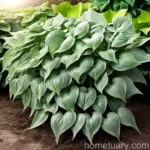
Hosta ‘Diamond Lake’ is a cultivar of the Hosta plant, a species native to East Asia. It is a herbaceous perennial known for its attractive foliage and ease of cultivation, making it a beloved choice for shaded gardens and landscapes. This cultivar features broad, heart-shaped leaves with a striking blue-green coloration and pronounced ribbing. The leaves are further enhanced by their waxy texture, creating an alluring visual appeal.
The name “Diamond Lake” aptly describes the picturesque appearance of this Hosta variety, evoking serene imagery of a shimmering lake. Its distinctive foliage and low-maintenance nature have contributed to its popularity among gardeners seeking to introduce texture and color to their outdoor spaces.
Key Takeaways – Hosta ‘Diamond Lake’
Before delving into the specifics of caring for Hosta ‘Diamond Lake’, it’s helpful to highlight the key takeaways associated with this enchanting plant. Understanding these essential points will lay the foundation for successful cultivation and appreciation of its unique attributes:
Culture
- Hosta ‘Diamond Lake’ thrives in shaded or partially shaded areas, making it an excellent choice for woodland gardens or under the dappled light of trees.
- It requires well-draining soil that retains moisture without becoming waterlogged.
- This cultivar is well-suited to temperate climates and can withstand cooler temperatures with proper care.
Uses
- As a shade-loving plant, Hosta ‘Diamond Lake’ is ideal for borders, edging, and mass plantings in shaded gardens.
- Its striking foliage adds visual interest and texture to garden beds, containers, and other landscape features.
- Hosta ‘Diamond Lake’ excels as a ground cover and can be utilized to create vibrant and lush underplantings.
Water
- Adequate moisture is crucial for the health of Hosta ‘Diamond Lake’, requiring regular watering to maintain soil moisture levels.
- It is important to avoid waterlogged conditions, as this can lead to root rot and other issues.
Sunlight
- While Hosta ‘Diamond Lake’ prefers shaded environments, it can tolerate some morning sun or filtered light.
- Protection from intense afternoon sun is essential to prevent leaf scorch and maintain the plant’s vitality.
Fertilizer
- Moderate feeding with a balanced, slow-release fertilizer is beneficial for promoting healthy growth and vibrant foliage.
- Fertilization should be applied in early spring before new growth emerges.
Soil
- Well-draining, organic-rich soil with a slightly acidic to neutral pH range is optimal for Hosta ‘Diamond Lake’.
- Amending heavy or compacted soils with organic matter can enhance drainage and create an optimal growing environment.
Pruning
- Removal of spent flower stalks and damaged or discolored foliage helps maintain the plant’s aesthetic appeal and overall health.
- Pruning should be carried out with clean, sharp tools to minimize stress and prevent the spread of diseases.
Propagation
- Hosta ‘Diamond Lake’ can be propagated through division, making it easy to propagate and expand its presence in the garden.
- Division is best carried out in early spring or fall when the plant is not actively flowering.
Container Popularity
- Hosta ‘Diamond Lake’ is well-suited for container gardening, adding a touch of elegance to outdoor potted displays and shaded patios.
- Its compact nature and striking foliage make it a versatile choice for container plantings.
Container Common Diseases
- When grown in containers, Hosta ‘Diamond Lake’ may be susceptible to root rot if proper drainage is not maintained.
- Regularly checking container plants for signs of disease and addressing issues promptly is important for their long-term health.
Disease Diagnosis
- Common diseases that may affect Hosta ‘Diamond Lake’ include foliar nematodes, hosta virus X, and various fungal infections.
- Early detection and proper diagnosis are key to implementing effective disease management strategies.
Common Pests
- Pests such as slugs, snails, and deer can pose challenges to the well-being of Hosta ‘Diamond Lake’.
- Implementing pest control measures and deterrents can help safeguard the plant from potential damage.
Botanist’s Tips
- Observing the growth habits and natural characteristics of Hosta ‘Diamond Lake’ provides valuable insights into its care requirements and potential interactions in the garden.
- Regular monitoring and proactive intervention can contribute to the plant’s long-term health and vigor.
Fun Facts
- Despite their preference for shade, Hosta plants are not limited to green foliage and are available in an array of captivating leaf colors and variegation patterns.
- The term “Hosta” honors Austrian botanist Nicolaus Thomas Host, who made significant contributions to the study of botany in the 18th century.
Links to External Resources
Hosta ‘Diamond Lake’ – Fact Sheet
The Hosta Library – Comprehensive Hosta Resource
Now that we have outlined the fundamental aspects of Hosta ‘Diamond Lake’, let’s delve deeper into its care requirements and explore practical strategies for cultivating and enjoying this captivating plant.
Plant Name: Hosta ‘Diamond Lake’ (Plantain Lily)
In the realm of plant taxonomy, the name “Hosta ‘Diamond Lake'” serves as a distinct identifier for this particular cultivar within the broader Hosta genus. Each cultivar is carefully selected and cultivated for its unique attributes, ranging from leaf coloration and texture to growth habits and adaptability to specific environmental conditions.
Understanding the intricacies of the plant’s name provides a foundation for appreciating its individuality and recognizing its distinct features when encountered in garden settings or nursery offerings. The scientific nomenclature encapsulates the plant’s heritage and cultivar-specific traits, guiding enthusiasts and horticulturalists in their selection and care of Hosta ‘Diamond Lake’.
In the context of plant care and cultivation, the name also serves as a reference point for seeking guidance and resources tailored to this specific cultivar. Whether exploring care guides, seeking propagation advice, or identifying potential pests and diseases, the name “Hosta ‘Diamond Lake'” facilitates targeted research and informed decision-making.
Characteristics of Hosta ‘Diamond Lake’
Before delving into the practical aspects of caring for Hosta ‘Diamond Lake’, it’s valuable to gain a comprehensive understanding of its defining characteristics. By exploring its foliage, growth habits, and seasonal attributes, we can develop a deeper appreciation for the charm and allure that this distinct cultivar offers to garden enthusiasts and admirers of ornamental plants.
Foliage Colors and Textures
Hosta ‘Diamond Lake’ showcases captivating foliage with a dominant blue-green hue, accentuated by waxy texture and prominent ribbing. The leaves impart a sense of tranquility, reminiscent of a serene lake adorned with a subtle shimmer. This characteristic coloration lends itself to a range of garden design possibilities, from creating a calming backdrop in woodland settings to adding contrast and depth in mixed perennial borders.
Plant Size and Growth Rate
As a compact to medium-sized cultivar, Hosta ‘Diamond Lake’ typically reaches a mature height and spread conducive to various garden applications. Its moderate growth rate allows for steady development without overwhelming neighboring plants, making it an adaptable choice for both small-scale and expansive landscapes.
Flower Characteristics and Bloom Time
In addition to its captivating foliage, Hosta ‘Diamond Lake’ produces delicate, funnel-shaped flowers borne on slender stalks. The blooms, which emerge in midsummer, are a pleasant complement to the plant’s lush foliage and provide added visual interest to shaded garden compositions.
The flowers themselves can exhibit a range of colors, often in soft shades of lavender, white, or pale violet, offering a subtle yet enchanting display that enhances the plant’s overall ornamental value.
Foliage Texture and Leaf Shape
The foliage of Hosta ‘Diamond Lake’ boasts a noteworthy texture, characterized by its waxy and substantial leaves. These attributes not only contribute to the plant’s visual appeal but also render it resistant to damage from common garden pests and environmental stressors. The heart-shaped leaves offer an elegant silhouette, with defined veining adding depth and dimension to the overall foliage.
Mature Height and Spread
When considering the placement and design potential of Hosta ‘Diamond Lake’ within a garden setting, its mature height and spread play a pivotal role. Understanding the plant’s dimensions allows for strategic placement and thoughtful integration with companion plants, ensuring a harmonious and visually pleasing arrangement.
Hosta ‘Diamond Lake’ Care Guide
After familiarizing ourselves with the distinguishing traits of Hosta ‘Diamond Lake’, we can now pivot to the practical elements of caring for this alluring cultivar. From understanding its soil requirements and sun tolerance to implementing effective disease prevention strategies, the following sections will serve as a comprehensive care guide, empowering gardeners to cultivate and enjoy the captivating presence of Hosta ‘Diamond Lake’ in their outdoor spaces.
Soil Requirements
Proper soil composition forms the cornerstone of successful Hosta ‘Diamond Lake’ cultivation, directly influencing its growth, vigor, and overall health. When addressing the soil requirements for this cultivar, several key considerations come into play:
-
Drainage: Well-draining soil is essential for Hosta ‘Diamond Lake’, preventing water accumulation around the roots and mitigating the risk of root rot. Amending heavy or clay soils with organic matter, such as compost or peat moss, enhances drainage and creates an optimal growing environment.
-
Moisture Retention: While effective drainage is crucial, Hosta ‘Diamond Lake’ benefits from soil with adequate moisture retention. Utilizing organic-rich soil blends that strike a balance between drainage and moisture retention promotes healthy root development and sustains the plant during periods of dry weather.
-
pH Range: Hosta ‘Diamond Lake’ thrives in slightly acidic to neutral soil, with a pH range between 6.0 to 7.5. Assessing and adjusting the pH of the planting site or container medium ensures that the plant’s nutritional needs are met and facilitates optimal nutrient uptake.
Soil Testing and Amendment: Prior to planting or potting Hosta ‘Diamond Lake’, conducting a soil test provides invaluable insights into the soil’s pH, nutrient levels, and composition. Soil test kits or professional analyses can guide the amendment process, enabling gardeners to tailor the soil to the plant’s specific requirements.
After addressing soil considerations, gardeners can create an environment that supports the healthy growth and vitality of Hosta ‘Diamond Lake’, laying the groundwork for its long-term success in the garden.
Sun Tolerance and Shade Preference
Hosta ‘Diamond Lake’ exhibits a notable preference for shaded or partially shaded environments, making it an exemplary choice for areas with limited direct sunlight. Understanding the plant’s sun tolerance and shade preferences enables gardeners to select appropriate planting locations and optimize its performance in various garden settings:
-
Shaded Environments: Hosta ‘Diamond Lake’ thrives in shaded conditions, including woodland gardens, north-facing borders, and areas with filtered light. These settings offer the ideal balance of light and shade, fostering robust foliage development and preserving the plant’s vibrant coloration.
-
Morning Sun Exposure: While shaded settings are optimal, Hosta ‘Diamond Lake’ can tolerate some morning sun, provided that it is not overly intense. Morning sunlight can contribute to healthy growth and enhance the plant’s visual appeal without subjecting it to the risk of leaf scorch.
-
Protection from Afternoon Sun: Shielding Hosta ‘Diamond Lake’ from intense afternoon sun is imperative to safeguard its foliage against sunburn and stress. The plant’s natural resilience to shaded conditions makes it well-suited for garden areas where direct afternoon sunlight may be limited.
Careful consideration of sun exposure and shade preferences empowers gardeners to identify strategic planting locations that maximize the plant’s well-being and ornamental impact. By accommodating its light requirements, Hosta ‘Diamond Lake’ can flourish and exhibit its distinctive beauty to full effect.
Water Needs
Adequate moisture management is essential for nurturing healthy and vibrant Hosta ‘Diamond Lake’ specimens. By attending to the plant’s water needs and implementing effective watering practices, gardeners can ensure that it remains robust and resilient against environmental stressors.
-
Regular Watering: Hosta ‘Diamond Lake’ benefits from regular watering to maintain consistent soil moisture. Watering deeply at the base of the plant, particularly during dry spells, supports root development and sustains the plant’s hydration levels.
-
Avoiding Waterlogged Conditions: While ample moisture is beneficial, it is crucial to prevent waterlogged soil, as this can lead to root suffocation and susceptibility to diseases. Ensuring proper drainage and monitoring soil moisture levels help prevent waterlogging and promote a healthy root environment.
-
Mulching: Applying a layer of organic mulch around Hosta ‘Diamond Lake’ aids in moisture retention, regulates soil temperature, and inhibits weed growth. Mulching also serves as a protective barrier, minimizing moisture loss through evaporation and sustaining an optimal root environment.
-
Consistent Monitoring: Regularly assessing soil moisture and responding to the plant’s water needs based on seasonal fluctuations and weather patterns contribute to its overall health and vitality. Observation and adjustment enable gardeners to provide tailored care tailored to the plant’s current requirements.
By maintaining a balanced approach to watering and prioritizing the plant’s moisture needs, gardeners can foster thriving Hosta ‘Diamond Lake’ specimens that exhibit lush foliage and an enduring visual presence.
Fertilization
Supplemental feeding with a balanced fertilizer provides vital nutrients and fosters robust growth in Hosta ‘Diamond Lake’. Understanding the principles of fertilization and implementing a tailored approach to feeding the plant promotes its overall vigor and ornamental appeal.
-
Balanced, Slow-Release Fertilizer: Applying a balanced, slow-release fertilizer in early spring provides Hosta ‘Diamond Lake’ with essential nutrients for sustained growth and hearty foliage development. The gradual release of nutrients supports steady, long-term nourishment without overwhelming the plant.
-
Nutrient Composition: Opting for a fertilizer with balanced proportions of nitrogen, phosphorus, and potassium (N-P-K) ensures that the plant’s nutritional needs are met. A formulation such as 10-10-10 or 12-12-12 serves as a suitable choice for promoting overall plant health.
-
Application Technique: Evenly dispersing the fertilizer around the base of Hosta ‘Diamond Lake’, following the manufacturer’s recommended dosage, aligns with the plant’s needs and minimizes the risk of over-fertilization. Avoiding direct contact between the fertilizer and the foliage prevents potential leaf burn and safeguards the plant’s well-being.
-
Seasonal Feeding: A single application of fertilizer in early spring suffices for meeting the plant’s nutritional demands throughout the growing season. Avoiding excessive or late-season fertilization prevents undue stress on the plant and mitigates the risk of promoting tender growth vulnerable to winter damage.
By adhering to careful fertilization practices and providing Hosta ‘Diamond Lake’ with balanced nutrient support, gardeners contribute to its sustained vitality and capacity to exhibit lush, vibrant foliage.
Pruning
Pruning plays a crucial role in maintaining the visual appeal and overall health of Hosta ‘Diamond Lake’. By addressing spent flower stalks, damaged foliage, and superfluous growth, gardeners can uphold the plant’s aesthetic charm and promote vigorous regrowth.
-
Spent Flower Stalk Removal: Snipping off spent flower stalks as they fade prevents seed production and conserves the plant’s energy for foliage and root development. Pruning at the base of the stalk with clean, sharp scissors or pruners helps maintain a tidy and attractive appearance.
-
Damaged or Discolored Foliage: Promptly removing damaged, discolored, or wilted foliage supports the plant’s vigor and combats the spread of potential diseases. Pruning back to the base of the leaf, while being mindful of not causing undue stress, contributes to the plant’s overall health.
-
Pruning Tools and Hygiene: Utilizing clean, sterilized pruning tools minimizes the risk of transmitting diseases and promotes swift, clean cuts that minimize stress on the plant. Disinfecting tools with a solution of rubbing alcohol or bleach after each use fosters a hygienic pruning environment.
-
Selective Division: During division for propagation or rejuvenating established clumps, carefully separating the plant’s crowns and roots encourages renewed growth and revitalizes the plant’s vigor. Division should be carried out with care to preserve root health and ensure successful establishment of individual divisions.
-
Pruning Frequency: Engaging in routine pruning as needed, including throughout the growing season and during dormancy, upholds Hosta ‘Diamond Lake’s appeal and contributes to its long-term vitality. Consistent vigilance and intervention yield tangible benefits for the plant’s overall presentation.
By embracing proactive pruning practices and demonstrating attentiveness to the plant’s maintenance needs, gardeners uphold the aesthetic allure and wellness of Hosta ‘Diamond Lake’, fostering an enduring presence in the garden.
Propagation
The ability to propagate Hosta ‘Diamond Lake’ through division grants gardeners the opportunity to expand its presence and integrate additional specimens into their garden layouts. By mastering the art of propagation, enthusiasts can enhance the plant’s prominence and share its captivating beauty with others.
-
Division Timing: Performing division in early spring, prior to the emergence of new growth, or in the fall after the plant has ceased flowering allows for successful establishment and minimized stress on the divisions. Selecting an opportune time aligns with the plant’s growth cycle and promotes successful propagation outcomes.
-
Division Technique: Gently lifting the plant from the soil and carefully separating the crown and associated roots using a clean, sharp knife or spade facilitates the creation of viable divisions. Ensuring that each division possesses an adequate root system and several well-developed shoots promotes successful establishment.
-
Replanting Divisions: Placing the divisions in prepared planting holes or containers, ensuring proper depth and firm placement, supports their ability to take root and thrive in their new location. Encouraging them with thorough watering and consistent care advances their establishment and growth.
-
Monitoring New Growth: Observing and tending to the newly propagated divisions, particularly during their initial phase of establishment, promotes a successful outcome and fosters robust growth. Monitoring their progress and responding to their needs facilitates a smooth transition to their new growing environment.
-
Cultivating Additional Specimens: Embracing the propagation process not only expands the presence of Hosta ‘Diamond Lake’ within the garden but also provides an opportunity to share its beauty with fellow gardening enthusiasts, enriching the collective appreciation for this captivating cultivar.
By honing the art of propagation and embracing the transformative potential it offers, gardeners contribute to the continued adoration and cultivation of Hosta ‘Diamond Lake’, fostering a legacy of appreciation for its unique qualities.
Container Gardening
Hosta ‘Diamond Lake”s adaptability and captivating foliage make it an exemplary candidate for container gardening, offering an opportunity to introduce its visual charm to patios, balconies, and outdoor living spaces. By embracing container gardening, gardeners can elevate the presence of Hosta ‘Diamond Lake’ and infuse shaded enclaves with its captivating allure.
- Container Selection: Choosing spacious containers with adequate drainage apertures