All About Hosta (Hosta hypoleuca)
Introduction
Hosta (Hosta hypoleuca) is a popular herbaceous perennial known for its attractive foliage and ability to thrive in shade gardens. Also commonly referred to as plantain lilies, hostas are native to East Asia and are widely cultivated for their ornamental value. This blog post aims to provide a comprehensive guide to understanding, cultivating, and caring for hostas, focusing specifically on the species Hosta hypoleuca.
What is Hosta hypoleuca?
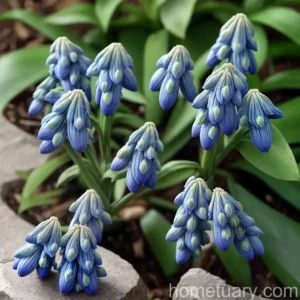
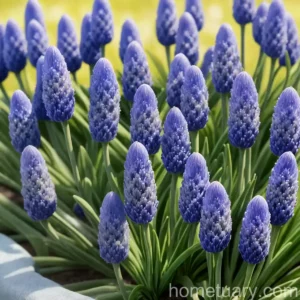
Hosta hypoleuca, a species within the genus Hosta, is characterized by its large, heart-shaped, blue-green leaves and clusters of bell-shaped, fragrant flowers. It is a resilient and low-maintenance plant, making it an ideal choice for gardeners of various skill levels.
Key Takeaways – Hosta hypoleuca
Before delving into the details of how to best cultivate and care for Hosta hypoleuca, let’s highlight some key takeaways about this plant:
Hosta hypoleuca Cultivation
– Thrives in shady environments
– Adaptable to different soil types
– Resistant to deer and other pests
– Low-maintenance plant
Hosta hypoleuca Foliage
– Large, heart-shaped leaves
– Blue-green foliage with distinct leaf patterns
– Varied leaf sizes and textures
Hosta hypoleuca Flowers
– Bell-shaped, fragrant flowers
– Blooms during the summer months
– Attractive to pollinators
Hosta hypoleuca Garden Uses
– Ideal for shade gardens and woodland settings
– Suitable for borders, edging, and ground cover
– Effective in container gardens
Now, let’s explore each of these aspects in detail to gain a comprehensive understanding of Hosta hypoleuca.
Culture
Uses
Hosta hypoleuca is widely used in horticulture for both ornamental and practical purposes. Common uses of this plant include:
- Ornamental Landscaping: Hosta hypoleuca is prized for its attractive foliage and is often used to enhance the visual appeal of shady gardens.
- Shade Gardens: Due to its preference for shade, Hosta hypoleuca is a popular choice for gardeners seeking to create visually striking landscapes in shaded areas.
- Erosion Control: The dense foliage of Hosta hypoleuca makes it effective for controlling soil erosion on slopes and inclines.
- Container Gardening: Its versatility makes Hosta hypoleuca well-suited for container gardening, adding visual interest to patio and balcony spaces.
Water
Providing adequate water is crucial to ensure the health and vitality of Hosta hypoleuca. These plants thrive in moist, well-drained soil, and consistent watering is essential, especially during dry spells. However, it’s important to avoid overwatering, as this can lead to root rot and other water-related issues. A general guideline is to water hostas deeply once per week, or as needed based on environmental conditions.
Sunlight
Hosta hypoleuca is known for its ability to thrive in shaded environments, making it an excellent choice for gardens with limited direct sunlight. While some hosta varieties can tolerate more sun, Hosta hypoleuca generally prefers partial to full shade. This plant’s adaptation to shade makes it a valuable addition to landscapes with varying light conditions, such as woodland gardens and shaded borders.
Fertilizer
When it comes to fertilizing Hosta hypoleuca, a balanced approach is key. Applying a slow-release, balanced fertilizer in the spring can help provide the necessary nutrients for healthy growth. Additionally, incorporating organic matter into the soil, such as compost or well-rotted manure, can contribute to the overall soil fertility and support the long-term health of the plants.
Soil
Hosta hypoleuca is adaptable to various soil types, but it thrives in well-draining, humus-rich soil with a slightly acidic to neutral pH. Amending heavy clay soils with organic matter can improve drainage and soil structure, creating an optimal growing environment for hostas. Incorporating a layer of mulch around hostas also helps maintain soil moisture, suppress weeds, and promote root health.
Pruning
Pruning hostas primarily involves removing dead or damaged foliage and spent flower stalks. This simple practice helps maintain the plant’s appearance, promotes air circulation, and reduces the risk of disease. Pruning can be carried out throughout the growing season as needed, and the remnants of pruned leaves and flowers can be left in place to decompose, enriching the soil with organic matter.
Propagation
Hosta hypoleuca can be propagated through several methods, including division, seed propagation, and tissue culture. Division, in particular, is a common and reliable way to propagate hostas. This process involves dividing mature hostas into smaller sections, each with their own set of roots, and replanting them to establish new plants. Division is typically performed in the early spring before new growth emerges or in the fall after the growing season has concluded.
Container Popularity
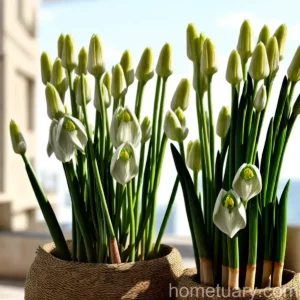
The adaptability and visual appeal of Hosta hypoleuca make it a popular choice for container gardening. Its lush foliage and attractive flowers can bring life to shaded patios, balconies, and outdoor living spaces. When growing Hosta hypoleuca in containers, it’s important to select pots with adequate drainage holes and use a well-draining potting mix. Regular watering and occasional fertilization are essential to support the plants’ growth in containers.
Common Diseases
Disease diagnosis
Hosta hypoleuca is susceptible to various foliar diseases, with some of the most common being:
- Fungal Leaf Spot: Characterized by dark spots or lesions on the foliage, fungal leaf spot can impact the overall appearance of the plant. Proper sanitation and good air circulation can help prevent the spread of this disease.
- Crown Rot: Excessive moisture or poor drainage can lead to crown rot, causing the crown and roots to rot. Avoiding overwatering and ensuring proper soil drainage are crucial preventive measures.
- Powdery Mildew: A white, powdery coating on the leaves indicates the presence of powdery mildew. Maintaining good air circulation and avoiding overhead watering can help prevent this fungal disease.
Early diagnosis and prompt intervention are essential for managing and preventing the spread of diseases in hostas. By promptly addressing signs of disease, such as discolored or distorted foliage, gardeners can effectively mitigate potential damage to their hosta plants.
Common Pests
While Hosta hypoleuca is generally resistant to pest infestations, it can still be affected by common garden pests, including slugs, snails, and certain insects. These pests may cause damage to the foliage by feeding on the plant’s leaves. To keep pest populations under control, gardeners can employ various strategies, including handpicking pests, using natural predators, and applying barrier methods such as copper tape or diatomaceous earth to protect hostas from slug and snail damage.
Botanist’s Tips
To ensure the successful cultivation of Hosta hypoleuca, consider the following tips from a botanist:
- Provide Adequate Shade: Select planting locations that offer partial to full shade to accommodate the plant’s preference for low light conditions.
- Enhance Soil Structure: Incorporate organic matter into the soil to improve drainage and promote soil fertility, creating an optimal growing environment for hostas.
- Monitor Watering: Keep an eye on soil moisture levels and water hostas consistently to maintain an adequate level of moisture without overwatering.
- Practice Prevention: Regularly inspect plants for signs of disease or pest activity, and take preventive measures to maintain the plants’ health and vigor.
Fun Facts
As we wrap up our exploration of Hosta hypoleuca, let’s uncover some intriguing and fun facts about this fascinating plant:
- Hostas are commonly known as “plantain lilies,” although they are not true lilies.
- The flowers of Hosta hypoleuca are fragrant, attracting pollinators such as bees and butterflies.
- Hostas are edible and are consumed in some cuisines, particularly in Japan and Korea, where they are known as “urui.”
Links to External Resources
For additional information on Hosta hypoleuca, consider exploring the following external resources:
Conclusion
Hosta hypoleuca, with its distinctive foliage and adaptability to shaded environments, holds a special place in the world of ornamental gardening. Whether used in shaded landscapes, container gardens, or as a ground cover, Hosta hypoleuca adds visual interest and natural beauty to outdoor spaces. By understanding its cultural requirements, addressing potential diseases and pests, and utilizing propagation methods, gardeners can cultivate healthy and thriving Hosta hypoleuca plants. As we appreciate the allure of its blue-green leaves and fragrant flowers, Hosta hypoleuca continues to captivate the hearts of gardeners and plant enthusiasts worldwide.
Remember, successful plant cultivation comes with a combination of knowledge, patience, and attentive care. With these elements at the forefront, gardeners can enjoy the resplendent beauty of Hosta hypoleuca in their outdoor sanctuaries.