Hosta ‘Pocketful Of Sunshine’ (Plantain Lily)
Hosta ‘Pocketful of Sunshine’ is a popular perennial plant known for its stunning foliage and versatility in landscaping. As a plant scientist with a.
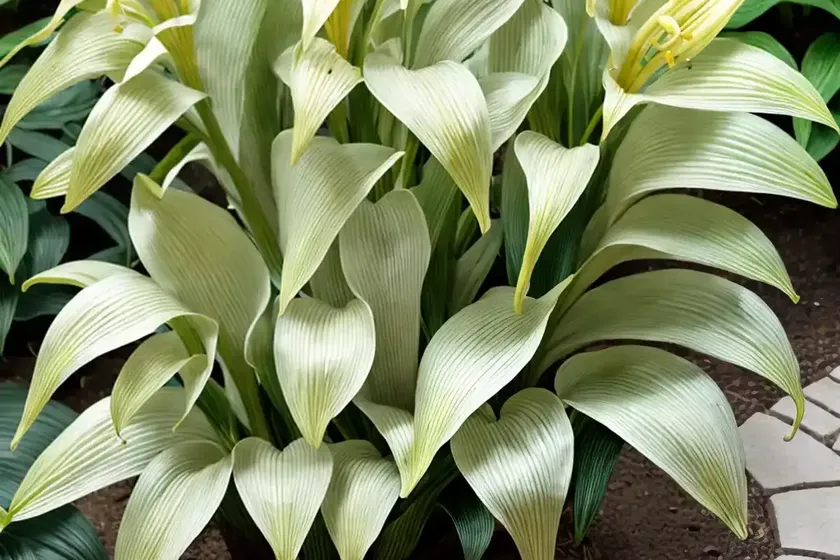
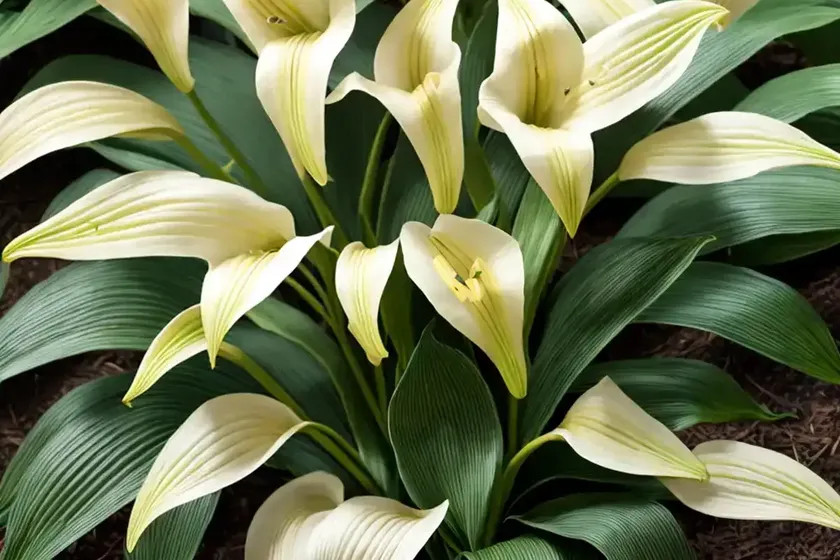
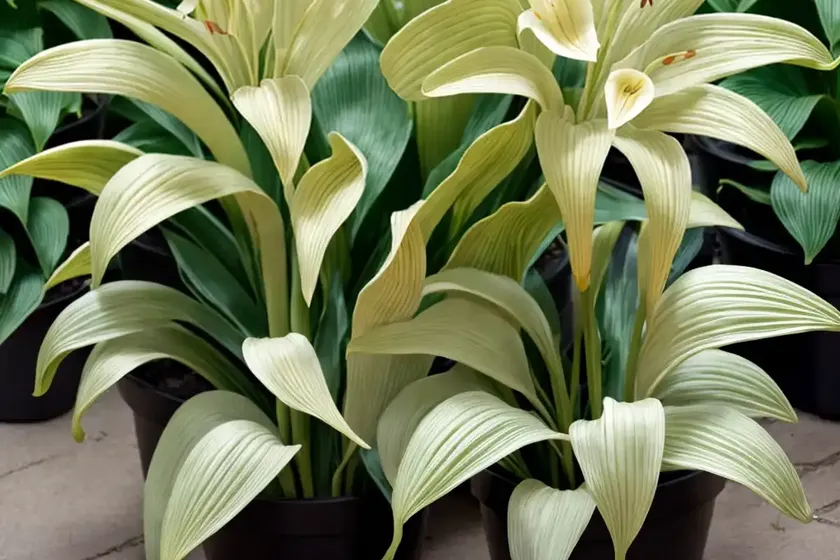
Hosta ‘Pocketful of Sunshine’ is a popular perennial plant known for its stunning foliage and versatility in landscaping. As a plant scientist with a passion for exploring the intricacies of plant life, I am excited to delve into the world of Hosta ‘Pocketful of Sunshine’ and provide a comprehensive guide on its cultivation, characteristics, uses, and maintenance. In this guide, we will cover everything from its cultural requirements to its propagation methods, common diseases, and interesting facts. Whether you are a gardening enthusiast, a landscape designer, or simply a nature lover, this guide aims to equip you with in-depth knowledge about this beautiful plant.
What is Hosta ‘Pocketful of Sunshine’?
Hosta ‘Pocketful of Sunshine’, commonly known as Plantain Lily, belongs to the Hosta genus, which comprises approximately 70 species of herbaceous perennial plants. Native to northeast Asia, particularly China, Japan, and Korea, Hosta species are renowned for their attractive foliage and adaptability to various growing conditions. ‘Pocketful of Sunshine’ is a cultivar of the Hosta plantain lily, celebrated for its vibrant and variegated leaves, making it a sought-after choice for shade gardens, borders, and containers.
Key Takeaways – Hosta ‘Pocketful of Sunshine’
Before we delve into the specifics of caring for Hosta ‘Pocketful of Sunshine’, let’s highlight the key takeaways that we will explore in this guide:
- Culture
- Uses
- Water
- Sunlight
- Fertilizer
- Soil
- Pruning
- Propagation
- Container Popularity
- Common Diseases
- Disease Diagnosis
- Common Pests
- Botanist’s Tips
- Fun Facts
- Links to External Resources
Now, let’s embark on our journey to understand the nuances of caring for and appreciating Hosta ‘Pocketful of Sunshine’.
Culture
Understanding the cultural requirements of Hosta ‘Pocketful of Sunshine’ is essential for successfully cultivating and maintaining this plant. Let’s explore each aspect in detail:
Uses
Hosta ‘Pocketful of Sunshine’ has a range of uses in landscaping and gardening:
- Shade Gardens: Its tolerance for shade makes it an ideal choice for shaded areas in gardens where other plants might struggle to thrive.
- Borders and Edging: The vibrant foliage of ‘Pocketful of Sunshine’ creates striking borders and adds an elegant touch to garden edges.
- Containers: Its compact size and attractive leaves make it a popular choice for container gardening, allowing individuals to enjoy its beauty on patios, balconies, and other confined spaces.
- Groundcover: When planted en masse, Hosta ‘Pocketful of Sunshine’ can serve as an effective groundcover, filling in bare areas with its lush foliage.
- Focal Point: Its unique leaf patterns and colors also make it a captivating focal point in garden beds or landscape designs.
Water
Hosta ‘Pocketful of Sunshine’ requires regular watering to thrive, particularly during the growing season. However, it is important to ensure that the soil is well-draining to prevent waterlogging, which can lead to root rot. Here are some guidelines for watering ‘Pocketful of Sunshine’:
- Established Plants: Water deeply once or twice a week, ensuring that the soil is moist but not waterlogged.
- Newly Planted Hostas: Provide more frequent watering until the plants are established, ensuring that the root ball remains consistently moist.
- Dry Spells: During periods of drought or high temperatures, monitor the soil moisture closely and increase watering as needed to prevent wilting.
Sunlight
Hosta ‘Pocketful of Sunshine’ is renowned for its ability to thrive in shaded conditions, making it an excellent choice for shade gardens and areas with filtered sunlight. While it can tolerate some morning sun, providing it with dappled or partial shade is ideal for maintaining the health and vibrancy of its foliage. When selecting a planting location, consider the following sunlight requirements:
- Filtered Sunlight: Choose a location that receives indirect or filtered sunlight, such as under the canopy of trees or near structures that provide partial shade.
- Avoid Midday Sun: Protect ‘Pocketful of Sunshine’ from intense midday sun, as prolonged exposure to direct sunlight can scorch its leaves and affect its overall health.
- Morning Sun: In cooler climates, it can tolerate some morning sun, but it is crucial to ensure that it receives adequate shade during the hotter parts of the day.
Fertilizer
Proper fertilization is essential for promoting healthy growth and vibrant foliage in Hosta ‘Pocketful of Sunshine’. When applying fertilizer, it is important to focus on balanced nutrition and avoid excess nitrogen, which can lead to excessive leaf growth at the expense of flower production. Here are some tips for fertilizing ‘Pocketful of Sunshine’ Hostas:
- Timing: Apply a balanced, slow-release fertilizer in early spring as new growth emerges, following the guidelines provided on the product label.
- Avoid High-Nitrogen Fertilizers: Choose a fertilizer with a balanced NPK ratio, such as 10-10-10 or 12-12-12, to provide essential nutrients without promoting excessive foliage growth.
- Top-Dressing: Consider top-dressing the soil around Hosta ‘Pocketful of Sunshine’ with organic compost or well-rotted manure in spring to enrich the soil and support its nutrient needs throughout the growing season.
Soil
The soil composition and quality play a crucial role in the health and vitality of Hosta ‘Pocketful of Sunshine’. It thrives in well-draining, organically rich soil that provides the necessary nutrients for robust growth. Here are some soil considerations to keep in mind when cultivating ‘Pocketful of Sunshine’ Hostas:
- Well-Draining Soil: Ensure that the soil has good drainage to prevent waterlogging, as saturated soil can lead to root rot and other issues.
- Organic Matter: Enrich the soil with organic matter, such as compost or well-rotted manure, to improve its structure and fertility.
- pH Level: Hosta ‘Pocketful of Sunshine’ prefers slightly acidic to neutral soil, with a pH range of 6.0 to 7.5. Conduct a soil test to determine the pH of the planting area and make amendments as needed to achieve the optimal pH range.
Pruning
Pruning Hosta ‘Pocketful of Sunshine’ serves multiple purposes, including maintaining its aesthetic appeal, rejuvenating the plant, and preventing the buildup of debris and old foliage. Here are some key pruning practices for ‘Pocketful of Sunshine’:
- Spring Cleanup: In early spring, remove any damaged, yellowed, or tattered leaves to promote new growth and enhance the overall appearance of the plant.
- Faded Flowers: Deadhead the spent flower stems to prevent the plant from expending energy on seed production, directing its resources towards foliage vigor.
- Division: Every few years, consider dividing mature Hosta ‘Pocketful of Sunshine’ plants to rejuvenate them and create new plantings. Dividing can help prevent overcrowding and maintain the vigor of the plant.
Propagation
Hosta ‘Pocketful of Sunshine’ can be propagated through several methods, including division, seed sowing, and tissue culture. Division is the most common and reliable method for propagating established plants. Here’s an overview of the propagation process for ‘Pocketful of Sunshine’:
Division
- Timing: The best time to divide Hosta ‘Pocketful of Sunshine’ is in early spring as new shoots emerge or in early fall before the onset of cold weather.
- Preparation: Water the plant thoroughly a day before dividing to ensure that the soil is adequately moist. Prepare the new planting holes or containers for the divisions.
- Division: Carefully dig up the entire clump of Hosta ‘Pocketful of Sunshine’ and use a sharp garden knife or spade to separate it into smaller sections, ensuring that each division has healthy roots and several growing points (eyes).
- Planting: Replant the divisions at the same depth as the original plant, spacing them according to their mature size, and water them well after planting to promote establishment.
Container Popularity
The compact size and ornamental foliage of Hosta ‘Pocketful of Sunshine’ make it a popular choice for container gardening. When growing ‘Pocketful of Sunshine’ in containers, it is important to pay attention to the following considerations:
- Container Size: Select a container that provides ample room for the plant’s root system and accommodates its mature size. A depth of at least 12 inches is generally recommended.
- Drainage Holes: Ensure that the container has sufficient drainage holes to prevent waterlogging and maintain proper soil moisture levels.
- Potting Mix: Use a well-draining potting mix enriched with organic matter to provide the necessary nutrients and support healthy growth.
- Watering: Monitor the moisture level of the soil closely, particularly during the warmer months, and water the plant as needed to keep the soil consistently moist but not waterlogged.
Common Diseases
Like all plants, Hosta ‘Pocketful of Sunshine’ is susceptible to certain diseases that can affect its overall health and appearance. Being aware of these diseases and their symptoms is crucial for implementing timely measures to protect the plant. Some common diseases that can affect ‘Pocketful of Sunshine’ Hostas include:
- Fungal Diseases: This includes issues such as anthracnose, leaf spot, and crown rot, which can manifest as discolored or necrotic areas on the leaves and stems.
- Viral Diseases: Hosta Virus X (HVX) and other viral infections can cause mottling, streaking, and distortion of the foliage.
- Bacterial Diseases: Bacterial infections can lead to wilting, rotting, and discoloration of the leaves and stems.
Disease Diagnosis
In order to accurately diagnose and address diseases affecting Hosta ‘Pocketful of Sunshine’, it is important to carefully observe the plant and its symptoms. Here are some steps for disease diagnosis:
- Symptom Identification: Look for telltale signs of disease, including abnormal discoloration, spotting, wilting, or deformities in the foliage.
- Pattern Recognition: Note any patterns in the distribution of symptoms, as certain diseases may exhibit distinct patterns, such as concentric rings or angular lesions.
- Professional Help: If unsure about the diagnosis, consider seeking the expertise of a plant pathologist or horticultural expert who can provide insights and potential solutions.
- Preventive Measures: Implement preventive measures, such as promoting good air circulation, avoiding overhead watering, and maintaining plant hygiene, to reduce the risk of diseases.
Common Pests
While Hosta ‘Pocketful of Sunshine’ is relatively resistant to pests, it can still fall victim to certain insects and animals that may feed on its foliage or cause damage to the plant. Some common pests that may affect ‘Pocketful of Sunshine’ Hostas include:
- Slugs and Snails: These voracious feeders can leave behind ragged holes and silvery slime trails on the leaves, particularly in moist conditions.
- Deer and Rabbits: In areas with high deer or rabbit populations, Hostas may be susceptible to grazing damage, with leaves and stems being consumed by these animals.
Botanist’s Tips
Drawing upon my expertise as a plant scientist, I would like to share some valuable tips for cultivating and enjoying Hosta ‘Pocketful of Sunshine’:
- Mulching: Apply a layer of organic mulch, such as shredded bark or leaf mold, around the base of ‘Pocketful of Sunshine’ to conserve moisture, suppress weeds, and insulate the roots.
- Companion Planting: Pair ‘Pocketful of Sunshine’ with companion plants that complement its color, texture, and growing requirements, such as Heuchera, Ferns, and Astilbe.
- Seasonal Maintenance: Conduct regular maintenance tasks throughout the growing season, including weeding, monitoring for pests and diseases, and ensuring adequate moisture levels.
Fun Facts
To enrich your appreciation for Hosta ‘Pocketful of Sunshine’, here are some intriguing and delightful facts about this captivating plant:
- National Flower of Korea: In South Korea, Hosta species, including Hosta ‘Pocketful of Sunshine’, are celebrated as the national flower.
- Cultural Significance: In Japanese folklore, Hosta plants are associated with the concept of elegance and are often depicted in art and literature.
- Edible Flowers: The flowers of Hosta plants, including ‘Pocketful of Sunshine’, are edible and can be used to add a unique touch to salads and culinary creations.
Links to External Resources
To further expand your knowledge and explore additional resources on Hosta ‘Pocketful of Sunshine’, I recommend the following links for valuable insights and practical guidance:
- American Hosta Society: Website
- The Hosta Library: Website
- Royal Horticultural Society (RHS): Growing Hostas
- University of Maryland Extension: Hosta Diseases and Pests
- Plant Care Today: How to Grow Hostas in Containers
In conclusion, Hosta ‘Pocketful of Sunshine’ is a remarkable plant that captivates with its exuberant foliage and adaptability to various growing conditions. By understanding its cultural needs, uses, and maintenance requirements, you can cultivate thriving and visually stunning displays of ‘Pocketful of Sunshine’ Hostas in your garden, landscape, or containers. Embrace the beauty and charm of this resilient perennial, and let its luminous foliage brighten your outdoor spaces.
Elevate your gardening experience with Hosta ‘Pocketful of Sunshine’, and discover the endless possibilities for incorporating its elegance and allure into your green spaces. Happy gardening!
To conclusively summarize this lengthy research on Hosta ‘Pocketful of Sunshine’ (Plantain Lily), it’s crucial to deeply dive into the inner sanctum of plant life and detail how to cultivate, incorporate, and care for this exceptional perennial. This guide covers every aspect, catering to gardening enthusiasts, horticulturists, and nature lovers, offering the comprehensive insights needed to ensure your plant’s health and vitality.