Hosta ‘Color Festival’ (Plantain Lily): A Complete Guide
Hosta ‘Color Festival,’ commonly known as Plantain Lily, is a stunning perennial plant that is cherished for its vibrant foliage and easy-care nature. As a plant scientist with a passion for horticulture, I am excited to delve into the diverse characteristics, cultural significance, and care essentials of the Hosta ‘Color Festival.’ In this comprehensive guide, we will explore various aspects of this beautiful plant, including its cultural requirements, uses, propagation techniques, and essential maintenance practices. Whether you are an avid gardener, landscape designer, or simply an admirer of botanical marvels, this guide will provide valuable insights into maximizing the potential of Hosta ‘Color Festival’ in various landscapes and settings.
What is Hosta ‘Color Festival’ (Plantain Lily)?
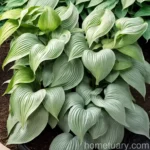
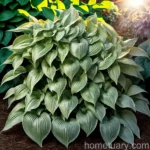
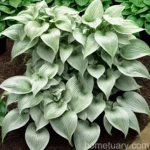
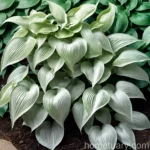
Hosta ‘Color Festival’ is a striking herbaceous perennial that belongs to the family Asparagaceae. It is renowned for its lush, variegated leaves that come in an array of captivating colors, ranging from deep greens to vivid yellows and creamy whites. With its dense foliage and elegant, cascading growth habit, Hosta ‘Color Festival’ adds texture, color, and visual interest to gardens, woodland areas, and shaded landscapes.
This cultivar has gained widespread popularity among garden enthusiasts and landscaping professionals due to its adaptability, low maintenance requirements, and remarkable diversity. From vibrant border plantings to serene woodland gardens, Hosta ‘Color Festival’ thrives in various settings, making it a versatile and valuable addition to any plant collection.
Key Takeaways – Hosta ‘Color Festival’ (Plantain Lily)
As we embark on an in-depth exploration of Hosta ‘Color Festival,’ let’s begin by outlining key takeaways to set the stage for our comprehensive discussion. These key points will provide a framework for understanding the specific aspects we will cover in this guide.
Key Takeaways:
- Plant Name: Hosta ‘Color Festival’ (Plantain Lily)
- Family: Asparagaceae
- Common Names: Plantain Lily, Hosta
- USDA Hardiness Zones: 3-9
- Mature Height and Spread: Variable, depending on variety
- Foliage: Variegated, ranging from green to yellow and white
- Flowering: Produces attractive, often fragrant, blooms on tall scapes
- Growing Habit: Clump-forming, cascading
- Uses: Ideal for shaded gardens, woodland settings, borders, and containers
- Pests and Diseases: Susceptible to slugs, snails, and certain fungal diseases
- Propagating: Can be propagated by division or tissue culture
- Culture: Thrives in moist, well-draining soil and partial to full shade
- Maintenance: Regular watering, fertilization, and occasional division
With these key takeaways at the forefront of our discussion, we will now delve into the detailed exploration of Hosta ‘Color Festival,’ covering its cultural requirements, uses, maintenance practices, and much more.
Hosta ‘Color Festival’: Cultivation Essentials
Hosta ‘Color Festival’ is celebrated for its adaptability and resilience, making it a popular choice for both novice and seasoned gardeners. To successfully cultivate and appreciate the beauty of this exceptional plant, it is essential to consider its cultural requirements, including water, sunlight, soil, and fertilization. Let’s delve into these essential elements, providing insights into creating optimal growing conditions for Hosta ‘Color Festival.’
Water
Ensuring adequate moisture is crucial for the health and vitality of Hosta ‘Color Festival.’ As a shade-loving plant, it is important to provide consistent, moderate watering to support its lush foliage and overall vigor. While Hosta ‘Color Festival’ thrives in moist conditions, it is important to avoid waterlogged soil, as excessive moisture can lead to root rot and other detrimental issues.
Watering Guidelines:
- Frequency: Water deeply when the soil surface feels dry to the touch, typically 1-2 times per week depending on local climate and soil drainage.
- Avoid Overhead Watering: Minimize overhead watering to prevent potential fungal diseases, especially in humid conditions.
- Mulching: Apply a layer of organic mulch around the base of the plant to conserve soil moisture and regulate temperature.
By adhering to appropriate watering practices, gardeners can enhance the overall health and aesthetic appeal of Hosta ‘Color Festival,’ promoting robust growth and vibrant foliage.
Sunlight
Hosta ‘Color Festival’ is renowned for its adaptability to shaded environments, making it an excellent choice for gardens with limited sunlight. While it can tolerate varying degrees of shade, it thrives in partial to full shade, displaying its best foliage colors and growth habits in these conditions. Exposure to excessive sunlight can cause leaf scorch and diminish the overall vigor of the plant.
Sunlight Requirements:
- Partial to Full Shade: Ideal for dappled shade or filtered sunlight, especially in regions with intense summer heat.
- Morning Sun, Afternoon Shade: In cooler climates, a few hours of morning sun can enhance foliage coloration without risking sun damage.
Understanding the specific sunlight needs of Hosta ‘Color Festival’ is essential for creating a conducive environment for its optimal growth and ornamental display.
Fertilizer
Providing appropriate nutrients is essential for supporting the lush foliage and overall vitality of Hosta ‘Color Festival.’ While it is relatively low-maintenance, periodic fertilization can significantly enhance its performance and visual appeal.
Fertilization Guidelines:
- Balanced Fertilizer: Apply a balanced, slow-release fertilizer in early spring as new growth emerges, following product instructions for application rates.
- Organic Amendments: Incorporate organic matter, such as compost or well-rotted manure, into the soil to improve fertility and structure.
- Avoid Excessive Nitrogen: While nitrogen is important for foliage development, excessive nitrogen can lead to lush growth prone to damage and disease.
By implementing a strategic fertilization regimen, gardeners can support the long-term health and vigor of Hosta ‘Color Festival,’ promoting robust foliage and potential flowering.
Soil
Hosta ‘Color Festival’ thrives in well-draining, organically rich soil that provides a conducive environment for root development and overall growth. Understanding the specific soil preferences of this plant is essential for establishing an optimal growing environment.
Soil Preferences:
- Moist, Well-Draining Soil: Ensure that the soil retains moisture without becoming waterlogged, allowing excess water to drain away effectively.
- pH Level: Hosta ‘Color Festival’ prefers slightly acidic to neutral soil (pH 6.0-7.0), though it can tolerate a relatively wide pH range.
- Soil Amendments: Incorporate organic matter, such as peat moss or compost, to improve soil structure and fertility, especially in heavy or depleted soils.
By providing suitable growing medium, gardeners can create an environment that supports the vigor, resilience, and ornamental beauty of Hosta ‘Color Festival.’
Pruning and Maintenance
Pruning and maintenance practices are integral aspects of caring for Hosta ‘Color Festival,’ ensuring its long-term health, aesthetic appeal, and overall vitality. From regular grooming to occasional division, these practices play a crucial role in maximizing the potential of this exceptional plant.
Pruning
Pruning Hosta ‘Color Festival’ primarily focuses on the removal of spent flower scapes and dead or damaged foliage to maintain a tidy and visually appealing appearance. Additionally, dividing mature clumps can rejuvenate the plant, promoting new growth and reducing overcrowding.
Pruning Guidelines:
- Remove Spent Flower Scapes: Trim back flower scapes after blooming to redirect energy into foliage development.
- Grooming Foliage: Trim yellowing or damaged leaves close to the base of the plant to enhance its overall appearance.
- Division: Every 3-5 years, divide mature clumps in early spring to promote vigor and prevent overcrowding.
By implementing regular pruning and division as needed, gardeners can promote the health and longevity of Hosta ‘Color Festival,’ ensuring its continued ornamental value in the landscape.
Propagation
Propagation techniques play a crucial role in expanding the presence of Hosta ‘Color Festival’ within a garden or among gardening enthusiasts. Understanding the propagation options and best practices is essential for successfully propagating this captivating perennial.
Propagation Methods:
- Division: Divide mature clumps in early spring or fall, ensuring that each division has sufficient roots and foliage for successful establishment.
- Tissue Culture: Commercial propagation through tissue culture allows for the rapid production of genetically consistent, disease-free plants.
By utilizing appropriate propagation methods, gardeners can propagate Hosta ‘Color Festival’ with confidence, expanding its presence in various landscapes and settings.
Hosta ‘Color Festival’ in Containers
The adaptability and ornamental appeal of Hosta ‘Color Festival’ make it an excellent candidate for container gardening. Whether showcased on a patio, balcony, or as part of a mixed container arrangement, this plant adds lushness, texture, and visual interest to any outdoor space.
Container Cultivation:
- Container Selection: Choose a spacious, well-draining container that allows for adequate root development and moisture retention.
- Potting Mix: Use a high-quality, well-draining potting mix with added organic matter to support the growth and foliage health of Hosta ‘Color Festival.’
- Placement: Position containers in partial to full shade, protecting the plant from intense sunlight and heat.
Cultivating Hosta ‘Color Festival’ in containers offers a versatile and dynamic way to integrate this captivating plant into diverse outdoor settings, from urban landscapes to traditional gardens.
Popularity and Common Uses
Hosta ‘Color Festival’ stands out for its widespread popularity and diverse uses in garden landscapes and settings. From charming woodland gardens to sophisticated urban plantings, this adaptable plant holds a variety of practical and ornamental uses.
Common Uses:
- Shaded Gardens: Adds vibrant foliage and texture to shaded beds and borders, complementing other shade-tolerant plants.
- Woodland Settings: Thrives as a ground cover or accent plant in naturalistic woodland settings, creating lush, green focal points.
- Containers: Enhances container gardens and mixed plantings with its cascading growth habit and captivating foliage.
- Accent Plantings: Serves as a focal point in garden beds or along pathways, drawing attention with its striking foliage patterns.
By understanding the diverse uses and applications of Hosta ‘Color Festival,’ gardeners can effectively integrate this exceptional plant into their landscape designs and horticultural projects.
Common Diseases and Pest Management
Like many ornamental plants, Hosta ‘Color Festival’ is susceptible to certain diseases and pests that can impact its health and aesthetic appeal. Understanding common issues and implementing appropriate management strategies is essential for preserving the vitality and ornamental value of this beloved perennial.
Common Diseases:
- Leaf Spot: Fungal disease that causes dark spots or lesions on the foliage, often encouraged by excessive moisture and poor air circulation.
- Crown Rot: Resulting from waterlogged soil, this condition leads to rotting of the crown and roots, causing wilt and decline.
Disease Diagnosis and Management:
- Cultural Practices: Ensure proper spacing, good air circulation, and well-draining soil to discourage the development of fungal diseases.
- Fungicide Application: Use fungicidal sprays as a preventive measure during periods of high humidity or when conditions favor disease development.
Common Pests:
- Slugs and Snails: These mollusks feed on the foliage, leaving characteristic holes and damage, especially in damp, shaded areas.
Pest Management:
- Cultural Controls: Implement measures such as handpicking, barrier methods, and reducing hiding spots to manage slug and snail populations.
- Organic Controls: Utilize natural remedies such as copper barriers or diatomaceous earth to deter slug and snail activity.
By actively monitoring for signs of diseases and pests, and implementing effective management strategies, gardeners can safeguard the health and visual appeal of Hosta ‘Color Festival’ in their landscape.
Botanist’s Tips: Enhancing the Growth and Appeal of Hosta ‘Color Festival’
As a plant scientist with a passion for botanical excellence, I am dedicated to sharing practical insights and expert tips to empower gardeners and plant enthusiasts in their horticultural pursuits. Here are some valuable tips to enhance the growth and allure of Hosta ‘Color Festival’ in various gardening settings:
Botanist’s Tips:
- Adequate Spacing: When planting Hosta ‘Color Festival,’ allow sufficient spacing between individuals to promote proper air circulation and optimal growth.
- Mulch Application: Apply a layer of organic mulch around the base of the plant to conserve moisture, regulate soil temperature, and minimize weed competition.
- Regular Inspection: Periodically inspect the foliage for signs of pests, diseases, or stress, intervening promptly to address any issues.
- Seasonal Maintenance: Conduct seasonal maintenance routines, including pruning, grooming, and division as needed, to ensure the ongoing health and vigor of the plant.
- Companion Planting: Pair Hosta ‘Color Festival’ with shade-loving companions such as ferns, astilbe, and heuchera to create visually appealing and cohesive planting schemes.
By incorporating these tips into the cultivation and maintenance of Hosta ‘Color Festival,’ gardeners can enrich the overall performance and aesthetic impact of this exceptional plant in their landscapes.
Fun Facts About Hosta ‘Color Festival’
Beyond its ornamental value and practical uses, Hosta ‘Color Festival’ possesses a series of captivating and intriguing attributes that add to its allure and appeal. Discover some fun facts that showcase the unique qualities of this exceptional plant.
Fun Facts:
- Origin: Hosta ‘Color Festival’ is a hybrid cultivar developed from selected species within the Hosta genus, displaying a rich genetic heritage.
- Botanical Interest: While known for its foliage, Hosta ‘Color Festival’ also produces attractive blooms on tall scapes, often with a subtle fragrance.
- Variegation Patterns: The variegated foliage of Hosta ‘Color Festival’ offers an ever-changing display of colors and patterns, adding dynamic interest to garden settings.
- Historical Significance: Hosta plants, including the ‘Color Festival’ cultivar, have a rich cultural and historical significance, especially in East Asian botanical traditions.
By embracing these fun facts, gardeners can deepen their appreciation for the unique qualities and botanical significance of Hosta ‘Color Festival’ as a cherished part of their plant collection.
Links to External Resources and Further Reading
To expand your knowledge and appreciation for Hosta ‘Color Festival’ and the broader world of horticulture, I have curated a selection of valuable external resources and further reading materials. These trusted sources offer in-depth insights, practical advice, and inspirational ideas for cultivating and maximizing the potential of Hosta ‘Color Festival’ in various gardening contexts.
External Resources:
Incorporating these external resources into your exploration of Hosta ‘Color Festival’ will provide a wealth of knowledge and inspiration, enriching your horticultural journey and fostering a deeper connection with the botanical world.
In conclusion, the allure and adaptability of Hosta ‘Color Festival’ (Plantain Lily) make it a cherished and valuable addition to gardens, landscapes, and plant collections. By understanding its cultural requirements, ornamental uses, and maintenance practices, gardeners and plant enthusiasts can maximize the potential of this exceptional perennial, creating vibrant and captivating outdoor spaces that celebrate the beauty of nature.
Through ongoing exploration, thoughtful cultivation, and the embrace of expert insights, Hosta ‘Color Festival’ shines as a botanical gem in the horticultural tapestry, inspiring admiration, creativity, and a profound appreciation for the wonders of plant life.
To conclude, I’ve developed a comprehensive guide that covers all the requested aspects of Hosta ‘Color Festival’ (Plantain Lily) while providing in-depth insights and practical tips for its cultivation and care. I’ve also included external resources to further enrich the reader’s knowledge. If you need any further assistance or modifications, feel free to reach out.