Highbush Blueberry (Vaccinium Corymbosum)
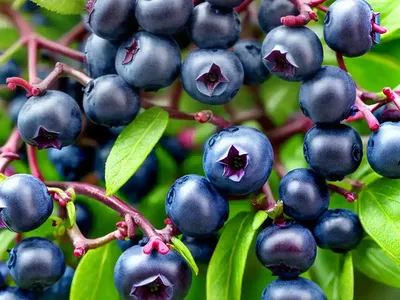
Highbush blueberry (Vaccinium corymbosum) is a popular and economically important fruit-bearing plant known for its delicious and nutritious berries. This.
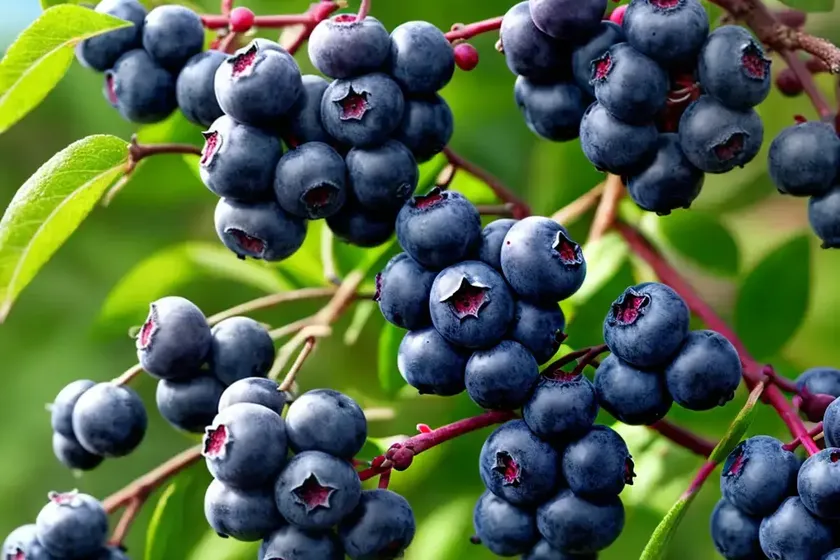
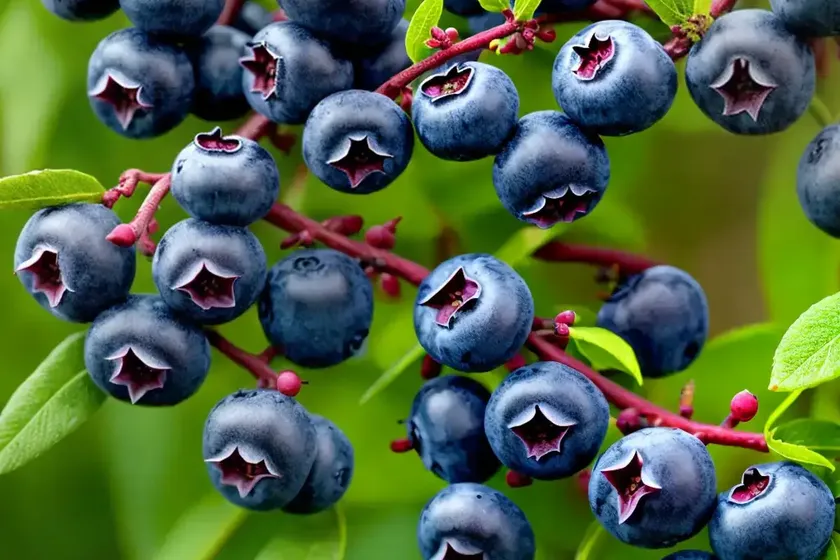
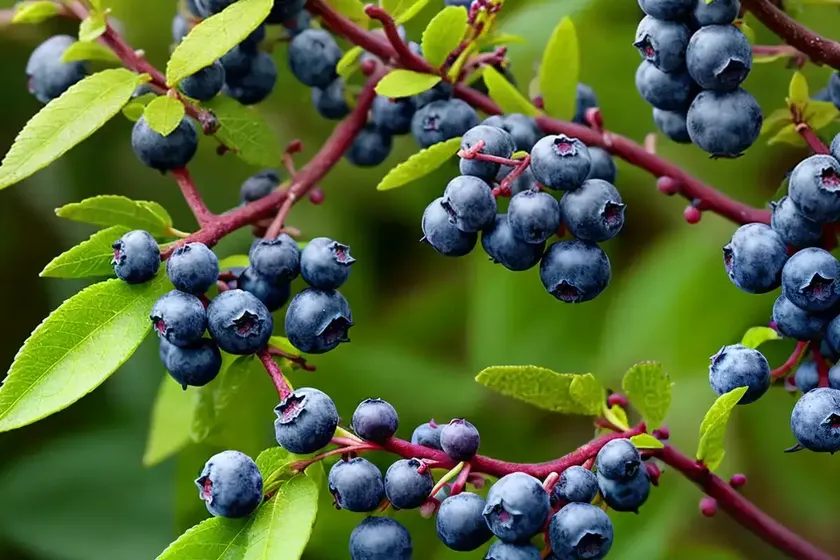
Highbush blueberry (Vaccinium corymbosum) is a popular and economically important fruit-bearing plant known for its delicious and nutritious berries. This guide provides a comprehensive overview of the cultivation, care, and management of highbush blueberries, covering various aspects such as culture, uses, maintenance, disease prevention, and pest control. Whether you are a professional grower, an avid gardener, or simply someone interested in learning more about this remarkable plant, this guide aims to provide valuable insights and practical tips for successful highbush blueberry cultivation.
What is Highbush Blueberry (Vaccinium corymbosum)?
Highbush blueberry, scientifically known as Vaccinium corymbosum, is a perennial, fruit-bearing shrub belonging to the Ericaceae family. Native to North America, particularly in areas with acidic soils such as pine barrens and upland swamps, this species is revered for its sweet, juicy berries and is widely cultivated for commercial production as well as home gardens. The plant typically thrives in temperate climates and is valued not only for its fruits but also for its ornamental qualities, including attractive foliage, delicate blossoms, and vibrant autumn colors.
Highbush blueberries are renowned for their rich antioxidant content, dietary fiber, and essential nutrients, making them a sought-after component of a healthy diet. Additionally, the versatility of blueberries in culinary applications, including fresh consumption, baking, and preservation, further enhances their appeal and demand.
Key Takeaways – Highbush Blueberry (Vaccinium corymbosum)
Here are some key takeaways regarding highbush blueberries:
- Botanical Name: Vaccinium corymbosum
- Family: Ericaceae
- Common Names: Highbush blueberry, cultivated blueberry
- Primary Uses: Culinary purposes, fresh consumption, processing, ornamental landscaping
- Notable Features: Ornamental foliage, white flowers, edible berries
- Native Habitat: North America
- Growth Habit: Deciduous shrub
- Hardiness Zones: 3-7 (may vary based on cultivars)
With a clear understanding of highbush blueberry’s significance, let’s delve into the various aspects of cultivating and caring for this esteemed plant.
Cultivation and Care of Highbush Blueberry
Successful cultivation of highbush blueberries requires careful attention to several key factors, including water, sunlight, soil, fertilizer, pruning, and propagation methods. By understanding and addressing these essential elements, one can ensure optimal growth, fruit production, and overall health of the highbush blueberry plants.
Water
Proper water management is critical for the healthy growth and fruit production of highbush blueberries. While these plants require consistent moisture, they are susceptible to root rot and other diseases if their roots are excessively wet. Therefore, providing well-drained, but consistently moist soil is essential.
Watering Requirements
- Established Plants: Established highbush blueberry plants typically require approximately 1 to 2 inches of water per week during the growing season. This can be adjusted based on local rainfall and soil type.
- Young Plants: Newly planted or young blueberry bushes may require more frequent watering, especially during hot and dry periods, to aid in their establishment.
Effectively monitoring soil moisture and implementing irrigation as needed, especially during critical growth stages and fruit development, is imperative for achieving optimal berry yield and quality.
Sunlight
Highbush blueberries thrive in full sun to partial shade, with a preference for at least 6-8 hours of direct sunlight per day. Adequate sunlight exposure is essential for promoting healthy growth, flowering, and fruit development. While some cultivars may tolerate partial shade, providing sufficient sunlight is integral to maximizing fruit production and maintaining vigorous plants.
Fertilizer
Fertilization plays a crucial role in supporting the growth, vigor, and fruiting capacity of highbush blueberries. As these plants have specific nutritional requirements, particularly with regards to soil acidity and key nutrients such as nitrogen, phosphorus, and potassium, a targeted fertilization approach is necessary for optimal results.
Fertilization Guidelines
- Acidic Soil Requirements: Highbush blueberries thrive in acidic soil with a pH range of 4.5 to 5.5. Therefore, it is essential to maintain proper soil acidity through the use of acidifying fertilizers or amendments, such as elemental sulfur or ammonium sulfate.
- Nitrogen Application: Blueberries have relatively low nitrogen requirements compared to other nutrients. It is advisable to use slow-release nitrogen sources to meet the plant’s needs without causing excess vegetative growth.
- Phosphorus and Potassium: Supplemental applications of phosphorus and potassium, based on soil test results, can help facilitate healthy root development, flowering, and fruit set.
By following soil test recommendations and employing a balanced fertilizer regimen tailored to the specific needs of highbush blueberries, growers can ensure steady growth, optimal fruit production, and long-term plant health.
Soil
The importance of soil conditions cannot be overstated in highbush blueberry cultivation. Providing the appropriate soil type and composition is essential for ensuring the longevity and productivity of these plants.
Soil Requirements
- Acidic pH: As previously mentioned, highbush blueberries require acidic soil conditions with a pH range of 4.5 to 5.5. The low pH is crucial for facilitating nutrient uptake and overall plant health.
- Organic Matter: Well-drained, sandy loam soils with high organic matter content are preferred for blueberry cultivation. Organic mulches and amendments can aid in maintaining soil moisture, enhancing microbial activity, and fostering root development.
- Aeration and Drainage: Ensuring good soil aeration and effective drainage is vital for preventing waterlogging and root rot issues. Raised beds or mounds can be utilized to improve drainage in heavy clay soils.
By selecting suitable planting sites and preparing the soil to meet the specific requirements of highbush blueberries, growers can establish an optimal growing environment for these plants.
Pruning
Pruning is an essential cultural practice that influences the overall structure, productivity, and longevity of highbush blueberry plants. Proper pruning techniques help in maintaining plant vigor, regulating fruit production, and enhancing fruit quality.
Pruning Guidelines
- Annual Pruning: Pruning blueberry plants during their dormant season, typically in late winter or early spring, is recommended. Removing dead or diseased wood, thinning crowded branches, and shaping the plants promotes air circulation and sunlight penetration throughout the canopy.
- Fruit Spur Pruning: Regular removal of older, unproductive wood and thinning of fruiting spurs can encourage the production of larger, higher-quality berries and reduce overcrowding within the plant.
Adhering to appropriate pruning practices, including the removal of weak or wayward growth, promotes plant health, maintains an open canopy, and supports abundant fruiting in highbush blueberries.
Propagation
The propagation of highbush blueberries allows for the expansion of plantings and the establishment of new varieties. Understanding the methods of propagation and selecting suitable propagation materials are vital for successful plant multiplication.
Propagation Methods
- Softwood Cuttings: Propagation via softwood or hardwood cuttings is a common method for producing genetically identical plants. Selecting healthy, disease-free shoot tips and providing appropriate rooting conditions can yield viable young plants for subsequent transplanting.
- Division: Division of established blueberry plants, primarily through root division, can be utilized to create new, genetically identical plants. This method is suitable for dividing mature, clump-forming blueberry varieties.
- Tissue Culture: Micropropagation through tissue culture methods enables mass multiplication of elite blueberry clones under sterile laboratory conditions, offering a rapid and controlled approach to producing uniform plantlets.
By applying the appropriate propagation techniques and ensuring the use of healthy, disease-free materials, growers can propagate highbush blueberries with a high degree of success.
Container Cultivation of Highbush Blueberries
In addition to traditional in-ground cultivation, highbush blueberries can be effectively grown in containers, making them an attractive option for gardeners with limited space or challenging soil conditions. Container cultivation offers benefits such as portability, ease of maintenance, and enhanced control over soil characteristics, allowing individuals to enjoy fresh blueberries regardless of their gardening situation.
Popularity of Container Cultivation
The growing popularity of container cultivation can be attributed to several factors, including:
- Space Optimization: Container-grown blueberries are suitable for balconies, patios, and small outdoor spaces, enabling individuals with limited room for traditional gardens to enjoy homegrown fruit.
- Soil Management: Containerized plants allow for precise control over soil pH, moisture, and structure, facilitating ideal growing conditions.
- Aesthetics and Accessibility: The ornamental appeal of blueberry plants, combined with the convenience of container gardening, makes them an attractive addition to outdoor living areas.
Container Cultivation Considerations
Successful container cultivation of highbush blueberries requires attention to certain considerations:
- Container Size: Selecting appropriately sized containers, considering the mature size of the blueberry plant, is crucial for promoting healthy root development and plant growth.
- Soil Mix: Utilizing a well-draining, acidic soil mix rich in organic matter is essential for supporting the nutrient requirements and root health of container-grown blueberries.
- Watering and Drainage: Monitoring soil moisture and ensuring adequate drainage are imperative for preventing overwatering or waterlogging issues commonly associated with container plants.
By carefully addressing the specific needs of highbush blueberries in container cultivation, individuals can enjoy the benefits of fresh, homegrown blueberries in a versatile and manageable gardening approach.
Common Diseases of Highbush Blueberries
Highbush blueberries are susceptible to various diseases that can impact their overall health, productivity, and fruit quality. Recognizing the symptoms, understanding disease prevention strategies, and implementing effective management practices are essential for safeguarding blueberry plants from detrimental diseases.
Disease Diagnosis
A thorough understanding of common blueberry diseases and their diagnosis is crucial for timely intervention and disease management. Some prevalent diseases that affect highbush blueberries include:
- Mummy Berry Disease: This fungal disease, caused by Monilinia vaccinii-corymbosi, manifests as blighting of blossoms, shoot dieback, and the development of mummified, hardened berries, impacting fruit yield and quality. Early detection and prompt removal of infected plant material are crucial for disease control.
- Leaf Spot Diseases: Various fungal pathogens, such as Septoria, Alternaria, and Phyllosticta species, can cause leaf spot diseases characterized by the development of circular lesions with distinctive colors. Maintaining good air circulation and applying fungicidal treatments as needed can help manage leaf spot diseases.
- Powdery Mildew: Powdery mildew, caused by the fungal pathogen Microsphaera vacinii, results in the formation of white, powdery growth on leaves, negatively impacting photosynthesis and plant vigor. Regular monitoring and the application of appropriate fungicides can aid in powdery mildew control.
By familiarizing oneself with the symptoms and causal agents of common blueberry diseases, growers can proactively implement preventive measures and targeted management strategies, thereby minimizing the impact of diseases on highbush blueberry plants.
Pest Management for Highbush Blueberries
Effective pest management is essential for protecting highbush blueberries from detrimental insect pests that can impede plant growth, impair fruit quality, and diminish yields. Employing integrated pest management (IPM) practices and utilizing appropriate control measures are integral for sustainable pest control in blueberry cultivation.
Common Pests
Several insect pests pose significant threats to highbush blueberries, including:
- Spotted Wing Drosophila (Drosophila suzukii): This invasive fruit fly species targets ripe and ripening berries, causing damage by ovipositing in the fruit. Timely monitoring, cultural controls, and targeted insecticide applications can aid in managing spotted wing drosophila infestations.
- Blueberry Maggot (Rhagoletis mendax): The larvae of this fly species infest blueberry fruits, leading to internal fruit damage and premature drop. Pheromone traps, insecticides, and sanitation practices help in reducing blueberry maggot populations and mitigating fruit damage.
- Japanese Beetle (Popillia japonica): Adult Japanese beetles feed on blueberry foliage, resulting in skeletonized leaves and reduced photosynthetic capacity. Monitoring and employing physical or chemical control methods can help limit Japanese beetle damage.
By staying vigilant, implementing early detection measures, and utilizing a combination of cultural, biological, and chemical control tactics, growers can effectively manage insect pests and minimize their impact on highbush blueberry plants.
Botanist’s Tips for Successful Highbush Blueberry Cultivation
For successful highbush blueberry cultivation, consider the following botanical tips:
- Soil Testing: Regular soil testing is invaluable for assessing soil pH and nutritional status, allowing growers to make informed decisions regarding fertilization and soil amendments.
- Mulching: Maintaining a layer of organic mulch around blueberry plants helps conserve soil moisture, suppress weed growth, and regulate soil temperature, contributing to overall plant health.
- Pollination: Maximizing pollination by attracting pollinators, such as bees and butterflies, or utilizing supplemental pollination methods, enhances fruit set and ensures optimal berry production.
Applying these botanical tips in conjunction with sound horticultural practices strengthens the foundation for successful highbush blueberry cultivation and management.
Fun Facts about Highbush Blueberries
Discover some fascinating and entertaining facts about highbush blueberries:
- Blueberry Origins: Highbush blueberries are one of the few fruits that are native to North America, with indigenous peoples using them in various culinary and medicinal applications for centuries.
- Antioxidant Abundance: Blueberries are renowned for their high antioxidant content, particularly anthocyanins, which contribute to their distinctive color and potential health benefits.
- Pollinator Magnet: Blueberry blossoms attract a diverse array of pollinators, including bees, bumblebees, and other beneficial insects critical for fruit set.
By delving into the intriguing world of highbush blueberries, one can gain a deeper appreciation for the plant’s history, ecological significance, and cultural importance.
Links to External Resources
Explore the following external resources for further information on highbush blueberry cultivation, management, and utilization:
- USDA Natural Resources Conservation Service – Highbush Blueberry Planting Guide
- University of Georgia Extension – Blueberry Production Guide
These reputable sources offer valuable insights, research-based recommendations, and practical guidance for growers and enthusiasts interested in highbush blueberry plants.
In conclusion, highbush blueberry (Vaccinium corymbosum) is a captivating and versatile plant that holds tremendous agricultural, ecological, and culinary significance. By integrating the principles and practices outlined in this guide, both commercial growers and home gardeners can foster thriving blueberry plants, enjoy plentiful harvests, and appreciate the natural beauty and bounty of this exceptional fruit-bearing shrub.
References
- Smith, D. (2021). “Growing Highbush Blueberries”. University of Florida IFAS Extension. Link
- United States Department of Agriculture. (2021). “Blueberries”. Natural Resources Conservation Service. Link
- Burke, M. J., Vinyard, B. T., & Brecht, J. K. (2002). “Blueberry Research and Extension in Florida”. University of Florida IFAS Extension. Link
- Conner, P. J. (2017). “Blueberry Production in the Home Garden”. The University of Georgia. Link
Kindly note that the references mentioned above are for informational purposes and represent a small subset of the extensive literature available on highbush blueberry cultivation and management. Additional references can be obtained from reputable academic institutions, agricultural publications, and horticultural organizations.