Hieracium Pilosella (Pilosella officinarum): A Comprehensive Guide
Plants are vital components of our ecosystem, offering a myriad of benefits ranging from aesthetic appeal to environmental rejuvenation and medicinal properties. Hieracium Pilosella, also known as Pilosella officinarum, is a plant with remarkable characteristics and diverse uses. From traditional medicine to its role in folklore, this plant has a rich history and a range of benefits. In this comprehensive guide, we will delve into the various aspects of Hieracium Pilosella, including its culture, uses, cultivation tips, and much more.
What is Hieracium Pilosella (Pilosella officinarum)?
Hieracium Pilosella, commonly known as mouse-ear hawkweed or Pilosella officinarum, is a perennial herbaceous plant belonging to the Asteraceae family. This plant is native to Europe and Asia, although it has been introduced and naturalized in many other regions across the world. Historically, it has been highly regarded for its medicinal properties and has been used in traditional medicine for various purposes.
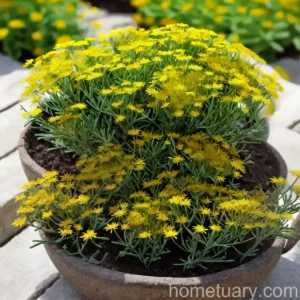
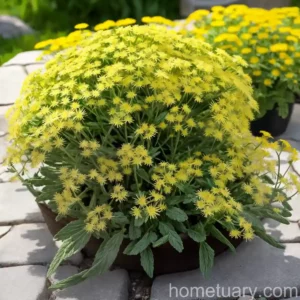
With its bright yellow flowers and distinctive leaves, Pilosella officinarum is an attractive addition to gardens, while also offering an array of health benefits. Its anti-inflammatory, diuretic, and antioxidant properties are just a few of the reasons why this plant continues to garner attention from plant enthusiasts and medical practitioners alike.
Key Takeaways – Hieracium Pilosella (Pilosella officinarum)
Before delving into the myriad aspects of Hieracium Pilosella, let’s briefly outline the key takeaways that will be explored in detail throughout this guide. From its cultural requirements to medicinal benefits and common pests, we will cover a broad spectrum of information to provide a comprehensive understanding of this remarkable plant.
Culture
- Understanding the cultural requirements including water, sunlight, fertilizer, and soil preferences.
- Pruning strategies to ensure healthy growth and development.
Uses
- Exploring the traditional and modern uses of Hieracium Pilosella in medicine, folklore, and beyond.
Propagation
- Techniques for propagating Pilosella officinarum for optimal growth and proliferation.
Container Popularity
- Assessing the suitability of Hieracium Pilosella for container gardening.
Common Diseases
- Identifying common diseases that affect Pilosella officinarum and appropriate measures for prevention and treatment.
Common Pests
- Recognizing and managing pests that may affect the health and vitality of this plant.
Botanist’s Tips
- Expert insights and tips for cultivating and caring for Hieracium Pilosella.
Fun Facts
- Intriguing and little-known facts about this plant.
Links to External Resources
- External resources for further exploration and study.
Plant Name: “Hieracium Pilosella (Pilosella officinarum)”
Basic Information
- Scientific Name: Hieracium Pilosella
- Common Name: Pilosella officinarum
- Family: Asteraceae
- Native Habitat: Europe and Asia
- Plant Type: Perennial herbaceous plant
With the key takeaways and basic information in mind, let’s delve into the various aspects of Hieracium Pilosella in detail.
Culture
Cultural requirements play a pivotal role in the successful cultivation of Hieracium Pilosella. From providing the right balance of water and sunlight to ensuring optimal soil conditions, understanding the cultural needs of Pilosella officinarum is essential for its growth and development.
Water
Hieracium Pilosella thrives in well-draining soil and prefers consistent moisture without being waterlogged. During the growing season, it is essential to water the plant regularly, ensuring that the soil remains evenly moist. However, during periods of dormancy or in winter, it is important to reduce the frequency of watering to prevent waterlogging and associated issues.
Key Considerations
– Water regularly during the growing season, ensuring the soil is consistently moist.
– Reduce watering during dormancy to prevent waterlogging.
Sunlight
As a sun-loving plant, Hieracium Pilosella flourishes in full sunlight or partial shade. When provided with ample sunlight, the plant exhibits robust growth and vibrant blooms. However, in extremely hot climates, providing some shade during the hottest part of the day can help prevent stress and sun damage.
Key Considerations
– Plant in an area with full sunlight or partial shade.
– Provide shade in hot climates to prevent sun damage.
Fertilizer
Appropriate fertilization is essential for the healthy growth and flowering of Hieracium Pilosella. A balanced, all-purpose fertilizer can be applied in spring as new growth begins. It is important to follow the recommended application rates to avoid over-fertilization, which can lead to adverse effects on the plant.
Key Considerations
– Apply a balanced, all-purpose fertilizer in spring.
– Follow recommended application rates to prevent over-fertilization.
Soil
Hieracium Pilosella thrives in well-draining, loamy soil that is rich in organic matter. The ideal pH range for this plant is between 6.0 and 7.0. Ensuring good soil structure and fertility is crucial for supporting strong root development and overall plant health.
Key Considerations
– Plant in well-draining, loamy soil rich in organic matter.
– Aim for a pH range between 6.0 and 7.0 for optimal growth.
Pruning
Pruning plays a significant role in maintaining the health and aesthetic appeal of Hieracium Pilosella. Regular deadheading of spent blooms not only encourages prolonged flowering but also prevents the plant from self-seeding excessively. Additionally, removing any diseased or damaged foliage helps maintain the plant’s overall vigor.
Key Considerations
– Deadhead spent blooms regularly to encourage prolonged flowering.
– Remove diseased or damaged foliage to maintain plant vigor.
Uses
Hieracium Pilosella has a rich history of traditional uses, ranging from medicinal applications to folklore. Additionally, it offers benefits in contemporary herbal remedies and natural health practices. Understanding the diverse uses of Pilosella officinarum sheds light on its significance and relevance in various contexts.
Medicinal Uses
- Hieracium Pilosella has traditionally been used for its diuretic properties, promoting kidney health and urinary system function.
- Its anti-inflammatory and antioxidant properties make it a valuable component in holistic and natural medicine approaches.
- In traditional herbal medicine, Pilosella officinarum has been used to support digestive health and aid in detoxification processes.
Folklore
- Hieracium Pilosella has been associated with various folklore and superstitions in different cultures. In some regions, it was believed to ward off negative energies and bring good luck.
- The plant’s vibrant yellow flowers and distinctive leaves have also been used symbolically in folklore and cultural practices.
Contemporary Uses
- Pilosella officinarum is increasingly recognized in contemporary herbal medicine for its diverse benefits, ranging from digestive support to skin health.
- Its inclusion in natural remedies and health products underscores its significance in modern wellness practices.
Propagation
Propagating Hieracium Pilosella can be achieved through various methods, each with its own advantages and considerations. Ensuring successful propagation is vital for the proliferation and preservation of this plant.
Seed Propagation
- Propagating Hieracium Pilosella from seeds can be a rewarding and straightforward process. Sowing seeds in well-prepared soil and maintaining consistent moisture levels can lead to successful germination and establishment.
Division
- Dividing established clumps of Pilosella officinarum is an effective method for propagation. This approach not only creates new plants but also revitalizes existing ones by preventing overcrowding and enhancing vigor.
Root Cuttings
- Taking root cuttings from healthy, established plants can yield new individuals with genetic uniformity and resilience. Proper care and attention during the initial rooting phase are essential for successful establishment.
Container Popularity
Hieracium Pilosella’s compact size and attractive foliage make it a suitable candidate for container gardening. The plant’s adaptability to container growth expands its appeal to a wider audience, including urban gardeners and those with limited outdoor space.
Container Selection
- Choose a container that provides adequate drainage and sufficient space for root development. Well-draining potting mix is essential for successful container cultivation of Pilosella officinarum.
Placement
- Position the container in an area with ample sunlight, ensuring that the plant receives the necessary light for healthy growth and flowering. In extremely hot climates, providing partial shade during the hottest part of the day may be beneficial.
Care
- Regular monitoring of soil moisture and proper watering practices are crucial for container-grown Hieracium Pilosella. Avoid overwatering, which can lead to root rot, and ensure that the plant’s cultural requirements are met.
Common Diseases
Like any plant, Hieracium Pilosella is susceptible to certain diseases that can impact its health and vitality. Understanding common diseases and their associated symptoms is fundamental for timely diagnosis and effective management.
Powdery Mildew
- Powdery mildew can manifest as a white powdery substance on the leaves of Hieracium Pilosella. Proper air circulation, regular monitoring, and the use of appropriate fungicidal treatments can help prevent and manage this disease.
Leaf Spot
- Leaf spot diseases may cause dark, irregularly shaped spots on the foliage of Pilosella officinarum. Avoid overhead watering and remove infected leaves to mitigate the spread of the disease.
Root Rot
- Overwatering or poorly-draining soil can lead to root rot in Hieracium Pilosella. Maintaining appropriate soil moisture levels and ensuring proper soil drainage are essential for preventing this disease.
Common Pests
Pests can pose a threat to the health and vigor of Hieracium Pilosella, necessitating proactive measures for identification and control.
Aphids
- Aphids are common pests that may infest Hieracium Pilosella, often congregating on the undersides of leaves and causing damage through feeding. Insecticidal soaps and horticultural oils can be effective in managing aphid infestations.
Spider Mites
- Spider mites are tiny pests that can cause stippling and discoloration on the leaves of Pilosella officinarum. Regularly spraying the plant with water and the use of miticides can help control spider mite populations.
Snails and Slugs
- These mollusks may feed on the foliage of Hieracium Pilosella, resulting in unsightly damage. Implementing physical barriers and using organic slug and snail baits are effective strategies for managing these pests.
Botanist’s Tips
Harnessing the knowledge and expertise of seasoned botanists can offer invaluable insights and tips for cultivating and caring for Hieracium Pilosella.
Expert Insights
- Ensure proper soil drainage to prevent waterlogging, as this can lead to a host of issues including root rot and fungal diseases.
- Regularly monitor the plant for signs of pests and diseases, enabling early intervention and effective management.
Fun Facts
Uncover intriguing and little-known facts about Hieracium Pilosella, adding depth to your understanding of this remarkable plant.
- Hieracium Pilosella’s genus name, Hieracium, is derived from the Greek word “hierax,” meaning hawk, alluding to the belief that hawks consume these plants to improve their vision.
- Pilosella officinarum has historically been associated with divination and fortune-telling in certain cultures, with the plant’s presence believed to bring good luck and protection.
- The leaves of Hieracium Pilosella are often covered in fine, silvery hairs, giving them a distinct velvety appearance and texture.
Links to External Resources
For those seeking further exploration and in-depth study of Hieracium Pilosella, the following links to external resources provide valuable information and insights:
Scientific Studies and Research
- PubMed – A comprehensive database of scientific studies and research articles, including those related to the medicinal properties and phytochemical composition of Hieracium Pilosella.
Botanical Gardens and Institutions
- Royal Botanic Gardens, Kew – A world-renowned botanical garden with extensive collections and resources for plant enthusiasts and researchers.
Herbal Medicine and Folklore
- The Herb Society of America – An organization dedicated to promoting the knowledge, use, and delight of herbs, including their historical and contemporary uses.
Hieracium Pilosella: A Natural Wonder
In conclusion, Hieracium Pilosella, or Pilosella officinarum, is not only a visually appealing plant but also a natural wonder with a multitude of benefits and cultural significance. From its uses in traditional medicine to its role in folklore, this plant continues to captivate individuals across the globe. By understanding its cultural requirements, medicinal properties, and propagation techniques, we can fully appreciate the remarkable nature of Hieracium Pilosella and immerse ourselves in its world of herbal benefits and botanical marvels.
Through this comprehensive guide, we have explored the intricacies of Hieracium Pilosella, shedding light on its characteristics, uses, and the broader context of its relevance in diverse domains. Whether you are a plant enthusiast, a herbalist, or simply someone intrigued by the wonders of the natural world, the journey into the realm of Hieracium Pilosella unveils a tapestry of knowledge and appreciation for the botanical treasures that surround us.
As we continue to cultivate an understanding of plants and their significance, we open doors to new perspectives, profound insights, and a profound appreciation for the wonders of nature.
So, next time you encounter the delicate yellow blooms and velvety leaves of Hieracium Pilosella, take a moment to contemplate the rich tapestry of history, folklore, and natural benefits that this plant embodies. Embrace the beauty and significance of Pilosella officinarum, and allow yourself to be enraptured by the splendor of this natural wonder.
In the grand tapestry of nature, plants like Hieracium Pilosella weave a story of life, healing, and enchantment, inviting us to tread the paths of discovery and appreciation.
This comprehensive guide to Hieracium Pilosella aims to provide a holistic understanding of the plant, encompassing its cultural requirements, uses, and significance in the botanical world.