Lobed Tickseed (Coreopsis Auriculata)
As a plant scientist with a passion for exploring and understanding the incredible diversity in the plant kingdom, I am thrilled to delve into the world of.
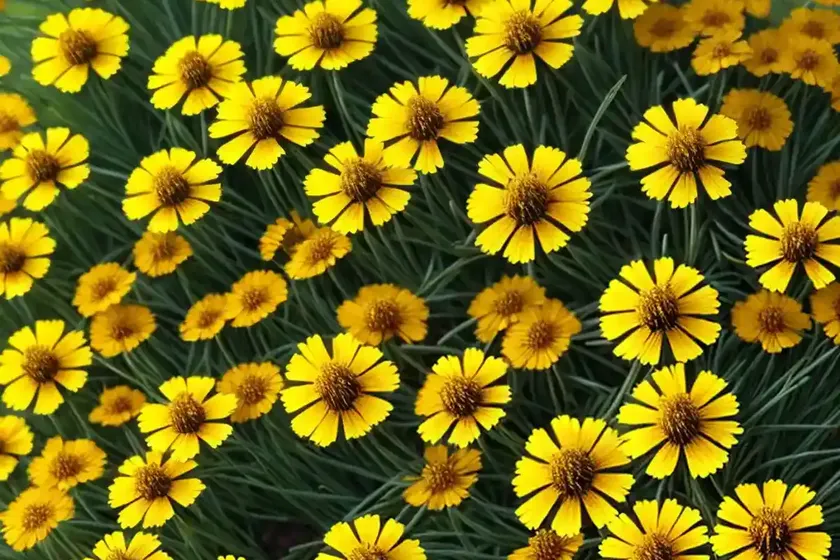
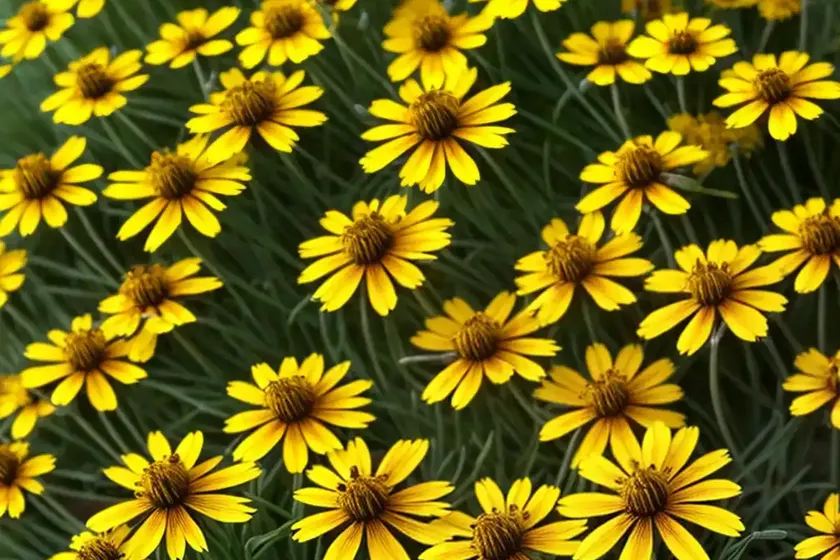
As a plant scientist with a passion for exploring and understanding the incredible diversity in the plant kingdom, I am thrilled to delve into the world of Coreopsis auriculata, commonly known as Lobed Tickseed. This visually captivating plant has garnered attention from both gardening enthusiasts and professionals due to its striking appearance and versatility in the landscape. In this comprehensive guide, we will explore the various facets of Lobed Tickseed, including its culture, uses, maintenance requirements, propagation techniques, common diseases, and much more.
What is Lobed Tickseed (Coreopsis auriculata)?
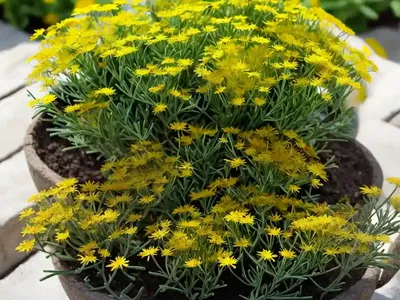
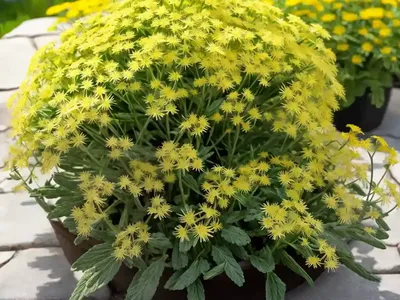
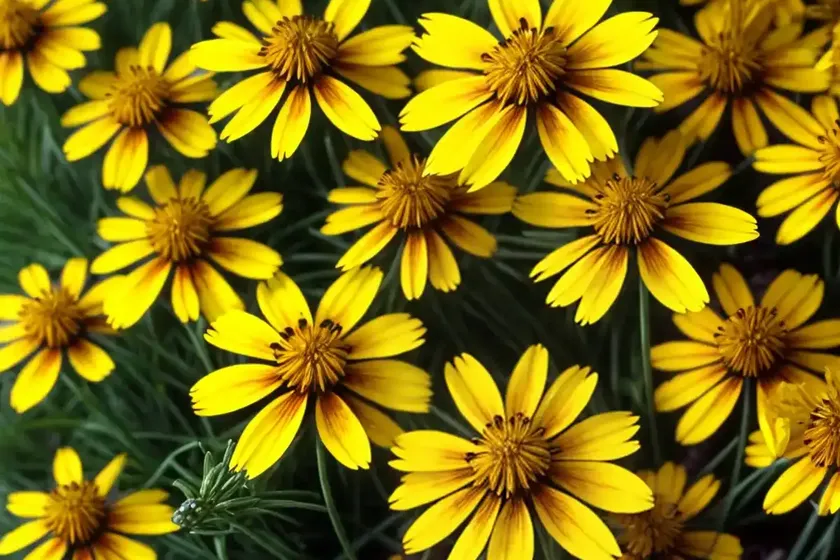
Lobed tickseed or Coreopsis auriculata is a species of flowering plant in the family Asteraceae, native to the southeastern United States. It is a compact, clump-forming perennial that typically grows in dense, bushy mounds. The lobed, deep green leaves add an attractive foliage element to gardens, and its bright, daisy-like flowers bring a vibrant burst of color.
With its numerous cultivars and hybrids, Lobed Tickseed has become a popular choice for both home gardens and professional landscaping projects. It thrives in a variety of conditions and is known for its long-lasting blooms, making it an excellent addition to any garden or landscape.
Let’s delve deeper into the various facets of this delightful plant to better understand its cultural requirements, maintenance needs, and the array of uses it offers.
Key Takeaways – Lobed Tickseed (Coreopsis auriculata)
Before we dive into the specifics of Coreopsis auriculata, let’s take a moment to highlight some key takeaways about this captivating plant:
- Botanical Name: Coreopsis auriculata
- Common Name: Lobed Tickseed
- Plant Type: Perennial
- Native Habitat: Southeastern United States
- Key Features: Daisy-like flowers, lobed foliage
- Cultural Uses: Ornamental gardens, landscaping, wildlife gardens
- Maintenance Level: Low to moderate
- Sunlight Needs: Full sun to partial shade
- Watering Requirements: Moderate
- Soil Preferences: Well-draining soil
- Pruning Needs: Periodic deadheading and shaping
- Propagation Methods: Division, seeds
- Common Diseases: Powdery mildew, crown rot
- Common Pests: Aphids, thrips
Now that we have an overview of Coreopsis auriculata, let’s explore each of these aspects in detail to gain a comprehensive understanding of how to care for and utilize this delightful plant.
Culture
The cultural requirements of Lobed Tickseed play a crucial role in its overall health, growth, and blooming potential. Understanding its preferences for water, sunlight, soil, and fertilizer is essential for successfully cultivating this charming plant.
Water
Coreopsis auriculata generally prefers moderate and consistent moisture. It is essential to water the plant regularly, especially during the initial establishment phase and prolonged dry spells. However, it is equally important to ensure that the soil has proper drainage to prevent waterlogged conditions, which can lead to root rot and other moisture-related issues. Once established, Coreopsis auriculata exhibits good drought tolerance, making it suitable for gardens with varying moisture levels.
Sunlight
This plant thrives in full sun to partial shade, displaying the best flowering performance when provided with ample sunlight. When grown in full sun, Lobed Tickseed typically produces more abundant and vibrant flowers, enhancing its visual appeal in the garden. However, it can also tolerate partial shade, making it a versatile option for landscapes with different light conditions.
Fertilizer
Lobed Tickseed is not particularly demanding when it comes to fertilization. A balanced, slow-release fertilizer applied in spring can help promote healthy growth and prolific flowering. However, it is crucial not to over-fertilize, as excessive nutrients can lead to excessive foliage growth at the expense of flowers. A light application of organic compost or well-balanced fertilizer in early spring can often provide sufficient nutrients for the entire growing season.
Soil
The soil preferences of Coreopsis auriculata center around well-draining, moderately fertile soil. It thrives in various soil types, including loamy, sandy, and rocky soils, as long as they offer good drainage. Amending heavy or compacted soils with organic matter can improve drainage and create a more favorable growing environment for Lobed Tickseed.
Pruning
Pruning is an essential aspect of Lobed Tickseed maintenance, primarily aimed at promoting continuous blooming, maintaining a tidy appearance, and controlling the plant’s size. Here are some key points to consider when pruning Coreopsis auriculata:
-
Deadheading: Regular deadheading, which involves the removal of spent flowers, encourages the plant to produce new blooms and prolongs the flowering period. It also prevents the plant from expending energy on seed production, directing its resources toward continued growth and flowering.
-
Shaping: Trimming the plant to maintain a compact and bushy form can help enhance its overall appearance. This can be done by lightly shearing the foliage and stems after the initial flowering period to induce a fresh flush of growth and blooms.
By incorporating regular deadheading and occasional shaping into the maintenance routine, gardeners can enjoy a more prolific and visually appealing display of flowers from their Lobed Tickseed plants.
Propagation
Propagation allows plant enthusiasts to expand their Coreopsis auriculata collection or share this beautiful species with fellow gardeners. Understanding the various propagation methods and techniques for Lobed Tickseed can open up opportunities to cultivate new plants and explore its diverse cultivars.
Division
Division is a straightforward and effective method for propagating Coreopsis auriculata. This technique involves separating the plant’s root clumps into smaller sections, each containing viable roots and shoots. Here’s a basic guide to propagating Lobed Tickseed through division:
-
Spring or Fall: Division is best carried out in the early spring or fall when the plant is not in its peak blooming phase. This allows the divided sections to establish themselves without the added stress of intense flowering.
-
Preparing the Plant: Before dividing the plant, water it thoroughly the day before to ensure optimal hydration. This makes the soil easier to work with and minimizes stress on the plant during the division process.
-
Division Process: Carefully dig up the entire root clump, ensuring that the root system remains intact. Using a sharp, clean tool, divide the clump into smaller sections, making sure that each division has sufficient roots and healthy shoots.
-
Replanting: Plant the divided sections in prepared soil, ensuring adequate spacing and proper planting depth. Water the newly divided plants and continue to provide appropriate care as they establish themselves in their new locations.
Seed Propagation
Growing Lobed Tickseed from seeds offers an exciting opportunity to explore the diversity of this species and potentially develop new cultivars through selective breeding. Here are the essential steps for successfully propagating Coreopsis auriculata from seeds:
-
Seed Collection: Harvest mature seeds from existing Coreopsis auriculata plants once the seed heads have dried and turned brown. Collect the seeds in a paper bag to continue drying and prevent moisture buildup.
-
Seed Preparation: Clean the seeds by removing any chaff or debris. This can be done by gently threshing the seeds or using a fine sieve to separate them from unwanted plant material.
-
Sowing Seeds: Start the seeds indoors in late winter or early spring, or sow them directly in the garden after the last frost date in spring. Sow the seeds on the soil surface, lightly pressing them into the soil without covering them with additional mix.
-
Germination and Growth: Keep the soil consistently moist but not waterlogged to aid in seed germination. Once the seedlings have developed several sets of true leaves, they can be transplanted into individual pots or directly into the garden, allowing them to mature into healthy, flowering plants.
By exploring both division and seed propagation, plant enthusiasts can broaden their connection with Lobed Tickseed and witness the rewarding process of cultivating new generations of this captivating plant.
Uses
The versatile nature of Coreopsis auriculata makes it a valuable addition to various garden settings, landscaping projects, and ecological initiatives. Understanding the diverse uses of Lobed Tickseed can inspire gardeners and landscape professionals to incorporate this species into their designs and conservation efforts.
Garden Ornamental
Lobed Tickseed is prized for its enchanting flowers and foliage, making it a popular choice for ornamental gardens. Its compact growth habit, vibrant blooms, and attractive foliage contribute to its appeal as a border plant, massed planting, or feature in mixed perennial beds. Additionally, it serves as a valuable source of nectar and pollen for pollinators, supporting the health and diversity of local ecosystems.
Landscaping
Professional landscapers and designers often incorporate Coreopsis auriculata into their projects to introduce splashes of color, texture, and biodiversity. It is well suited for both residential and commercial landscapes, contributing to vibrant naturalistic plantings, sustainable pollinator gardens, and low-maintenance landscape designs. Its adaptability in various soil types and its ability to thrive in full sun make it a versatile option for a range of landscaping applications.
Wildlife Gardens
Lobed Tickseed plays a vital role in supporting wildlife, attracting beneficial insects, such as bees and butterflies, with its nectar-rich flowers. By including this plant in wildlife-friendly gardens, enthusiasts can contribute to the conservation of pollinators, fostering a dynamic and thriving ecosystem within their own outdoor spaces. The ample blooms of Coreopsis auriculata provide essential food sources for these beneficial insects, promoting biodiversity and ecological balance.
Medicinal and Cultural Uses
While primarily valued for its ornamental qualities, some species of Coreopsis have historical uses in traditional medicine and cultural practices. Research into the potential medicinal properties and cultural significance of Lobed Tickseed and related species continues to provide insight into the multifaceted nature of this plant and its relevance in various cultural contexts.
Common Diseases
Like many plants, Coreopsis auriculata is susceptible to certain diseases that can affect its vigor and aesthetic appeal if left unmanaged. Identifying these common diseases and understanding their prevention and treatment methods is essential for maintaining the health and vitality of Lobed Tickseed.
Powdery Mildew
Powdery mildew can afflict Lobed Tickseed, manifesting as a white, powdery growth on the leaves, stems, and flowers. This fungal disease thrives in warm, humid conditions and can negatively impact the plant’s aesthetics and overall vigor. To mitigate powdery mildew:
-
Cultural Practices: Ensure proper air circulation by providing adequate spacing between plants. Avoid overhead watering to reduce moisture on the foliage, and remove and dispose of any affected plant material to prevent the spread of the disease.
-
Fungicidal Treatments: If powdery mildew persists, consider applying fungicidal treatments labeled for powdery mildew control. Follow the product instructions carefully and apply at the recommended intervals to protect the plant from further infection.
Crown Rot
Excessive moisture and poorly drained soils can contribute to crown rot, a fungal disease that affects the base of the plant, leading to rotting and wilting of the stems and foliage. To prevent and manage crown rot:
-
Well-Draining Soil: Ensure that the plant is situated in well-draining soil to minimize the risk of waterlogged conditions that promote fungal diseases.
-
Avoid Overwatering: Practice moderate watering and allow the soil to dry slightly between waterings to prevent excessive moisture buildup around the roots.
-
Sanitation: Remove and dispose of any plant debris or affected vegetation to prevent the spread of the disease. Ensure that pruning tools are disinfected between use to avoid transmitting pathogens to healthy plant parts.
Understanding these common diseases and implementing proactive measures can help maintain the health and vigor of Lobed Tickseed, ensuring that it continues to thrive in the garden and landscape.
Common Pests
Pests can pose a threat to the vitality and aesthetics of Coreopsis auriculata, requiring vigilant monitoring and proactive pest management strategies to mitigate their impact. Identifying the common pests that affect Lobed Tickseed and implementing effective control measures can help preserve the plant’s health and visual appeal.
Aphids
Aphids are common sap-feeding insects that can infest Lobed Tickseed, clustering on the tender growth tips and undersides of leaves. Their feeding can cause distorted growth and the development of sticky honeydew on the plant, leading to sooty mold. To manage aphid infestations:
-
Biological Control: Encourage natural predators of aphids, such as ladybugs and lacewings, to establish a balance in the garden ecosystem and naturally control aphid populations.
-
Water Sprays: Use a strong jet of water to dislodge aphids from the plant, reducing their numbers and minimizing their impact on the foliage.
-
Insecticidal Soap: If aphid populations are persistent, consider using insecticidal soap as a targeted treatment to control the infestation. Follow the application instructions and avoid harming beneficial insects and other non-target organisms.
Thrips
Thrips are tiny, slender insects that feed on the flower buds and developing tissues of Coreopsis auriculata, potentially causing distortion and browning of the flower petals. Managing thrips infestations:
-
Cultural Practices: Regularly inspect the plant for thrips and remove any infested flowers to reduce the population and prevent the spread of the insects.
-
Pruning: Consider pruning and removing heavily infested parts of the plant to limit the presence of thrips and their impact on the overall plant health.
-
Horticultural Oils: Application of horticultural oils can help suffocate thrips and disrupt their lifecycle, reducing their numbers and impact on Lobed Tickseed.
By staying vigilant and implementing integrated pest management practices, gardeners can safeguard their Lobed Tickseed plants from the potential damage caused by aphids, thrips, and other common pests.
Botanist’s Tips
As we continue to explore the diverse facets of Coreopsis auriculata, it’s valuable to gain insights and tips from experienced botanists and gardening professionals who have worked closely with this species. Their knowledge can offer practical guidance and innovative ideas for the cultivation and utilization of Lobed Tickseed in various settings.
Selecting Varieties
With an array of cultivars and hybrids available, selecting the right variety of Coreopsis auriculata can greatly enhance the visual impact and adaptability of this plant in a specific garden or landscape. Consider factors such as bloom color, plant height, and growth habit when choosing a variety, and research local preferences and climatic suitability to ensure successful cultivation.
Pollinator Attraction
Lobed Tickseed’s nectar-rich blooms and vibrant flowers make it an excellent choice for pollinator gardens. By strategically planting Coreopsis auriculata alongside other nectar-producing plants, gardeners can create attractive and functional habitats for bees, butterflies, and other beneficial insects. This not only supports pollinator populations but also contributes to the overall health and biodiversity of the garden ecosystem.
Low Maintenance Landscaping
Incorporating Coreopsis auriculata into low-maintenance landscape designs can provide enduring beauty and ecological benefits with minimal upkeep. Selecting native or adaptive varieties suited to the local climate and soil conditions can reduce the need for excessive maintenance, making Lobed Tickseed an excellent choice for sustainable and resilient landscapes.
By applying these botanist’s tips and integrating them into gardening practices, plant enthusiasts can harness the full potential of Coreopsis auriculata and enjoy its myriad of benefits in various landscaping and conservation endeavors.
Fun Facts
- Coreopsis auriculata is commonly known as Lobed Tickseed due to the lobed or toothed edges of its leaves, resembling the appearance of tickseeds.
- The vibrant blooms of Lobed Tickseed are sought after for their attractiveness to pollinators, making them a valuable addition to wildlife gardens and conservation-focused landscapes.
- Some native American tribes historically used certain species of Coreopsis for medicinal purposes, harnessing the plant’s natural healing properties for various ailments.
Links to External Resources
For further exploration and in-depth information about Coreopsis auriculata and related topics, consider accessing the following external resources:
With a wealth of resources available, including botanical organizations, horticultural societies, and university extensions, plant enthusiasts and professionals can access valuable information to support their journey with Lobed Tickseed and horticultural endeavors.
In conclusion, Coreopsis auriculata represents a captivating and versatile plant species that offers numerous benefits to gardeners, landscapers, and the ecosystem at large. By understanding its cultural requirements, maintenance needs, uses, and ecological contributions, individuals can harness the potential of Lobed Tickseed to create vibrant, sustainable landscapes and contribute to the conservation of pollinators and native biodiversity.
The enduring beauty and ecological significance of Coreopsis auriculata make it a valuable addition to gardens, landscapes, and conservation initiatives, inspiring a greater appreciation for the diverse and remarkable world of plants.