German Chamomile (Matricaria Recutita)
German chamomile, scientifically known as Matricaria recutita, is a herbaceous plant that has been valued for centuries due to its diverse range of.
Introduction
German chamomile, scientifically known as Matricaria recutita, is a herbaceous plant that has been valued for centuries due to its diverse range of cultural, culinary, and medicinal uses. This dainty, aromatic herb belongs to the Asteraceae family and is native to Europe and Western Asia. German chamomile is widely recognized for its delicate, daisy-like flowers and its pleasant, apple-like fragrance. In addition to its ornamental value, this plant offers a plethora of health benefits, making it a popular choice among herbal enthusiasts and practitioners of alternative medicine.
In this comprehensive guide, we delve into the cultivation, uses, and care of German chamomile, shedding light on its many facets and applications. From its cultural significance to its specific requirements for optimal growth, we aim to provide a thorough understanding of this remarkable plant.
Key Takeaways – German Chamomile (Matricaria recutita)
Before delving into the specific aspects of German chamomile, let’s outline the main highlights and takeaways associated with this fascinating plant:
Culture
- German chamomile has a rich cultural history, being revered for its use in traditional medicine and herbal remedies.
- It has been cultivated and utilized for centuries, with its soothing and medicinal properties being recognized and valued across various cultures.
Uses
- The uses of German chamomile are diverse, ranging from culinary applications to herbal medicine and skincare.
- It is commonly known for its calming and therapeutic effects, making it a popular ingredient in teas, essential oils, and topical preparations.
Water
- German chamomile thrives in well-drained soil and requires regular watering to maintain moisture levels, particularly during dry spells and hot weather.
Sunlight
- It prefers full sun to partial shade, benefitting from at least six hours of sunlight to support healthy growth and abundant flowering.
Fertilizer
- This plant can benefit from a balanced fertilizer applied during the growing season to promote strong, healthy growth and enhance flower production.
Soil
- German chamomile is adaptable to various soil types but flourishes in well-drained, moderately fertile soil with a slightly acidic to neutral pH.
Pruning
- Regular deadheading and light pruning can encourage continuous blooming and maintain the plant’s appearance.
Propagation
- It can be propagated from seeds or by division, providing opportunities for expanding plantings and sharing its beauty with others.
Container Popularity
- German chamomile is well-suited to container cultivation, allowing individuals to enjoy its beauty and benefits in smaller spaces or indoors.
Container
- When grown in containers, proper drainage and adequate space for root development are essential for the plant’s health and vigor.
Common Diseases
- German chamomile is generally resistant to diseases but may be susceptible to certain fungal infections and pests under unfavorable conditions.
Disease Diagnosis
- Understanding the symptoms and signs of common diseases can aid in early detection and effective management strategies.
Common Pests
- Aphids, spider mites, and caterpillars are among the pests that may target German chamomile, posing potential threats to its vitality.
Botanist’s Tips
- Encouraging biodiversity, providing pollinator habitat, and practicing organic gardening methods can benefit the overall health of German chamomile and its ecological surroundings.
Fun Facts
- German chamomile has a rich history of use in ancient civilizations, with its name originating from the Greek “chamaimelon,” meaning “earth-apple,” due to its apple-like scent.
Now, let’s explore each of these aspects in more detail to gain a holistic understanding of German chamomile, from its cultural significance to its specific care requirements and practical uses.
What is German Chamomile (Matricaria recutita)?
Description and Botanical Information
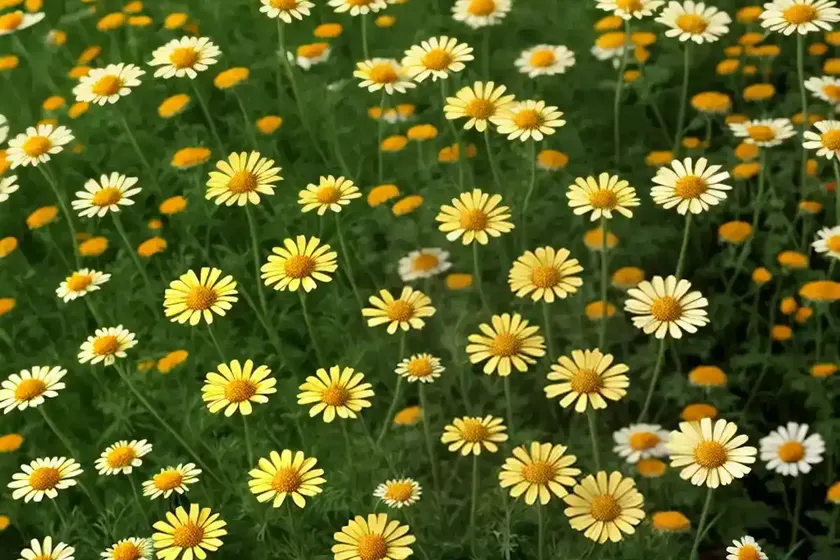
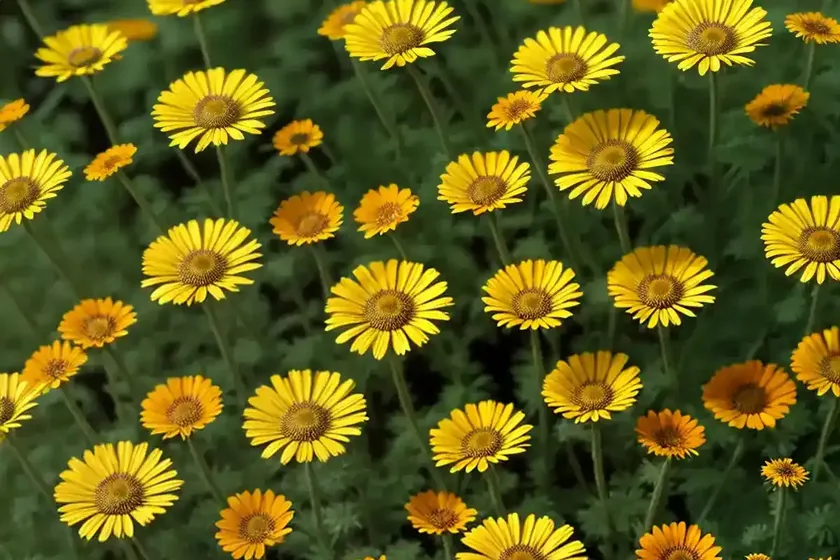
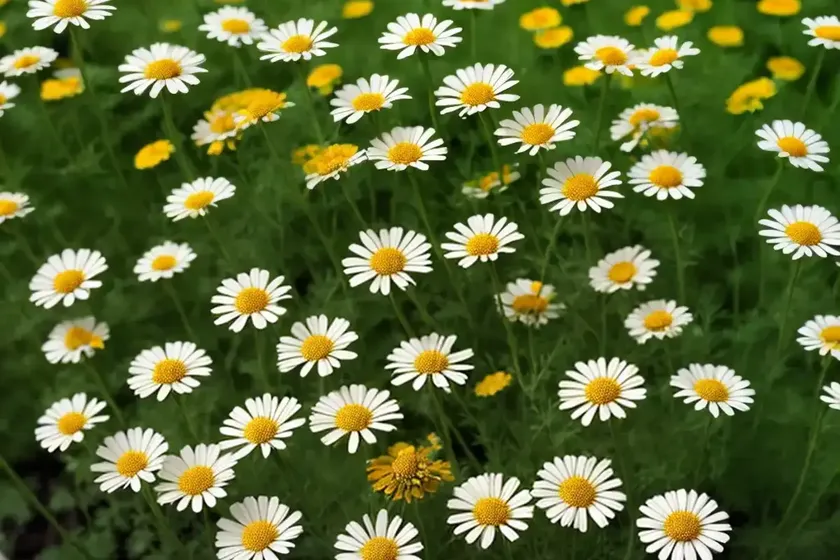
German chamomile, scientifically known as Matricaria recutita, is a member of the Asteraceae family, which also includes plants such as sunflowers, daisies, and asters. This herbaceous annual plant is characterized by its finely dissected, feathery leaves and delicate, daisy-like flowers. The flowers of German chamomile feature a prominent, conical, yellow center surrounded by white, ray-like petals, creating a visually appealing display that is both charming and therapeutic.
The plant typically reaches a height of 15-60 cm (6-24 inches) and forms a spreading growth habit, producing numerous flowers that exude a sweet, apple-like aroma. The deeply lobed leaves, which are arranged alternately along the stems, add to the plant’s ornamental appeal while contributing to its overall texture and character.
German chamomile is known for its ability to self-seed prolifically, allowing it to naturalize and establish itself in suitable growing conditions. It can be grown as a border plant, in herb gardens, or as a companion to other herbs and flowers, contributing to the diversity and beauty of the landscape.
Flowering Period
The flowering period of German chamomile typically extends from early summer to early fall, presenting an extended period of floral beauty and fragrance. The abundance of flowers, coupled with their delicate appearance and soothing scent, makes German chamomile a desirable addition to gardens and landscapes, attracting pollinators and admirers alike.
Historical and Cultural Significance
German Chamomile benefits: German chamomile has a rich cultural history and is valued for its diverse range of benefits, including its use in traditional medicine and herbal remedies.
German chamomile has enjoyed a longstanding reputation as a medicinal and aromatic plant, with its uses dating back to ancient civilizations. The plant has been praised for its soothing properties, with its flowers, leaves, and essential oils being utilized for various purposes. From skincare and relaxation to digestive aid and respiratory health, German chamomile has been embraced for its therapeutic qualities and natural benefits.
Culture
Historical Uses and Traditional Medicine
German chamomile has been esteemed for its diverse medicinal properties and has been used in traditional medicine for centuries. Its medicinal uses are well-documented, with historical records dating back to ancient Egypt, Greece, and Rome, where it was heralded for its calming, anti-inflammatory, and antimicrobial effects. The flowers of German chamomile were often employed in medicinal preparations and herbal teas, offering relief from a range of ailments and promoting overall well-being.
Matricaria recutita uses: German chamomile has been cultivated and utilized for centuries, with its soothing and medicinal properties being recognized and valued across various cultures.
In traditional folk medicine, German chamomile was revered as a gentle and effective remedy for conditions such as insomnia, anxiety, indigestion, and skin irritation. The plant’s flowers were commonly infused into teas, tinctures, and topical applications, harnessing their beneficial compounds and aromatic essence for therapeutic purposes.
Therapeutic and Culinary Applications
Besides its historical use in traditional medicine, German chamomile has also found its way into culinary and therapeutic practices. The delicate, apple-like flavor of the flowers lends itself well to herbal teas, culinary infusions, and flavorful additions to various dishes and beverages. The mild, slightly sweet taste of German chamomile makes it a versatile ingredient, enhancing the sensory experience of foods and drinks while imparting its subtle healing properties.
In addition to its culinary appeal, German chamomile is prized for its therapeutic uses, especially in aromatherapy and natural skincare. The essential oil extracted from the plant’s flowers contains valuable compounds that exhibit anti-inflammatory, antiseptic, and calming effects, making it a sought-after ingredient in essential oil blends, balms, and skincare products.
Modern Medicinal and Herbal Remedies
In contemporary times, the medicinal and herbal uses of German chamomile continue to be celebrated, with the plant’s therapeutic properties being harnessed in natural remedies and alternative healthcare practices. Its gentle nature and broad-spectrum efficacy have contributed to its inclusion in various herbal preparations, supplements, and wellness products, catering to individuals seeking natural and holistic approaches to health and vitality.
German Chamomile properties: The uses of German chamomile are diverse, ranging from culinary applications to herbal medicine and skincare.
The plant’s essential oil is particularly valued for its anti-inflammatory, calming, and skin-soothing effects, making it a popular choice for topical application and aromatherapy. Whether used in massage oils, diffuser blends, or bath products, German chamomile essential oil offers a versatile and beneficial option for promoting relaxation, relieving tension, and supporting overall skin health.
Water
Watering Requirements
Proper watering is essential for the health and vitality of German chamomile, ensuring that it receives adequate moisture to support its growth and flowering. While the plant can tolerate periods of drought, consistent and moderate watering is recommended, especially during dry spells and hot weather.
Watering should be done at the base of the plant to avoid wetting the foliage excessively, as this can contribute to the development of certain fungal diseases. The soil should be kept evenly moist but not waterlogged, allowing excess water to drain away to prevent waterlogged conditions that can lead to root rot and other issues.
Watering Frequency
The frequency of watering German chamomile depends on environmental factors such as temperature, humidity, and soil moisture retention. Generally, the plant should be watered when the top inch of soil feels dry to the touch, requiring more frequent watering during periods of high temperatures or if grown in containers.
Matricaria recutita essential oil benefits: German chamomile requires regular watering to maintain moisture levels, particularly during dry spells and hot weather.
During the flowering period, consistent moisture is vital to support the development of flowers and ensure their longevity. Adequate hydration contributes to the overall health and appearance of the plant, fostering lush foliage and prolific flowering.
Sunlight
Light Requirements
German chamomile thrives in bright, sunny conditions and benefits from receiving at least six hours of direct sunlight daily. While it can tolerate partial shade, especially in regions with intense heat, the plant’s growth and flowering are optimized when provided with ample sunlight.
German Chamomile medicinal qualities: It prefers full sun to partial shade, benefitting from at least six hours of sunlight to support healthy growth and abundant flowering.
In locations with mild climates, full sun exposure is ideal for promoting robust growth and profuse blooming. However, in hotter regions, providing partial shade during the peak of the day can protect the plant from excessive heat and potential stress, especially during the summer months.
Indoor Cultivation
For indoor cultivation, German chamomile should be placed in a bright location where it can receive sufficient natural light, such as near a south- or west-facing window. Supplemental lighting may be necessary in areas with limited natural light, ensuring that the plant has access to the light levels it requires for healthy growth and flower production.
Fertilizer
Fertilization Practices
Fertilizing German chamomile can contribute to its overall vigor, flowering performance, and nutrient uptake, supporting its resilience and vitality. A balanced, water-soluble fertilizer formulated for flowering plants can be applied during the growing season to provide essential nutrients and promote healthy growth.
Fertilizer application can commence in early spring, just before the plant’s active growth phase, and continue every 4-6 weeks throughout the growing season. Care should be taken to follow the manufacturer’s instructions for dilution and application rates, avoiding excessive fertilization that can lead to nutrient imbalances and potential damage to the plant.
Matricaria recutita cultivation tips: German chamomile can benefit from a balanced fertilizer applied during the growing season to promote strong, healthy growth and enhance flower production.
Organic fertilizers, such as compost tea or well-decomposed organic matter, can also be used to provide a slow-release source of nutrients while enhancing soil structure and fertility. Incorporating organic amendments into the soil promotes microbial activity and nutrient availability, contributing to the long-term health and sustainability of German chamomile.
Soil
Soil Requirements
German chamomile is adaptable to various soil types, but it thrives in well-drained, moderately fertile soil with a slightly acidic to neutral pH. Soil with good drainage is crucial to prevent waterlogging and mitigate the risk of root rot, especially in regions with heavy or clay soils.
German Chamomile health benefits: German chamomile is adaptable to various soil types but flourishes in well-drained, moderately fertile soil with a slightly acidic to neutral pH.
Loamy or sandy soils that offer excellent drainage and aeration are well-suited for German chamomile cultivation, providing a hospitable environment for root development and overall plant health. The addition of organic matter, such as compost or aged manure, can improve soil structure and fertility, enhancing the growing conditions for the plant.
pH Range
A slightly acidic to neutral soil pH in the range of 6.0-7.0 is considered optimal for German chamomile, facilitating nutrient uptake and microbial activity in the root zone. Soil pH levels outside of this range can impact the availability of essential nutrients, potentially leading to deficiencies or toxicities that may compromise the plant’s health and performance.
Soil testing can provide valuable insights into the pH and nutrient status of the soil, guiding the application of appropriate amendments to optimize growing conditions for German chamomile.
Pruning
Deadheading and Maintenance
Regular deadheading, or the removal of spent flowers, can promote continuous blooming and prolong the flowering period of German chamomile. By snipping off faded flowers as they age, the plant is encouraged to produce new blooms, sustaining its ornamental value and overall attractiveness.
Matricaria recutita side effects: Regular deadheading and light pruning can encourage continuous blooming and maintain the plant’s appearance.
Light pruning can also be beneficial for managing the plant’s growth and maintaining a tidy, compact form. Trimming back leggy or straggly stems can help improve the plant’s aesthetic appeal while stimulating new growth and branching, contributing to a fuller, more lush appearance.
Timing and Technique
Pruning and deadheading can be performed throughout the growing season, as needed, to manage the plant’s shape and encourage continual flowering. Pruning cuts should be made just above a set of healthy leaves or lateral bud to promote new growth and prevent bare, unsightly stems.
It is advisable to use clean, sharp pruning shears to make precise cuts without causing unnecessary damage to the plant. Sanitizing the pruning tools before and after use can help prevent the spread of diseases and protect the plant from potential infections.
Propagation
Seed Propagation
German chamomile can be propagated from seeds, offering a cost-effective and straightforward method for expanding plantings and establishing new specimens. The seeds are small and light, with a robust germination capacity under favorable conditions, making them relatively easy to handle and sow.
German Chamomile herbal remedies: It can be propagated from seeds or by division, providing opportunities for expanding plantings and sharing its beauty with others.
Sowing seeds directly in the garden bed or containers can be done in early spring or early fall, allowing the plant to establish and develop before the onset of adverse weather. Surface sowing is recommended, as the seeds require exposure to light to germinate, necessitating minimal covering with fine soil or vermiculite.
Division and Transplanting
In addition to seed propagation, German chamomile can also be propagated by division, enabling the separation of established clumps or root segments to create new plants. Division is typically carried out in early spring or early fall, providing an opportunity to rejuvenate overcrowded plantings or share divisions with other gardeners.
To divide German chamomile, the clump or root mass can be carefully separated using a sharp knife or garden spade, ensuring that each division retains a portion of healthy roots and shoots. The divisions can then be replanted in prepared soil, watered thoroughly, and provided with appropriate care to support their establishment and regrowth.
Container Popularity
Benefits of Container Cultivation
Growing German chamomile in containers offers several advantages, making it a popular choice for individuals with limited space, urban gardens, or those seeking to enjoy the plant indoors. Container cultivation allows for greater control over growing conditions, facilitating the creation of a suitable microclimate for the plant’s specific needs.
Matricaria recutita growing guide: German chamomile is well-suited to container cultivation, allowing individuals to enjoy its beauty and benefits in smaller spaces or indoors.
Containers also provide the flexibility to position the plant in optimal light conditions and protect it from adverse weather or environmental challenges. In addition, container-grown German chamomile can be showcased on patios, balconies, or windowsills, adding a touch of natural beauty and herbal fragrance to living spaces.
Consumers who prefer a controlled, portable setting for their plants can benefit from the versatility and convenience of container gardening, creating an adaptable and personalized environment for German chamomile.
Container Selection and Preparation
When choosing containers for German chamomile, it is essential to select options that offer sufficient space for root development and good drainage to prevent waterlogging. Consideration should also be given to factors such as material, size, and aesthetics, ensuring that the containers are both functional and visually appealing.
Matricaria recutita sun and soil requirements: When grown in containers, proper drainage and adequate space for root development are essential for the plant’s health and vigor.
Before planting, the containers should be equipped with drainage holes to facilitate the outflow of excess water and promote air circulation within the growing medium. A layer of gravel or horticultural charcoal at the bottom of the containers can further enhance drainage while preventing soil compaction.
Growing Medium and Maintenance
A well-draining, high-quality potting mix formulated for herbs or flowers is recommended for container-grown German chamomile, providing the necessary structure, aeration, and moisture retention for optimal growth. The growing medium should be well-suited for the plant’s soil preferences, offering a hospitable environment for root establishment and overall performance.
Regular watering, fertilization, and monitoring of sunlight exposure are crucial for maintaining healthy, thriving container plants. Paying attention to the specific needs of the plant and responding accordingly can promote successful container cultivation and encourage a flourishing display of German chamomile.
Common Diseases
Disease Resistance
German chamomile is generally resilient to diseases and pests, displaying good overall vigor and natural defenses against common issues. Its adaptability and self-sufficiency contribute to its reputation as a low-maintenance and reliable plant, requiring minimal intervention and pest management under favorable growing conditions.
German Chamomile for insomnia: German chamomile is generally resistant to diseases but may be susceptible to certain fungal infections and pests under unfavorable conditions.
When provided with suitable growing environments and proper care, German chamomile can thrive without succumbing to significant disease pressures, allowing gardeners to enjoy its beauty and benefits without undue concern for disease management.
Fungal Diseases
In some instances, German chamomile may be susceptible to certain fungal diseases, particularly under conditions of excessive moisture, poor air circulation, or high humidity. Common fungal issues that may affect the plant include powdery mildew, damping-off, and root rot, posing potential challenges to its health and appearance.
Matricaria recutita pharmaceutical applications: Understanding the symptoms and signs of common diseases can aid in early detection and effective management strategies.
Monitoring the plant for signs of fungal infection, such as white powdery spots on leaves, wilted or discolored foliage, or stunted growth, can facilitate early detection and prompt treatment to mitigate the impact of the disease. Implementing cultural practices to improve air circulation, maintain appropriate watering practices, and avoid overhead irrigation can help prevent