Catchflies (Silene Mutabilis)
Catchflies (Silene mutabilis) are captivating flowering plants known for their stunning blooms and unique characteristics. In this comprehensive guide, we.
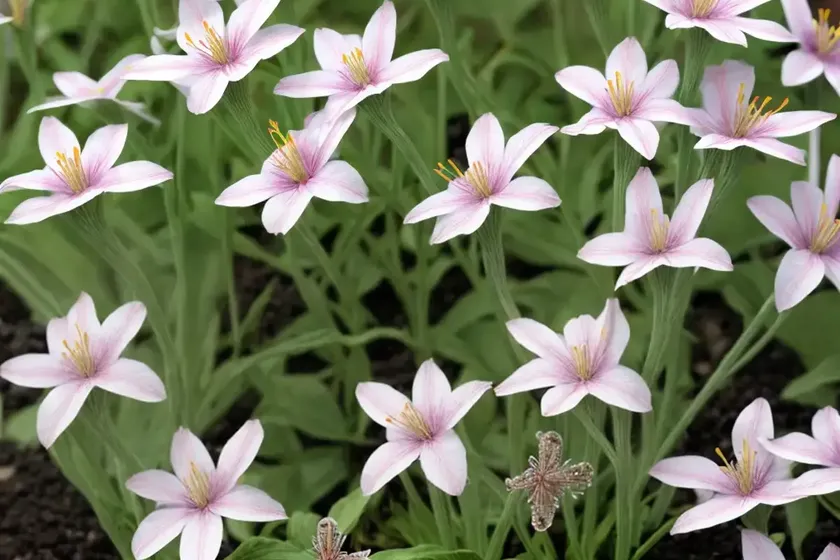
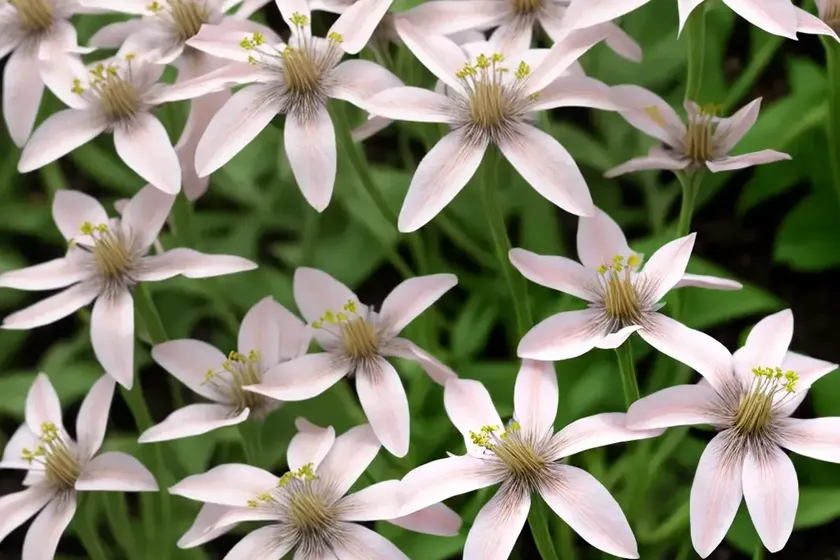
Catchflies (Silene mutabilis) are captivating flowering plants known for their stunning blooms and unique characteristics. In this comprehensive guide, we will explore the various aspects of Silene mutabilis, from its cultivation and care to its cultural uses, and fun facts. We will also delve into essential tips for successful cultivation, common diseases and pests, and the plant’s ecological and medicinal significance.
What is Catchflies (Silene mutabilis)?
Botanical Overview
Scientific Name: Silene mutabilis
Common Names: Catchflies, Changing Catchfly
Family: Caryophyllaceae
Genus: Silene
Species: Mutabilis
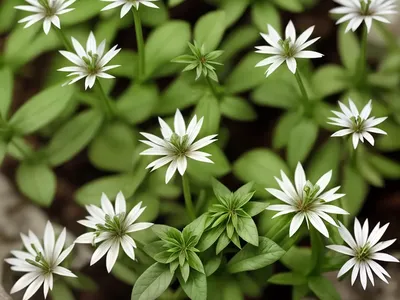
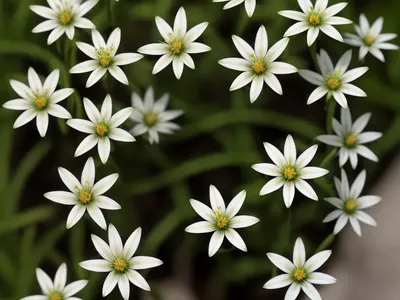
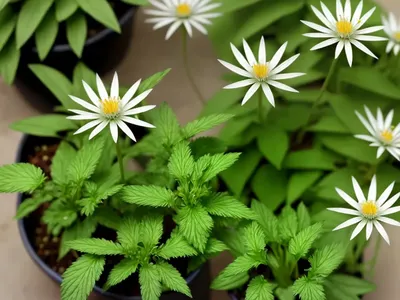
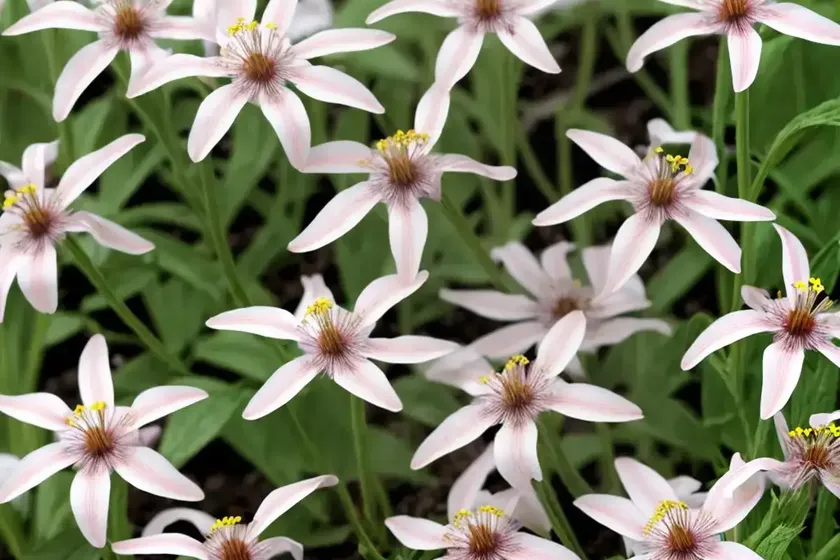
Catchflies (Silene mutabilis) are herbaceous perennial plants native to the meadows, woodlands, and open forests of Europe and Asia. The name “Catchfly” is derived from the plant’s sticky foliage, which is thought to trap small insects, particularly flies. The species name “mutabilis” refers to the flower, which undergoes a fascinating color transformation from white to pink as it ages.
Key Takeaways – Catchflies (Silene mutabilis)
Before delving into the specifics of cultivating and caring for Silene mutabilis, let’s summarize the key takeaways for a quick overview of the plant’s essential characteristics and requirements.
- Catchflies (Silene mutabilis) are herbaceous perennials with sticky foliage and captivating flowers that change color from white to pink.
- These plants are suitable for outdoor cultivation and are often used in landscaping and naturalized areas.
- Silene mutabilis thrives in well-drained soil with moderate water and sunlight requirements.
- The plant can be propagated from seeds or cuttings and is relatively low-maintenance with minimal pruning needs.
- Common diseases and pests affecting Catchflies include powdery mildew and aphids, which can be managed through appropriate care and preventive measures.
Now, let’s delve deeper into each aspect of Silene mutabilis, from its cultural uses to its maintenance and care requirements.
Culture
Uses
Catchflies (Silene mutabilis) have various cultural uses, ranging from ornamental landscaping to ecological significance and even potential medicinal applications.
- Ornamental Landscaping: The captivating blooms of Silene mutabilis make it an excellent choice for ornamental landscaping, adding vibrant color and visual interest to gardens, meadows, and naturalized areas.
- Ecological Significance: As a native plant in several regions, Catchflies play a role in supporting local ecosystems by attracting pollinators and contributing to the biodiversity of natural habitats.
- Potential Medicinal Applications: While research into the medicinal uses of Silene mutabilis is limited, some species within the Silene genus have traditional uses in herbal medicine, indicating potential therapeutic properties.
Silene mutabilis Cultivation Tips
Water
Establishing an appropriate watering routine is crucial for the health and vigor of Silene mutabilis. Consider the following watering tips:
- Moderation: Silene mutabilis prefers moderate watering, and over-watering should be avoided to prevent waterlogged soil and root rot.
- Well-Drained Soil: Plant Catchflies in well-drained soil to ensure efficient water distribution and proper root development.
- Established Plants: Once established, Silene mutabilis is relatively drought-tolerant and can withstand short periods of reduced watering.
Sunlight
Understanding the sunlight requirements is essential for cultivating healthy and vibrant Catchflies. Here are the key considerations:
- Full Sun to Partial Shade: Silene mutabilis thrives in full sun to partial shade, making it adaptable to various lighting conditions in outdoor settings.
- Optimal Sun Exposure: Providing adequate sunlight promotes robust flowering and overall plant vitality.
- Shade Considerations: In regions with hot summers, partial shade during the peak afternoon hours can protect the plant from excessive heat.
Fertilizer
Applying appropriate fertilization can support the growth and flowering of Silene mutabilis. Take note of the following fertilizer guidelines:
- Balanced Fertilizer: Use a balanced, all-purpose fertilizer during the growing season to provide essential nutrients for healthy plant development.
- Application Timing: Apply fertilizer in early spring as new growth emerges, and consider a second application in mid-summer to sustain flowering.
- Avoid Excessive Fertilization: Over-fertilization can lead to excessive foliage growth at the expense of flowers, so apply fertilizer according to the recommended dosage.
Soil
The selection of suitable soil and proper soil preparation are fundamental for the successful cultivation of Silene mutabilis. Consider the following soil preferences:
- Well-Drained Soil: Plant Catchflies in well-drained soil to prevent water stagnation and root rot. Loamy soil with good drainage is ideal for optimal growth.
- Soil pH: Silene mutabilis thrives in slightly acidic to neutral soil conditions with a pH range of 6.0 to 7.0.
- Organic Matter: Incorporating organic matter such as compost into the soil before planting can enhance soil structure and fertility.
Pruning
Minimal pruning is typically required for Silene mutabilis, but selective pruning can help maintain plant shape and promote continued flowering. Follow these pruning techniques:
- Deadheading: Regularly remove spent blooms to encourage prolonged flowering and prevent self-seeding, particularly if a controlled spread is desired.
- Cutting Back: Consider cutting back the stems to encourage a second flush of blooms and rejuvenate the plant’s appearance in late summer or early fall.
- Sanitation: Prune any diseased or damaged foliage promptly to prevent the spread of diseases and maintain overall plant health.
Growing Silene mutabilis from Seeds
Silene mutabilis can be propagated from seeds, providing an opportunity to expand your plant collection or share the beauty of Catchflies with others. Follow these steps for successful seed germination:
- Seed Collection: Collect mature seeds from the plant after the flowering period, ensuring that the seeds are fully developed and ready for propagation.
- Soil Preparation: Prepare a seed-starting mix or use well-drained potting soil in a seed tray or small containers for sowing the seeds.
- Sowing and Covering: Sow the seeds on the soil surface and lightly cover them with a thin layer of the seed-starting mix. Press the soil lightly to ensure good seed-to-soil contact.
- Moisture and Light: Maintain consistent moisture by misting the soil surface, and provide indirect light or partial shade to promote germination.
- Transplanting: Once the seedlings have developed several sets of true leaves, carefully transplant them into individual pots or suitable outdoor locations.
Propagation and Container Popularity
Propagation through division and stem cuttings is feasible for Silene mutabilis, offering additional options for expanding your plant collection or sharing the beauty of Catchflies with fellow gardening enthusiasts.
- Division: Divide mature plants in early spring to produce new clumps, ensuring that each division has sufficient roots and shoots for successful establishment.
- Stem Cuttings: Take stem cuttings from healthy, non-flowering shoots in spring or early summer, and propagate the cuttings in a suitable rooting medium to establish new plants.
The container popularity of Silene mutabilis stems from its adaptability to container gardening and its potential for creating colorful displays on patios, decks, and balconies.
- Container Selection: Choose well-draining containers of appropriate size for Catchflies, ensuring adequate space for root development and sufficient drainage holes.
- Soil Considerations: Use a well-drained potting mix suitable for flowering perennials to support healthy growth and blooming in containerized Silene mutabilis.
- Outdoor Display: Position containers in locations that receive the optimal sunlight for Silene mutabilis, and consider companion plantings to create visually appealing arrangements.
Common Diseases and Disease Diagnosis
While Silene mutabilis is relatively resilient, it can be susceptible to certain diseases and issues that may affect its overall health and appearance. Understanding common diseases and their diagnosis is essential for effective plant care.
Common Diseases
- Powdery Mildew: This fungal disease can manifest as a powdery, white growth on the foliage, compromising the plant’s vigor and aesthetics if left unmanaged.
- Leaf Spot: Circular, dark lesions or spots on the leaves may indicate the presence of a leaf spot disease, potentially caused by fungal pathogens or environmental stressors.
- Root Rot: Excessive soil moisture and poor drainage can lead to root rot, resulting in wilting, yellowing foliage, and overall decline in plant health.
Disease Diagnosis
- Visual Inspection: Regularly inspect the foliage, stems, and overall appearance of Silene mutabilis for any signs of discoloration, spots, or abnormal growth.
- Symptom Assessment: Understand the common symptoms associated with specific diseases, and consider environmental factors that may contribute to plant stress and susceptibility to diseases.
- Treatment and Prevention: Promptly address any signs of disease through appropriate fungicidal treatments, adjustments to watering practices, and enhancing overall plant health to prevent future occurrences.
Common Pests
The presence of pests can impact the growth and appearance of Silene mutabilis, requiring proactive measures for pest control and prevention.
Aphids
These small, soft-bodied insects may cluster on the new growth and undersides of leaves, feeding on plant sap and potentially causing distortion and discoloration of the foliage.
Pest Management
- Natural Predators: Encourage the presence of natural predators, such as ladybugs and lacewings, which feed on aphids and help maintain their populations.
- Organic Controls: Consider the use of insecticidal soaps or neem oil as organic options for managing aphids, ensuring minimal impact on beneficial insects and the plant itself.
- Cultural Practices: Practices such as regular pruning, weed management, and maintaining overall plant vigor can contribute to reducing pest infestations.
Botanist’s Tips
Best Practices for Catchfly Plant Care
Implementing the following best practices can contribute to the successful cultivation and care of Silene mutabilis:
- Moderate Watering: Establish a consistent watering routine, allowing the soil to dry slightly between waterings to prevent over-saturation.
- Sunlight Considerations: Provide adequate sunlight or partial shade based on the regional climate, aiming for approximately 6 to 8 hours of sunlight per day.
- Well-Drained Soil: Ensure that the planting site or containers have well-drained soil to prevent waterlogging and promote healthy root development.
Silene mutabilis Flowering Time
The flowering period of Silene mutabilis typically occurs in late spring to early summer, presenting an array of white and pink blooms that add color and charm to outdoor spaces.
- Continuous Blooming: Deadhead spent flowers regularly to encourage continuous blooming throughout the flowering season, promoting a vibrant display of color.
Fun Facts
Uncover intriguing and delightful facts about Silene mutabilis that showcase its remarkable characteristics and ecological significance:
- Insect Attraction: The sticky foliage of Silene mutabilis can attract small insects, particularly flies, earning it the common name of “Catchflies.”
- Color Transformation: The flowers of Silene mutabilis undergo a fascinating color change from white to pink as they age, creating an enchanting visual display in outdoor settings.
Links to External Resources
Explore external resources to expand your knowledge and appreciation of Silene mutabilis:
- Royal Horticultural Society – Silene
- Missouri Botanical Garden – Silene
- PlantSnap – Silene mutabilis
Conclusion
In this comprehensive guide, we have unravelled the facets of Catchflies (Silene mutabilis), from its cultural uses and stunning blooms to its essential care and maintenance requirements. By incorporating the tips, best practices, and insights provided, you can embark on a rewarding journey of cultivating, caring for, and appreciating the captivating beauty of Silene mutabilis, creating vibrant displays and contributing to the vitality of your garden and outdoor spaces.